Inside Riyadh Waleed’s Hand-Drawn World of Animation
Explore Riyadh Waleed’s hand-drawn animation practice, from self-taught experiments and award-winning shorts to character design for Asateer 2.


Explore Riyadh Waleed’s hand-drawn animation practice, from self-taught experiments and award-winning shorts to character design for Asateer 2.
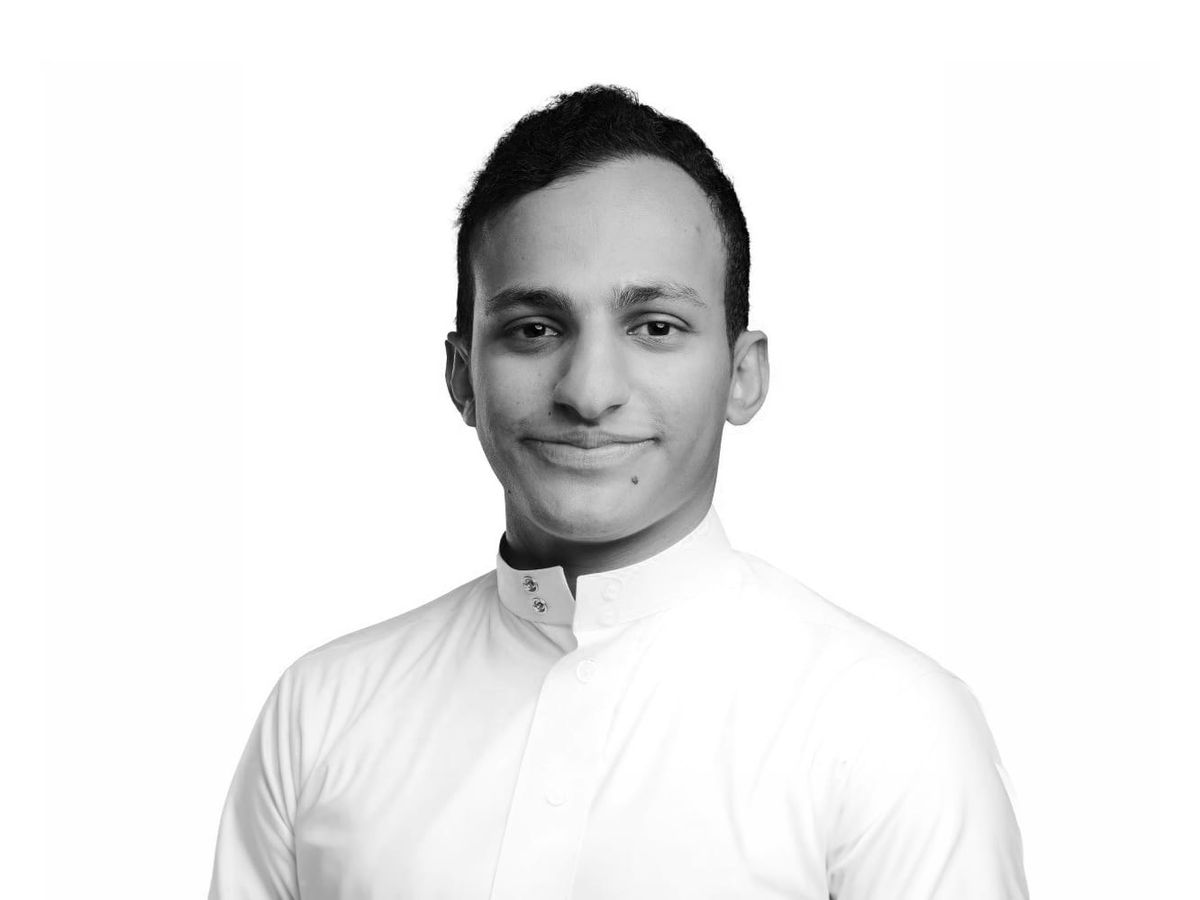
A character can be beautifully drawn and still feel lifeless. For Saudi animator and visual artist Riyadh Waleed, the more interesting challenge begins after the drawing is finished: giving it emotion, personality and movement.
His public professional profile places him across 2D hand-drawn animation, storyboarding and character design at Manga Productions. Yet the foundation of his practice remains recognisably personal and hand-drawn. His portfolio moves between animation, character studies and life drawing, while his professional credits now place that practice inside increasingly ambitious Saudi productions.
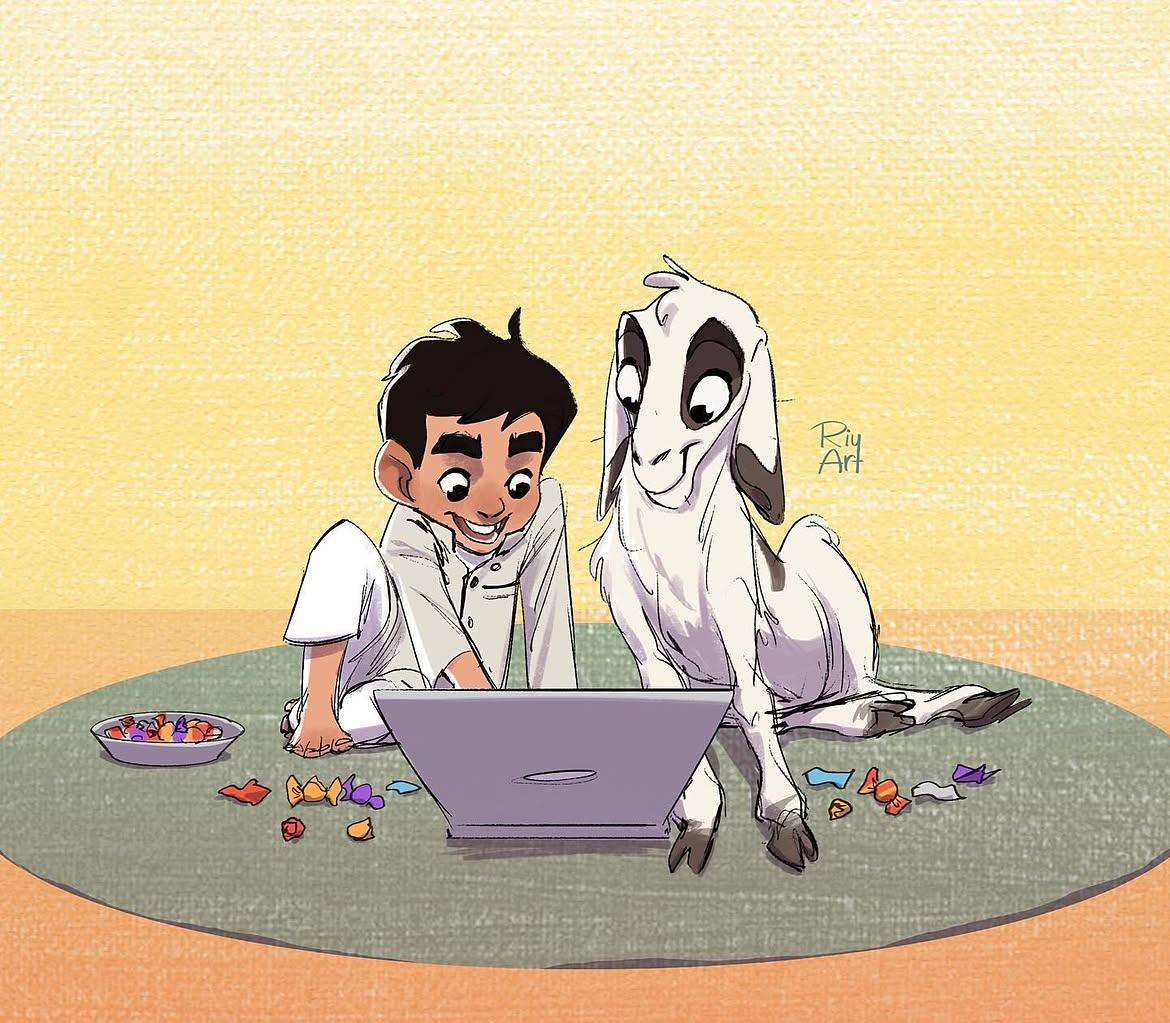
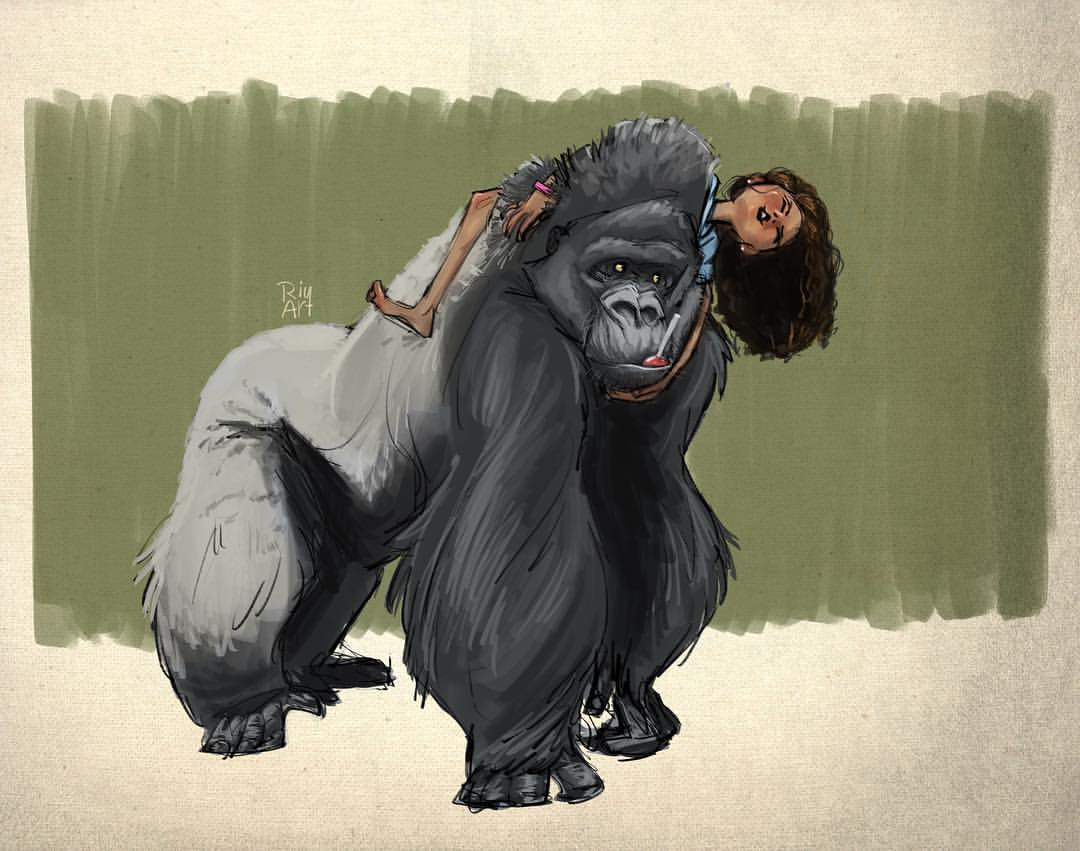
Riyadh Waleed’s path into animation was shaped by self-training. He developed much of his craft independently from his bedroom, producing personal short films and gradually contributing to projects that went on to receive international nominations and awards. Animation is built through repetition. A few seconds of movement can demand dozens of decisions about timing, anatomy, weight, expression and rhythm. Riyadh’s early work shows an artist studying those decisions closely.
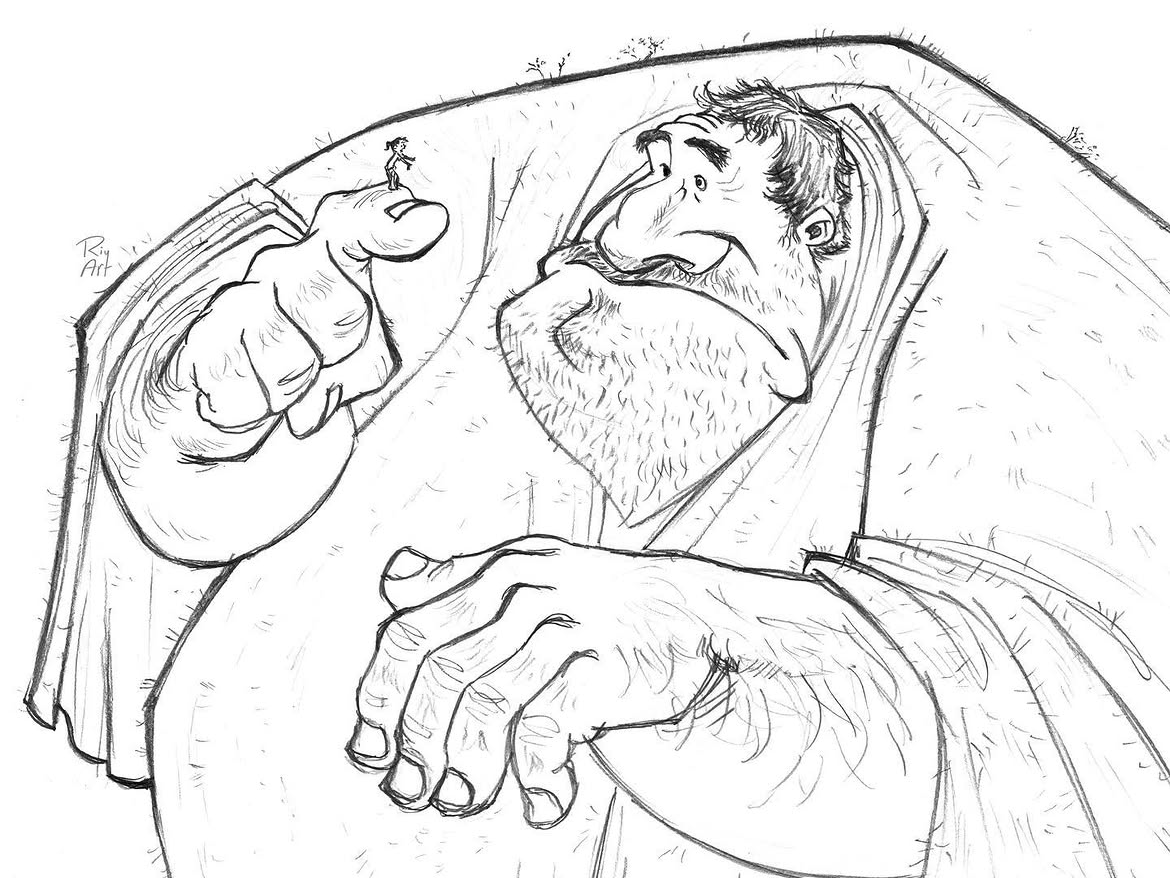
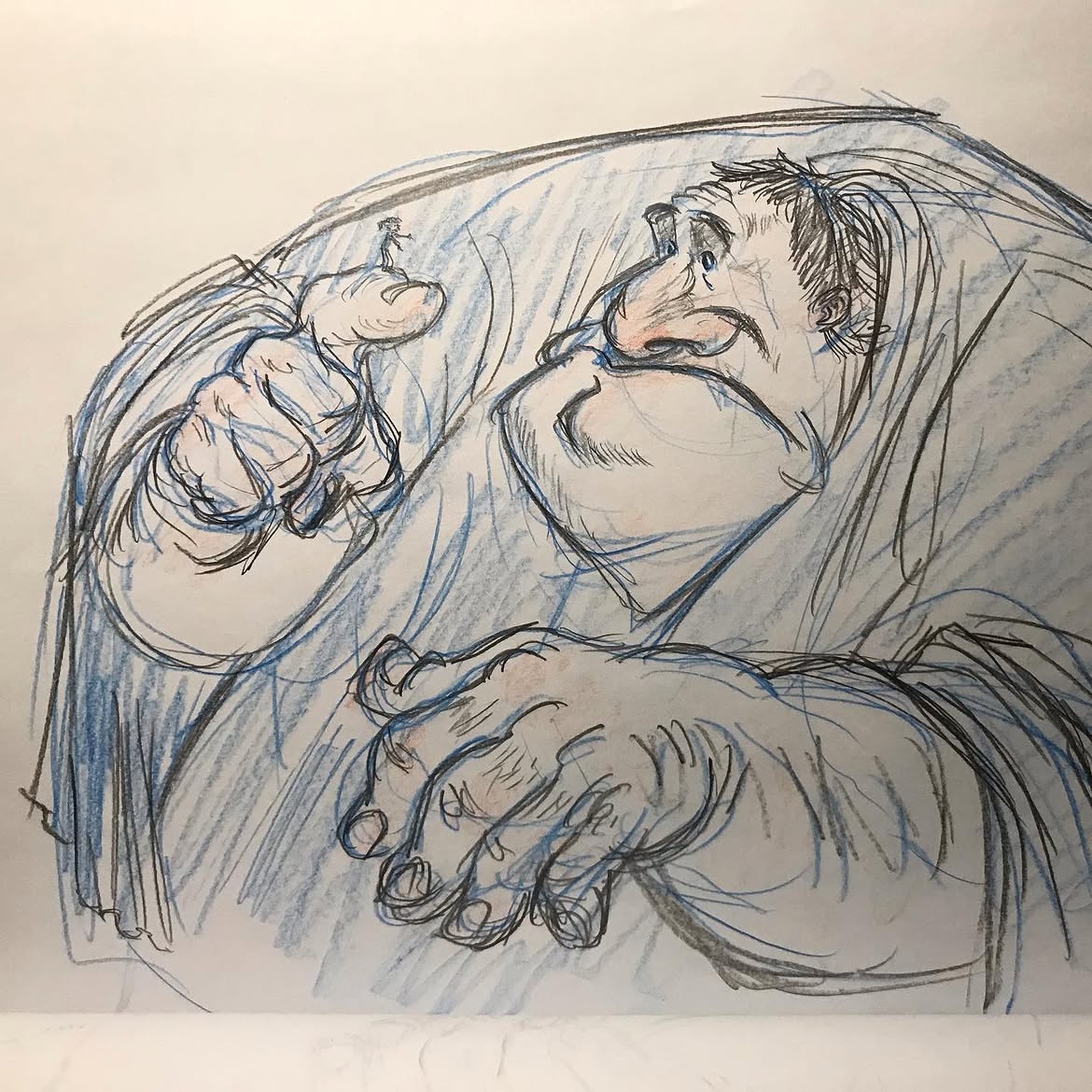
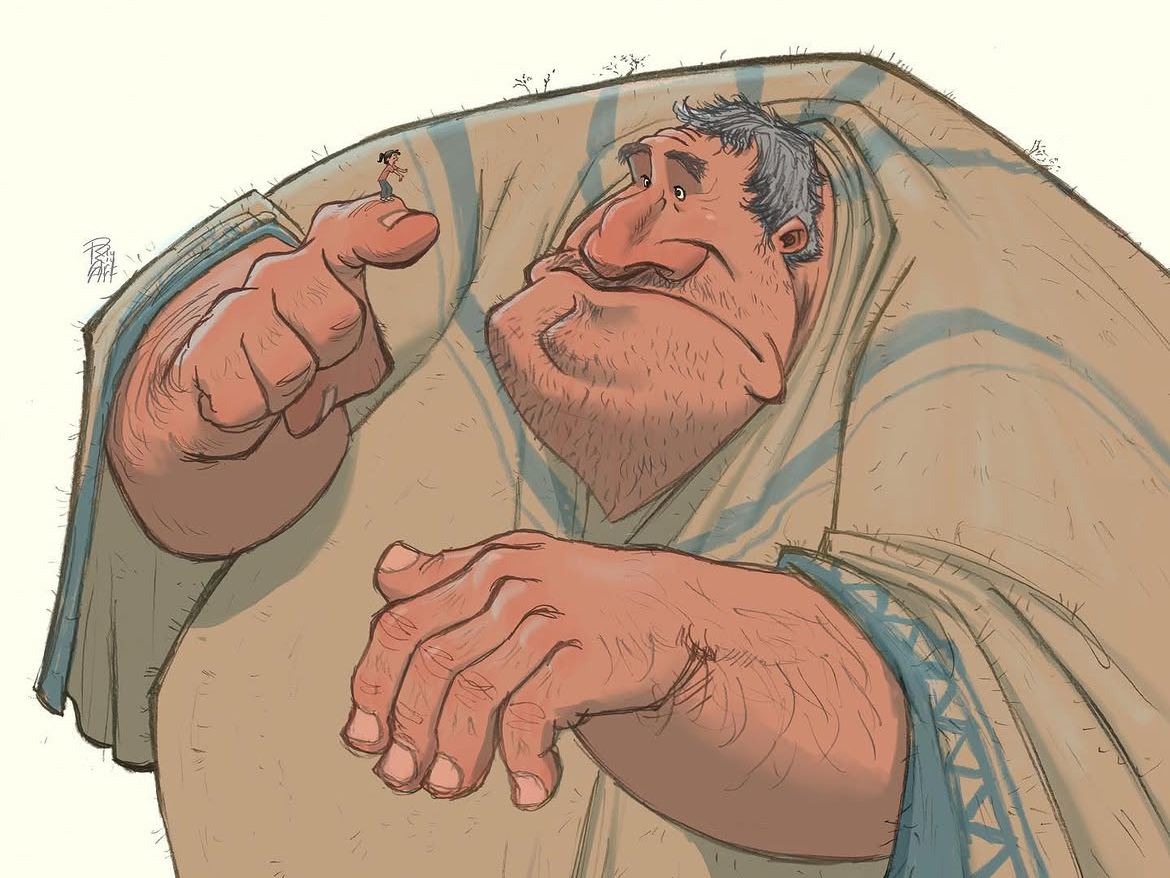
His development was influenced by major animation artists and films, including Disney, while he continued building his own approach to drawing and moving characters. Riyadh studied how established animation creates feeling, then tested those principles through his own work. Today, that hand-drawn practice has developed a personality of its own. He creates work that is often playful, expressive and full of character, while occasionally drifting into something stranger, darker and a little creepy. That range is part of what makes his animation feel distinctly his.
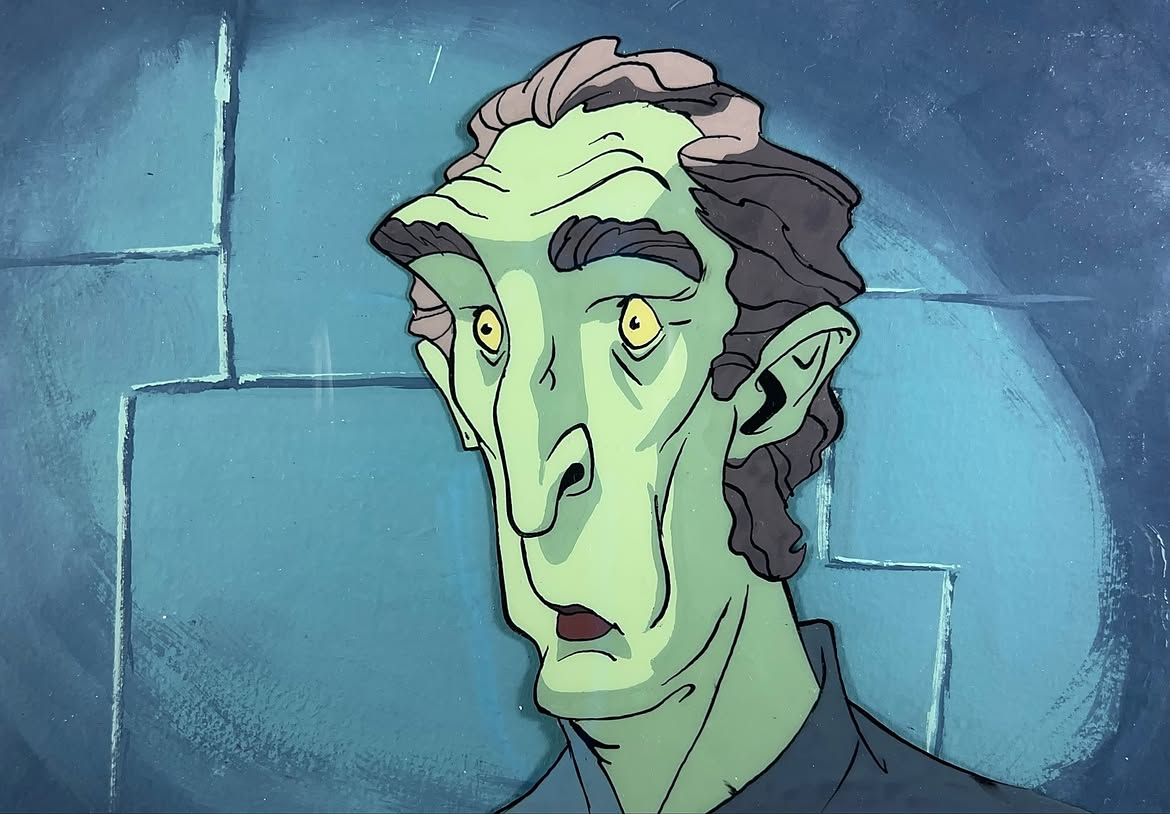
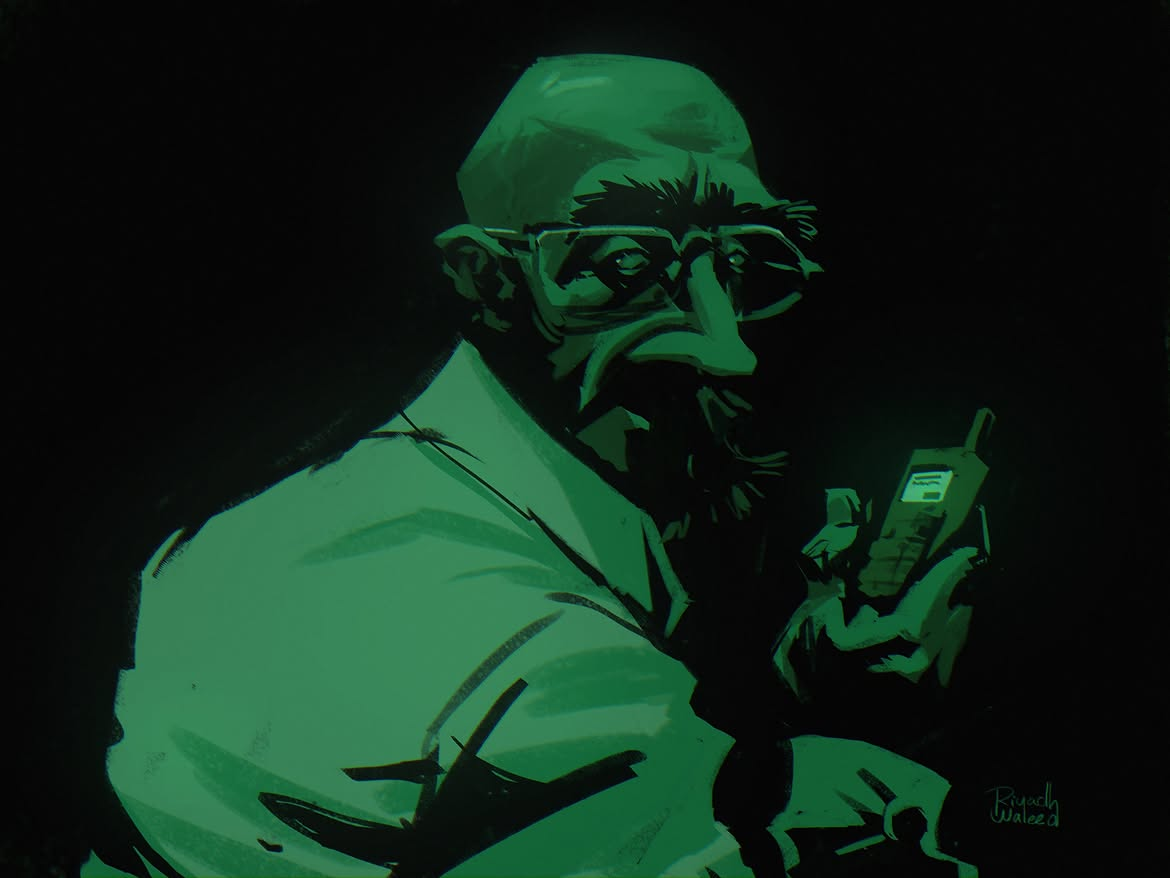
One of the clearest early examples is Loving Feeling, an unfinished animated short Riyadh Waleed published in 2018. He described the project as a test of several things at once: creating believable emotion, linking more than five scenes harmoniously, producing cleaned and coloured animation, and pushing his own abilities. The project includes model sheets for its characters, Norah and Frank, backgrounds, animation process material and loose sketches.
Its unfinished state is part of what makes it revealing. It shows the work behind the illusion. A glance needs timing. A body needs weight. A pause has to feel intentional. Emotion has to survive from one drawing into the next. For Riyadh, animation begins to look less like making an illustration move and more like acting through drawing.
That interest in performance carried into collaborative projects. Among Riyadh Waleed’s earlier works is J3booz, released in 2020, where his contribution included drawing and animation. The short also appears among the works highlighted in a 2023 Kartoon Karton interview, alongside another important project, For the Sake of Youssef.
For Youssef was a Kuwaiti animated short directed by Youssef Al-Bagshi and produced across 2018 and 2019. Riyadh worked as one of its animators. The film went on to win Best Animation at the Short to the Point festival in March 2019 and was officially selected for the Ismailia International Film Festival and Ajyal Film Festival that same year. His drawings were no longer staying inside a portfolio. They were becoming part of larger films and festival circuits across the region.
A major step came with Asateer 2: Future’s Folktales. Riyadh Waleed is officially credited as one of the character designers on the series, co-produced by Manga Productions and Toei Animation. The collaboration brought Saudi and Japanese artists into the same production structure, pairing a locally rooted story world with one of Japan’s most established animation studios.
The series follows Maha and her family as they move from Riyadh to Oxagon in NEOM. Set in a future Saudi Arabia, it connects their everyday challenges with stories told by their grandmother Asmaa, drawing from folk narratives passed down across the Arabian Peninsula. For a character designer, this creates a layered problem. A character has to belong to a particular culture without becoming a collection of obvious visual symbols. Age, posture, clothing, facial expression, family dynamics and personality all have to work together.
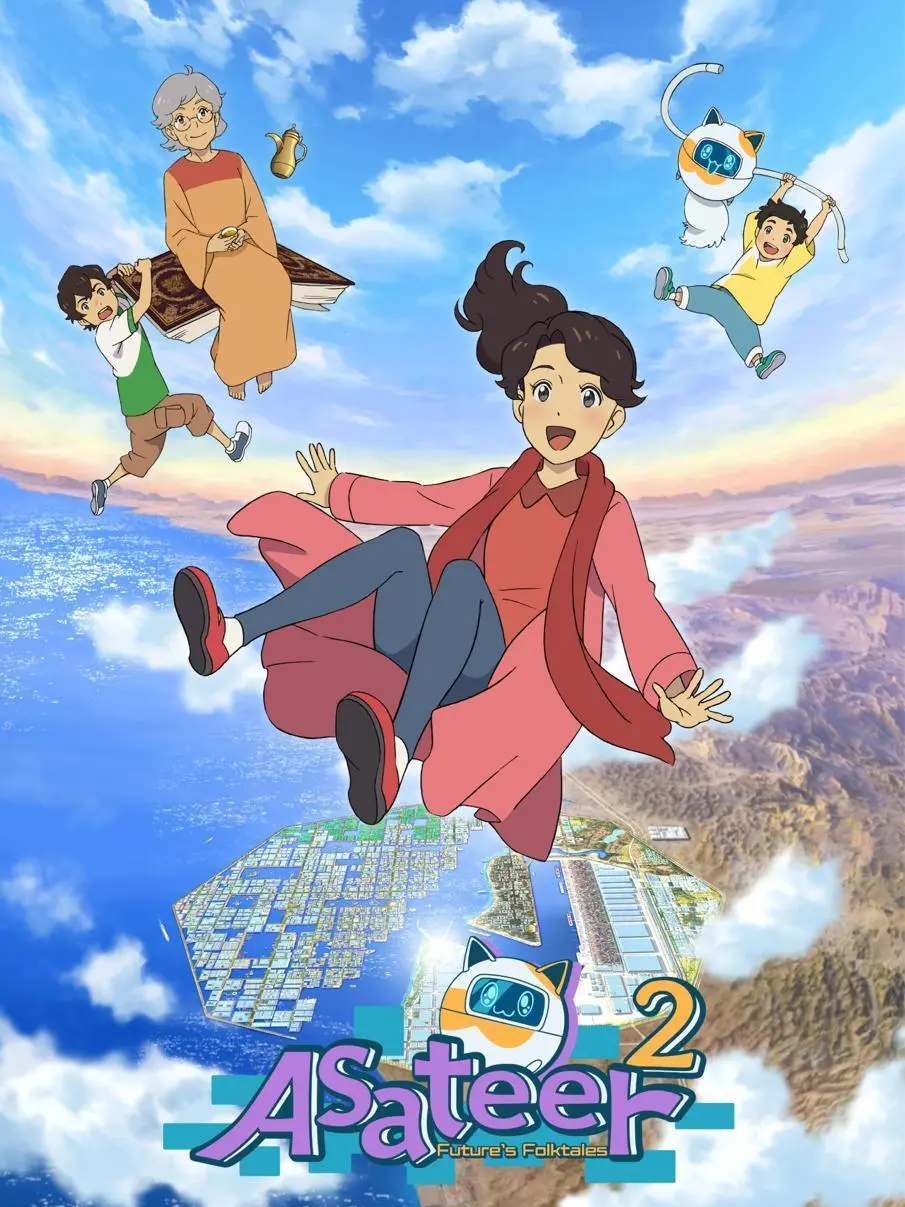
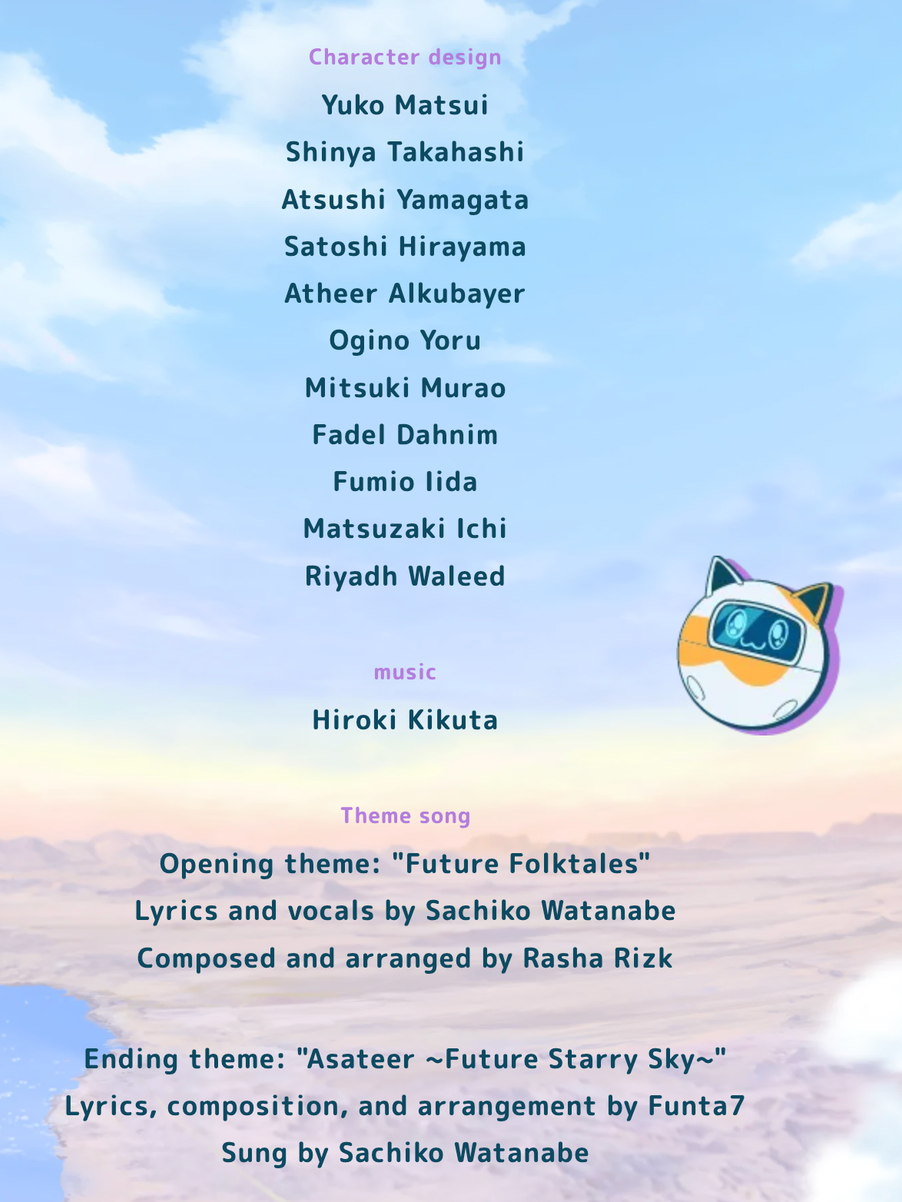
Riyadh Waleed’s involvement places him inside a larger act of cultural translation. These are Saudi characters built for audiences at home, but also for viewers in Japan and elsewhere who may be encountering aspects of Saudi culture through animation for the first time.
Asateer 2 later aired through TV Tokyo, extending that visual language into another media environment. Its production credits place Riyadh alongside both Saudi creatives and established Japanese character designers, making the project an example of what international collaboration can look like when Saudi artists are part of the creative process rather than simply the subject of it.
Riyadh Waleed’s work with Manga Productions has also included national projects. He was named among the team behind the company’s animation for Saudi Arabia’s 94th National Day in 2024. The film centred on ambition, determination and looking toward the future.
He appeared again among the credited team for Manga Productions’ 95th National Day film in 2025. That project turned toward qualities associated with Saudi society, presenting values and characteristics as something inherited across generations and carried forward into the future.
These films operate at a different scale from Loving Feeling, yet they rely on many of the same fundamentals: gesture, expression, silhouette, timing and emotional clarity. The difference is what those drawings are being asked to carry. A character can hold a private feeling in one project and a national idea in another.
Even as Riyadh Waleed’s professional work has grown, he continues to return to drawing itself. His practice includes life drawing, early animation studies, traditional animation, hand-drawn 2D work, quick sketches on paper and charcoal portraiture, including self-portraiture. This matters because animation can easily be discussed only as an industry, pipeline or technology. Riyadh’s work keeps bringing it back to observation. Before a character can move convincingly, the artist has to understand the body. Before an expression can communicate, the artist has to notice what makes it believable.
That relationship between observation and movement connects the different stages of his practice, from life drawings and personal experiments to characters created for international television.
Riyadh Waleed’s story is not simply one of moving from small projects to bigger ones. It is about carrying the sensitivity of the sketch into increasingly complex systems of production. He began by testing whether a drawing could communicate feeling. That curiosity moved through personal shorts, regional collaborations, award-winning films, character design and eventually large Saudi productions developed with international partners.
As Saudi animation builds its own characters, stories and visual identities, artists like Riyadh are doing more than participating in a global industry. They are helping answer a more interesting question: What should a Saudi animated world feel like when it begins to move?
Discover more artist stories at KSAArt.