An Artist in Dialogue: Bander Alahmari
An interview with Saudi artist Bander Alahmari on emotion, the human figure, experimentation, and documenting contemporary culture.


An interview with Saudi artist Bander Alahmari on emotion, the human figure, experimentation, and documenting contemporary culture.
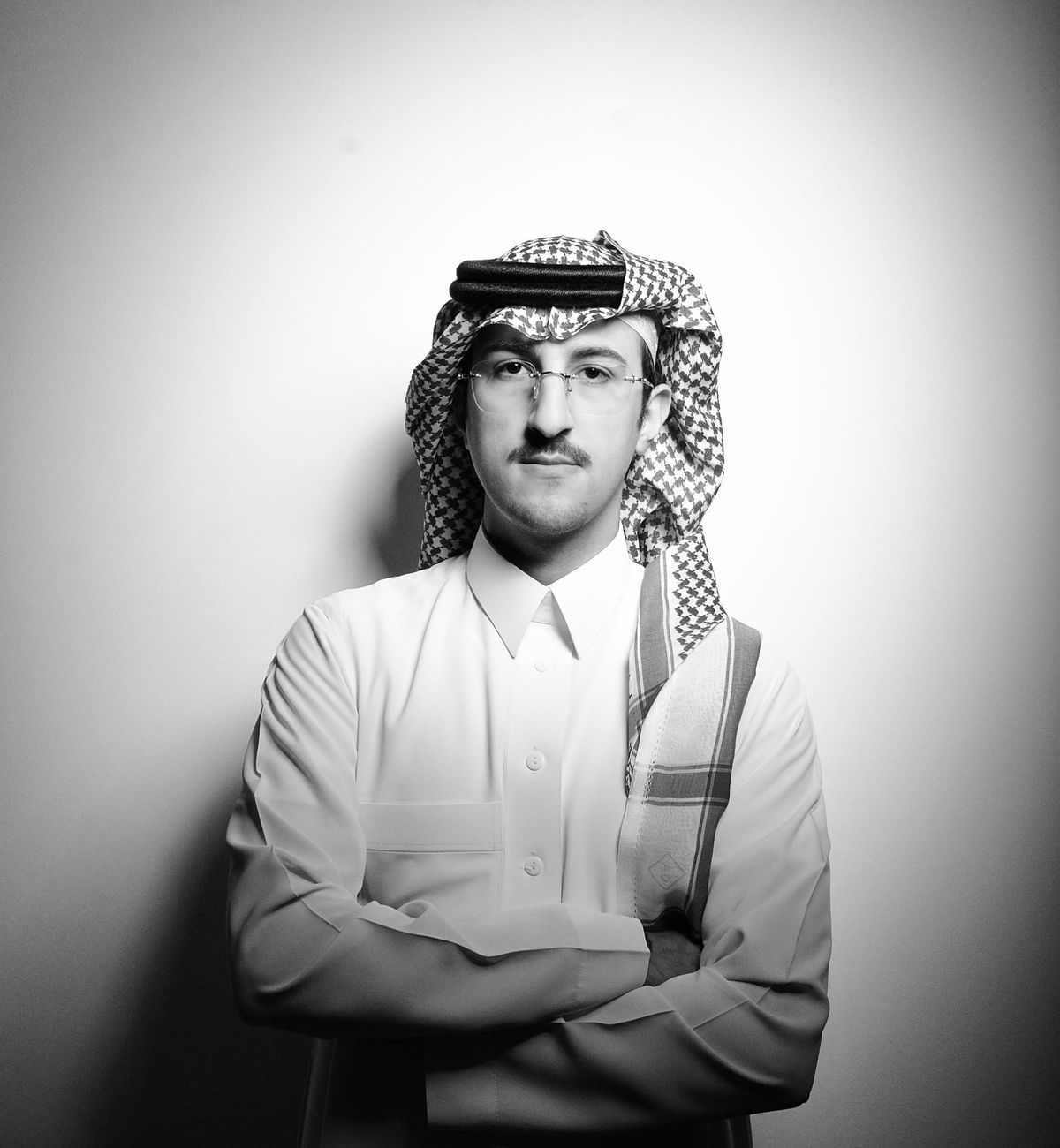
"I want to document contemporary life as we experience it today, so that it can become a witness to our time for future generations, just as the heritage of those who came before us has reached us."
Born in Dhahran in 1999 and raised in the Riyadh region, Bander Alahmari belongs to a generation of Saudi artists thinking about culture not only through what has been inherited, but through what is being lived now.
His practice moves between emotion, memory, the human figure, and material experimentation. At its center is a desire to give visual form to experiences that are often difficult to articulate, while documenting contemporary life as part of an evolving cultural identity.
Q: How would you describe yourself as an artist?
Bander: I describe myself as a visual artist who seeks to transform personal emotions and feelings, as well as experiences I draw from the people around me, into works that carry both visual and sensory dimensions.
My artistic practice is rooted in self-exploration, continuous experimentation, and an openness to different materials and media. Through this, I aim to build a visual language that expresses my experience and artistic vision.
Q: Can you take us back to the beginning of your artistic journey?
Bander: My journey began with an interest in art and making art from a young age, largely through self-learning and personal practice. My artistic sensibility grew stronger when the people around me began to recognize my talent and express appreciation for my early experiments.
During primary school, I was keen to participate in student activities, particularly drawing and singing. Those experiences became an important stage in building my confidence in myself and in what I was able to create.
Q: How did those early opportunities influence the artist you became?
Bander: In middle school, I received my first artistic commission alongside one of my classmates from the school administration. We were asked to beautify school facilities and educational laboratories by creating murals and drawings suited to the nature of each space. It was the first real artistic responsibility I had taken on, and it became an important point in shaping my character.
Over the years, my practice has developed and become more conscious and intentional. I now use art as a way of expressing emotions and ideas that can sometimes be difficult to put into words, and as a language through which I can document my human experience and share my perspective with others.
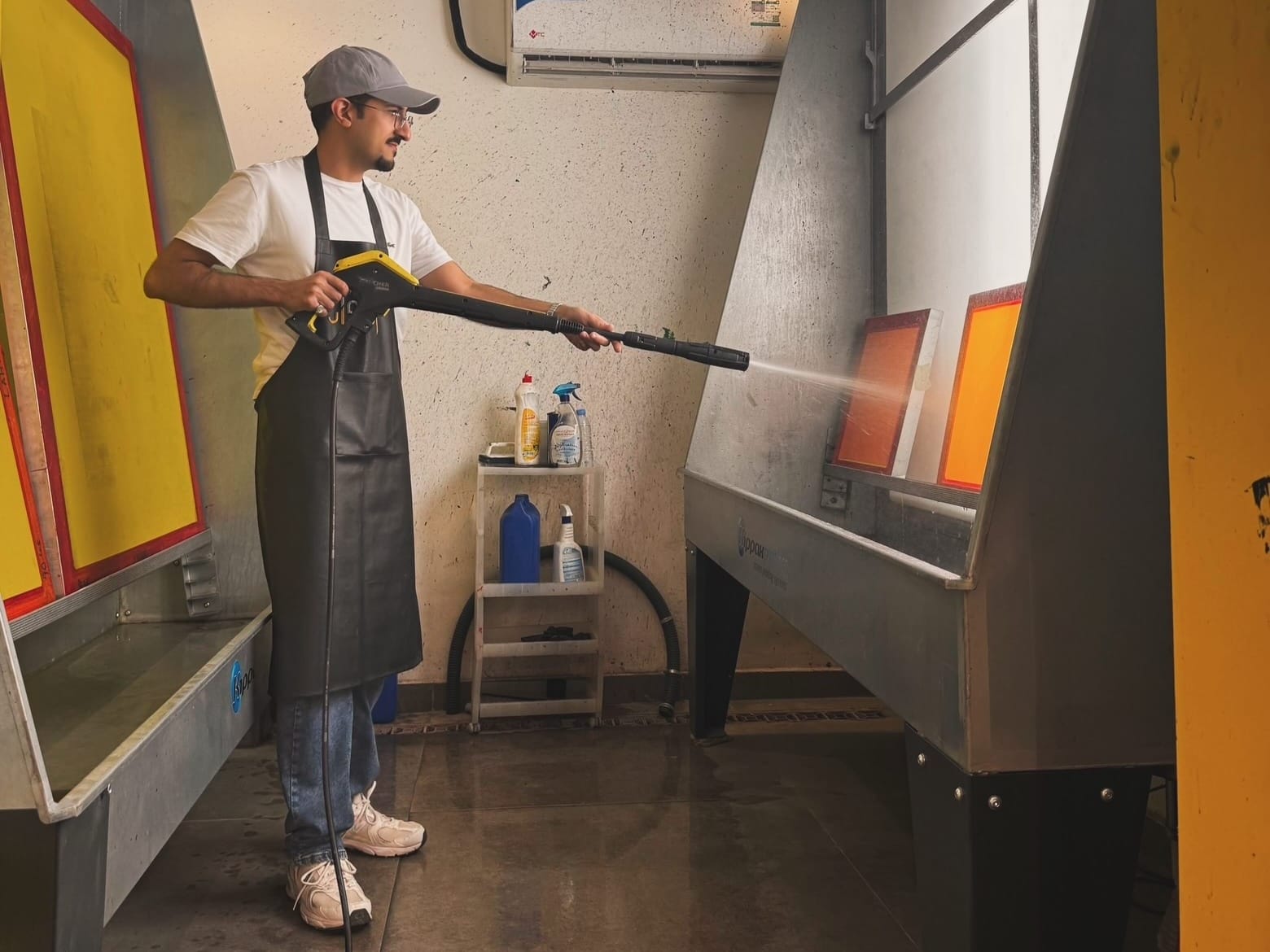
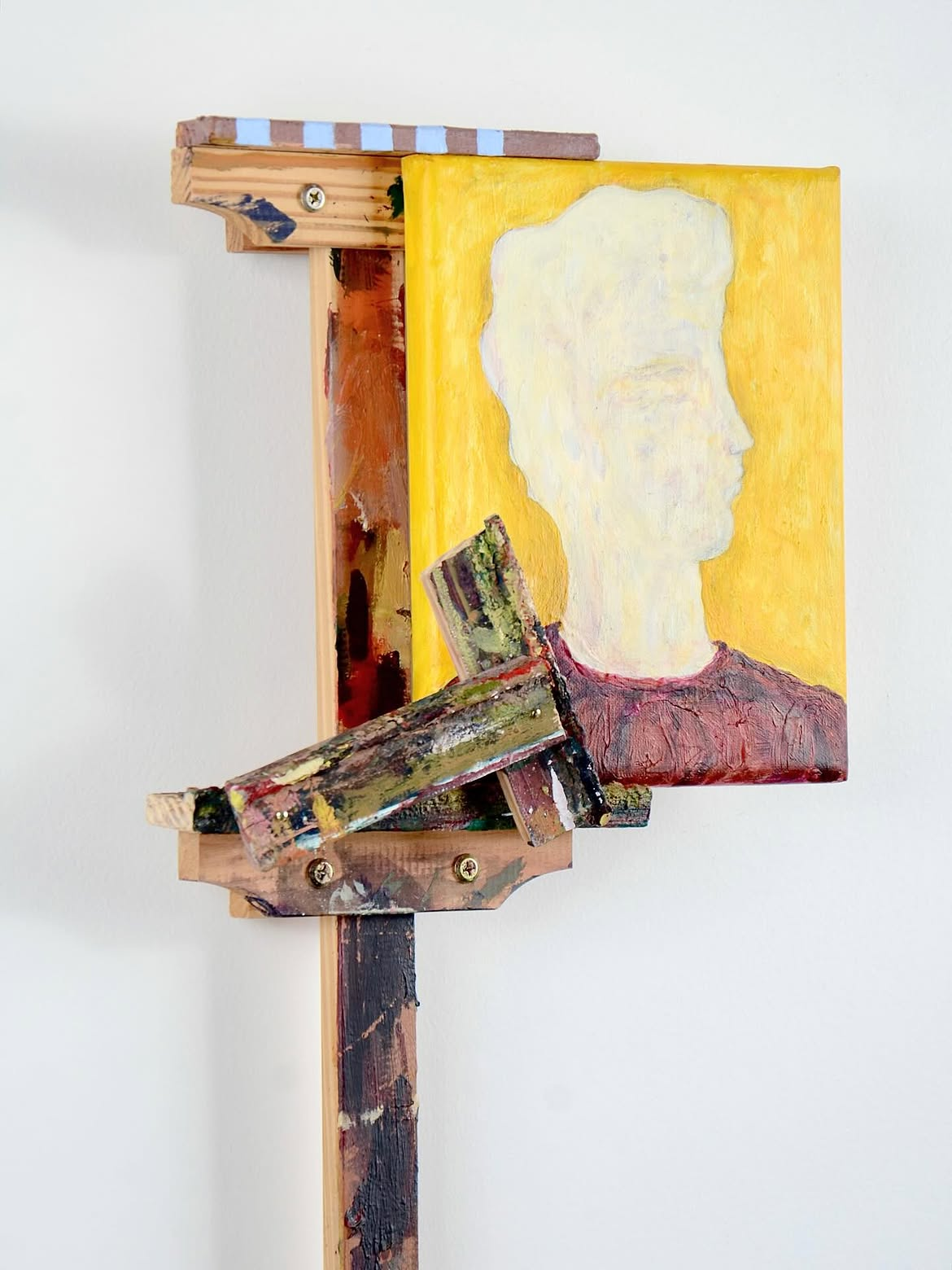
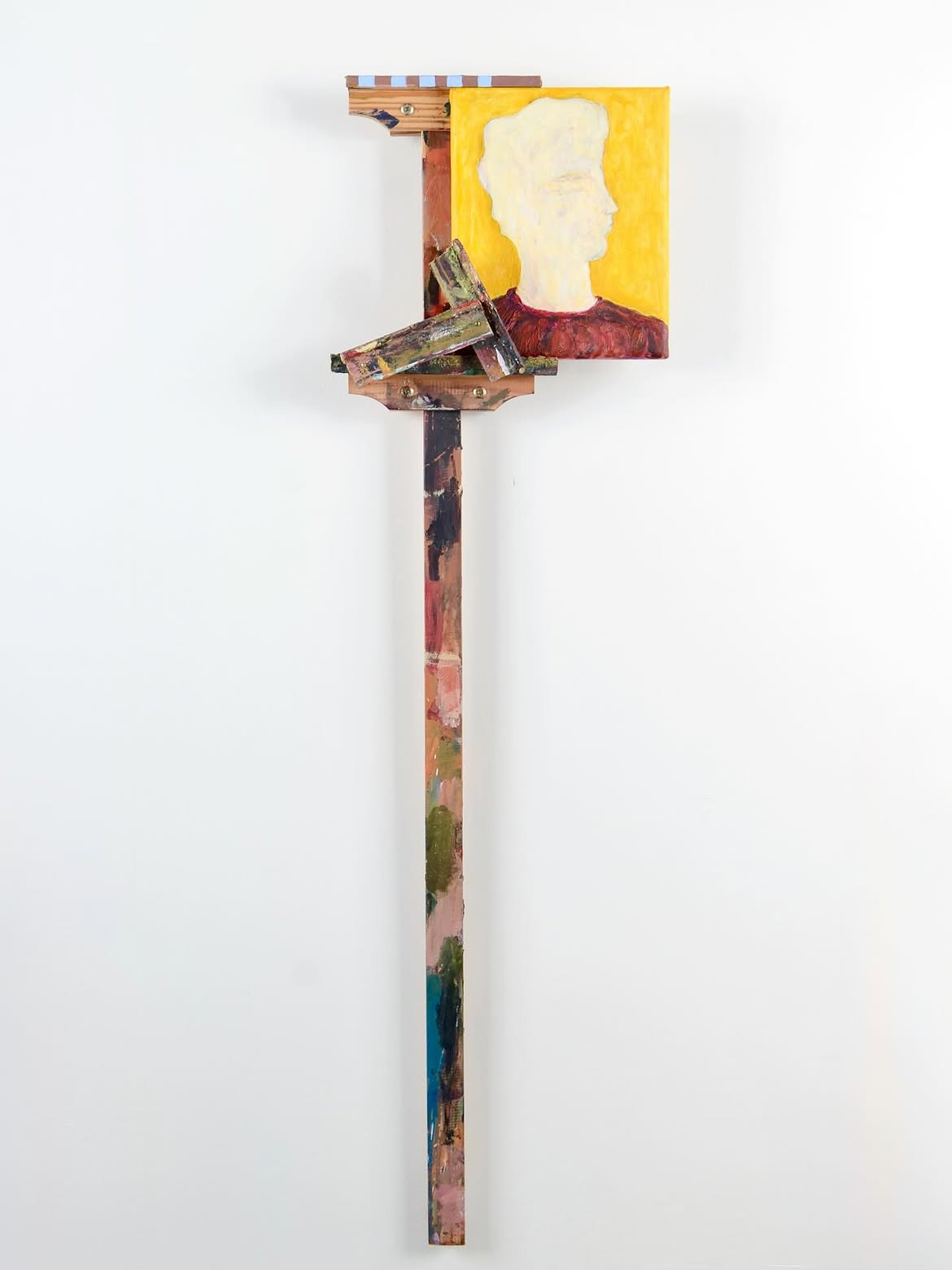
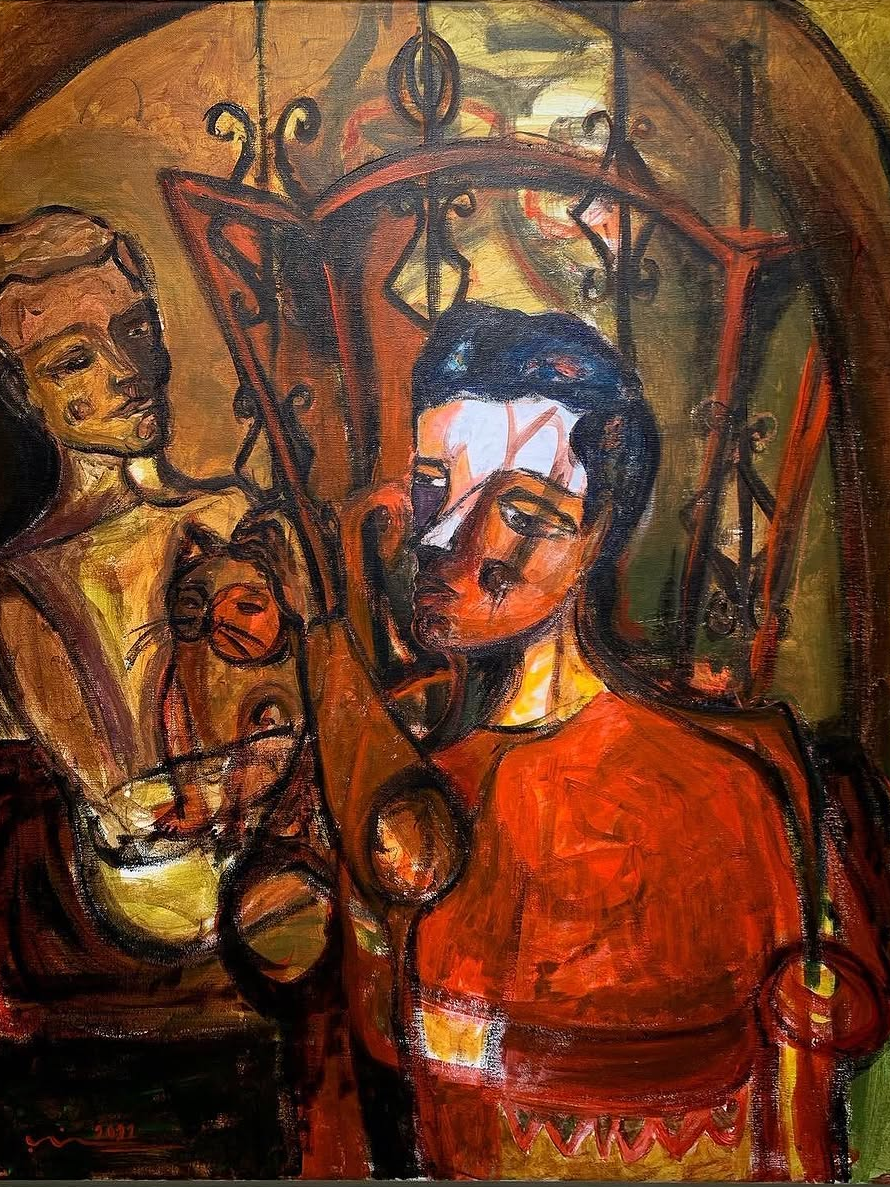
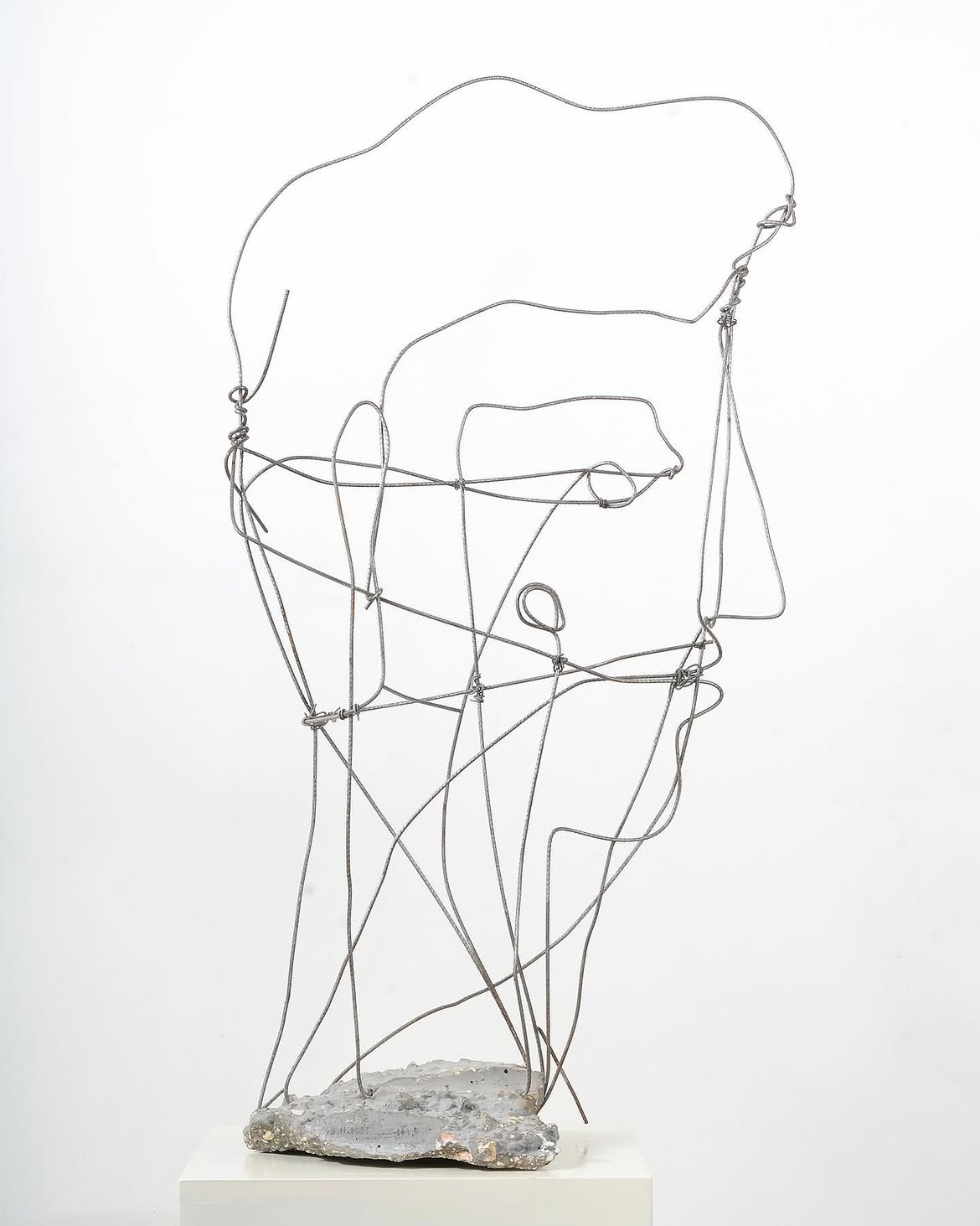
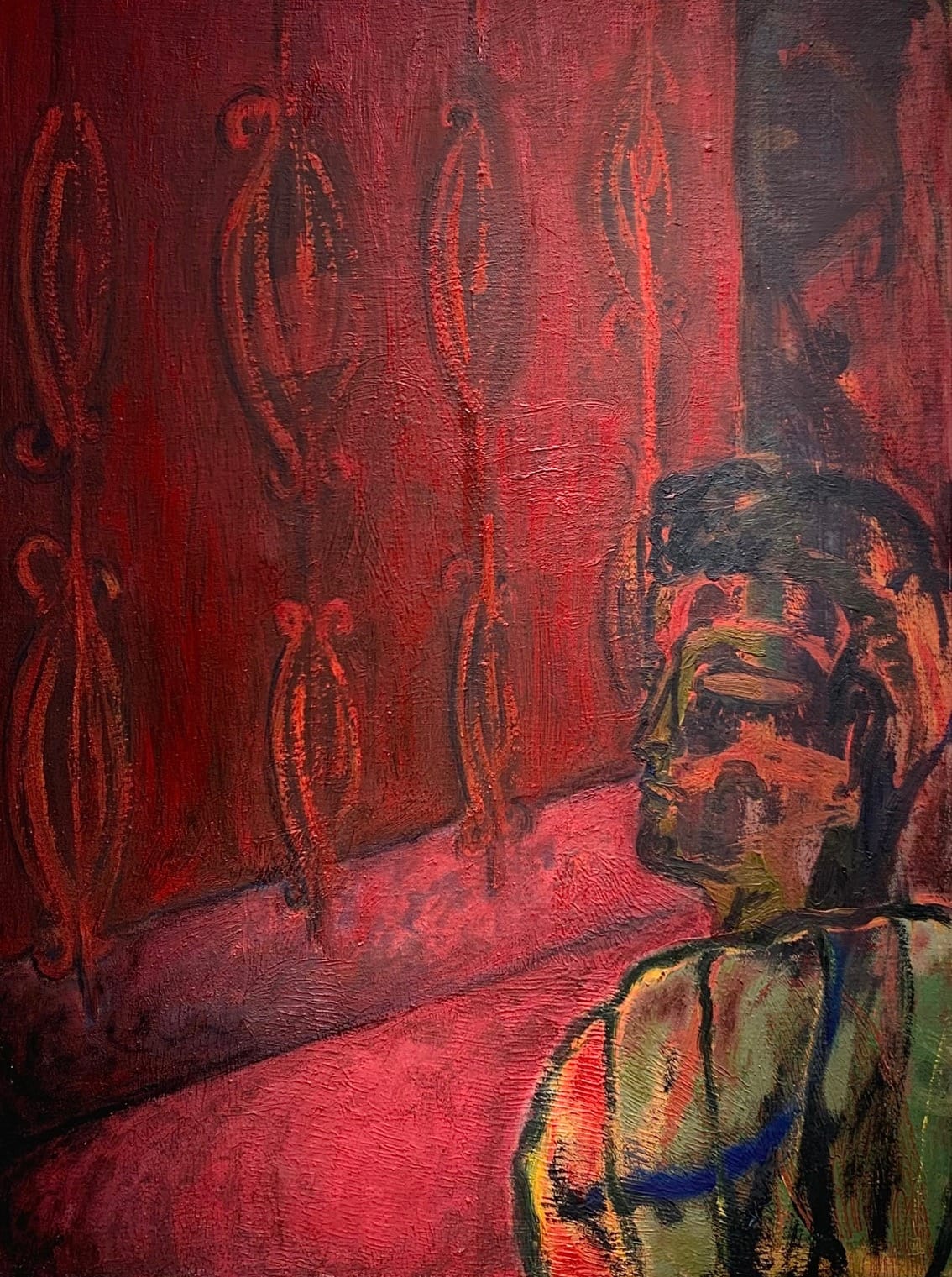
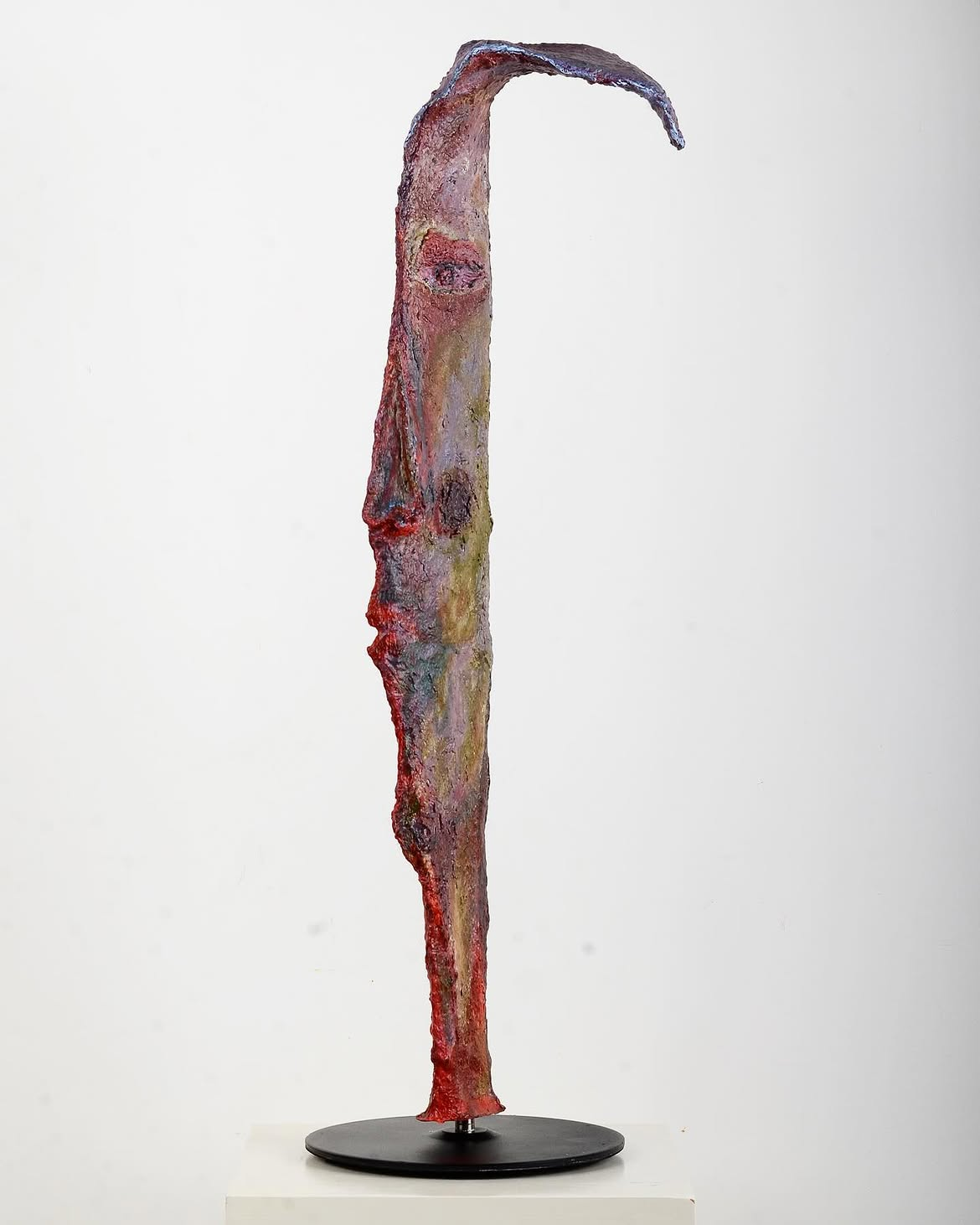
Bander Alahmari’s practice is not defined by a single material. Painting, fabric, wood, metal, and mixed media appear across the works included in his interview, reflecting an approach in which material follows concept rather than convention.
Q: What materials or tools do you use in your work?
Bander: I use a variety of materials and tools, and my choices differ depending on the idea and subject I am working with. I believe in the importance of continuously experimenting with different materials in order to arrive at a result that reflects the image I imagine for the work in my mind.
I want my works to carry both visual and conceptual value at the same time, so that the material itself becomes part of the idea rather than simply a means of executing it.
Q: What do you find yourself returning to for inspiration?
Bander: My work draws inspiration from human feelings and emotions, memory, and everyday details that may appear simple at first, but reveal deeper meanings when we pause to reflect on and understand them. I try to transform these moments and emotions into artworks that invite the viewer to contemplate and build a personal connection with them.
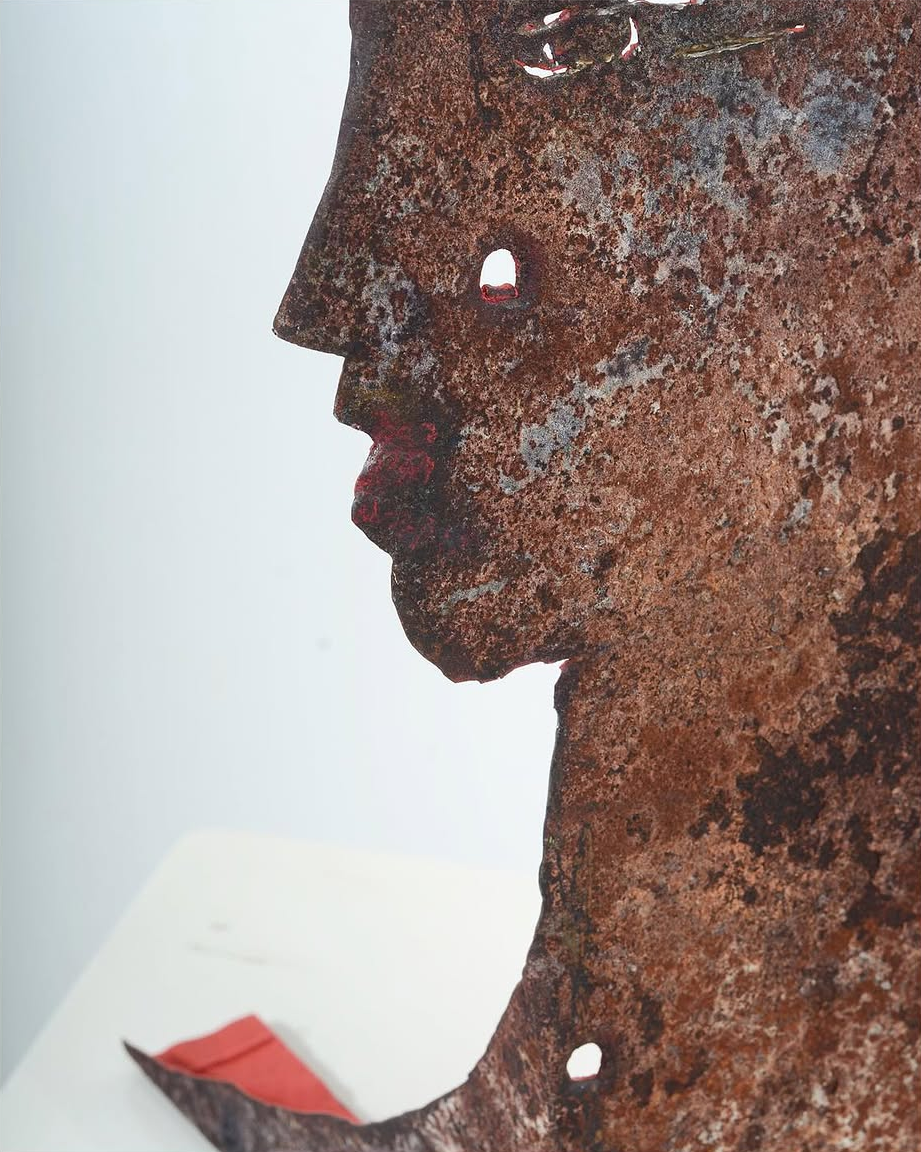
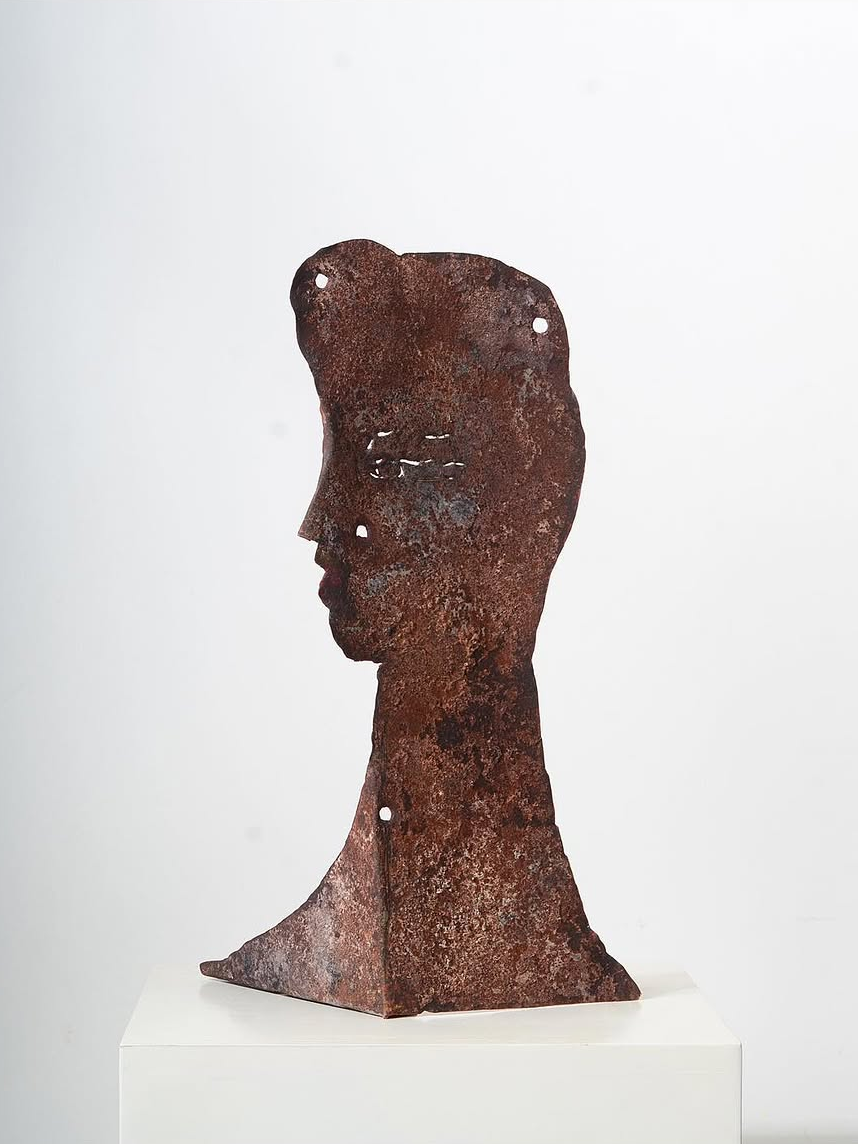
Bander: One of the most revealing aspects of Bander Alahmari’s perspective emerges when he speaks about the expectations placed on contemporary Saudi art. Rather than seeing culture as something contained only within inherited forms, he understands it as something alive, shaped continually by the realities, influences, and experiences of the present.
Q: Have people ever questioned how your work relates to Saudi culture, and how do you respond to that?
Bander: I am not sure whether I would describe this as a challenge, but from time to time I receive comments asking, “Why is your work different? Why doesn’t it resemble our culture?”. That question always surprises me because I feel it comes from an understanding of culture that connects it only to heritage and to what we inherited from previous generations, while overlooking our contemporary reality and the way we live today.
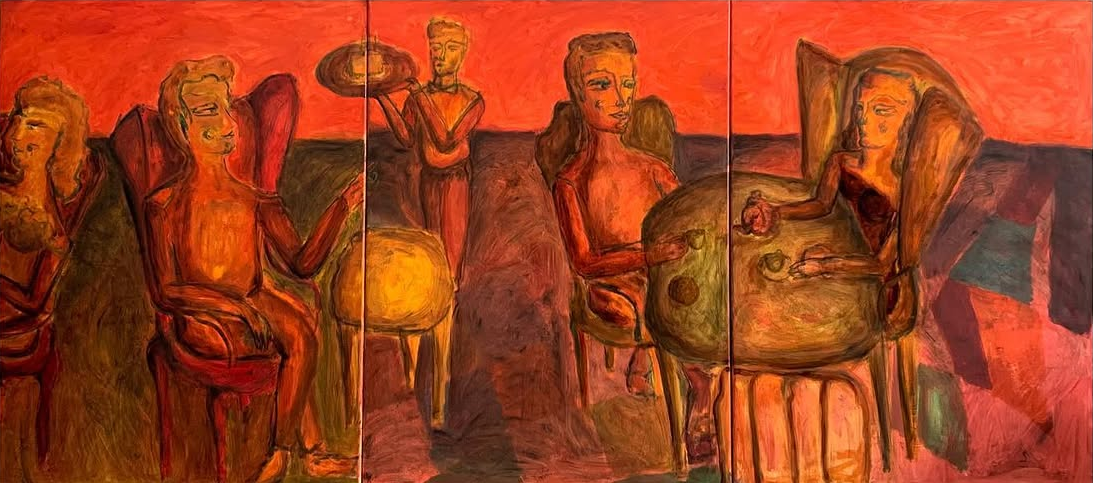
Q: How do you personally understand culture, and what role does your work play in documenting it?
Bander: Many new elements and ideas, including those that have come to us from other cultures, have become part of our daily lives and therefore part of our contemporary cultural identity. Culture is not fixed. It is continuously changing and evolving, reflecting both the individual and the era in which they live.
What we see today as heritage was, in its own time, contemporary art. Through it, our ancestors expressed the details of their everyday lives and documented their reality. I see myself as an extension of that idea. I want to document contemporary life as we experience it today, so that it can become a witness to our time for future generations, just as the heritage of those who came before us has reached us.
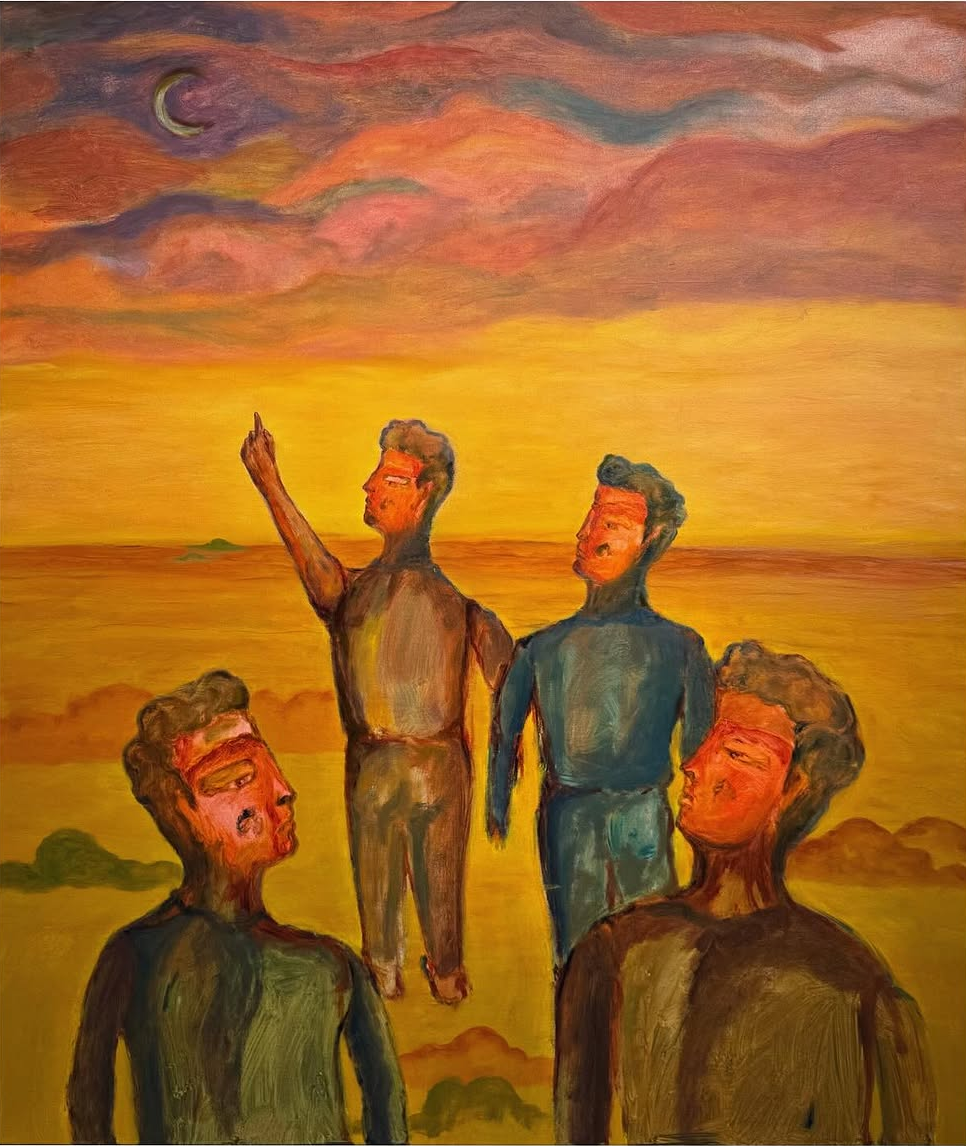
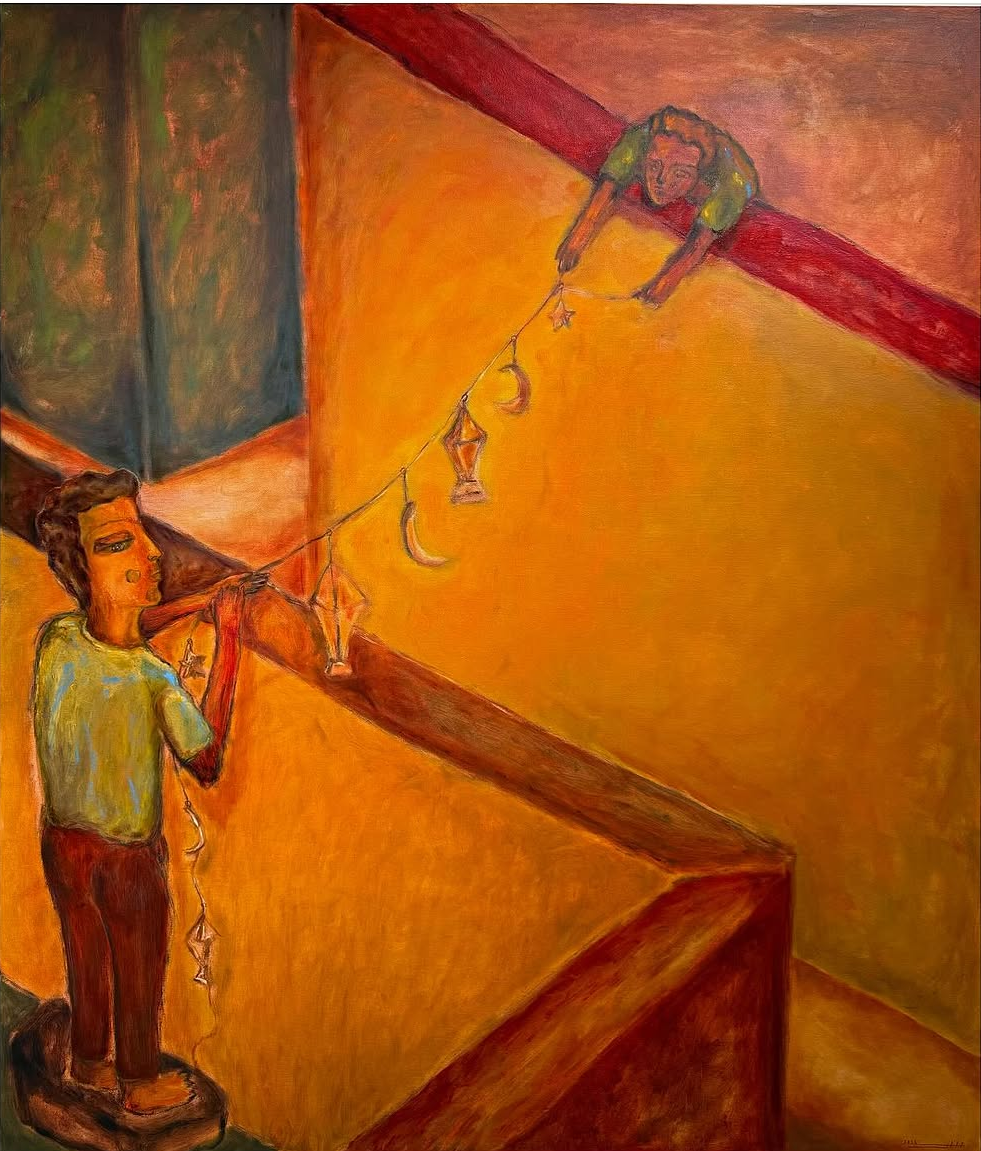
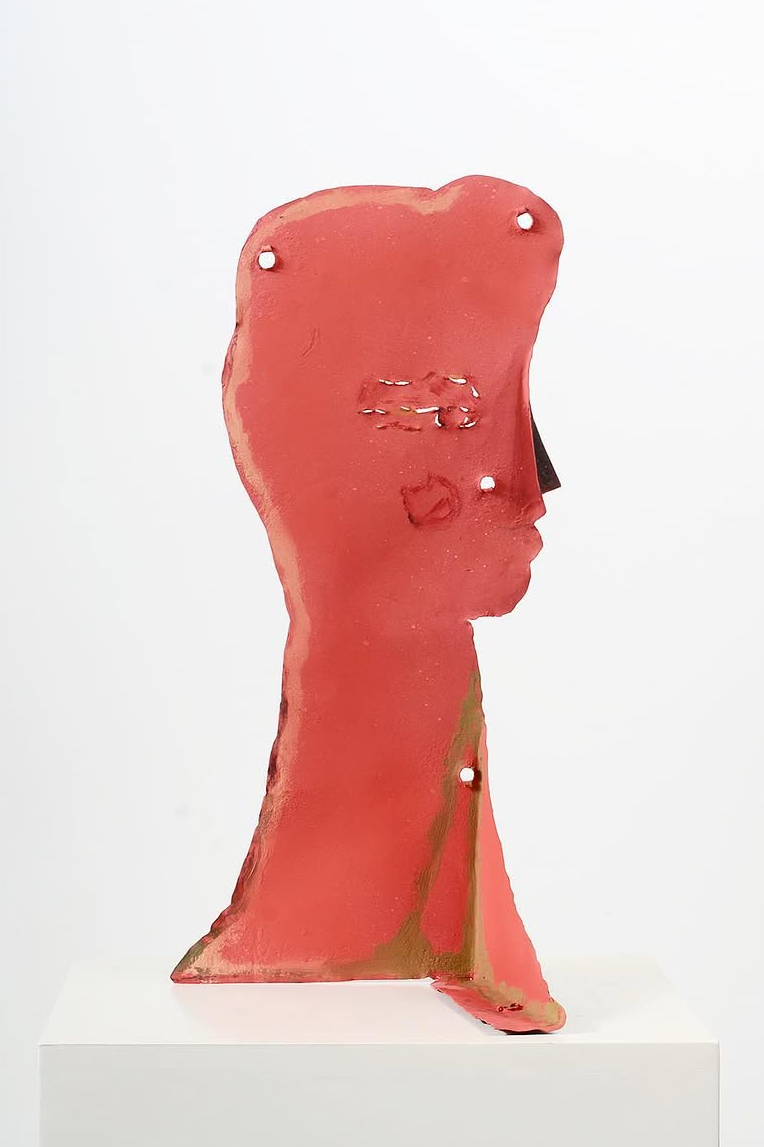
Across much of Bander Alahmari’s work, the human figure returns again and again. Bodies, faces, and gestures become carriers of emotion, allowing the artist to explore what may remain unspoken.
Q: Is there a theme or symbol that repeatedly appears in your work?
Bander: The human figure appears prominently in most of my works.
Q: Why is this theme important to your work?
Bander: Perhaps because the human being is at the center of my visual and intellectual interests at this stage of my practice. I see the body, facial features, and gestures as a visual language capable of communicating things that are difficult to express through words. This is why the human figure repeatedly appears in my work as a means of communicating with the viewer and encouraging deeper contemplation.
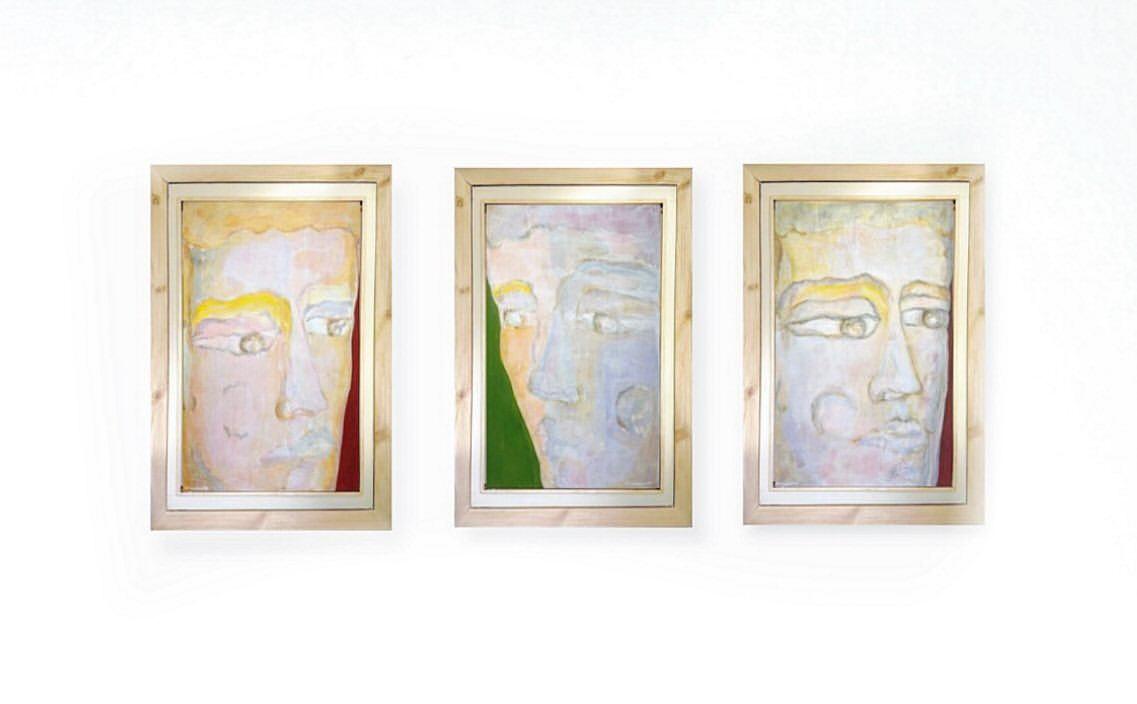
For Bander Alahmari, the relationship between artwork and audience does not always depend on a fixed interpretation. Some works remain deliberately open, while others carry a more direct message.
Q: When someone spends time with your work, what do you hope stays with them?
Bander: I hope my work gives each viewer an opportunity to reflect and think, and that they find within it something that connects with their own experience and with that hidden part of themselves. I believe that an artwork can carry different meanings depending on the person experiencing it, so in some of my works I intentionally leave space for interpretation and personal interaction.
At the same time, I also create works that begin with specific subjects and clear messages. In those cases, I try to communicate a particular idea more directly while maintaining the visual and aesthetic qualities that invite the viewer to engage with the work.
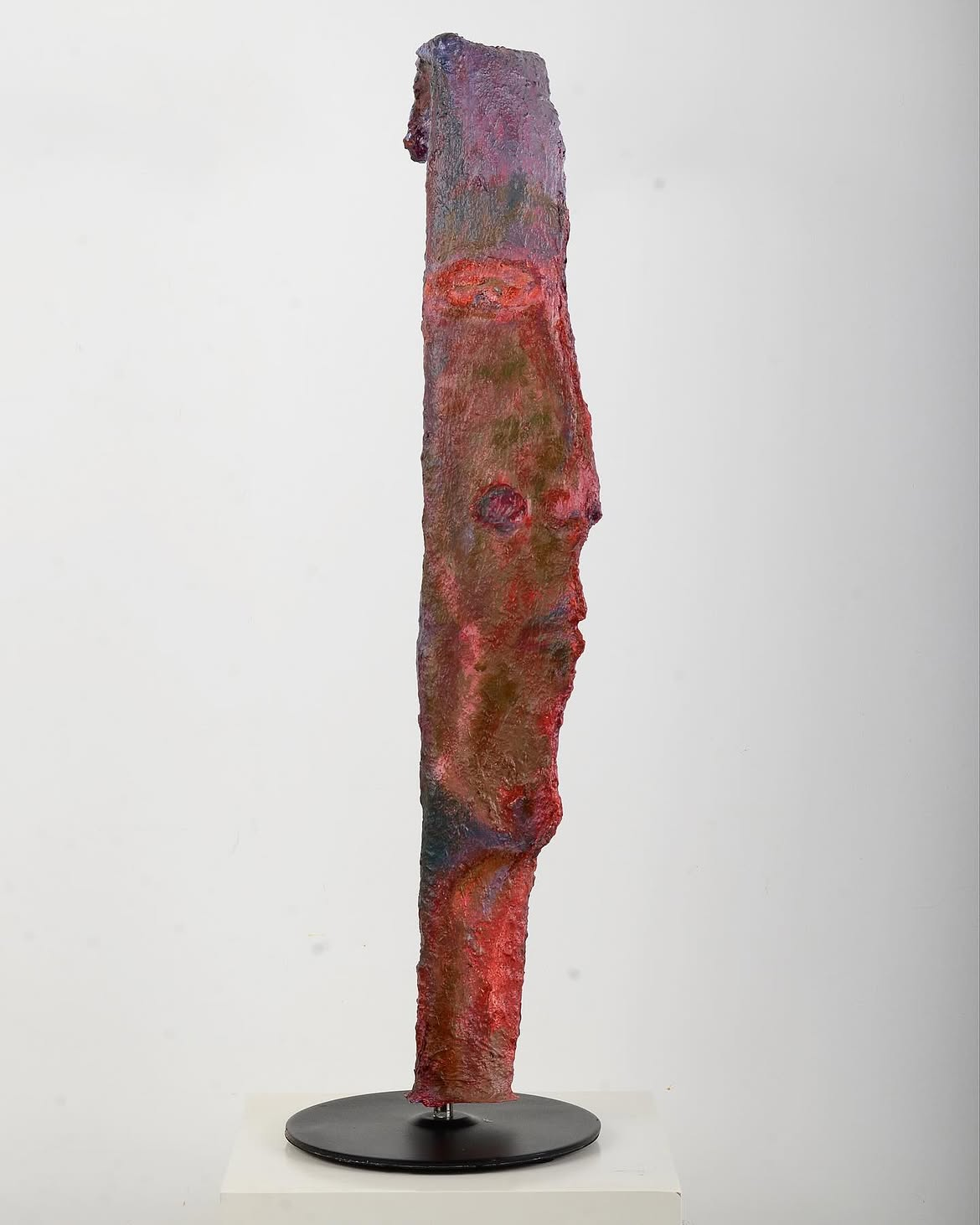
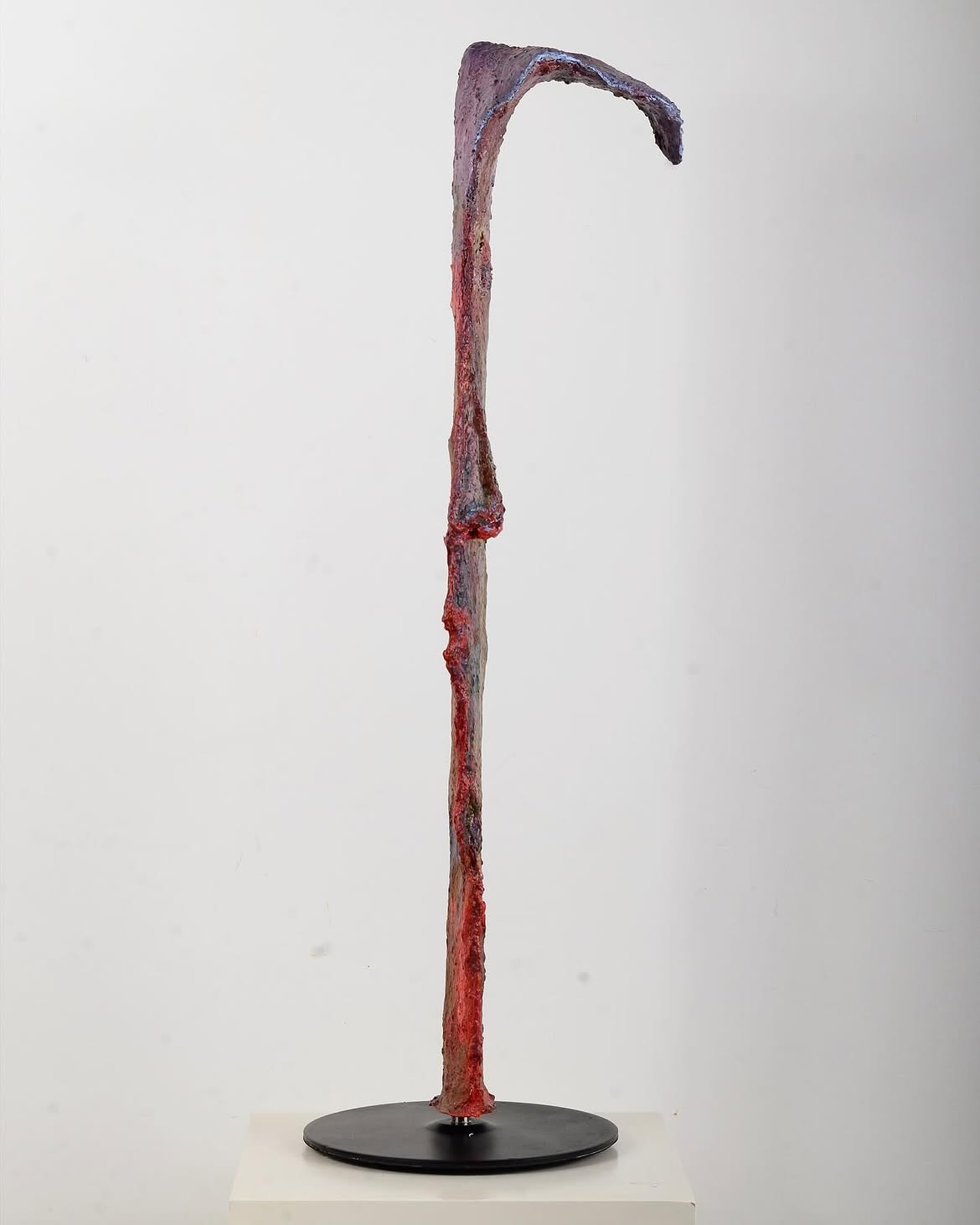
Q: How would you like your artistic practice to develop in the future?
Bander: I look forward to expanding the scope of research and experimentation within my artistic practice and exploring new subjects that can enrich my vision and open up different possibilities for expression. I also hope to develop projects that are deeper and broader conceptually, while continuing to work with a variety of materials and media in ways that serve the idea and give each work new visual and experimental dimensions.
What gives Bander Alahmari’s practice particular resonance is his understanding of the present as something already becoming history. His work does not attempt to define Saudi culture through a single visual vocabulary. Instead, it asks what it means to document a culture while it is still changing, absorbing new influences, and being shaped by the everyday experiences of those living within it.
For Alahmari, the contemporary is not separate from cultural memory. It is the next layer of it. Just as previous generations left behind images and objects that now help us understand how they lived, he sees today’s artistic practice as a way of leaving evidence of this moment for those who will encounter it later.
Stay close to Bander Alahmari’s moving materials, concepts, and upcoming exhibitions on his social platforms at @bander.alahmari
We’d love to hear from you! Reach out to share your own artistic journey.