An Artist in Dialogue: Abdullah Talal
Meet Saudi artist Abdullah Talal and discover how Plasticism explores beauty, identity, texture, and the search for individuality.

Meet Saudi artist Abdullah Talal and discover how Plasticism explores beauty, identity, texture, and the search for individuality.
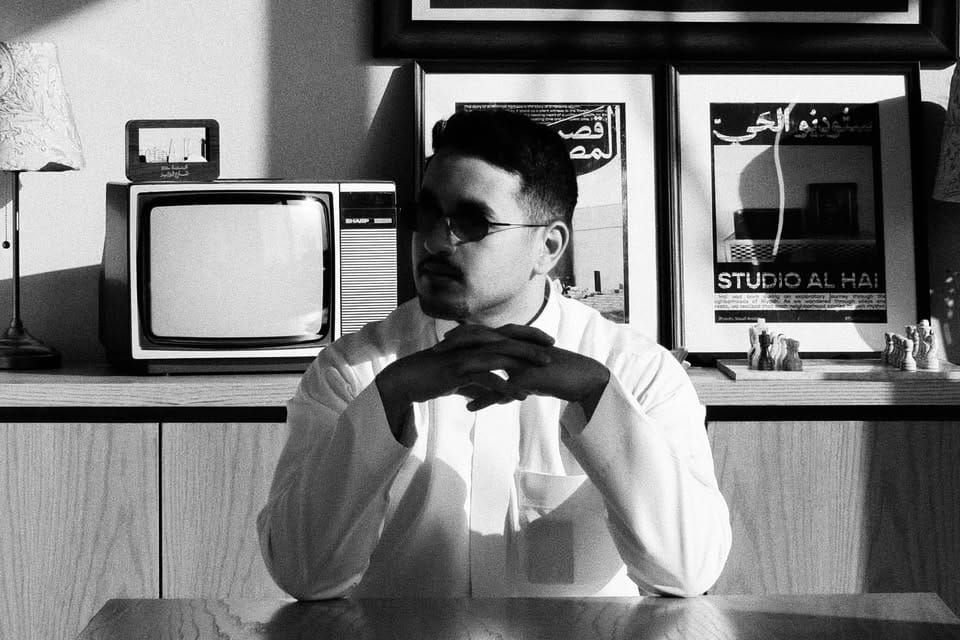
“I am inspired by the social changes happening around us, particularly the way global beauty standards influence identity across different cultures.”
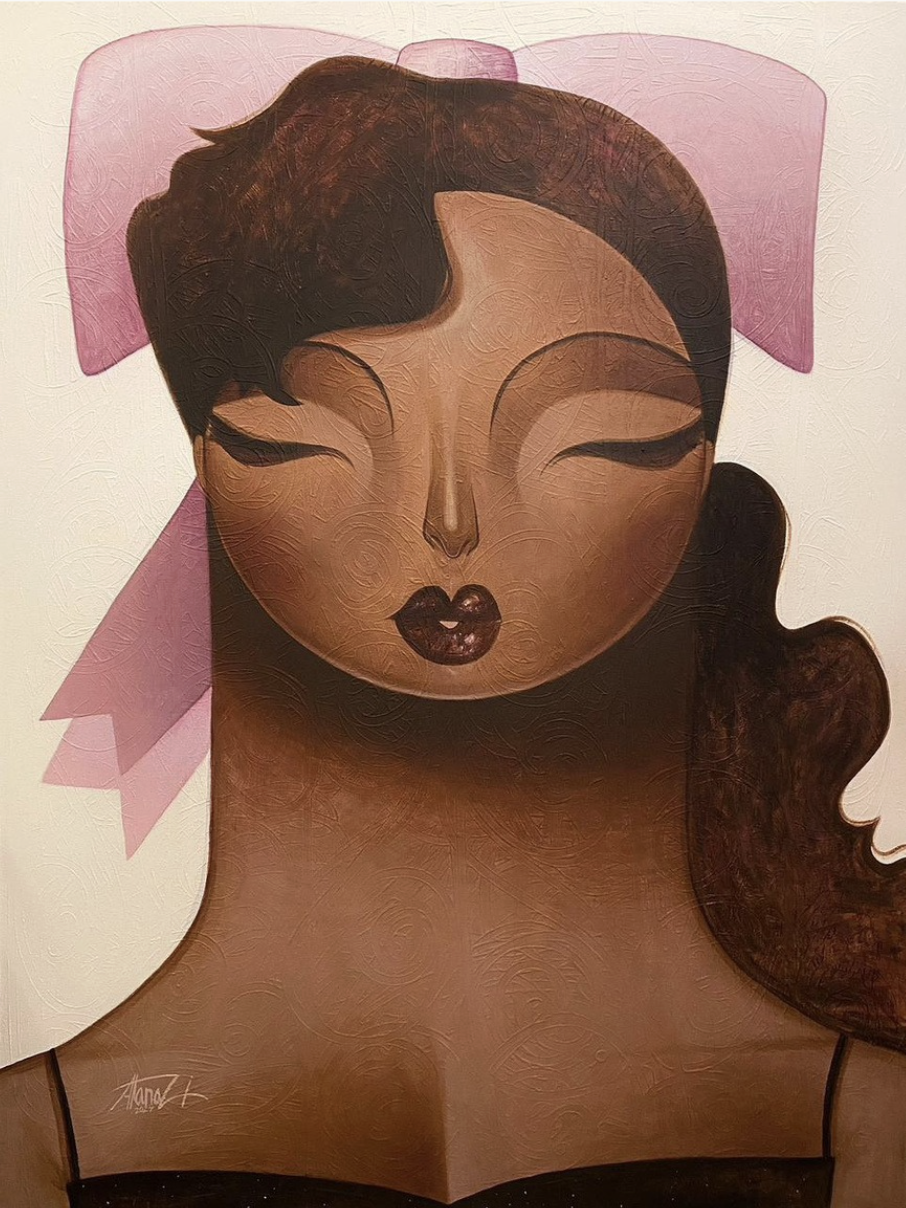
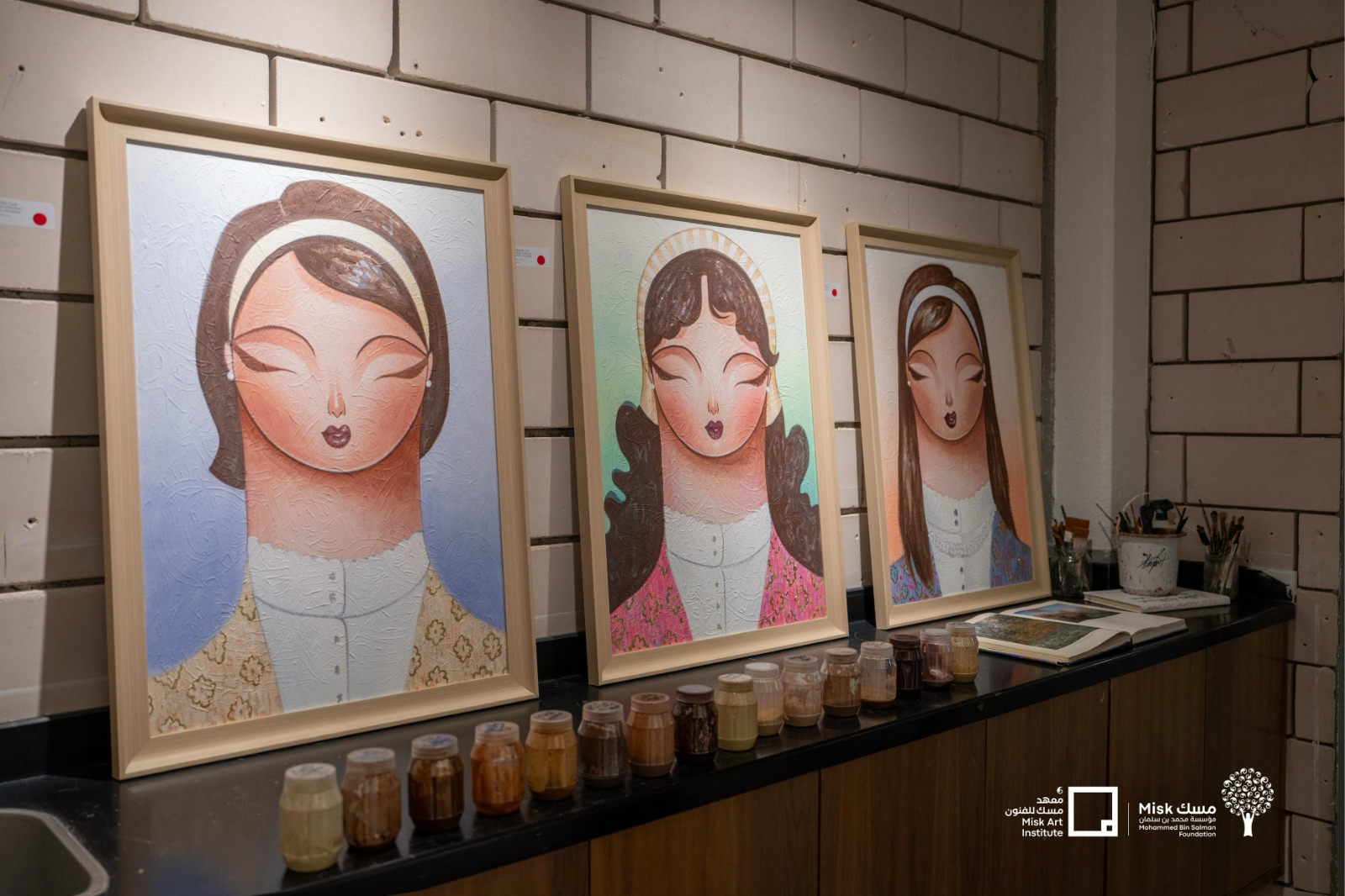
Born in Riyadh in 2004, Abdullah Talal belongs to a new generation of Saudi artists responding to a world in rapid visual and cultural transformation. Through women with exaggerated features, closed eyes, contemporary fashion, poetry, and richly textured surfaces, Abdullah explores the growing influence of universal beauty ideals. His paintings do not pass judgment on cosmetic transformation. Instead, they document the emotional and cultural pressures shaping how beauty is understood today.
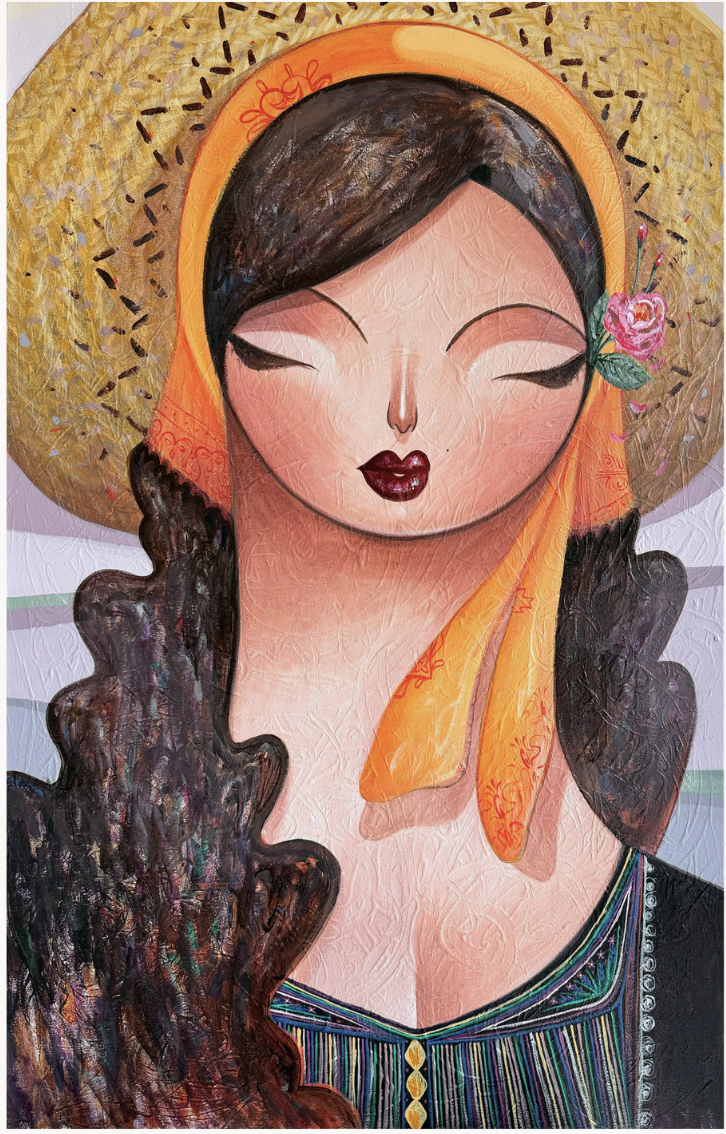
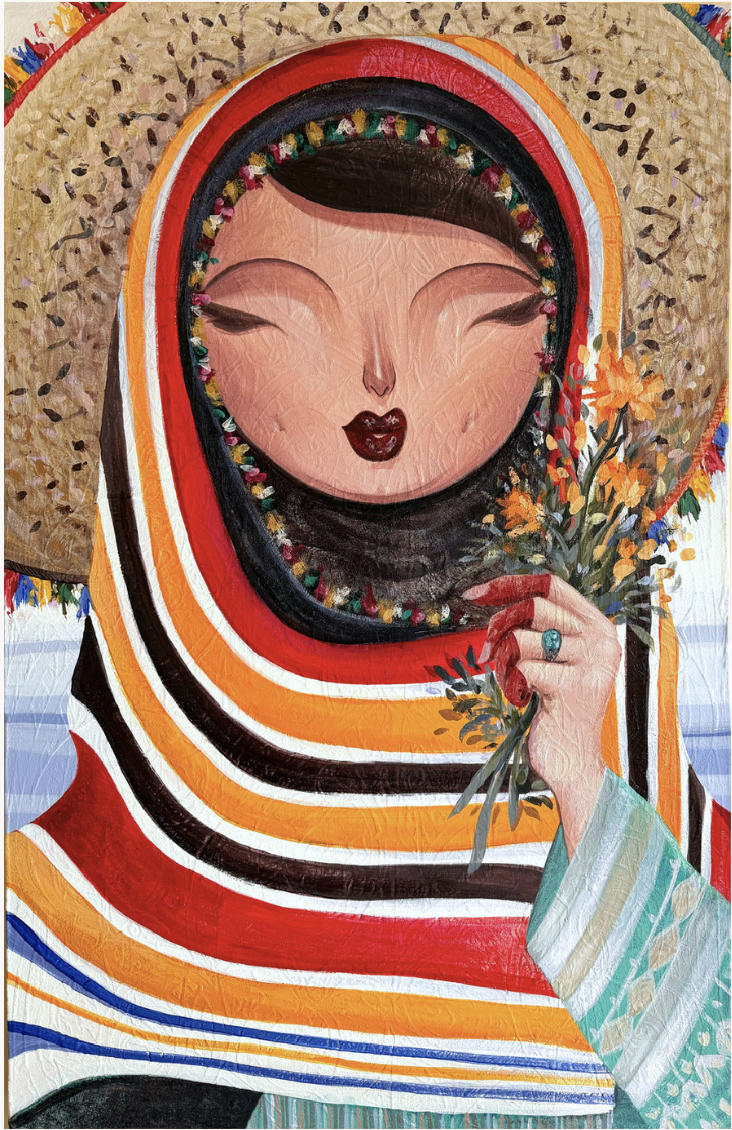
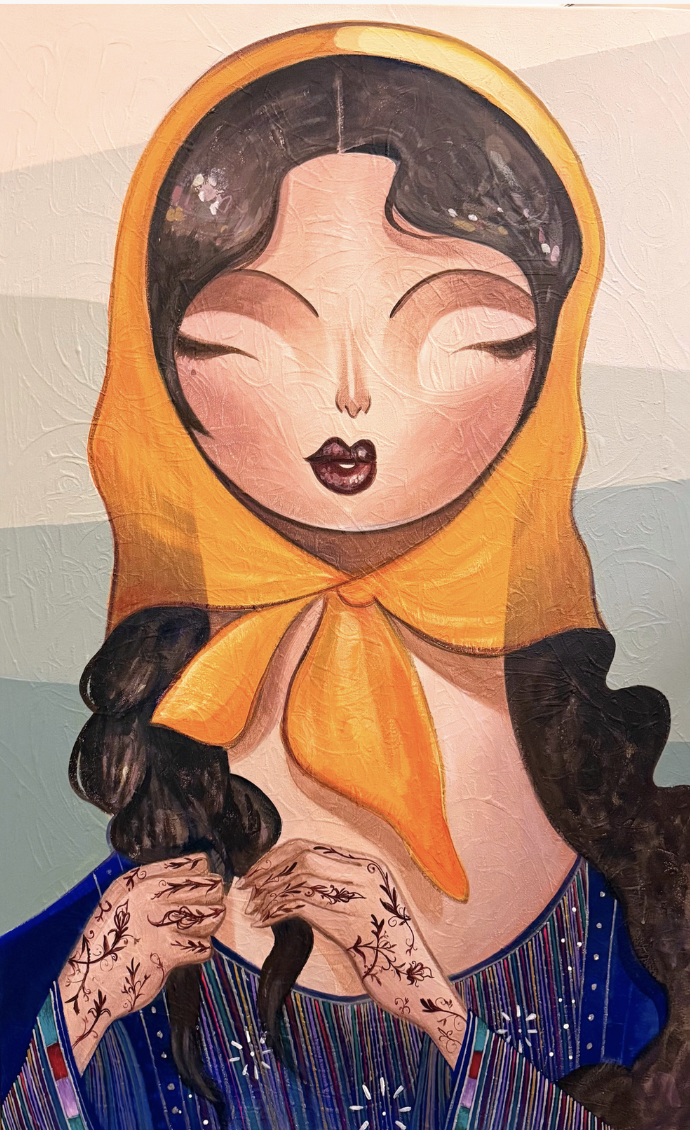
Collection of Saudi Southern Women, Acrylic on Canvas, 2025.
Q: What are your earliest memories of creating art?
Abdullah: My journey with art began long before I understood what being an artist meant. As a child, I often found myself alone at home while my older siblings were at school and my parents were at work. One day, I became fascinated by a children’s television program that taught drawing. What started as a way to fill quiet afternoons quickly became a passion.
Q: How did your family respond to your interest in drawing?
Abdullah: My parents noticed my dedication and encouraged me by buying me drawing materials, allowing my curiosity to grow into something much deeper. For years, drawing was simply something I loved.
Q: When did art begin to feel like more than a personal hobby?
Abdullah: It was not until high school, after getting my first car, that I began visiting art exhibitions across Saudi Arabia. Meeting artists and experiencing the local art scene inspired me to pursue exhibiting my own work.
Q: When did you first present your work publicly?
Abdullah: My first exhibition came in 2022. That experience allowed me to see my work outside the privacy of the studio and understand how viewers could form their own emotional relationships with it.
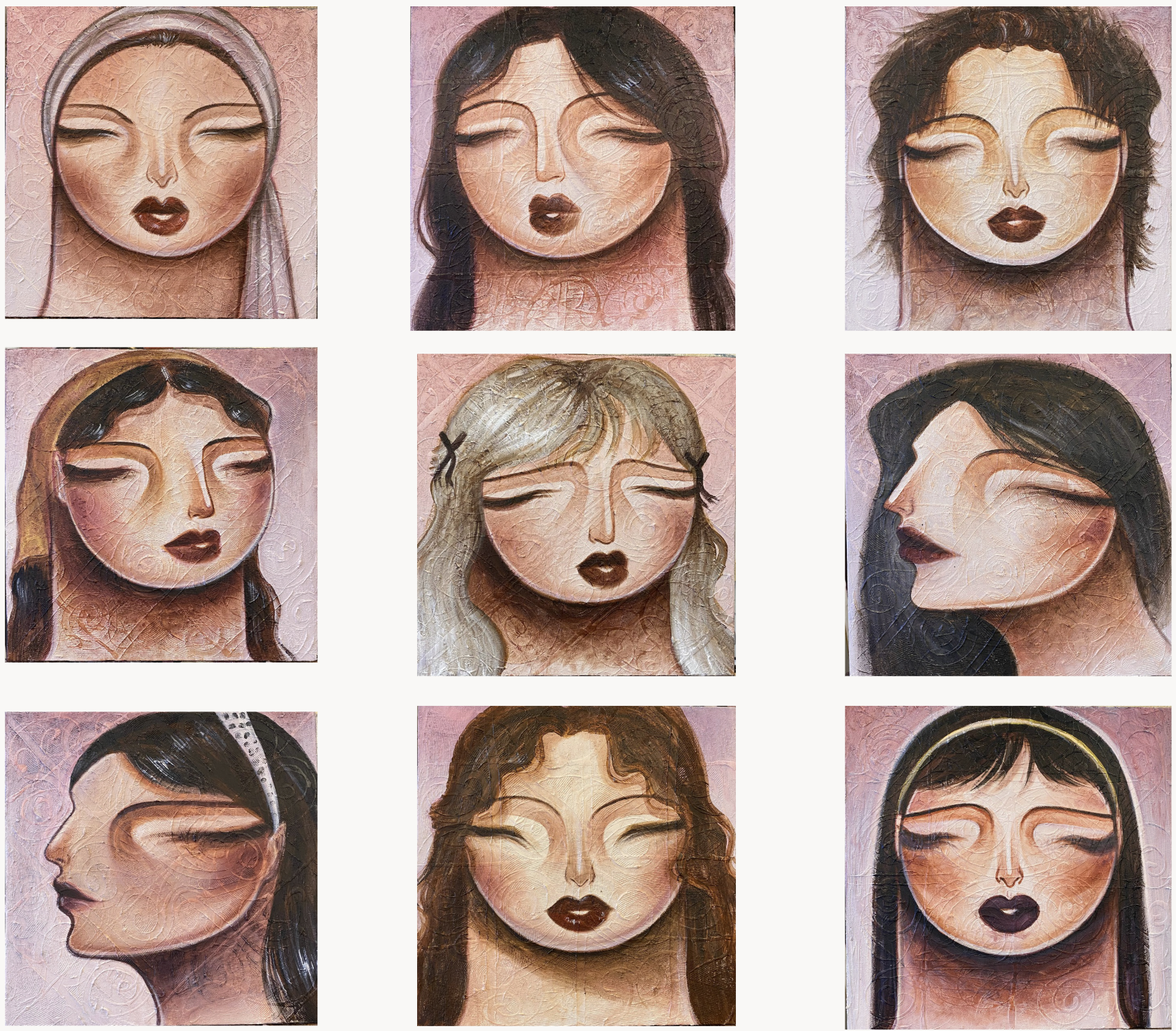
Q: Was there a defining moment that changed the direction of your artistic practice?
Abdullah: A defining turning point came in 2023. At the time, I had been working hard toward my dream of studying medicine and becoming a plastic surgeon. When that path unexpectedly changed, the disappointment transformed into artistic research rather than defeat.
Q: How did that experience lead to the development of Plasticism?
Abdullah: That experience led me to develop what I call Plasticism, my own artistic language. Through women with exaggerated features, luxury fashion, and eventually closed eyes, I explore how global beauty standards are reshaping identity across cultures.
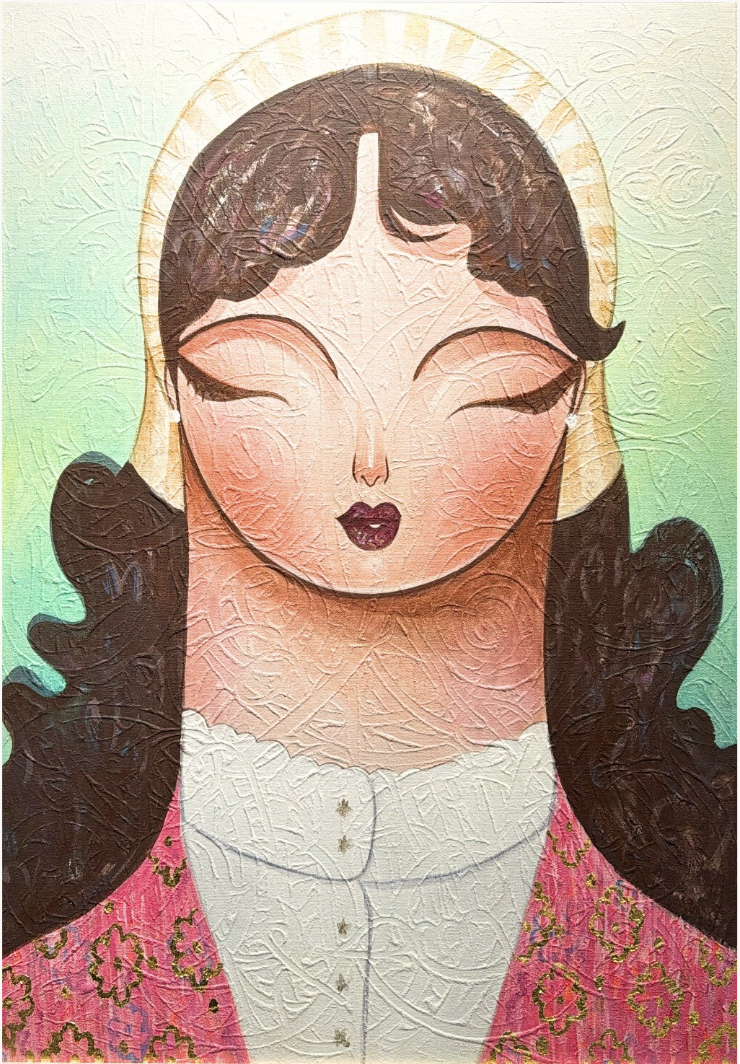
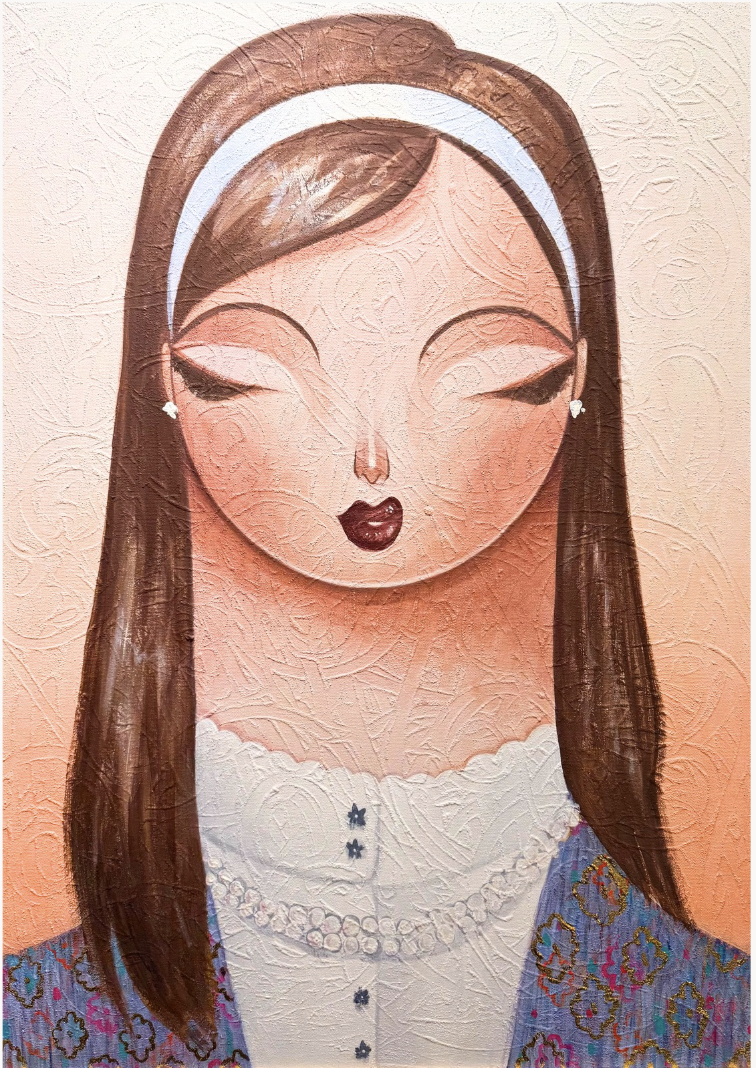
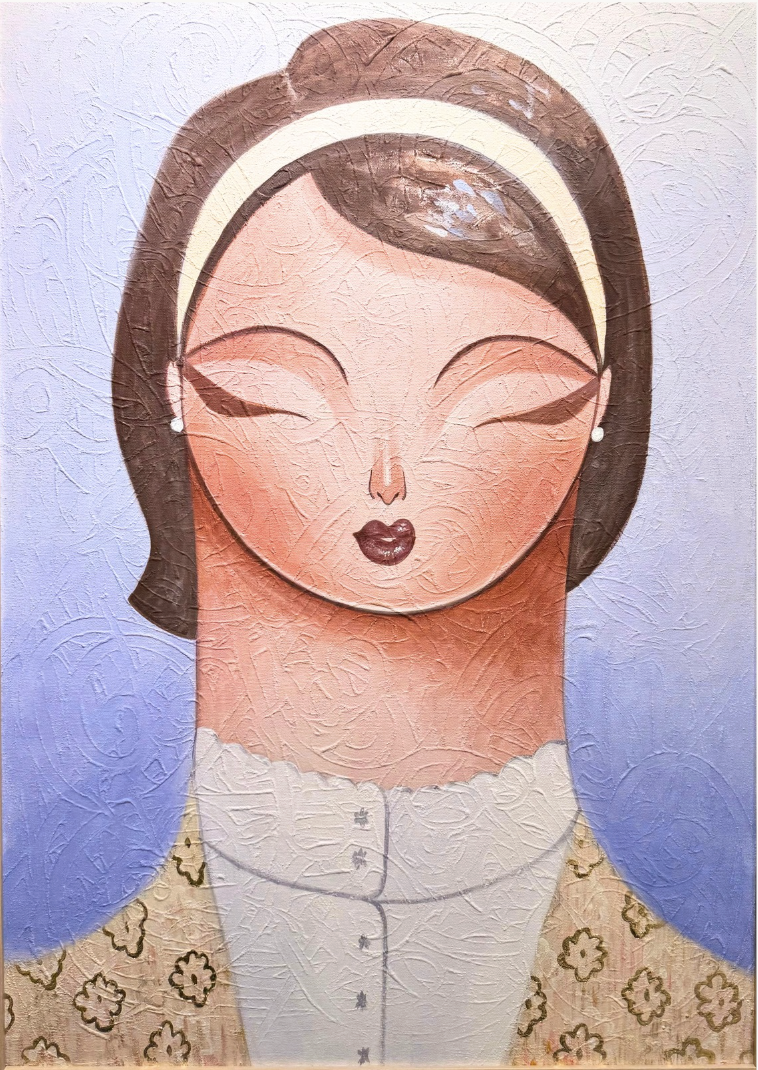
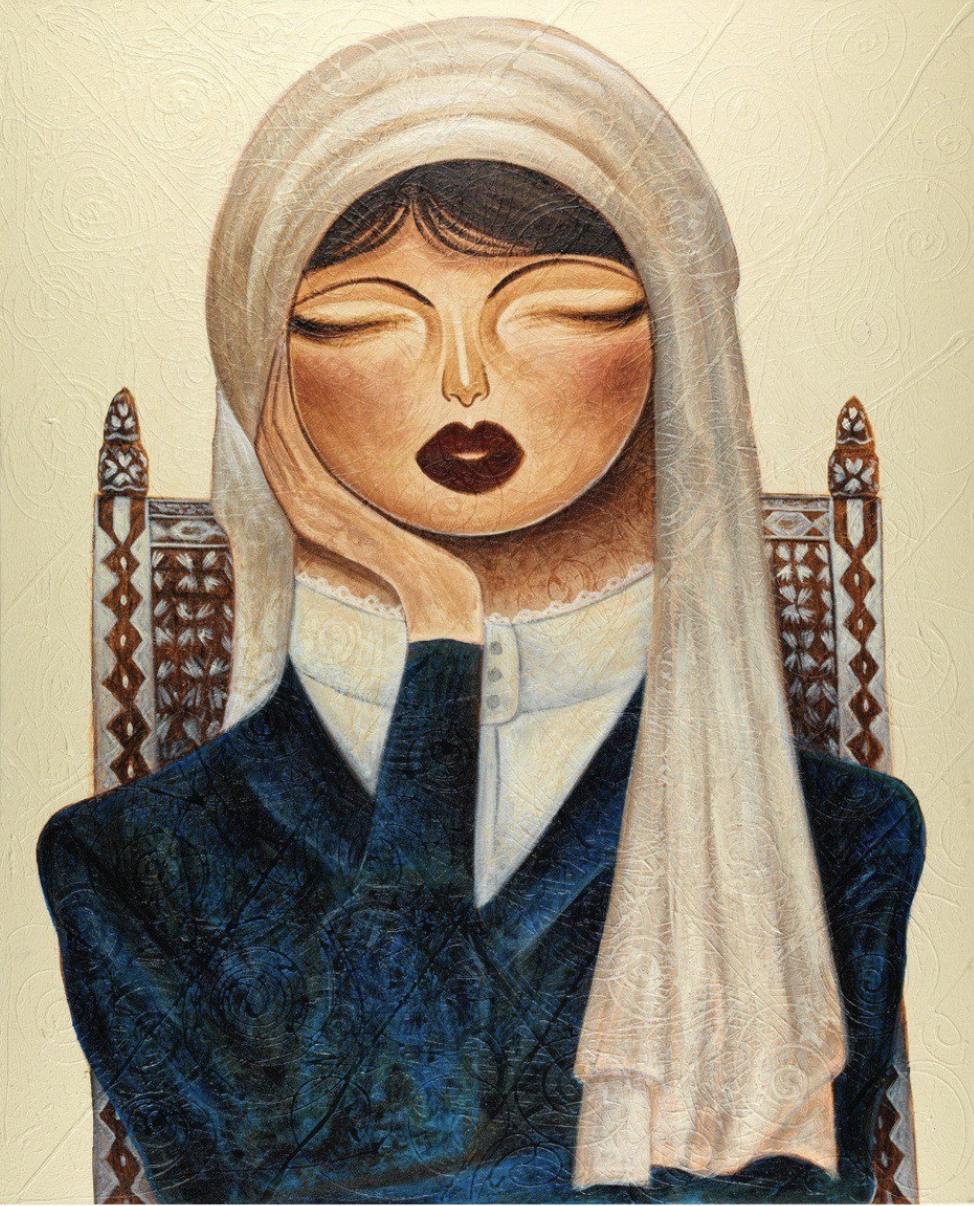
Collection of Saudi Hijazi Women, Acrylic on Canvas, 2024.
Q: How would you define Plasticism?
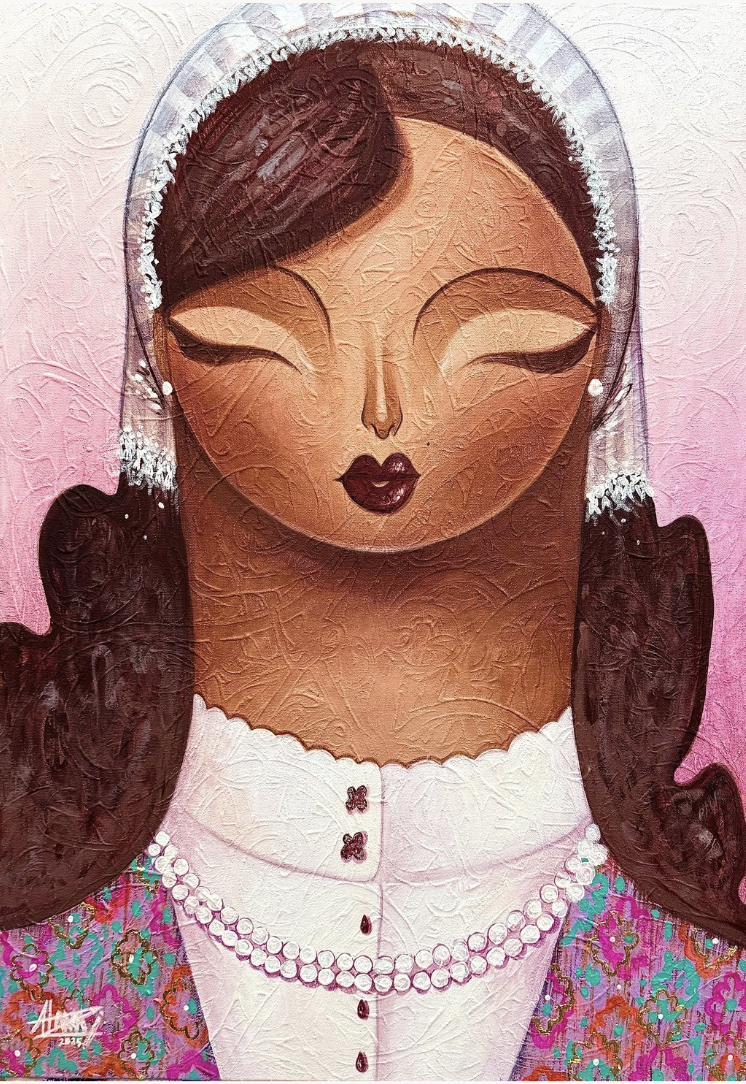
Abdullah: Plasticism is a visual language that examines contemporary beauty standards, identity, and self-perception. Its recurring elements include women with exaggerated facial features, contemporary fashion, textured surfaces, and closed eyes. Together, these symbols reflect a generation living under the pressure of pursuing an increasingly universal definition of beauty.
Q: Is Plasticism a criticism of cosmetic surgery?
Abdullah: My work is not a criticism of cosmetic surgery. Instead, it documents a generation living under the pressure of pursuing a universal definition of beauty. I want the work to encourage reflection rather than judgment.
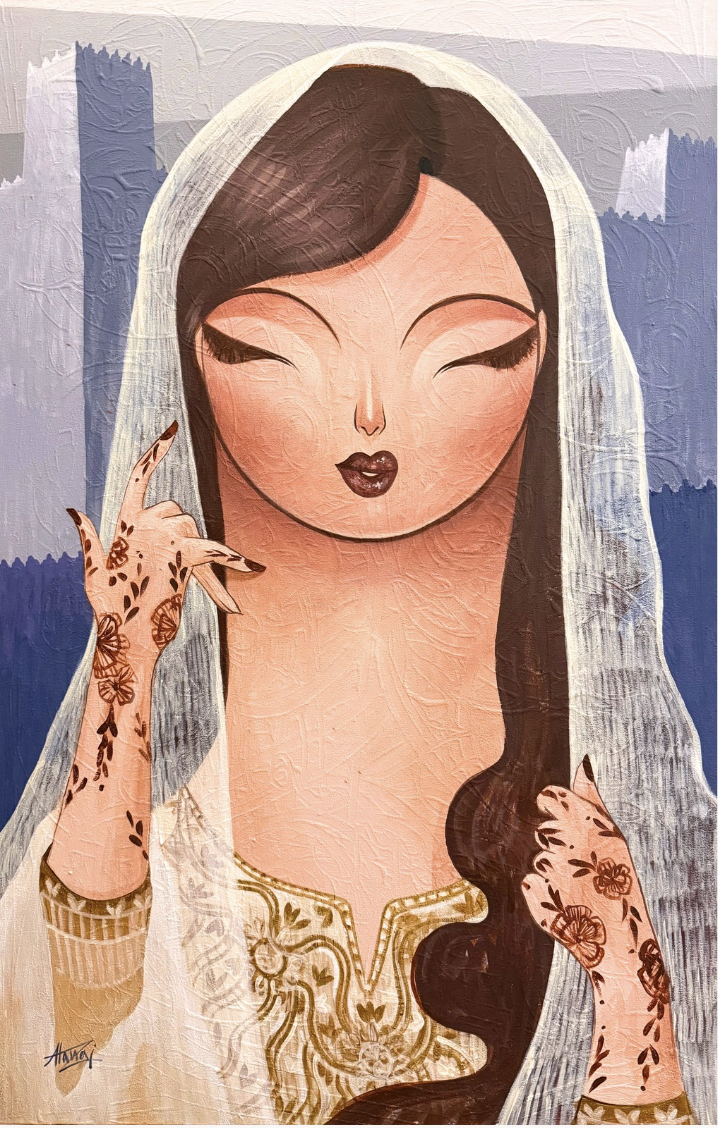
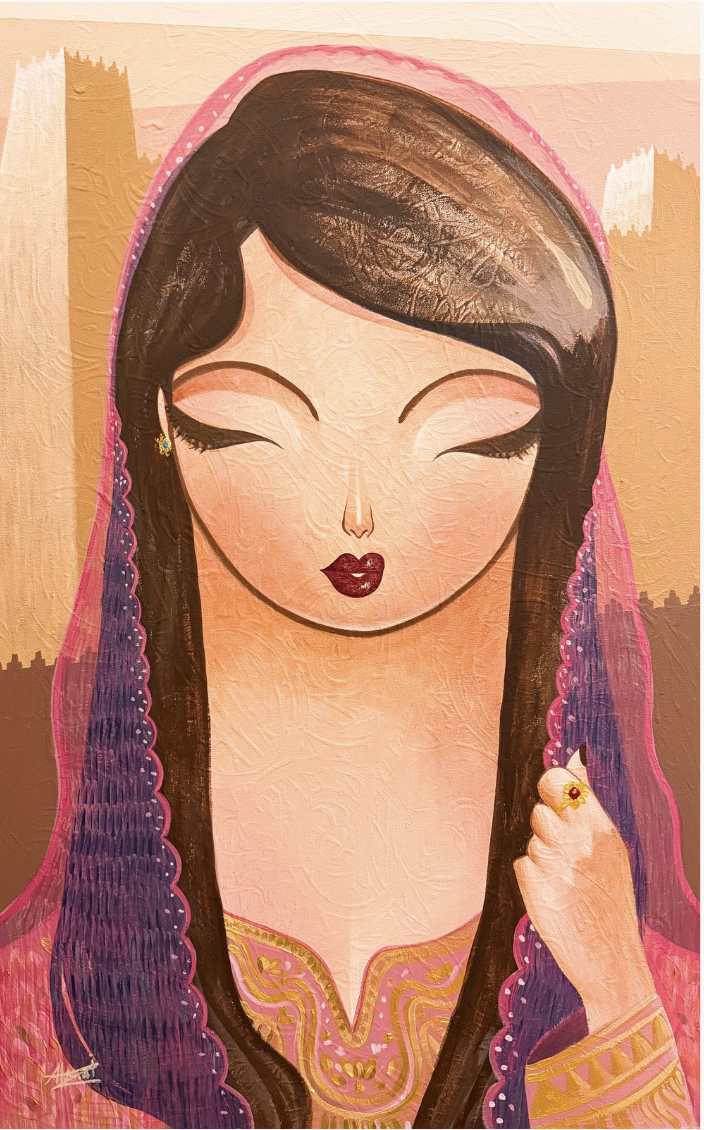
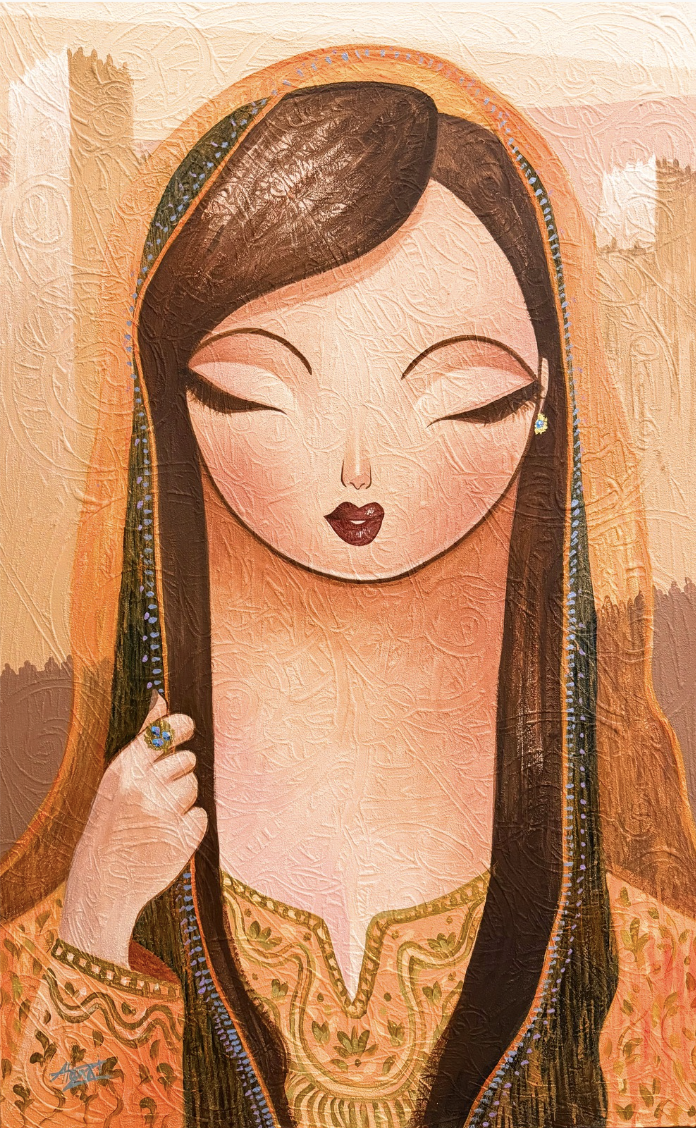
Collection of Saudi Najdi Women, Acrylic on Canvas, 2025.
Q: What inspires the ideas behind your paintings?
Abdullah: I am inspired by the social changes happening around us, particularly the way global beauty standards influence identity across different cultures. I observe how people from different backgrounds increasingly pursue the same ideals of beauty, creating a shared visual language that often overshadows individuality.
Q: What concerns you about the increasing universality of beauty standards?
Abdullah: Beauty ideals are becoming more similar across different cultures. People from very different backgrounds are increasingly pursuing the same features, styles, and appearances. This can create a shared visual language, but it can also blur individuality and cultural identity.
My own experiences and personal journey have shaped my perspective. They inspire me to transform personal moments into artworks that encourage reflection rather than judgment.
Q: Why is the subject of beauty so important to you?
Abdullah: It matters to me because I have personally witnessed how ideas of beauty can shape dreams, identity, and self-perception. My own journey taught me that beauty is far more complex than appearance alone.
Through my work, I want to document this moment in history, not to judge it, but to encourage reflection. If my paintings inspire viewers to question what beauty means to them, then the work has fulfilled its purpose.
Untitled, Acrylic on Canvas, 2024.
Q: What has been the greatest challenge in your artistic journey?
Abdullah: The greatest challenge in my artistic journey was accepting that the future I had planned for myself would not happen. For years, I worked toward studying medicine and becoming a plastic surgeon. When that dream came to an unexpected end, I had to redefine both my identity and my purpose.
Q: How did you move forward from that experience?
Abdullah: Instead of allowing that disappointment to stop me, I transformed it into the foundation of my artistic practice. That experience led me to develop Plasticism, a visual language that explores contemporary beauty standards and identity. Looking back, what once felt like my greatest setback became the turning point that shaped my career as an artist.
Q: What is the central symbol in your work?
Abdullah: The central symbol in my work is the woman with closed eyes. She represents a generation that has grown exhausted by the endless pursuit of external beauty and has begun searching for something deeper within.
Q: What do the closed eyes represent?
Abdullah: The closed eyes symbolize the moment when the pursuit of external perfection ends and the search for inner beauty begins. They create a sense of stillness and introspection within the work.
Q: What do the exaggerated facial features symbolize?
Abdullah: I use exaggerated facial features as visual symbols of how global beauty standards have become increasingly universal. They reflect the features and proportions that are repeatedly presented as desirable, often blurring cultural identity and individuality.
Q: Why do you include contemporary and luxury fashion in your paintings?
Abdullah: Contemporary fashion helps place the figures within the visual culture of the present. It reflects how beauty, status, aspiration, and identity are often communicated through appearance. Alongside the exaggerated features, it contributes to the wider language of Plasticism.
Q: Why are women central to your paintings?
Abdullah: The women in my paintings allow me to explore beauty as both an external image and an internal experience. They do not represent one specific person. They reflect a wider generation navigating the pressure to conform while searching for a more personal understanding of beauty and identity.
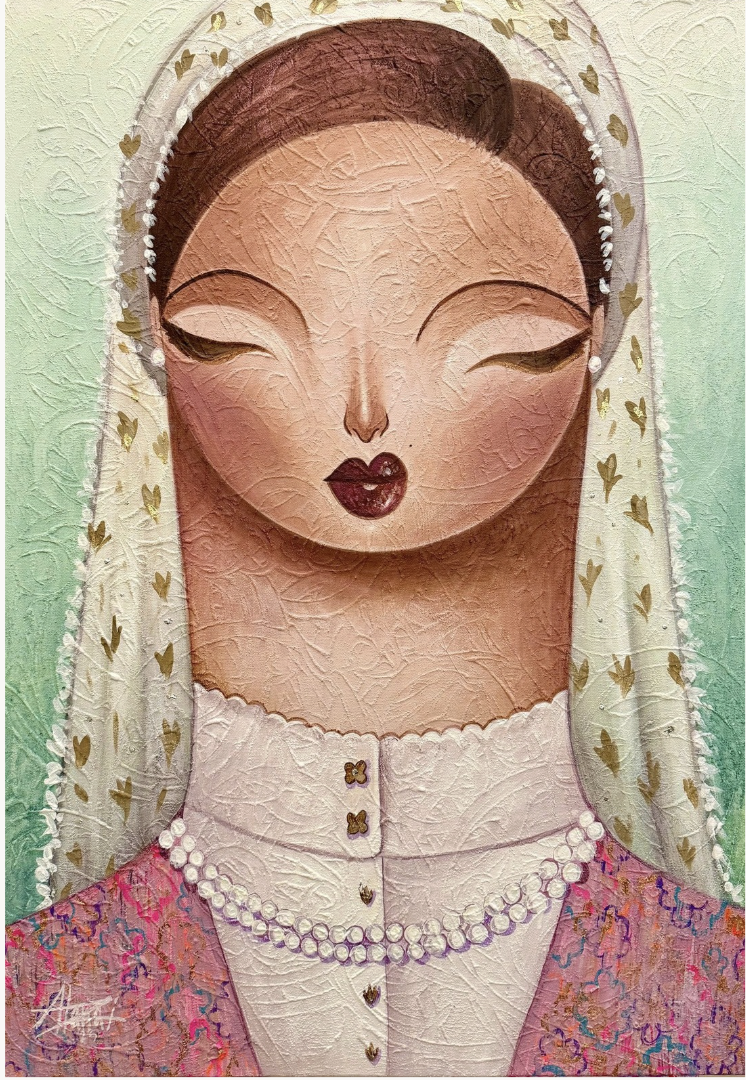
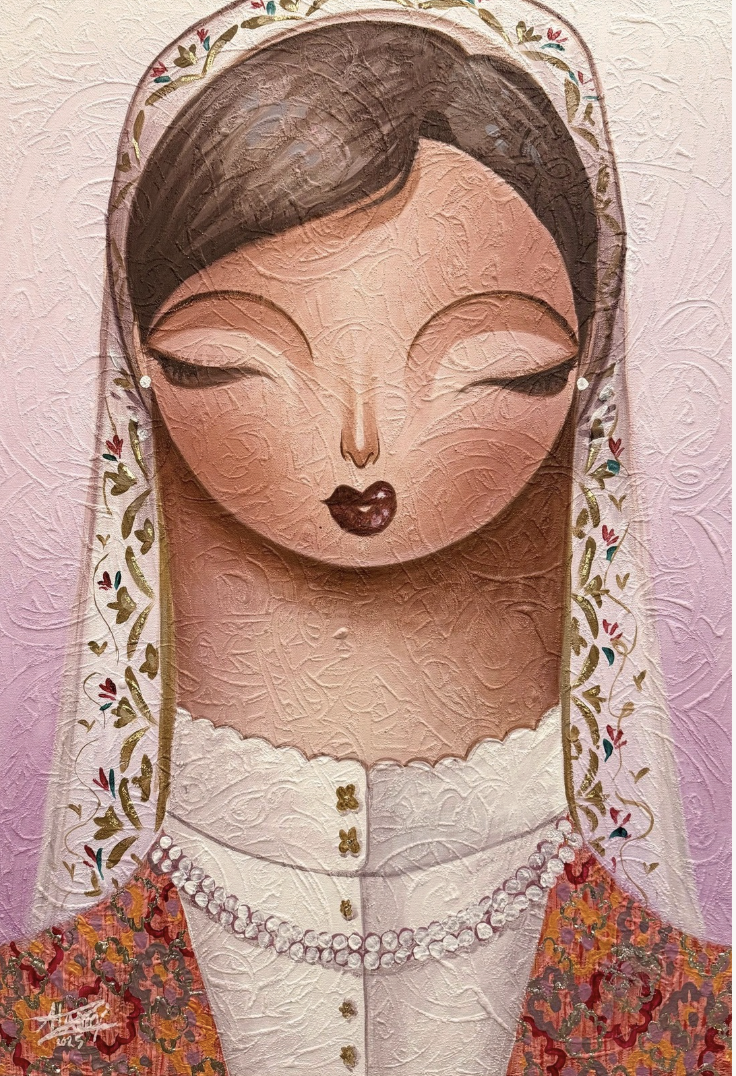
Collection of Saudi Hijazi Women, Acrylic on Canvas, 2024.
Q: What materials do you primarily work with?
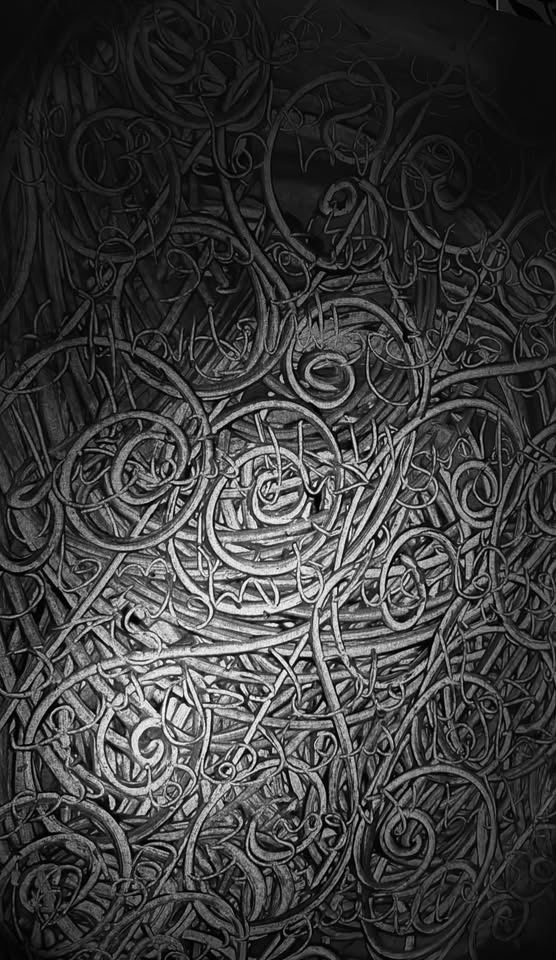
Abdullah: I primarily work with acrylic paint on canvas, combining it with gesso, textured surfaces, and natural sand. These materials allow me to build rich impasto textures that have become an essential part of my artistic language.
Q: How did your fascination with texture begin?
Abdullah: My fascination with texture began unexpectedly. One evening, I left a painting on the easel in my studio, which has a large window. As the sun began to set, the entire room filled with warm golden light. Watching the shadows move across the textured surface, I realized the painting was changing with the light. It seemed almost alive.
That moment transformed the way I approached painting. Since then, I have intentionally built every surface using gesso and natural sand to recreate that interaction between light, shadow, and texture. I continued developing it and also began incorporating Saudi poetry into my paintings as a way of preserving and celebrating Saudi art. My paintings have therefore become a combination of an idea, an artistic vision, a visual foundation, and a Saudi poem.

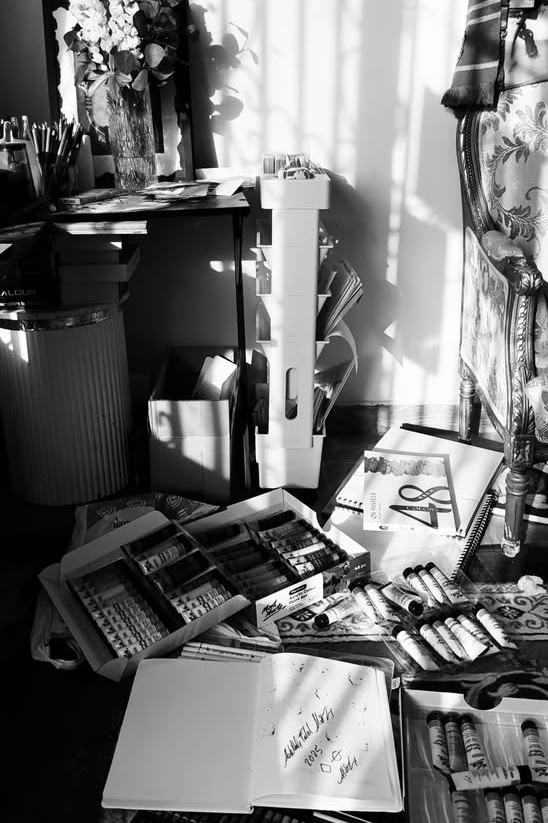
Q: What does texture contribute emotionally to the work?
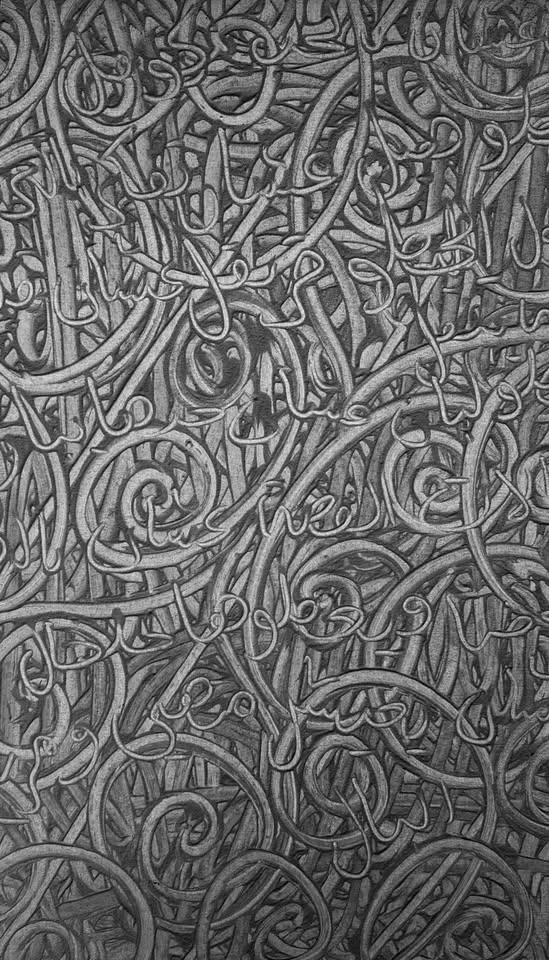
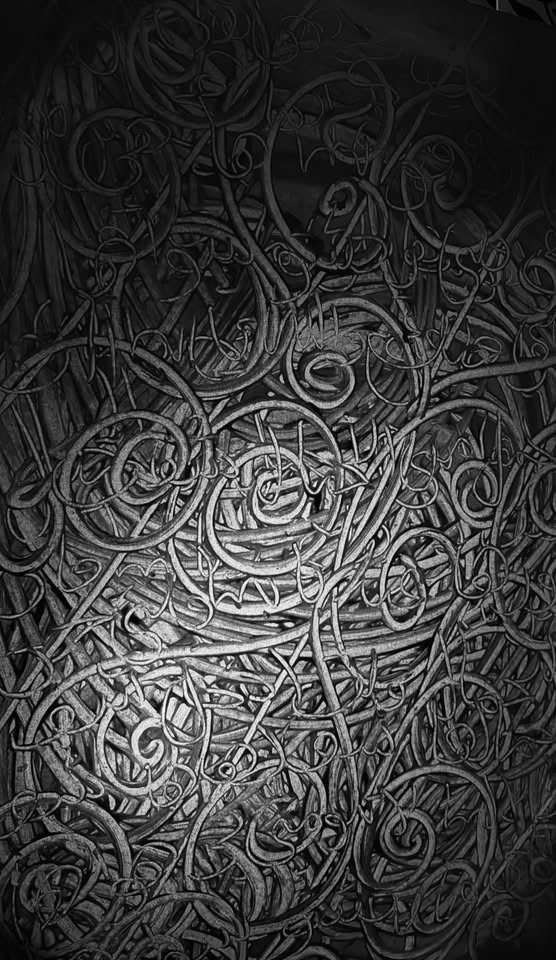
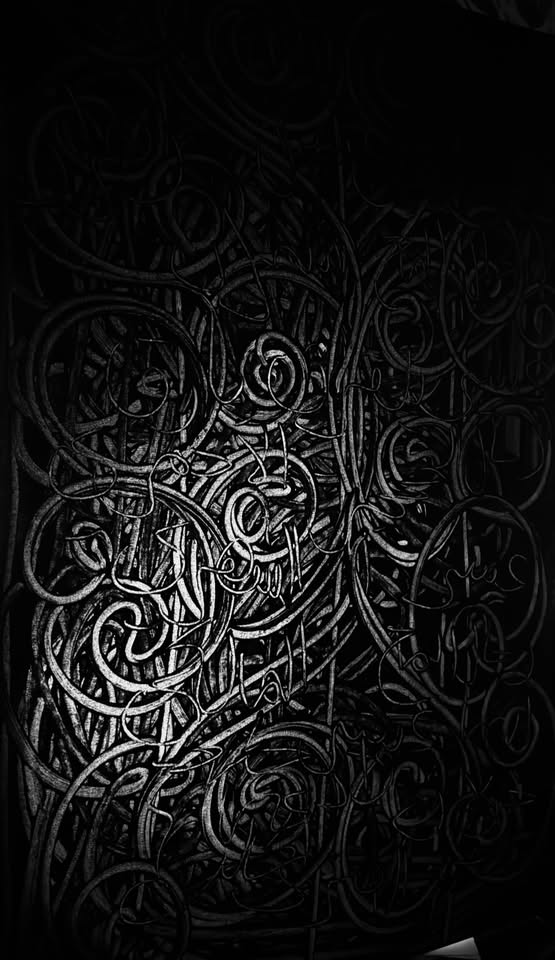
Abdullah: For me, texture is not merely a visual element. It is an emotional one. It invites the viewer to experience the painting rather than simply observe it. As the light changes, different parts of the surface become visible. The work continues to reveal itself depending on the viewer’s position and the surrounding environment.
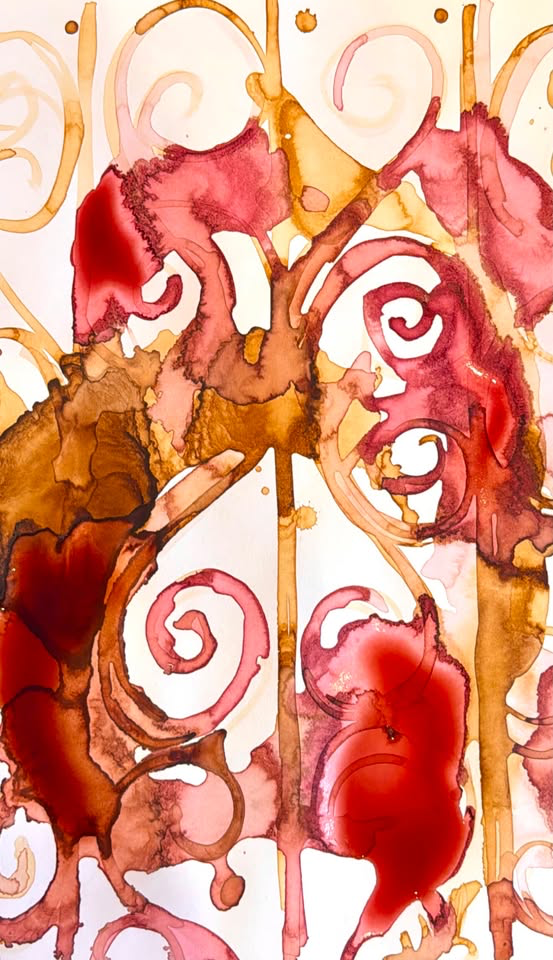
Q: What role does language play in your paintings?
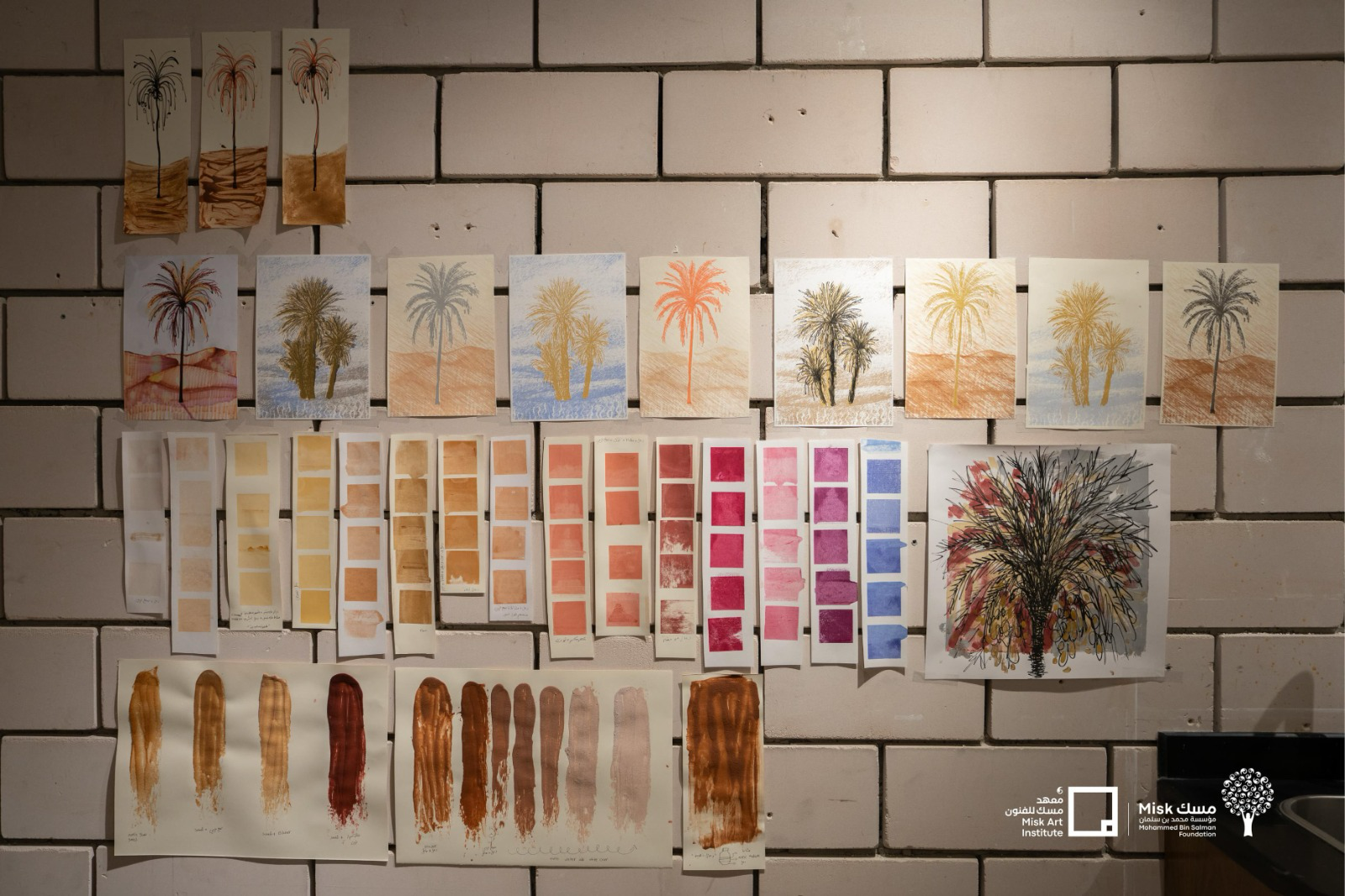
Abdullah: I incorporate selected poems and verses into my compositions, allowing language to exist alongside image and material. Each work becomes a meeting point between a universal idea, poetry, and physical texture. Concept, emotion, image, and material exist as one unified visual language. The poetry adds another layer of meaning. It allows the viewer to encounter the work visually, emotionally, and linguistically.
Q: How has the Saudi art community responded to Plasticism?
Abdullah: Since developing this visual language, my work has received strong recognition from both the Saudi art community and the public. My entire collection presented during Misk Week 2024 was acquired. It was an important moment because it showed me that viewers were connecting with the ideas and emotions behind the work, not only with its visual appearance. My works have entered several distinguished private collections, including those of prominent and royal collectors.
Q: When did you first present your work internationally?
Abdullah: In 2025, I presented my work internationally for the first time in Paris. It marked an important milestone in my artistic journey and allowed me to introduce Plasticism to viewers from a different cultural context.
Q: What do you hope viewers experience when standing in front of your paintings?
Abdullah: More than being visually admired, I want my paintings to be deeply felt. I hope viewers form an emotional connection with the work before they admire its aesthetics. If a painting encourages someone to pause, reflect, or recognize a part of themselves within it, then it has fulfilled its purpose.
Q: Are you more interested in creating images or experiences?
Abdullah: My goal is not simply to create beautiful images, but to create experiences that stay with people long after they leave the exhibition. The texture, poetry, symbolism, and changing interaction with light are all part of that experience.
Q: How do you hope your artistic practice will evolve?
Abdullah: I want my art to continue evolving conceptually while remaining true to its core ideas. My goal is to expand Plasticism into a body of work that can contribute to international conversations about identity, beauty, and contemporary culture.
I hope to exhibit in leading museums, biennials, and international exhibitions while continuing to challenge myself creatively.
Q: What kind of legacy do you hope your work will leave?
Abdullah: More than anything, I want my work to leave a lasting emotional and intellectual impact that extends beyond borders and speaks to people from different cultures.
Abdullah Talal’s work reflects a distinctly contemporary tension. Across cultures, ideas of beauty are becoming increasingly interconnected, shaped by shared images, fashions, procedures, and digital ideals. His figures exist within this global visual culture, yet their closed eyes suggest a quiet resistance to its constant demand for visibility and perfection. They turn inward.
Through Plasticism, Abdullah does not attempt to define beauty or reject transformation. Instead, he creates space for a more personal question: what remains when external perfection no longer feels sufficient? His textured surfaces, poetic fragments, and recurring symbols invite viewers to move beyond immediate appearances. What first attracts the eye gradually reveals a deeper meditation on identity, cultural memory, aspiration, and the search for inner beauty.
Stay close to Abdullah Talal’s concepts and upcoming exhibitions on his social platforms at @abdullllahtalal.
We’d love to hear from you! Reach out to share your own artistic journey.