An Artist in Dialogue: Khaled Ibrahim Alkathiri
Meet Saudi photographer Khaled Ibrahim Alkathiri and explore his black-and-white images of culture, shadow, light, and human expression.


Meet Saudi photographer Khaled Ibrahim Alkathiri and explore his black-and-white images of culture, shadow, light, and human expression.
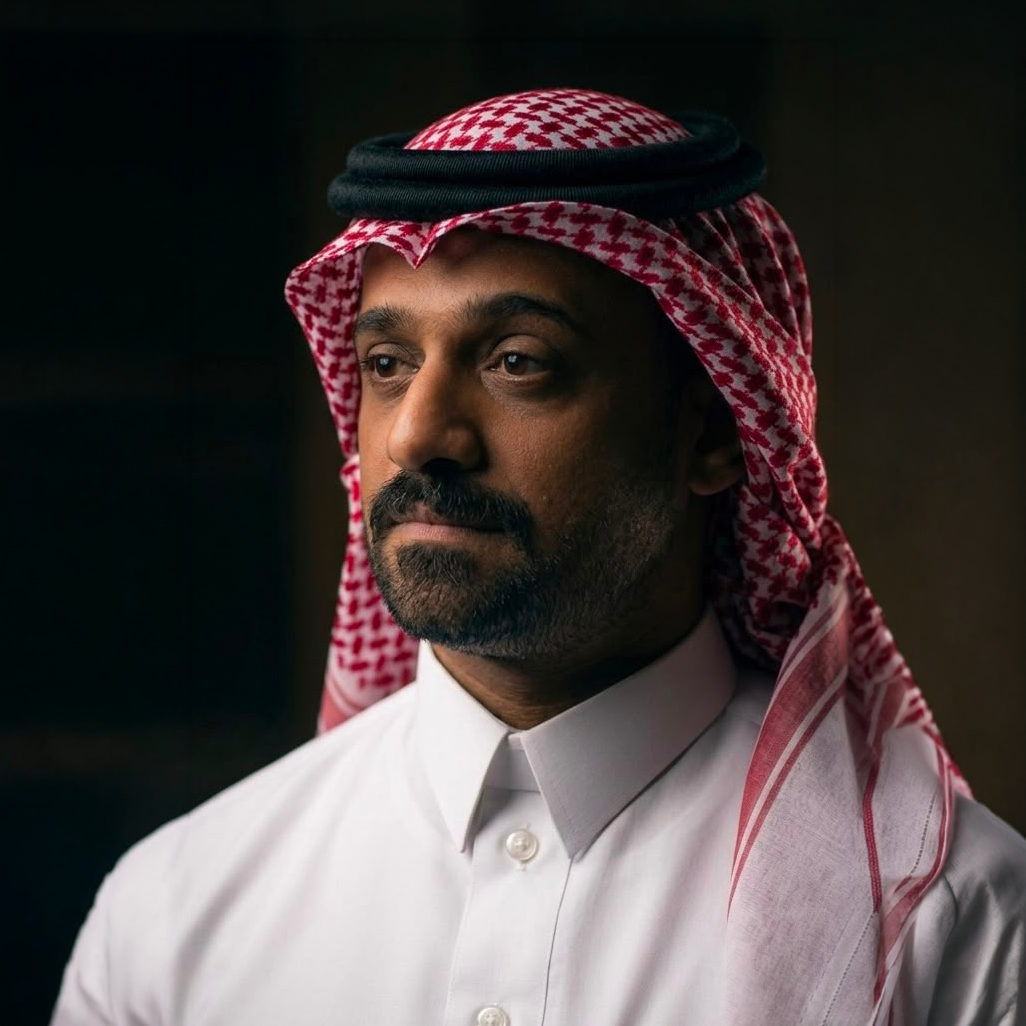
“For me, the story is always more beautiful and more important than the image itself.”
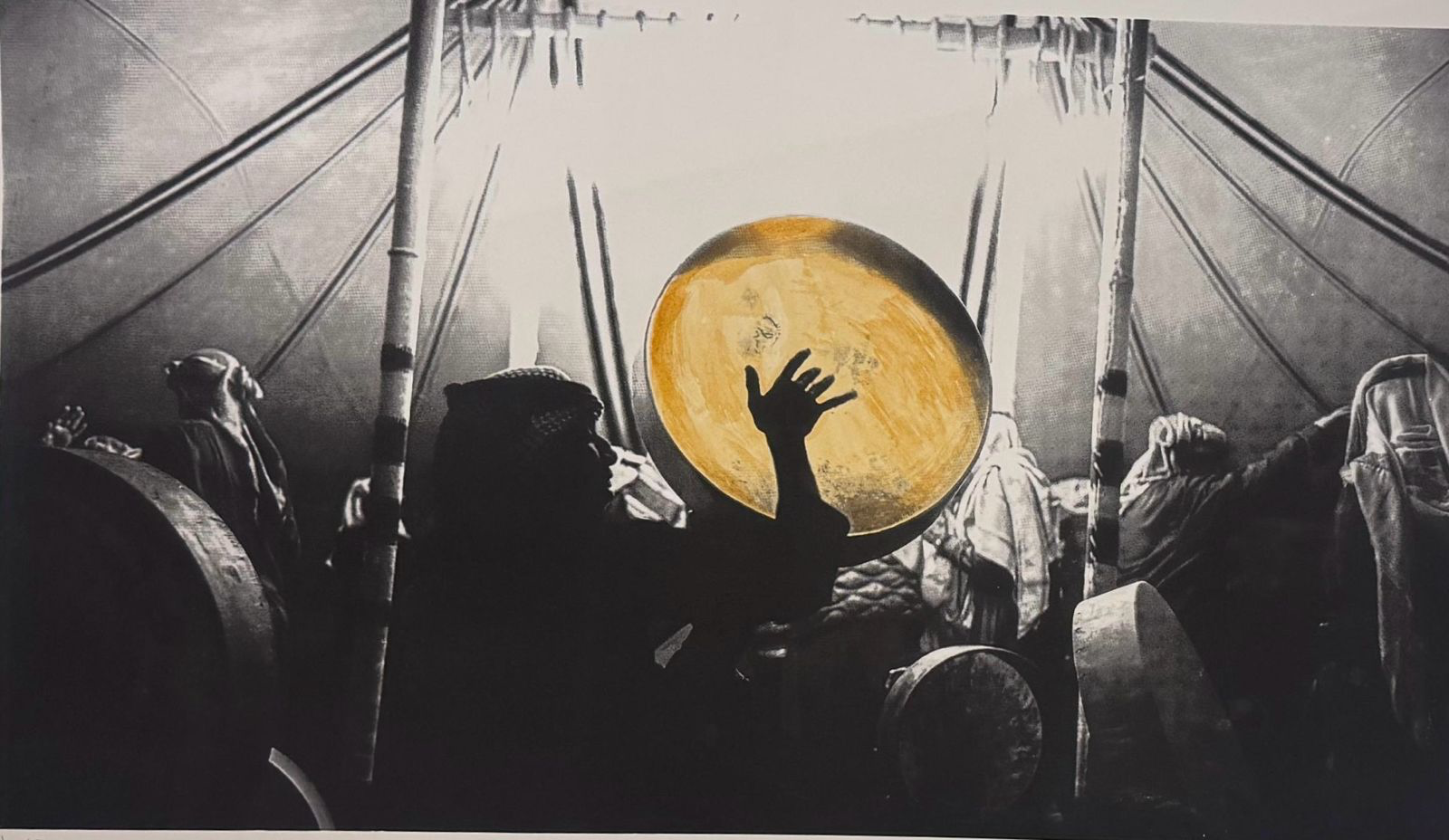
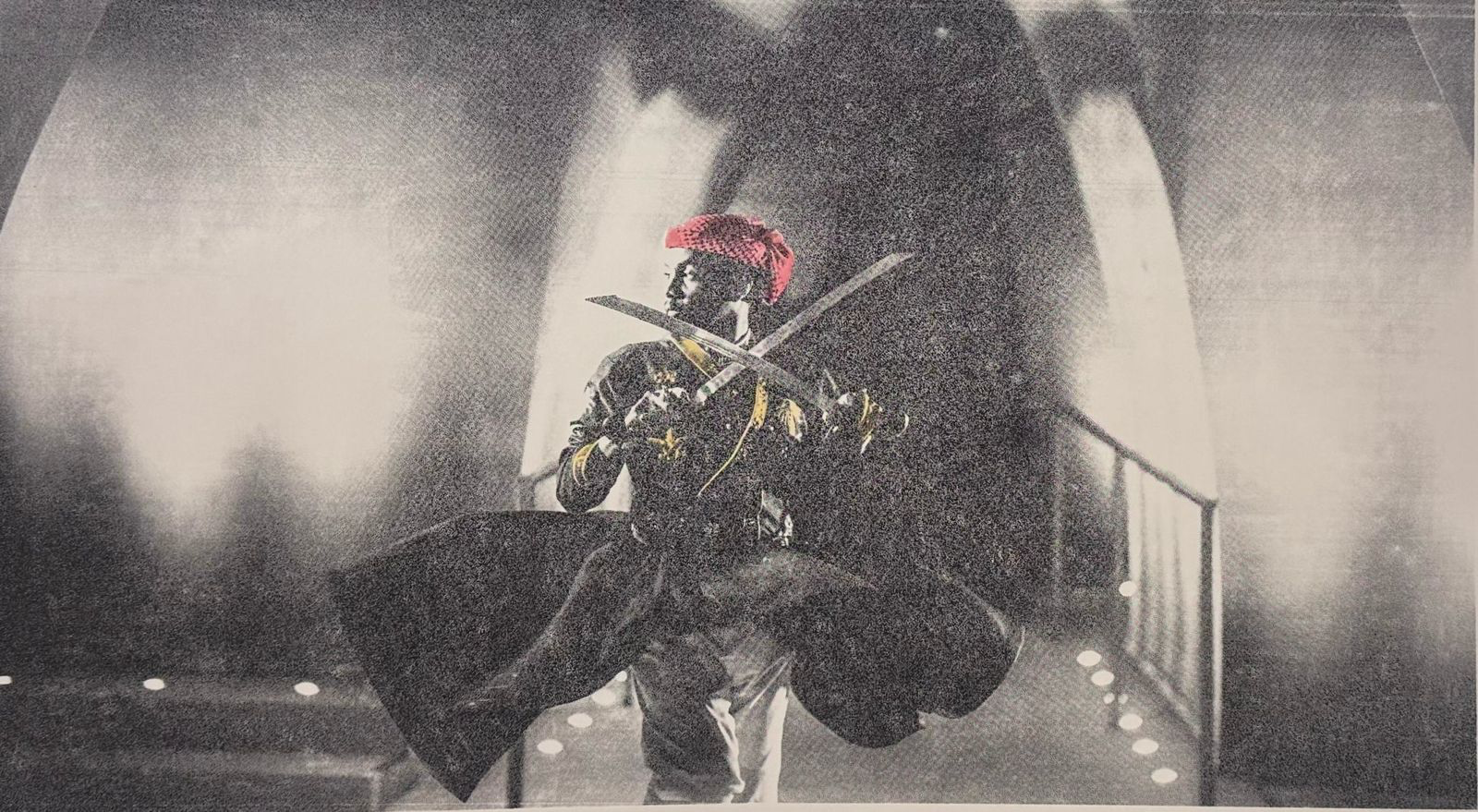
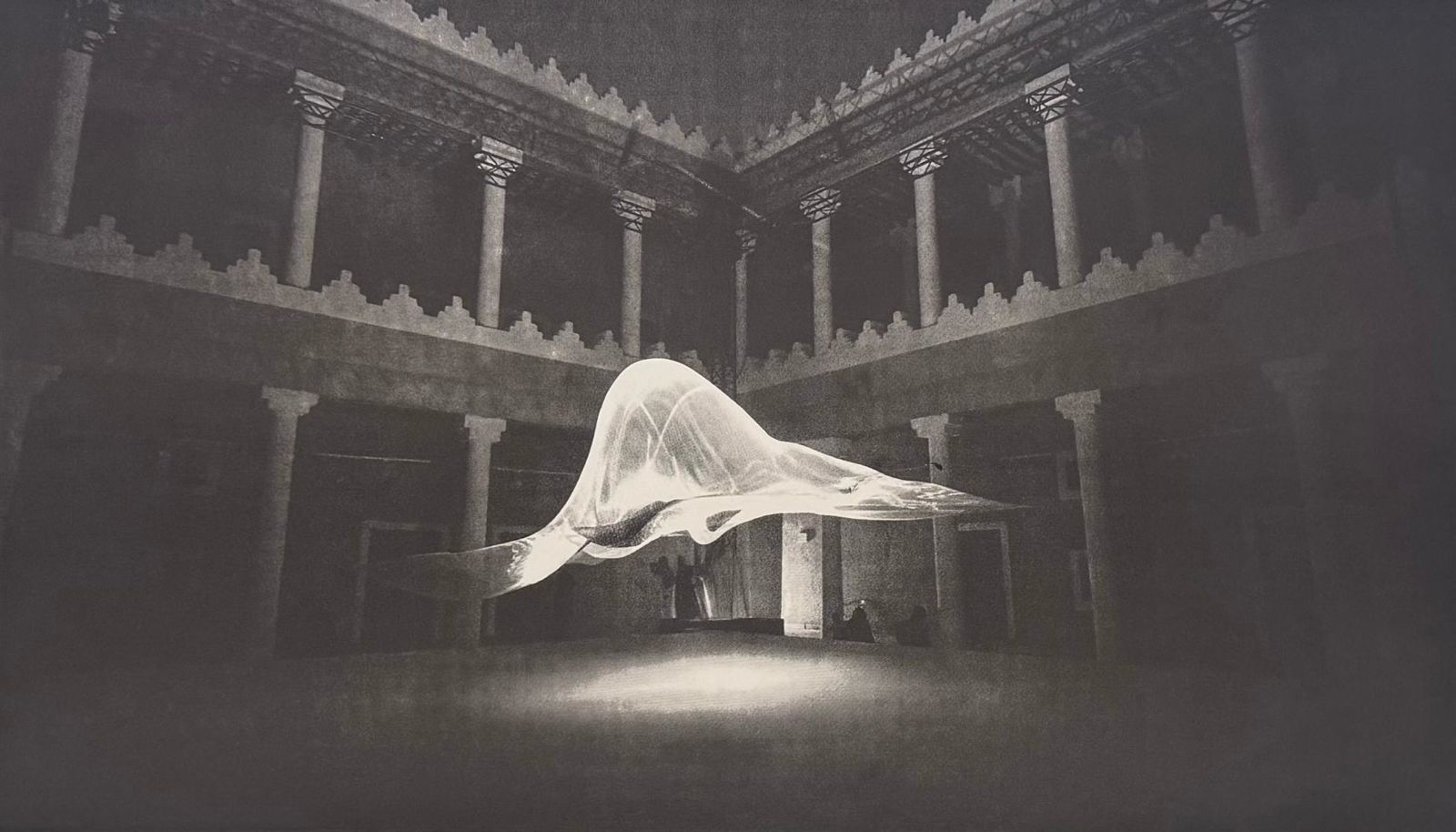
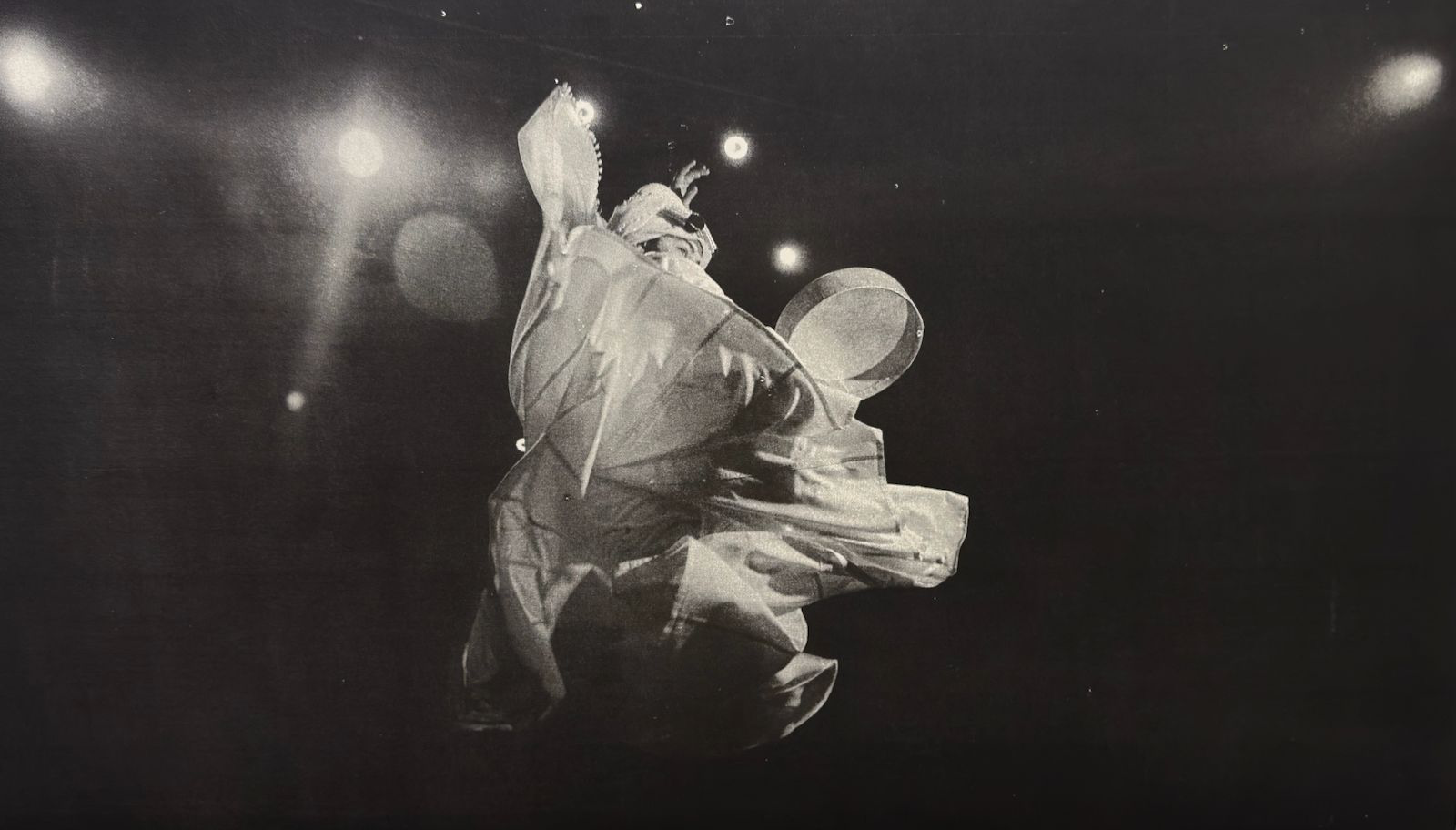
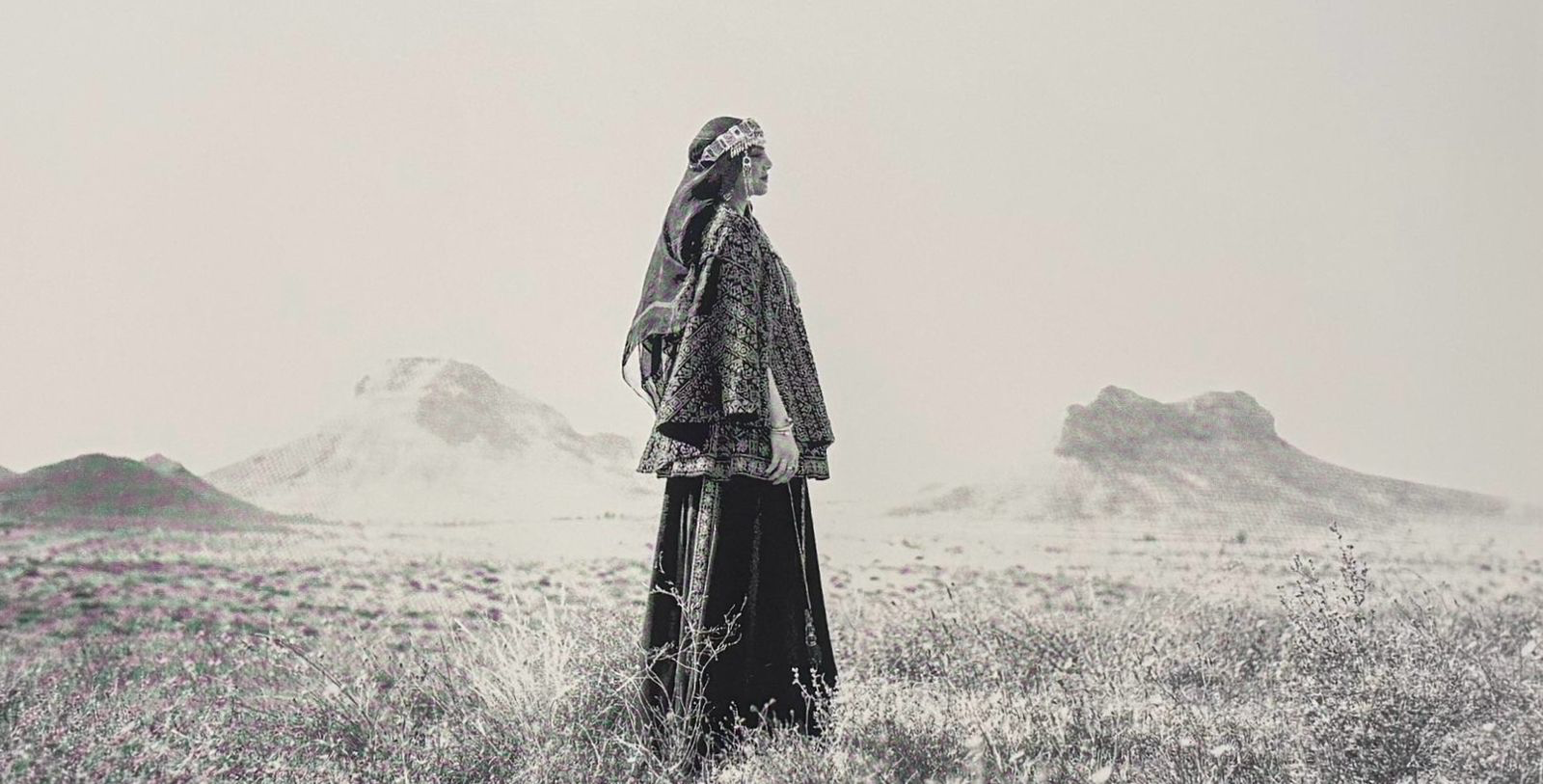
Coming from a cinematic background, Khaled Ibrahim Alkathiri sees photography as a way to preserve culture and reveal character through a single image. His work is shaped by black and white, facial expression, light, shadow, and the events unfolding in front of him. More recently, he has expanded his practice into silkscreen printing, transforming his cultural photographs through a demanding hand-printing process.
Q: What does art mean to you personally?
Khaled: For me, art is a way of removing negativity, almost like a form of meditation. When I hold the camera, I feel connected. It allows me to tell a story and reveal a character through a single image.
Q: Why did you choose to focus on culture?
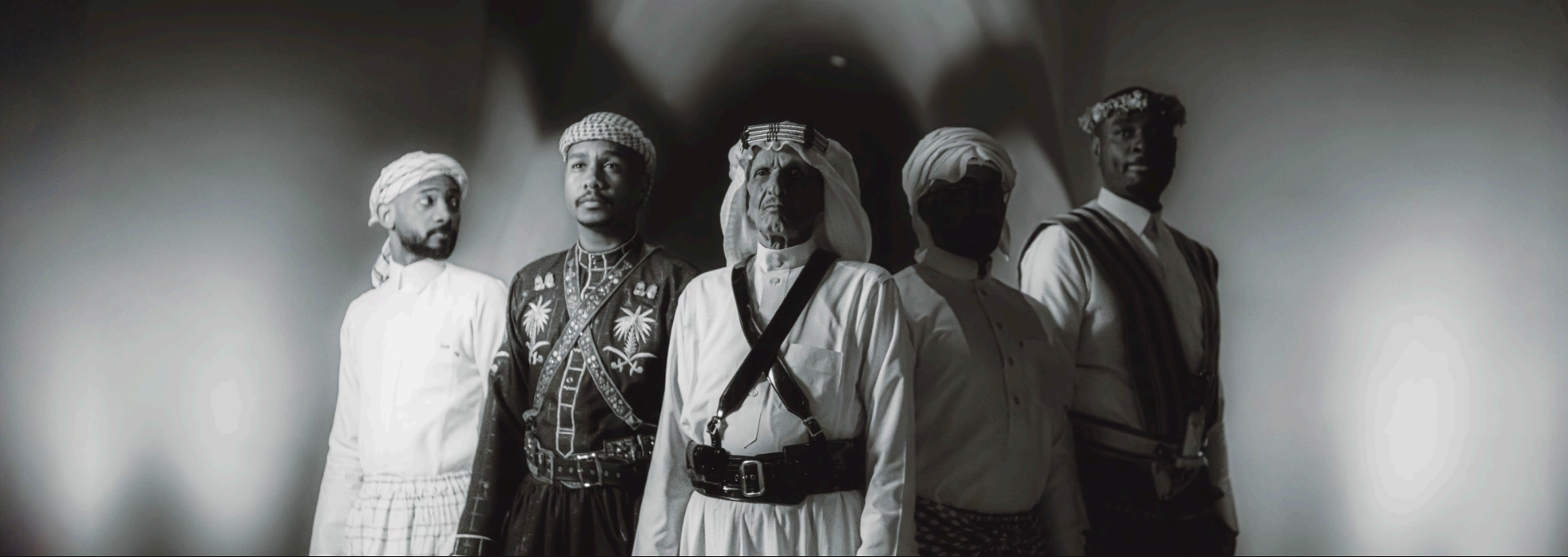
Khaled: I chose this path because culture is the thing that lasts longest, and I wanted to preserve it. Since childhood, I have been interested in discovering the culture of Saudi Arabia and understanding how deep and varied it is. The more I travelled and observed, the more I noticed the similarities and differences between places and people.
I am part of this culture, and through it I can express many things without saying a word. Photography and filmmaking became my way of documenting these details and showing the cultural side of Saudi Arabia.
Q: How has your cinematic background influenced the way you work?
Khaled: My cinematic background shaped the way I see the world. It influenced the way I approach stories, people, events, and the relationship between a character and the environment around them.
Q: What matters most to you when creating an image?
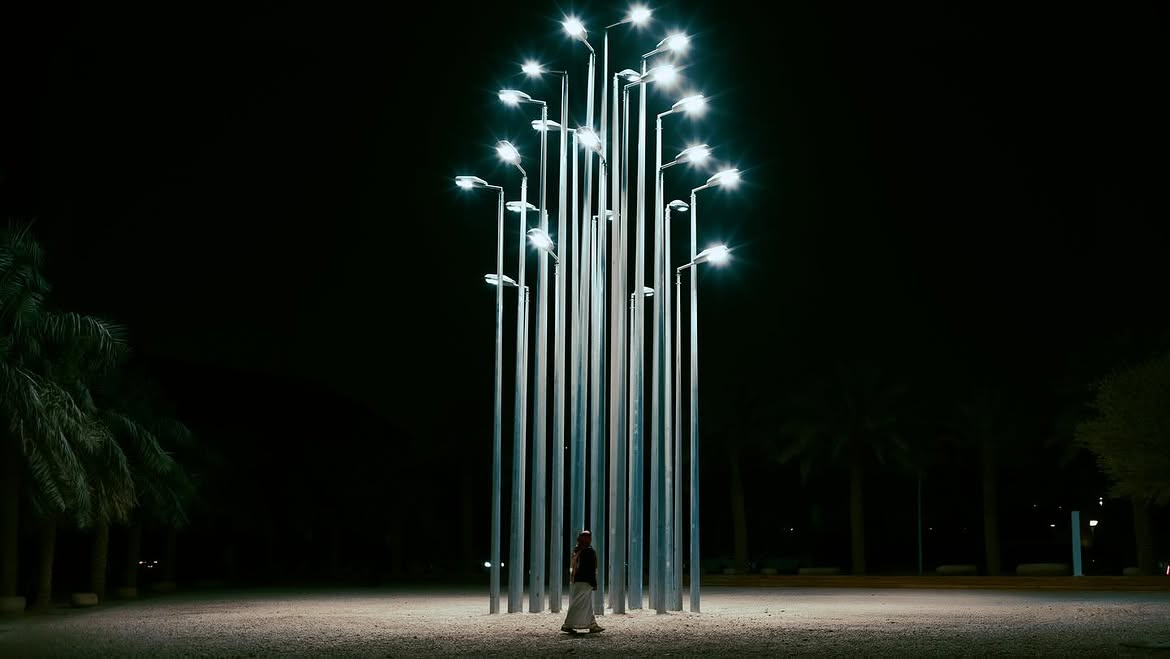
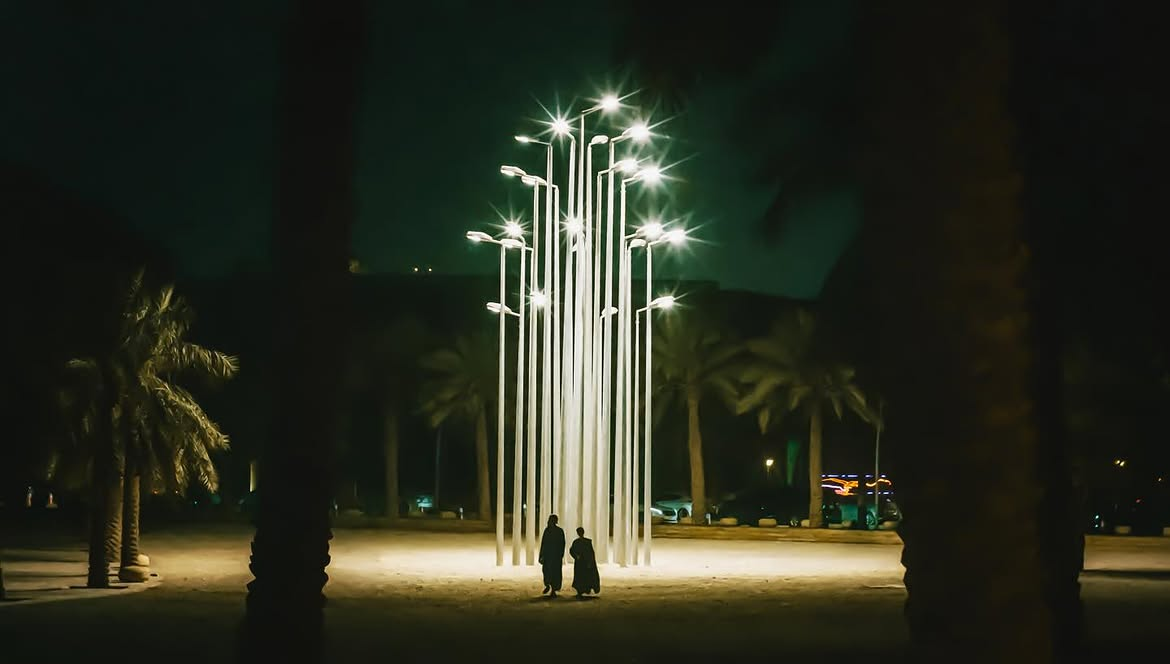
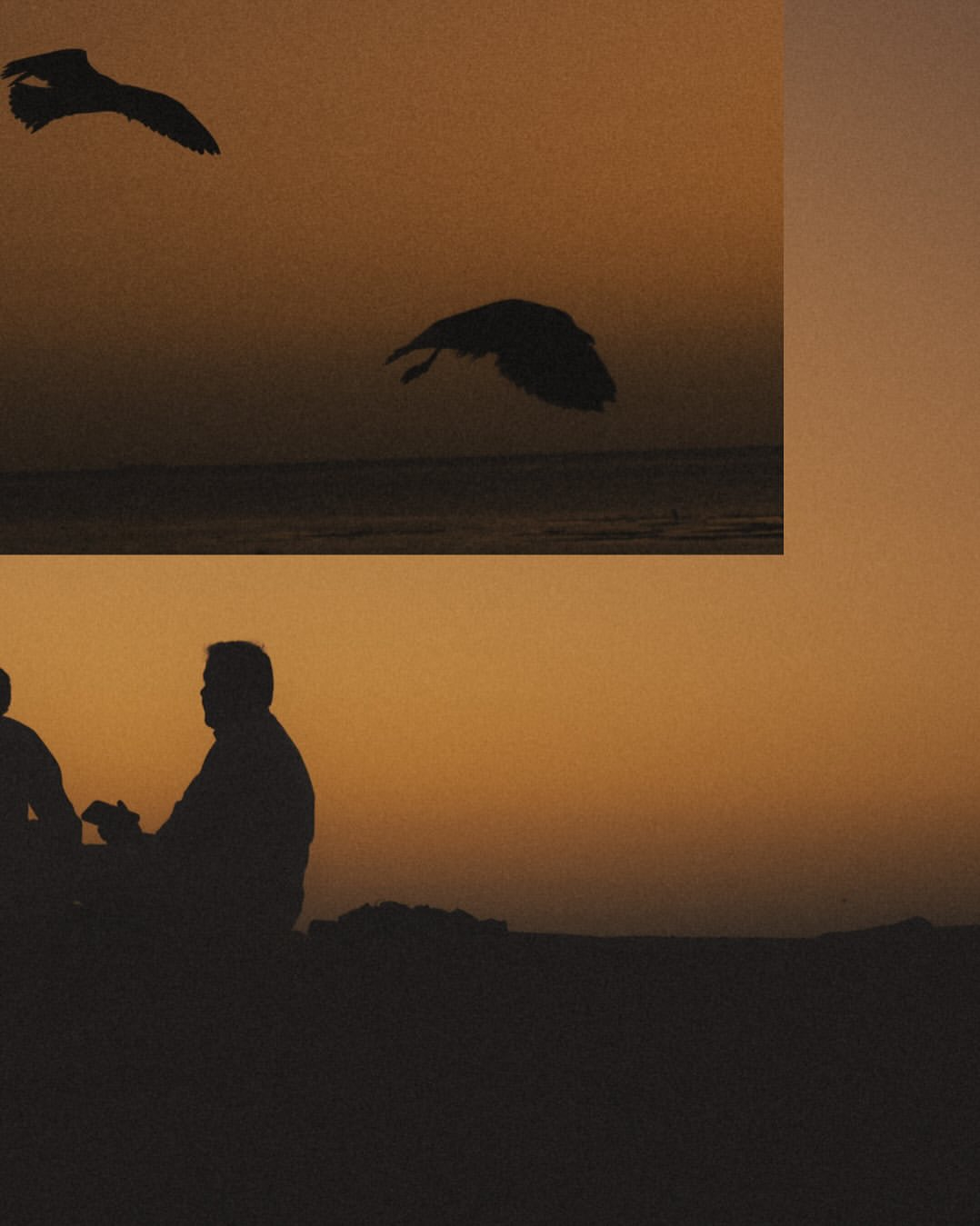
Khaled: For me, the story is always more beautiful and more important than the image itself. What matters is the idea, the angle, and what the image is trying to say. The camera has become very close to me, almost like part of my body. It helps me notice moments, people, and details that could easily pass. I do not want the work to depend only on technical quality. I want it to carry a story and preserve something meaningful.
Q: What medium do you primarily work in?
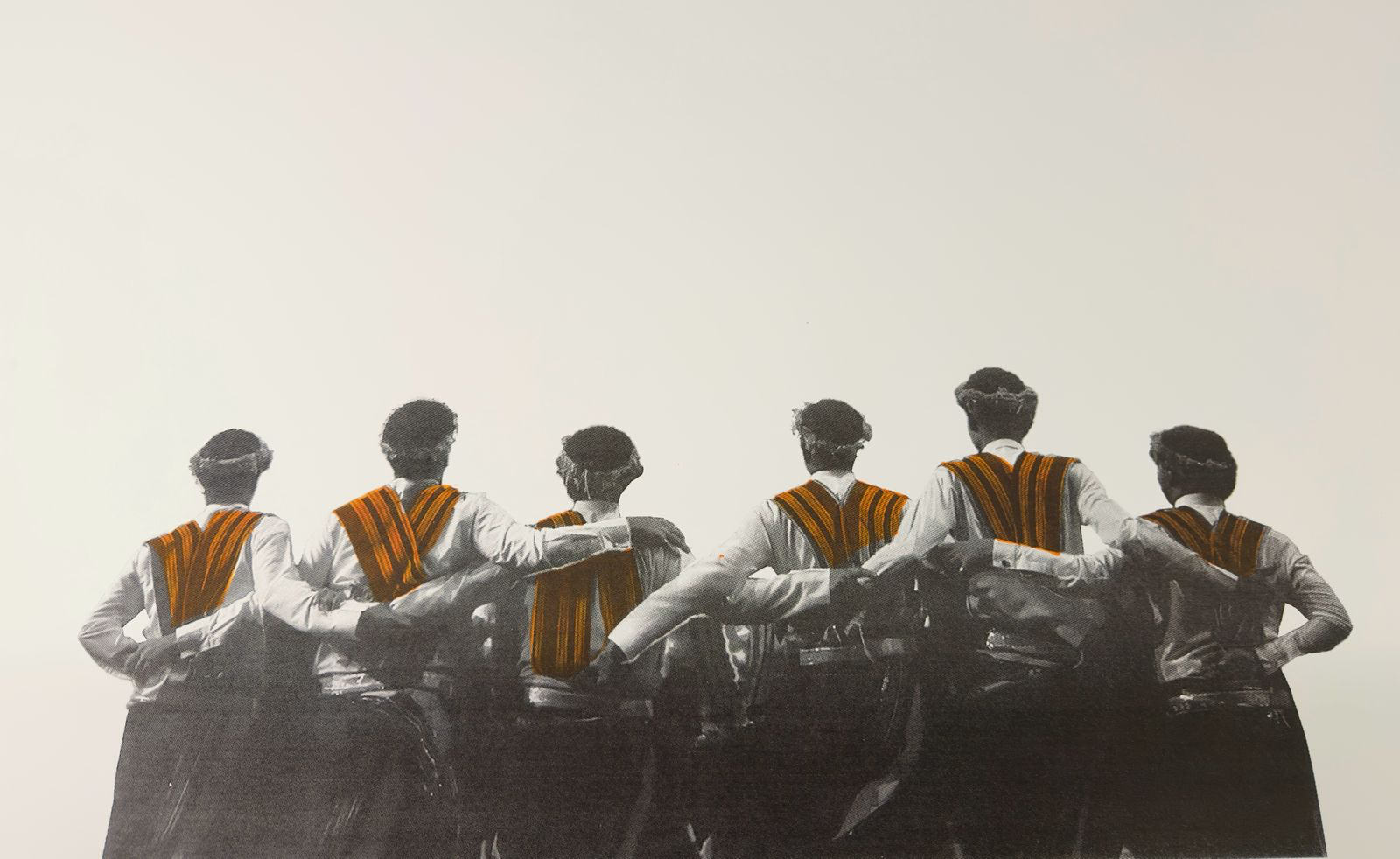
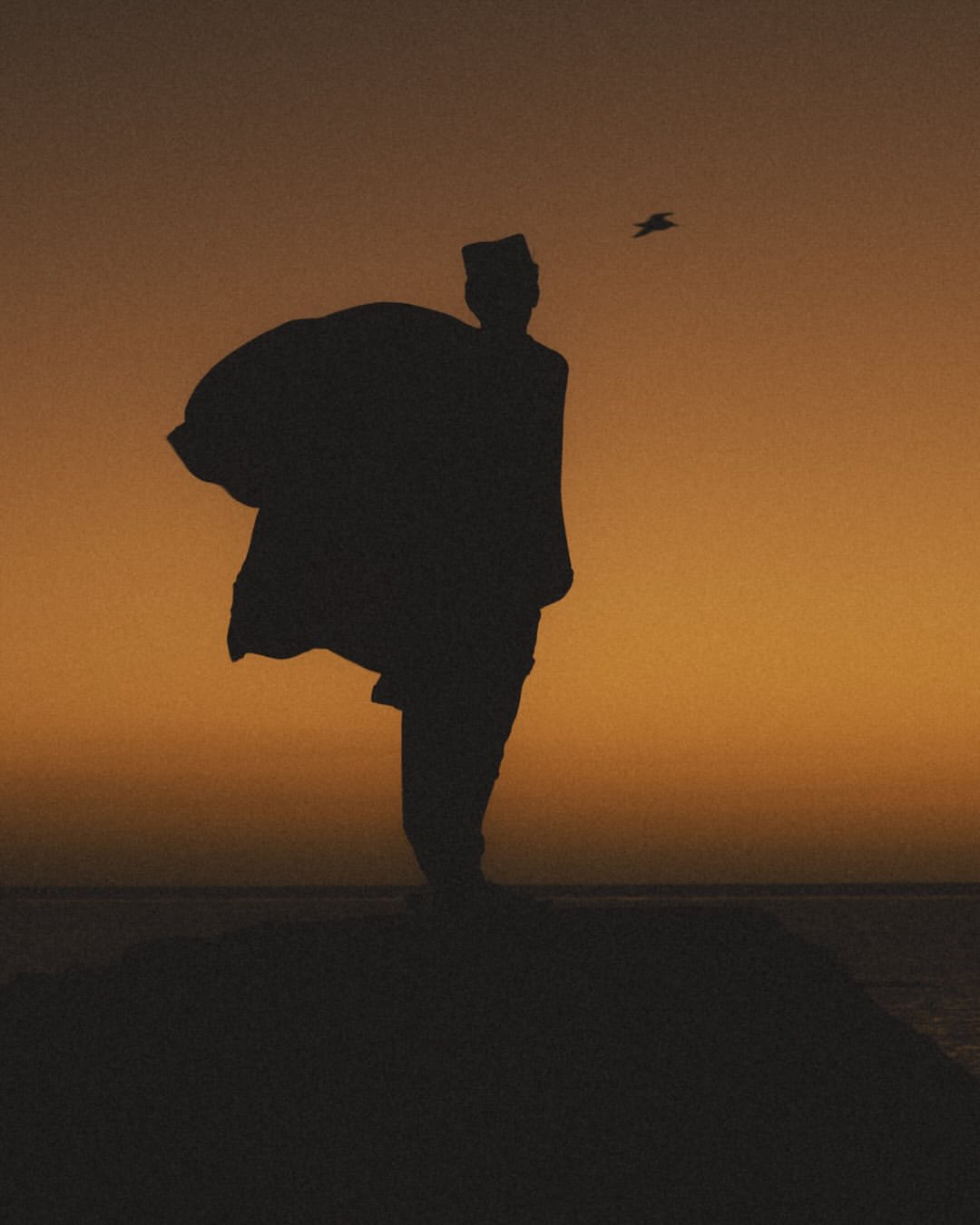
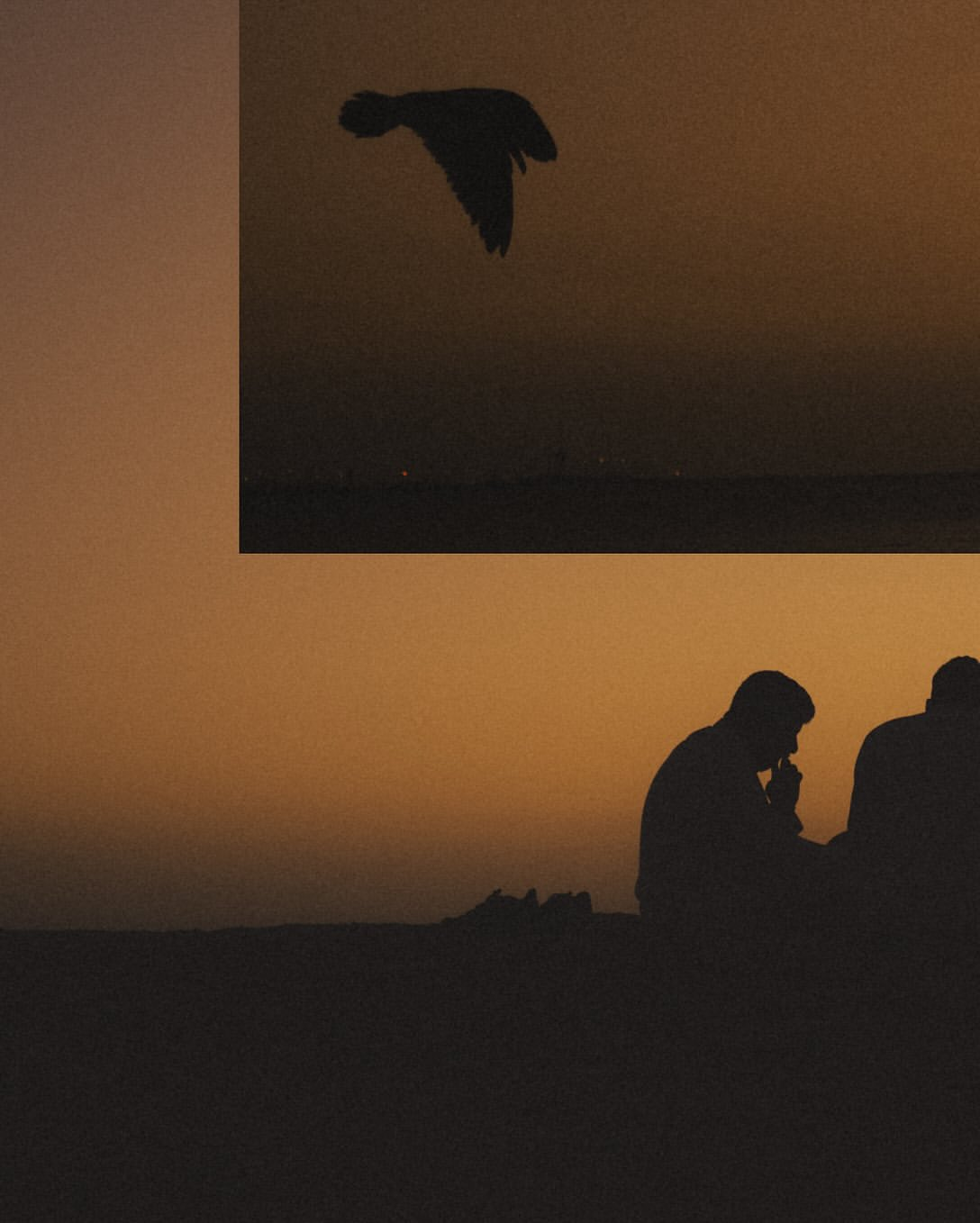
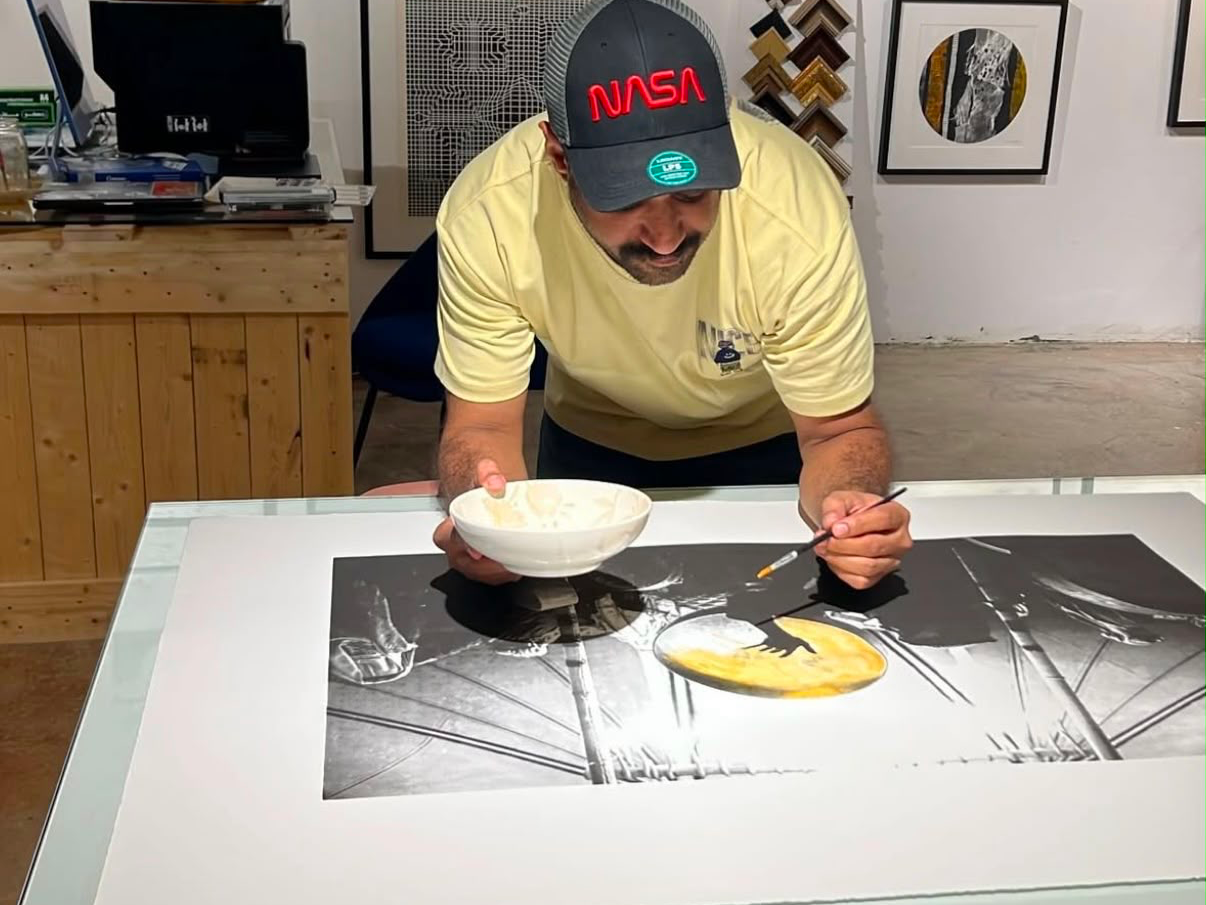
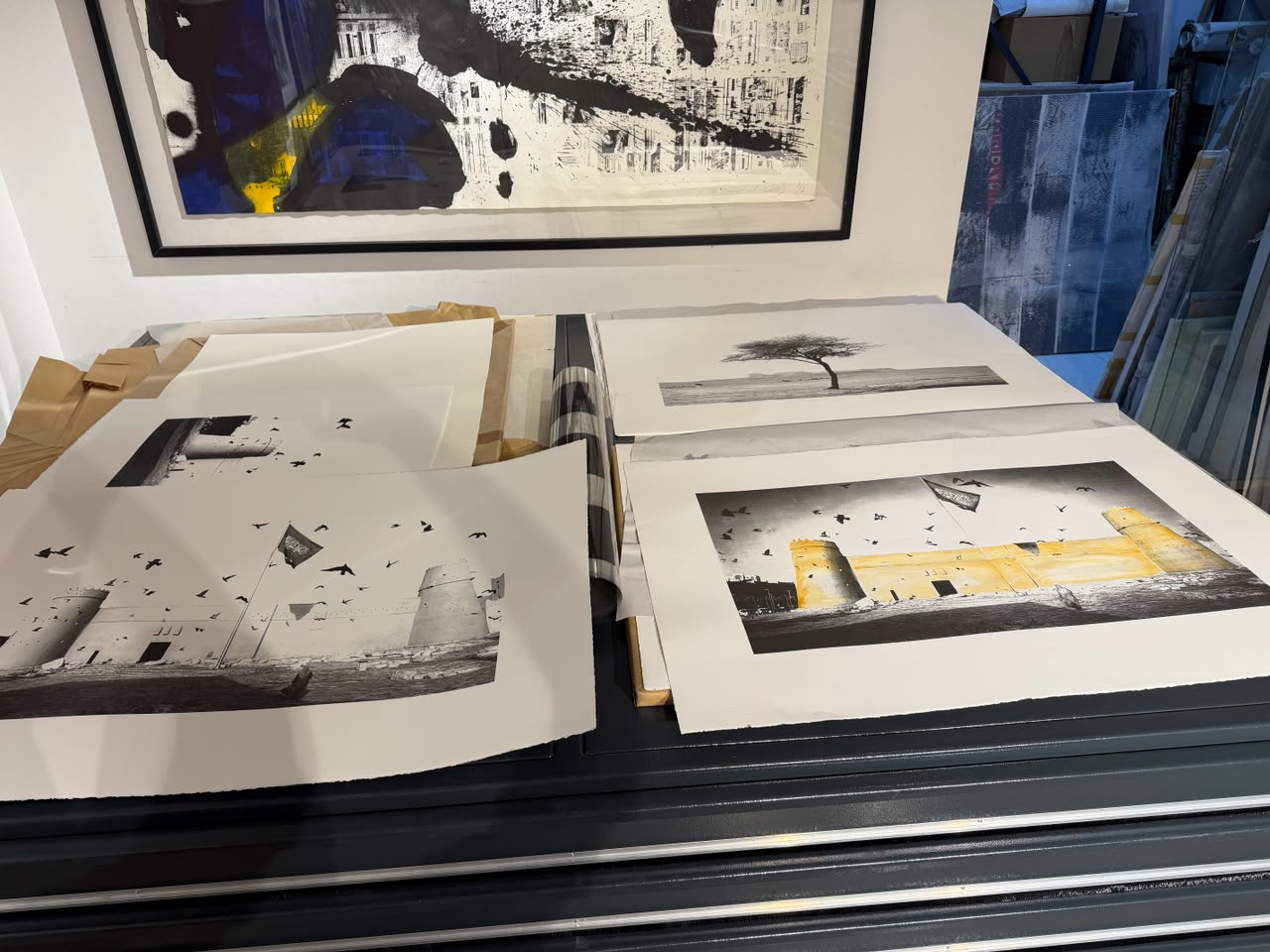
Khaled: I work primarily in photography, but recently I have moved into silkscreen printing, printing my cultural photographs by hand. I chose hand printing specifically because it is challenging and costly, and that difficulty is part of what makes it meaningful. There is a painterly feeling to the process, even though I do not actually draw.
Q: What challenges does silkscreen printing present?
Khaled: Each time I print, the result does not come out as easily as I imagine. Hand printing is a constant challenge, both technically and in terms of cost.
Q: What visual elements appear most often in your work?
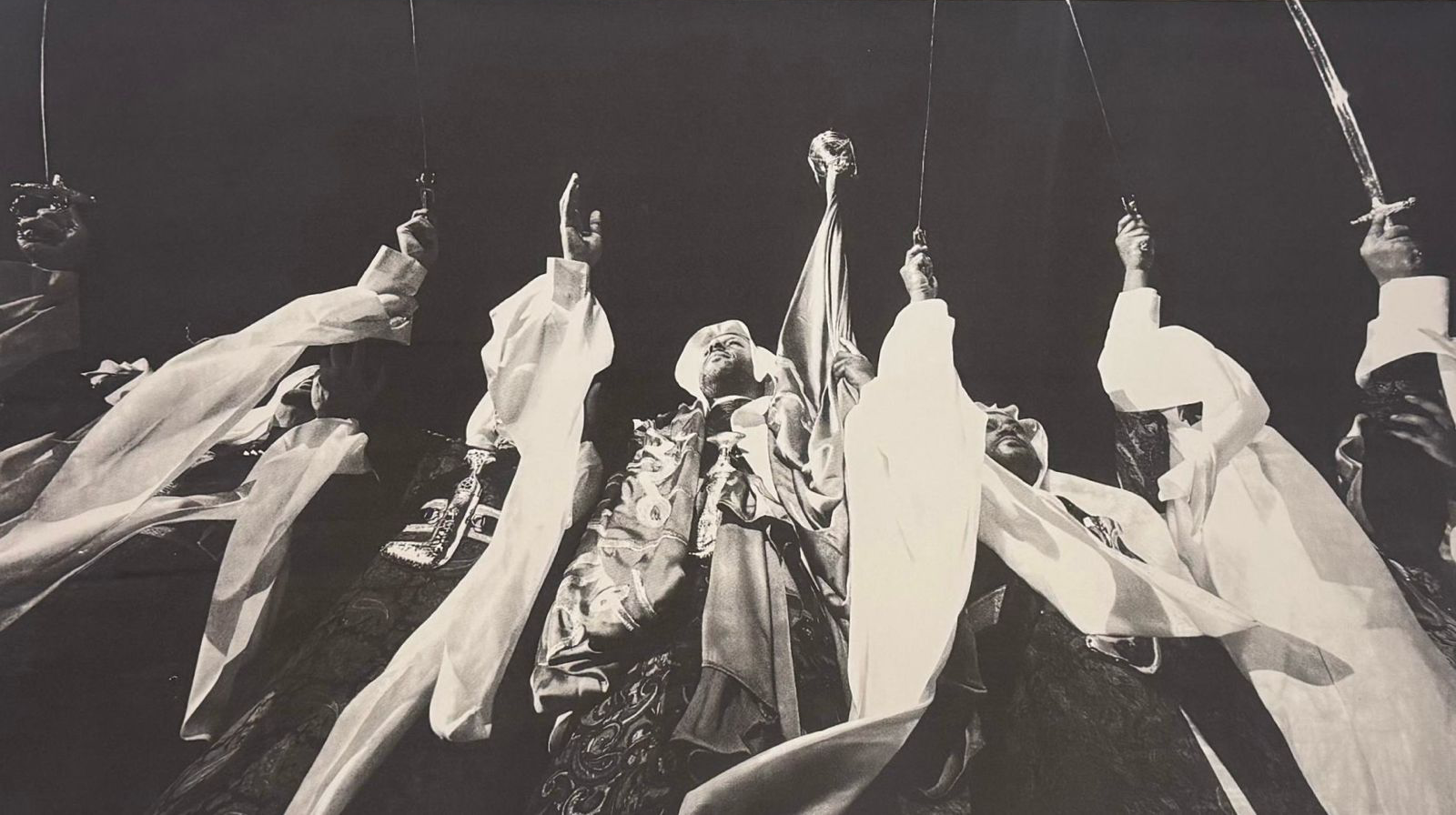
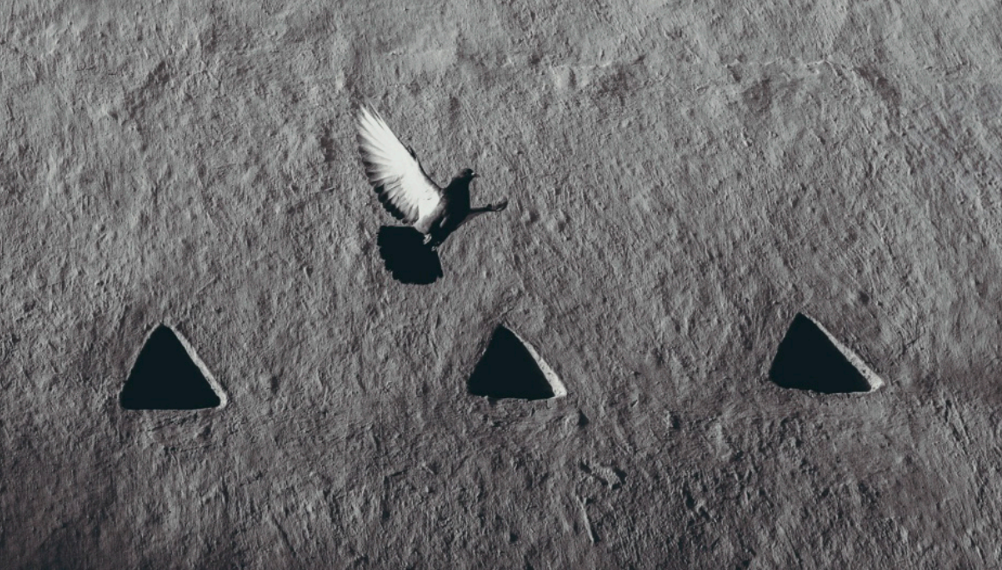
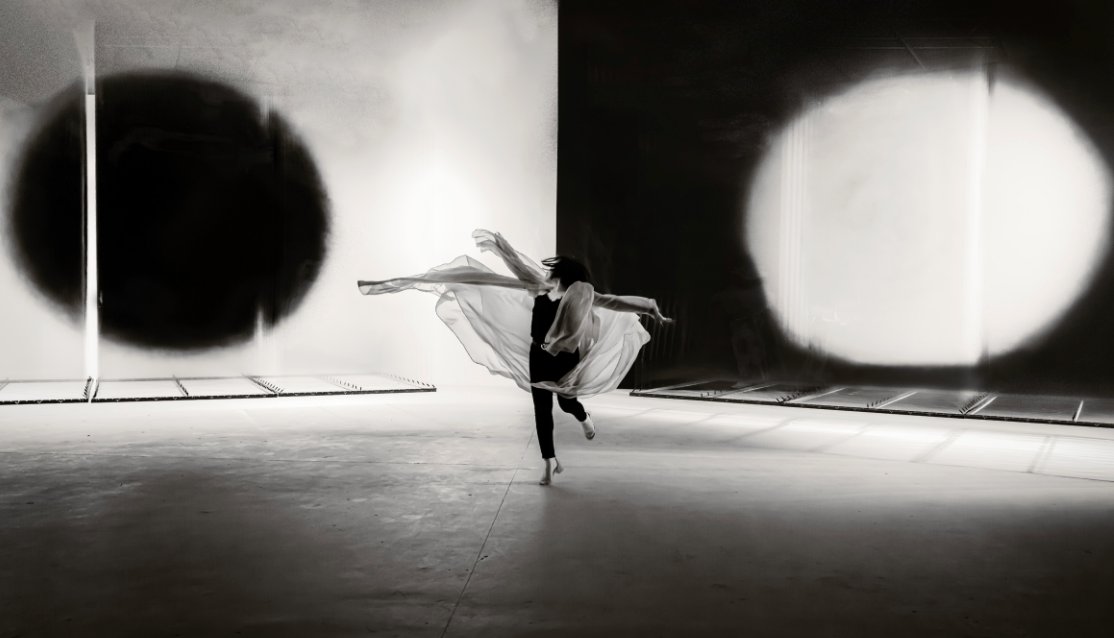
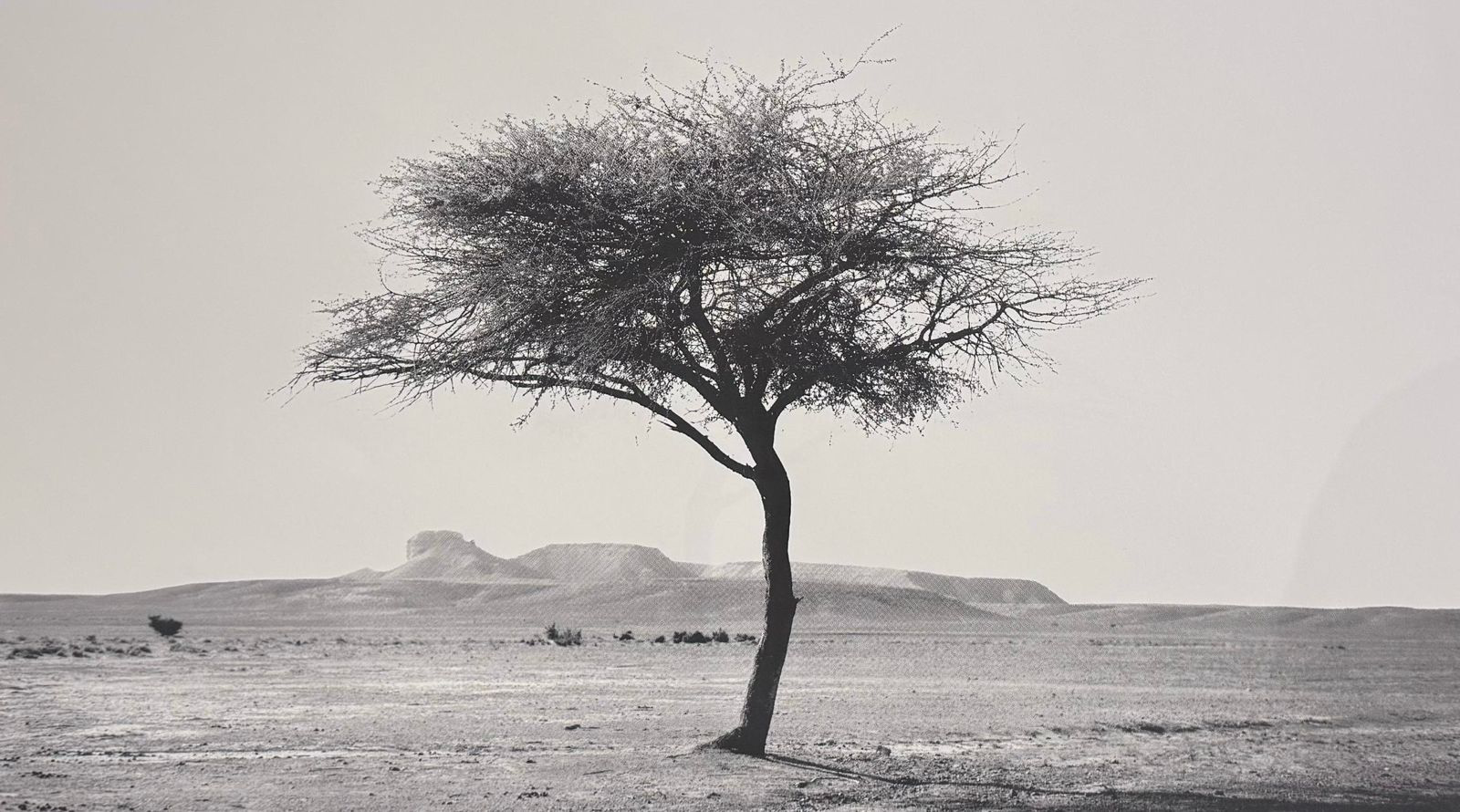
Khaled: Black and white, cultural elements, and the interplay of shadow and light run through almost all of my work. Black and white brings out feeling and reveals things that are not visible to the naked eye. It strips away distraction and focuses attention on the elements that matter.
Q: What role do shadow and light play in your work?
Khaled: Shadow and light allow me to express what is beneath the surface. They reveal what lies behind a movement, a glance, a silence, or a pair of eyes.
Q: What inspires your photographs?
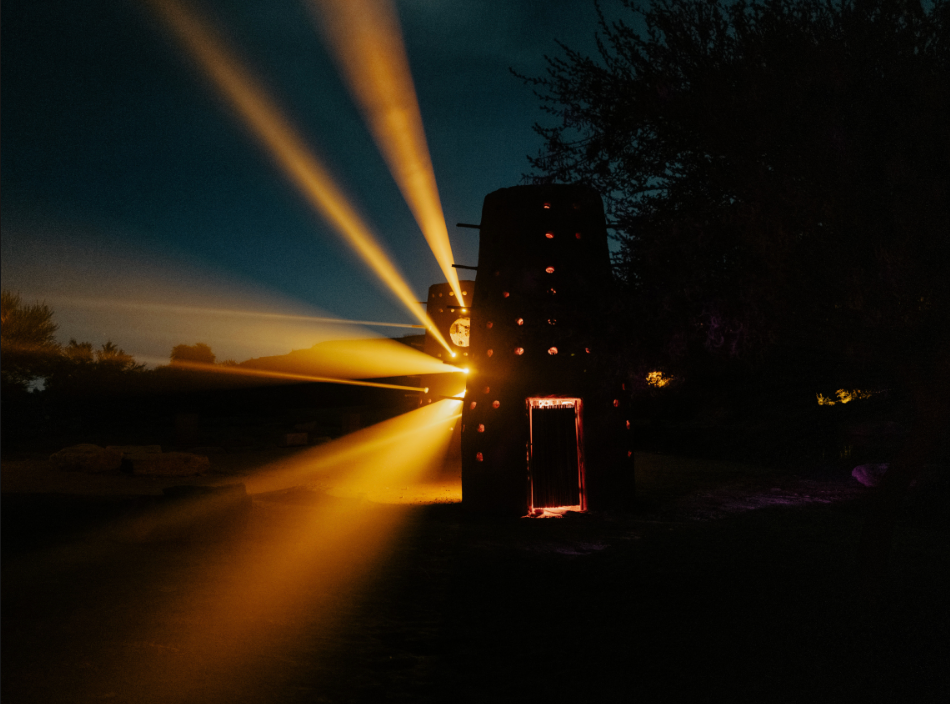
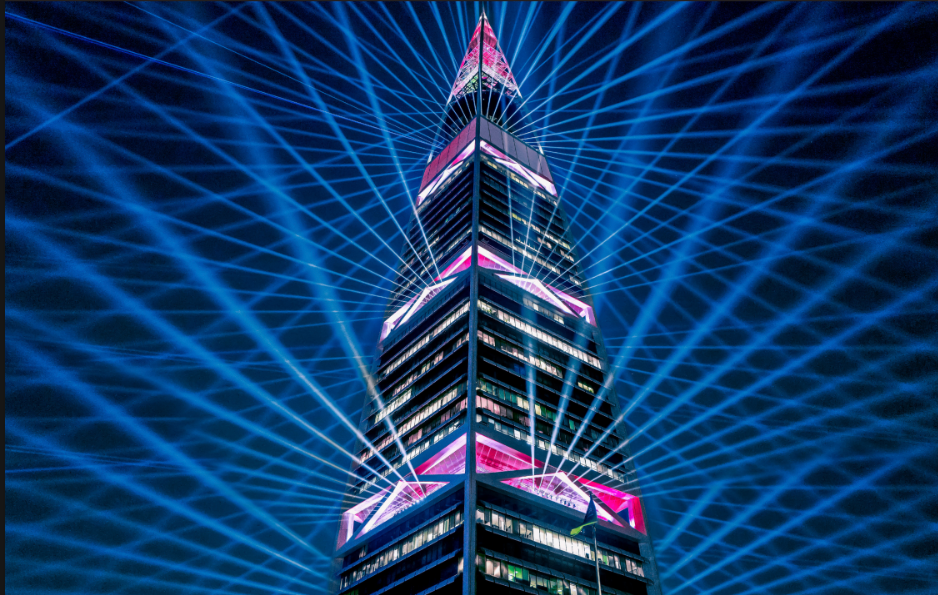
Khaled: I am inspired by shadow and light, by the expressions on people’s faces, and by the events unfolding in front of me. I am drawn to the environment as a container for culture, and to the way a place holds the identity of its people.
Q: How do you connect the person and the place within an image?
Khaled: I love adding elements that represent the culture of a location and including figures who embody that same spirit, so the person and the place feel connected.
Q: What challenges do you face while photographing people?
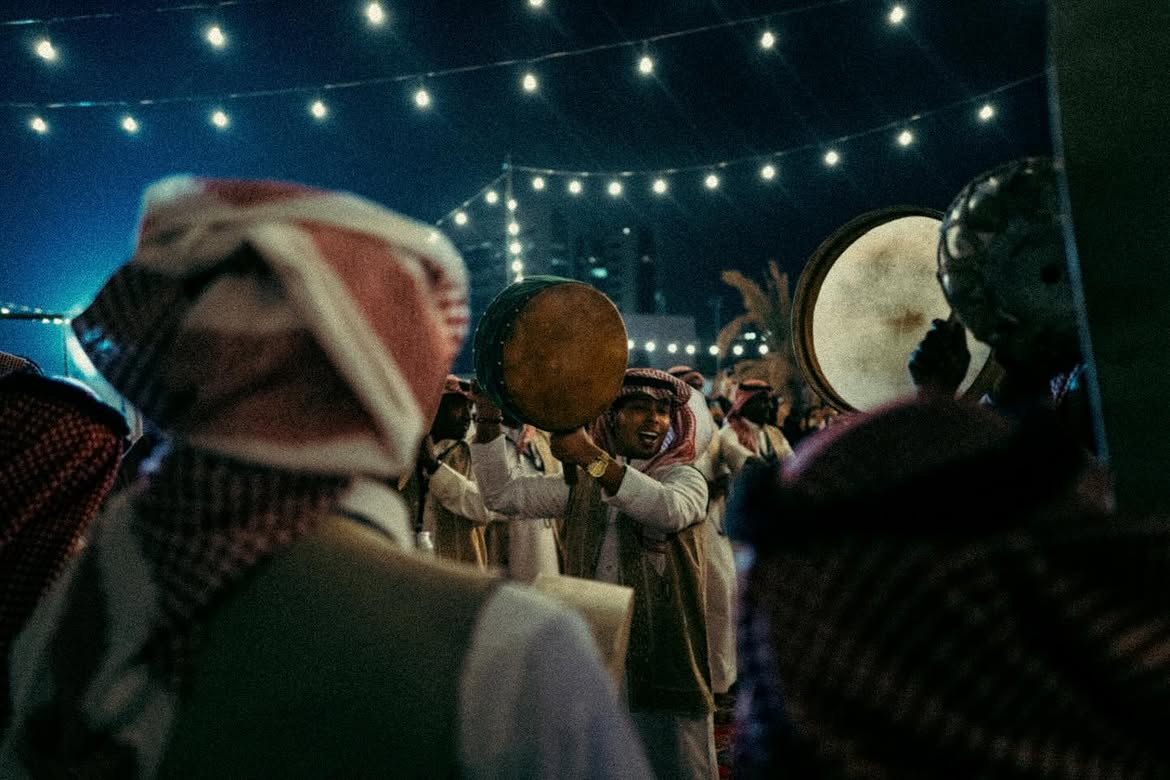
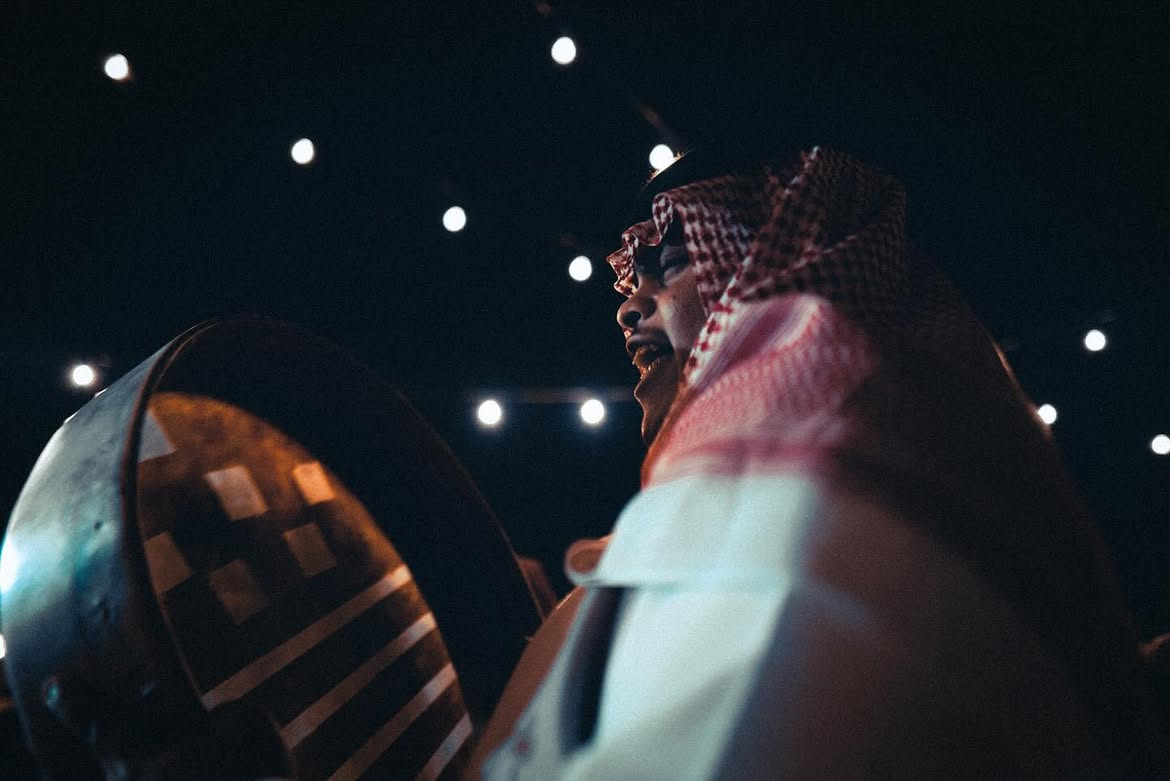
Khaled: Approaching people and convincing them is not simple. Communicating with them to capture the frame I have in mind takes patience. Sometimes I wait a very long time for a moment or for a person passing through a place, only to have it slip away.
Q: What do you want audiences to experience when they see your work?
Khaled: Culture is always there, all around us, but I want my audience to pause and truly contemplate it. I want them to notice the details that usually pass unnoticed, to see what lies behind the gesture, the look, the silence, and the eyes.
Q: How do you want your artistic style to develop?
Khaled: For me, the story is always more beautiful and more important than the image itself. I want to continue developing my style in a way that remains closely tied to storytelling, with work driven not by technical perfection alone, but by the strength of the idea and the perspective behind it.
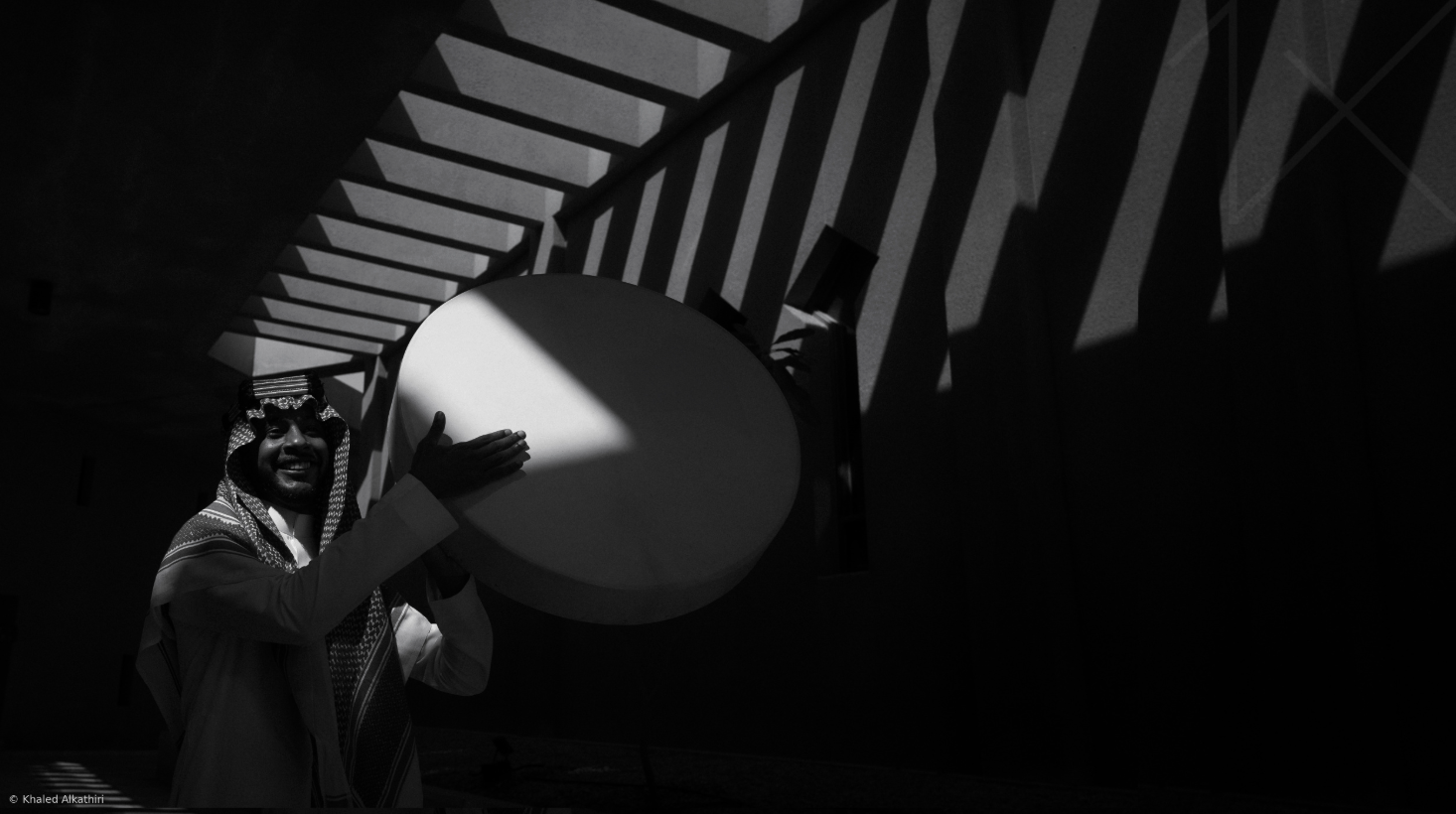
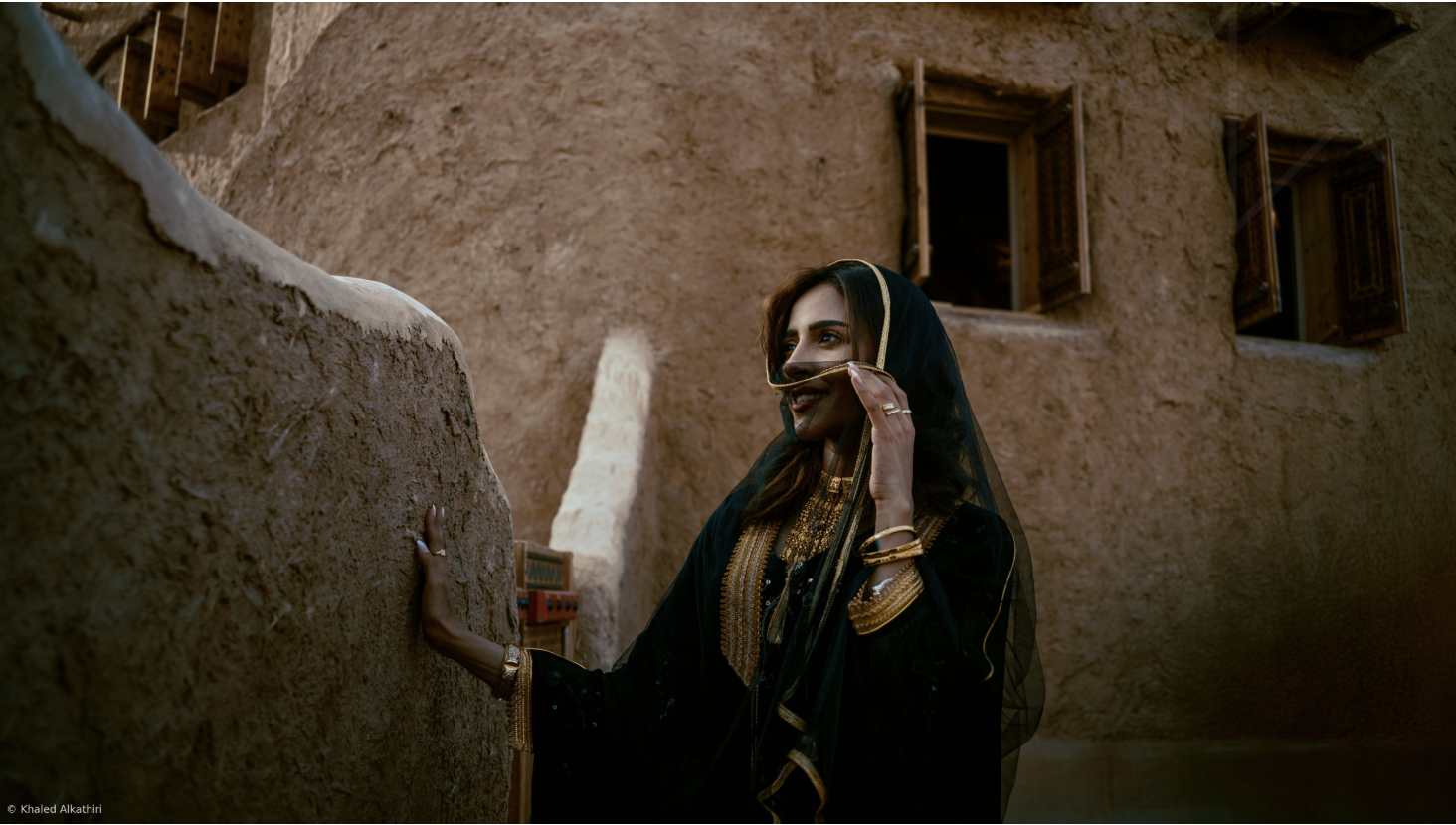
Khaled Ibrahim Alkathiri’s practice asks viewers to look beyond what is immediately visible. His photographs do not offer culture as a fixed image. They reveal it through atmosphere, presence, and the quiet tension of a passing moment. A face, a gesture, or a shadow becomes an invitation to slow down and consider what might otherwise remain unseen. As Khaled continues to explore silkscreen printing, his images take on a new physical life. The process extends the photograph beyond the captured frame, allowing memory, material, and storytelling to meet. What remains is not simply a record of a place or person, but a space for reflection
Stay close to Khaled Ibrahim Alkathiri’s evolving visual journey on his social platforms at @khaled_alkathiri.
We’d love to hear from you! Reach out to share your own artistic journey.