An Artist in Dialogue: Bashaer Hawsawi
Discover Saudi artist Bashaer Hawsawi's world of found objects, where everyday materials from the home are transformed into powerful monuments of memory, connection, and honesty.


Discover Saudi artist Bashaer Hawsawi's world of found objects, where everyday materials from the home are transformed into powerful monuments of memory, connection, and honesty.
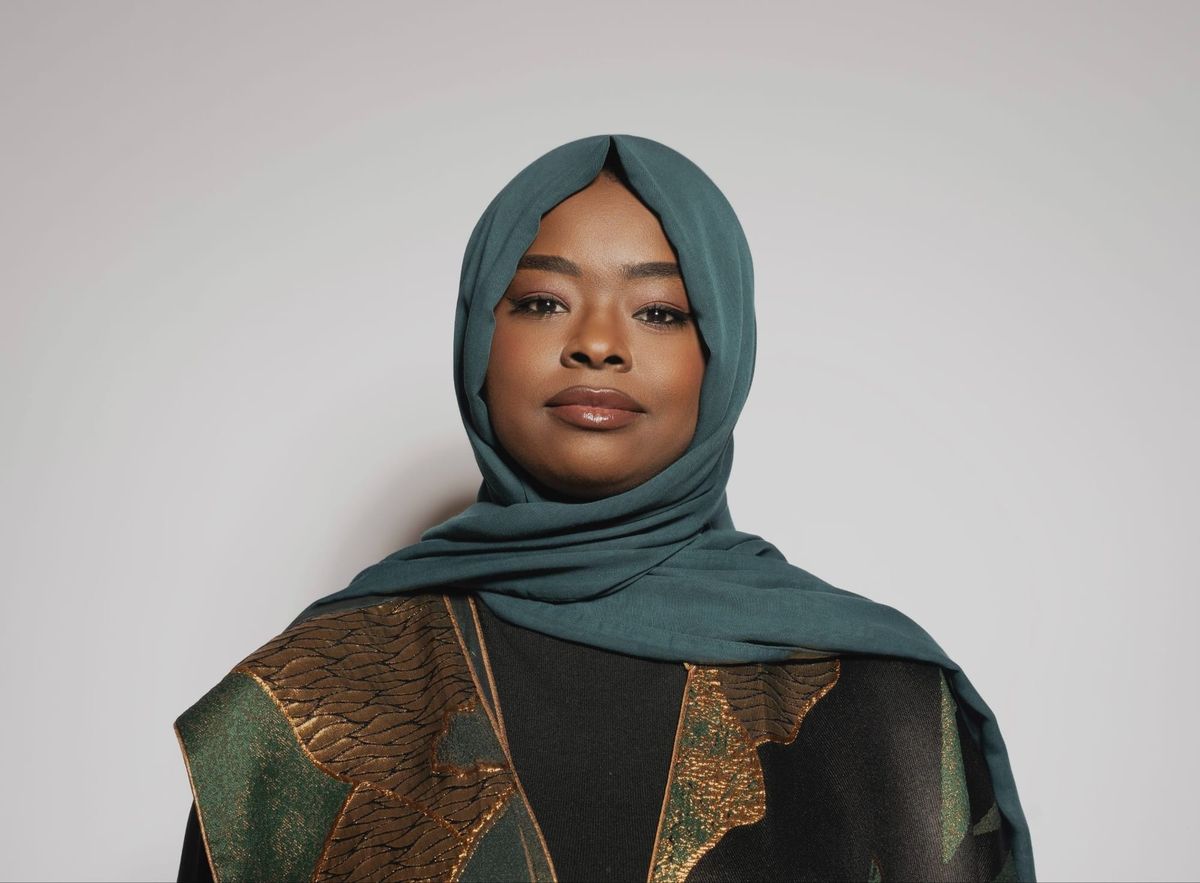
"The material speaks for itself. I try to share a feeling through my materials, so people can feel a connection to my life and their own."
In a Saudi art scene that is expanding rapidly across global frontiers, Bashaer Hawsawi chooses to look at the quiet, everyday spaces of the home. Her artwork changes over time, moving from heavy metals to delicate papyrus paper. She uses ordinary objects, like household brooms and dried lemons, not just as tools, but as vessels for raw human emotion.
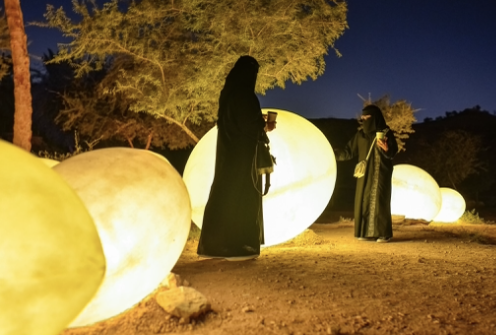
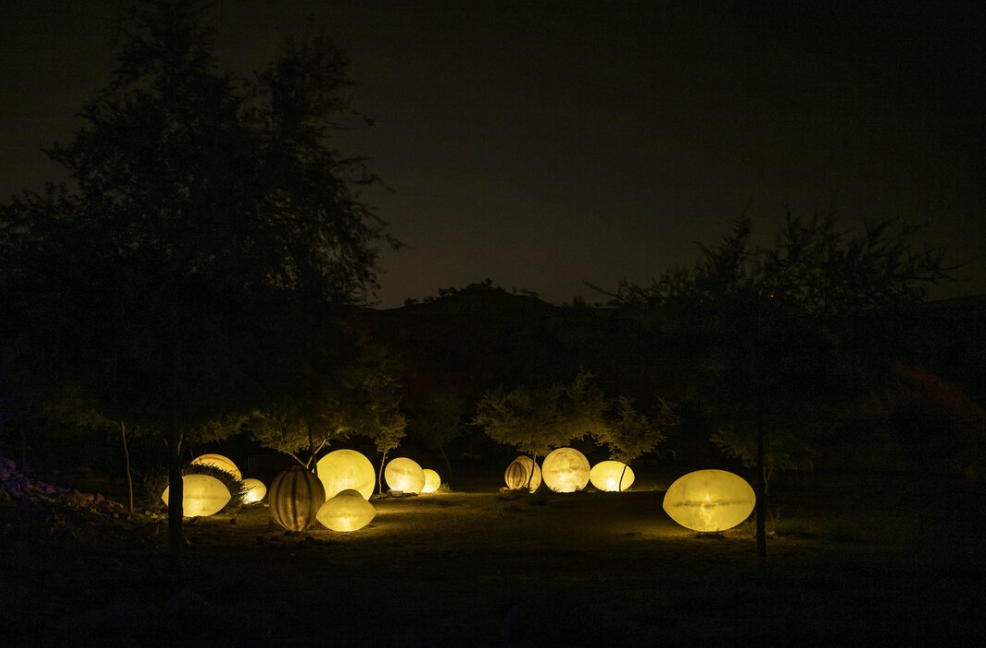
Early Ripening, 2022. Commissioned by RCRC for Riyadh Art’s Noor Riyadh. Image courtesy of RCRC / Riyadh Art.
Q: To begin, could you introduce yourself to us as an artist? How did your journey start?
Bashaer: I studied drawing and art at King Abdulaziz University and graduated in 2015. At that time, I did not know if I would continue working in the art field or not.
In the beginning, everything started from zero. I worked from home. My bedroom was my art studio, and I worked completely alone. There was no audience back then. At that stage, it felt less like a connected art community and more like a period of self-building, where every artist was developing their practice in their own separate space. However, I wanted to improve, so I started taking art courses. I posted my experiments on Instagram to share the things I liked making.
Q: After that early phase of self-building, what did you feel you needed next as an artist?
Bashaer: With time, I felt a strong need to meet people. I needed an art community, a group of people I could talk to, so I could see their work and they could see my artistic practice.
The big change happened when art residencies started opening in Saudi Arabia. I joined my first residency with Misk in Riyadh. This program gave us real studios. Slowly, I started talking to people and learning how they thought. I worked with mentors who helped me understand my direction as an artist. Later, I did another residency at Hayy Jameel in Jeddah. This program helped me learn how to write about my art, which made me understand my own goals much better.
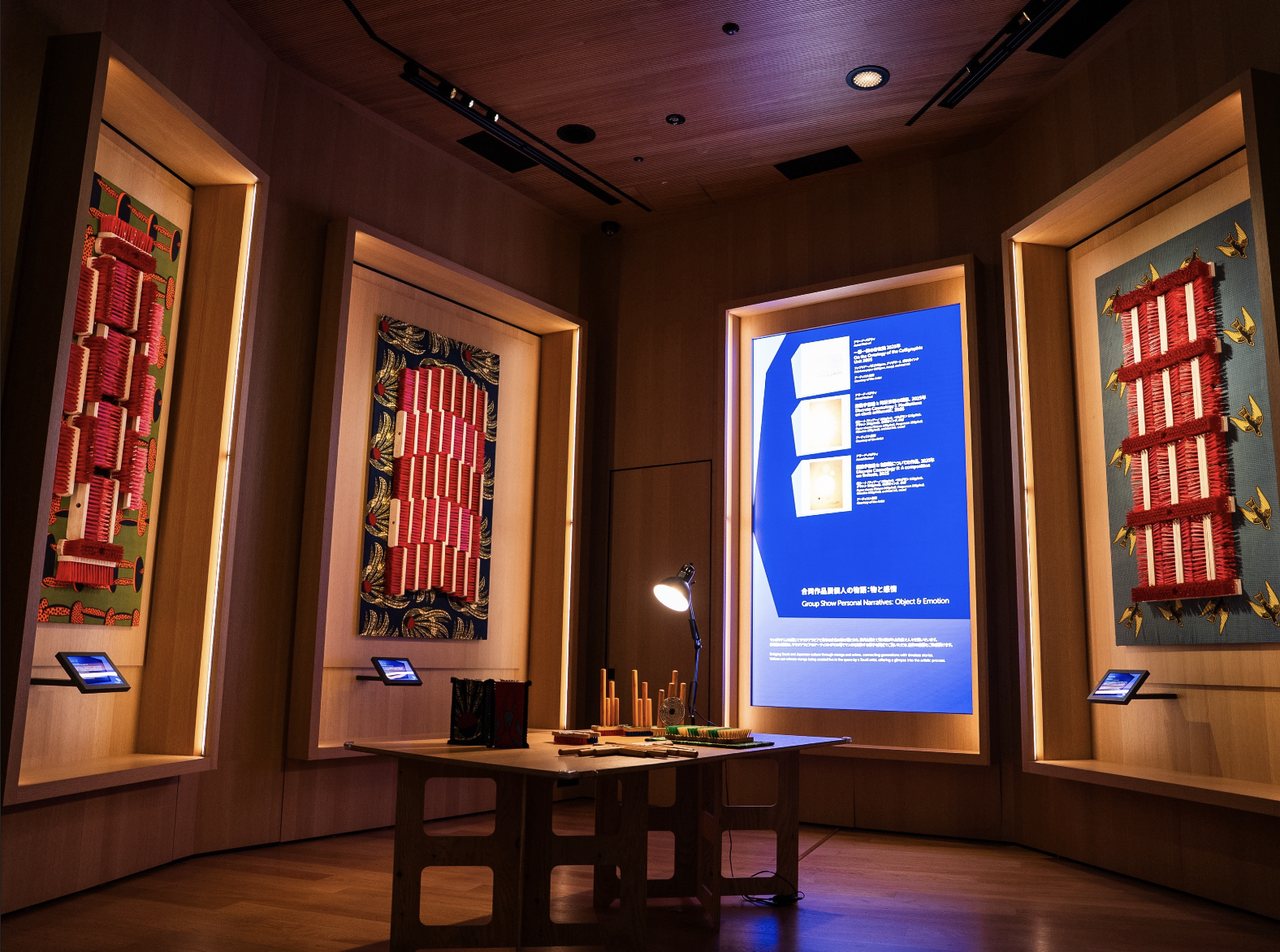
The Heart That Became a Garden, 2025. Commissioned by MOC for Expo 2025, Japan. Image courtesy of DONE & DUSTED.
Q: The materials you choose for your art are very unique and striking. You used metals first, and now you use organic (natural) items. Why do you choose these strong materials?
Bashaer: Honestly, I asked myself the same question! In university, I majored in metalwork and minored in ceramics. I took five applied courses in metals. Because of that, metal became a material I know very well, and it is still my main specialty. I have not stopped using metal. I still return to it whenever a project or new idea requires it. However, today I choose the material based on the story I want to tell. Sometimes metal is the right language for the work, and sometimes another material carries the idea better.
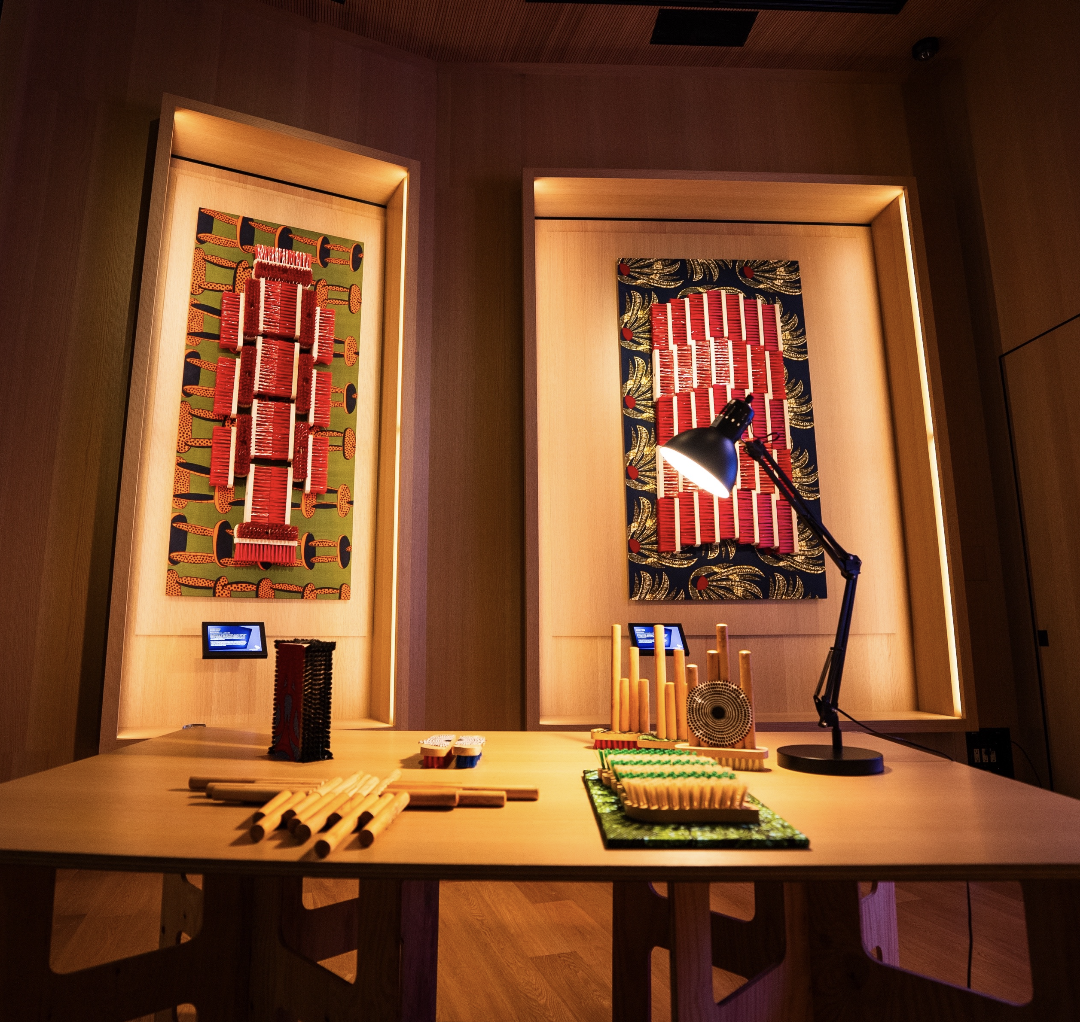
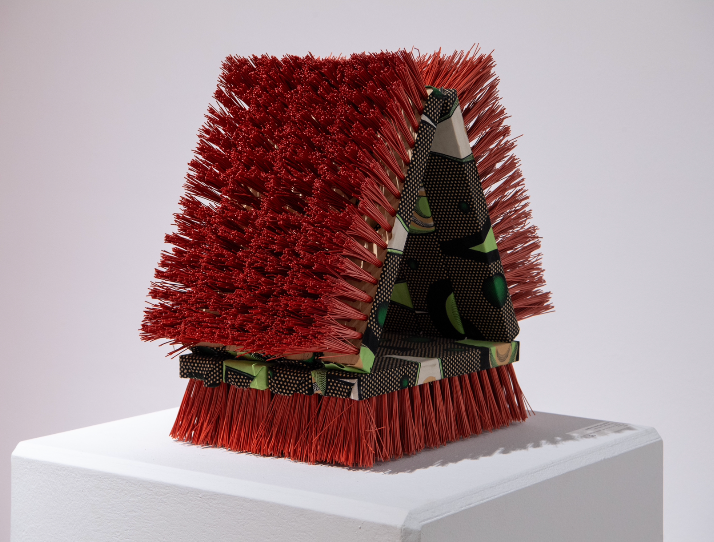
I believe that every material I choose comes from my environment, my home, or my personal memory. These materials have a story in my life. For example, I use traditional brooms in my art because they are connected to my maternal grandfather’s craft. His family was known as “Al-Khasafi,” meaning the weavers, because they worked with palm fronds and reeds to make and sell these brooms. Today, this craft is no longer common, and I felt that it had almost disappeared from daily life. That is why I brought it into my artwork. Through my art, I try to revive this craft and give it a new presence.
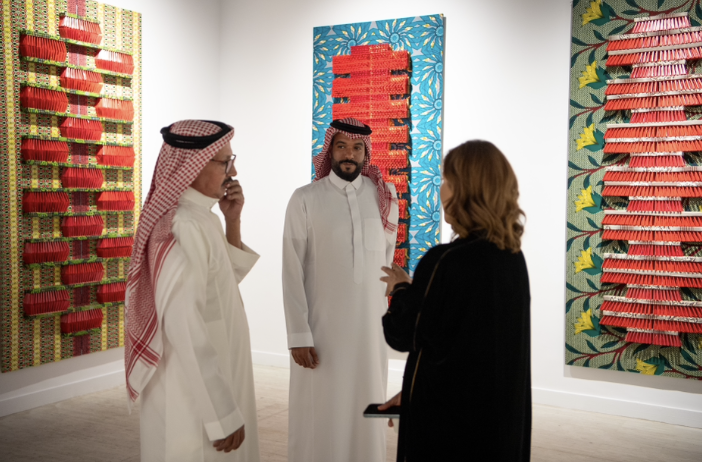
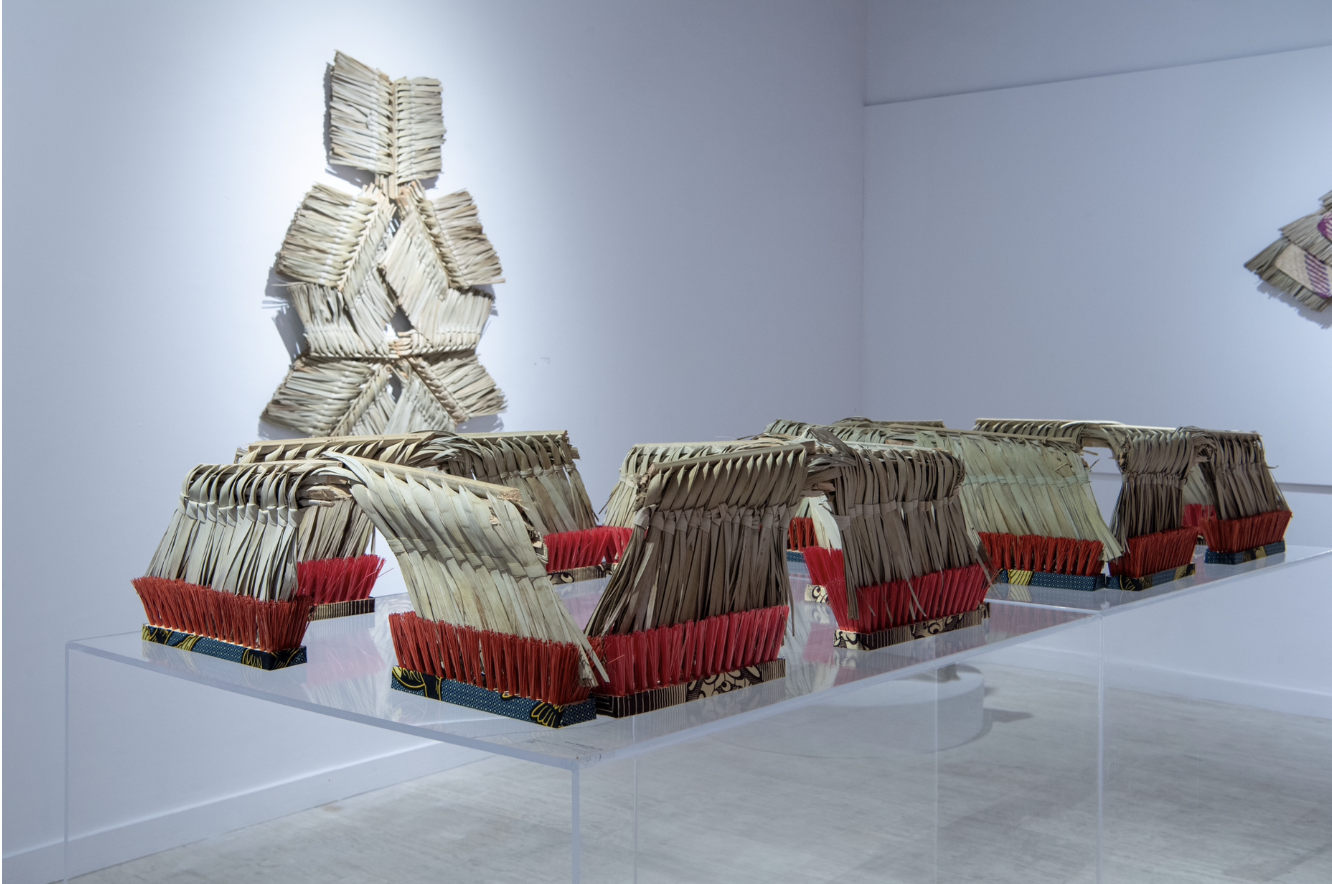
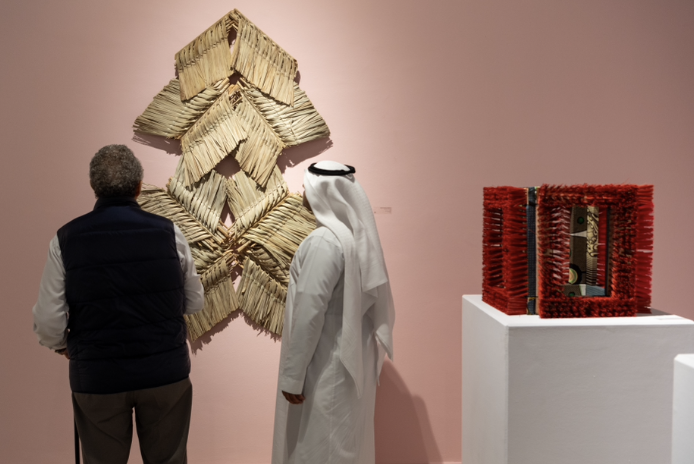
Homes of Memory, 2025. Presented as part of the solo show Harvest On Time at Hafez Gallery, Jeddah. Image courtesy of Hafez Gallery.
Q: So, the objects that inspire your artwork come directly from your daily life?
Bashaer: Yes, exactly. They are a very big part of my life. I see them every day. People used to look at my art and ask me, "Why a broom?" The truth is, that broom was already in my mind every day. I would wake up in the morning, open the door, and find it right there. I was seeing it daily, even when I was not paying close attention to it.
Later, working in group exhibitions and collaborating with curators (art exhibition organizers) helped me a lot. They showed me how to take these simple tools from my daily life and use them to express big artistic ideas.
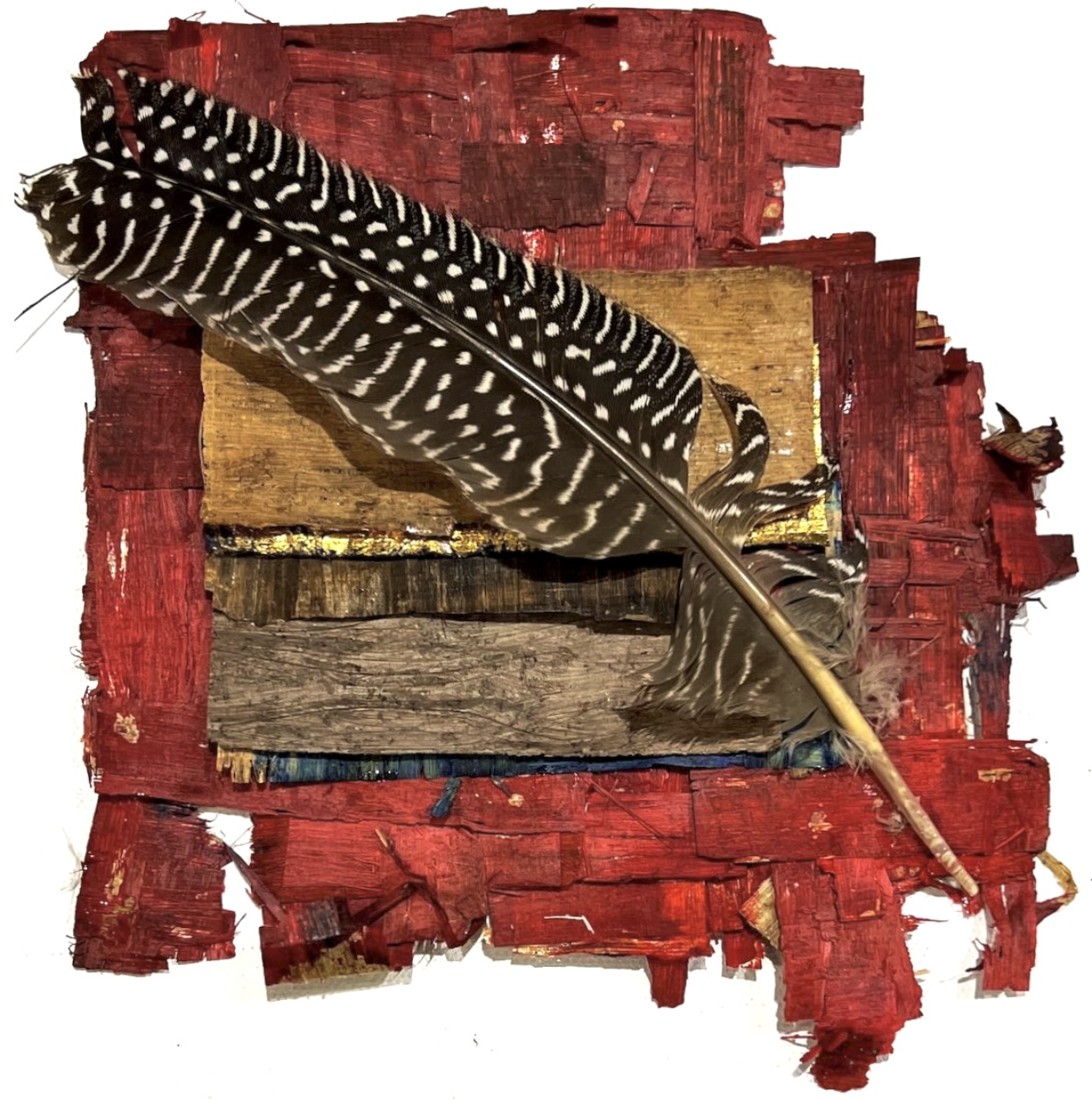
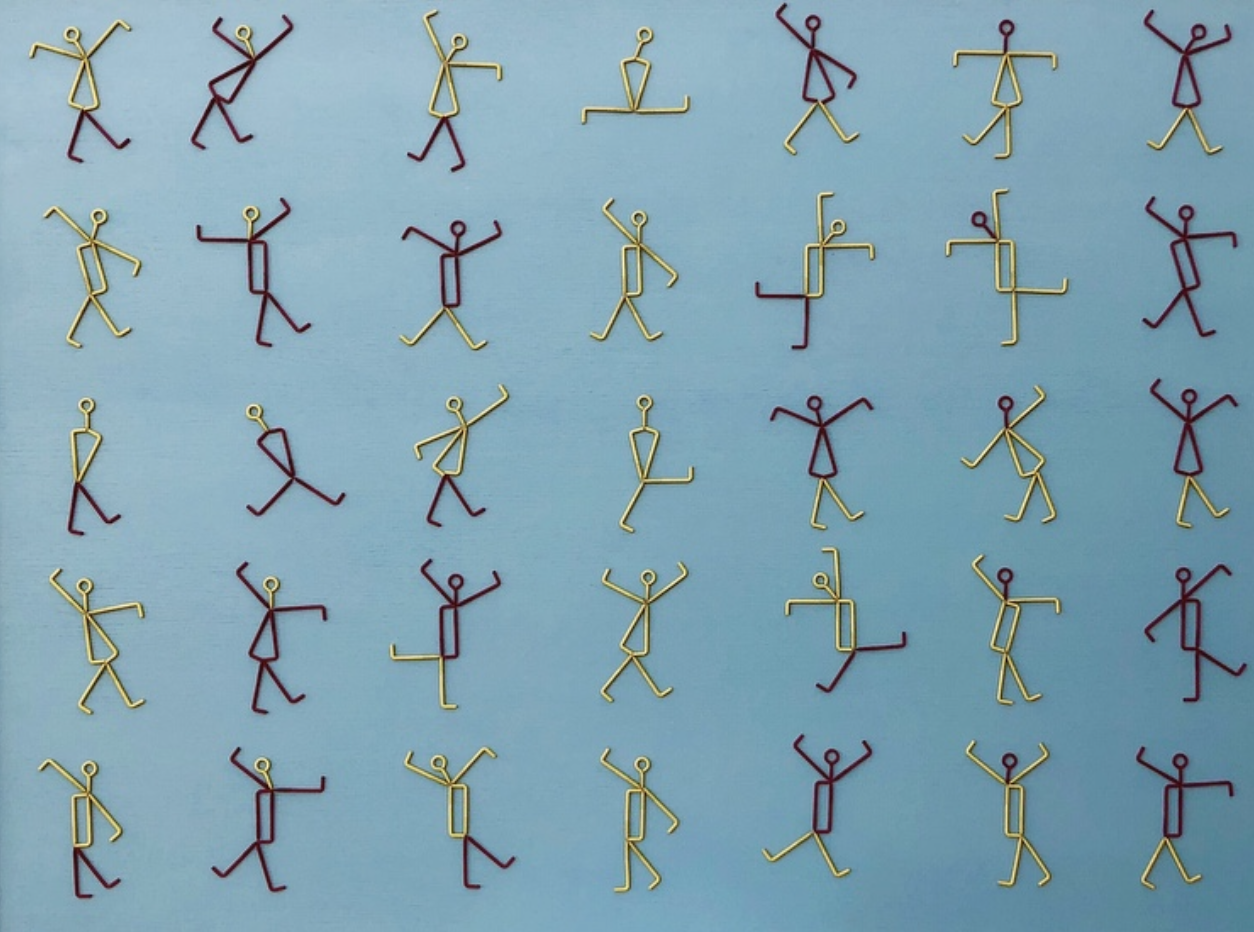
Q: One of your early artworks was called Untitled. You showed it at the Saudi Art Council in Jeddah. What was the story behind this work?
Bashaer: The theme of that exhibition was about time, stars, planets, the past, and the future. I wanted to speak from a story I truly lived, using an object from my own home: dried lemons. In our culture, we use dried lemons at home for folk medicine and cooking.
Q: What did you learn from using something so simple in a big art show?
Bashaer: The exhibition organizer was a French curator. He helped me understand how to connect two different worlds: an outside, global art culture with an inside, traditional culture from the home. We took something very popular and simple and made it beautiful. This experience changed the way I think about art.
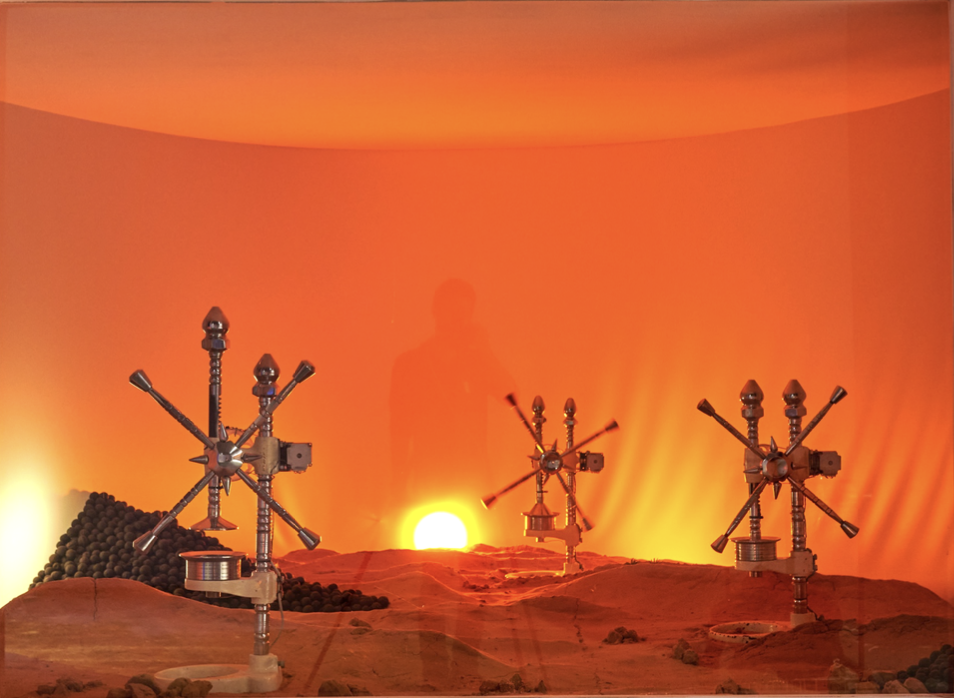
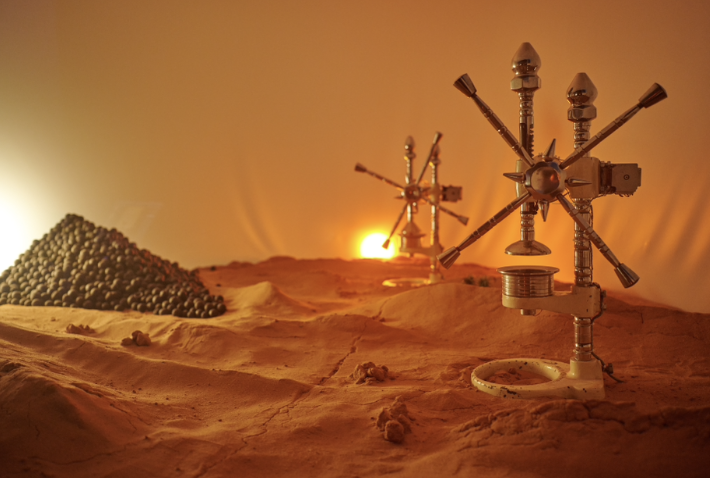
Untitled, 2021. Commissioned by the Saudi Art Council, Jeddah, Saudi Arabia. Image courtesy of Majed Angawi.
Q: Did you face any challenges in your artistic journey?
Bashaer: Honestly, yes, and I still face challenges today. At the beginning, I did not have a proper space or the right tools to support my thinking and artistic production. The challenge was not about having an artistic name. What mattered more was developing the way I think, and finding the right style to express my ideas. Even in art residencies, you do not always find every tool you need. I needed space. Around 2017, I was sleeping and working with heavy materials like metal in the exact same room. It was very frustrating and difficult for me.
Q: How did you deal with that?
Bashaer: I was very frustrated because I was sleeping and working in the same place. It was disturbing for me. But I think there was an idea in my mind that I wanted very badly, so I forced myself to continue.
Q: It sounds like your art really became a safe space for you during that difficult time. When people look at your creations today, is there a specific theme or symbol that always repeats?
Bashaer: I do not do it on purpose, but it appears naturally because of my personality and identity. My main goal is to be completely honest. I want people to feel connected to my art. I want them to feel that something that happened to me also happened to them.
I try to transfer this feeling through the material itself, because materials speak without words. For example, look at papyrus paper. Papyrus was once a living plant, and then it died to become paper. I use it to show that even when a story or a phase of life ends, it can start again in a new way.
In the past, it was hard for me when a story ended. I would ask why it had to end, and I wanted it to come back. But by working with these materials, I learned to accept things that end and begin again with something new. This is how we heal, and this is what life is about.
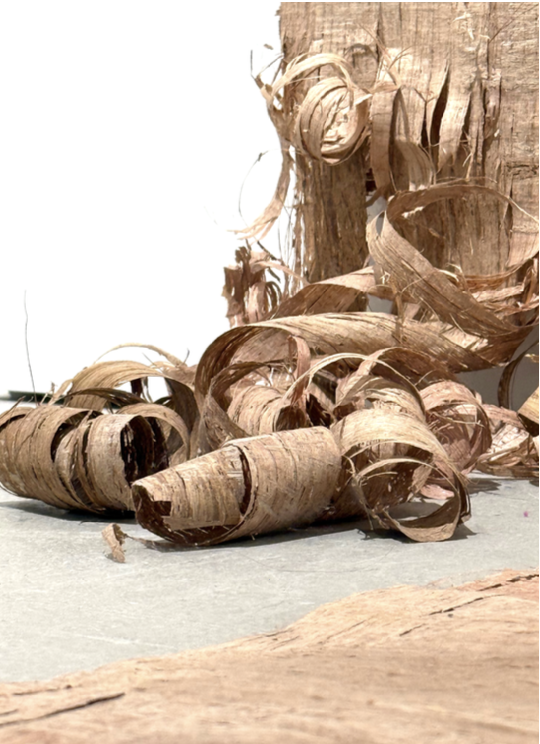
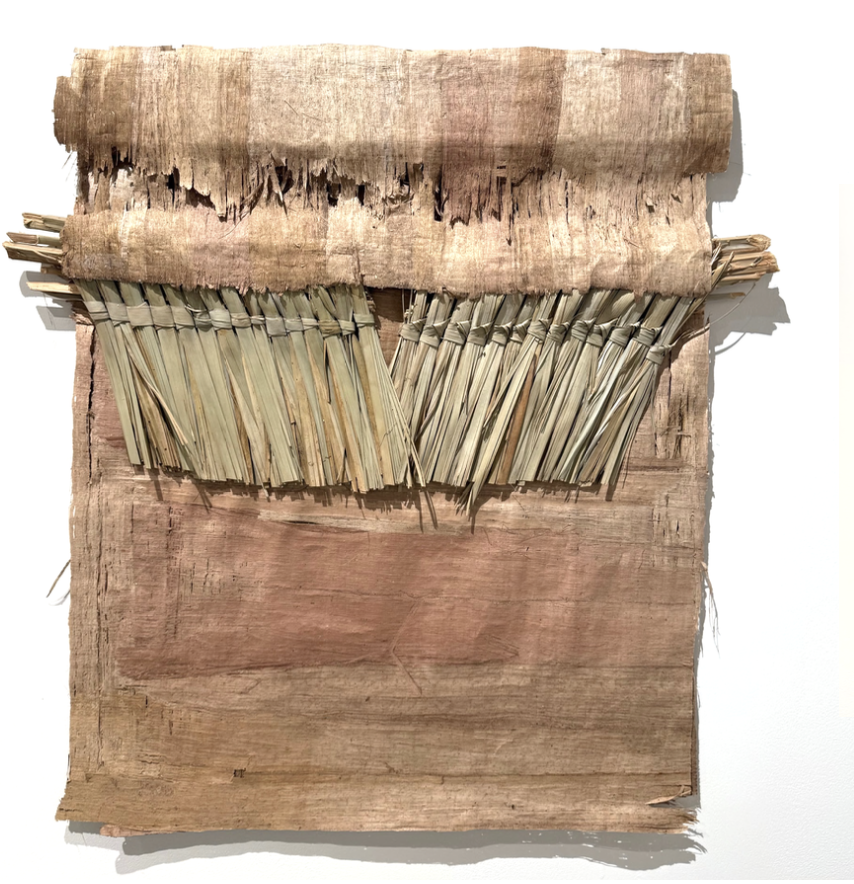
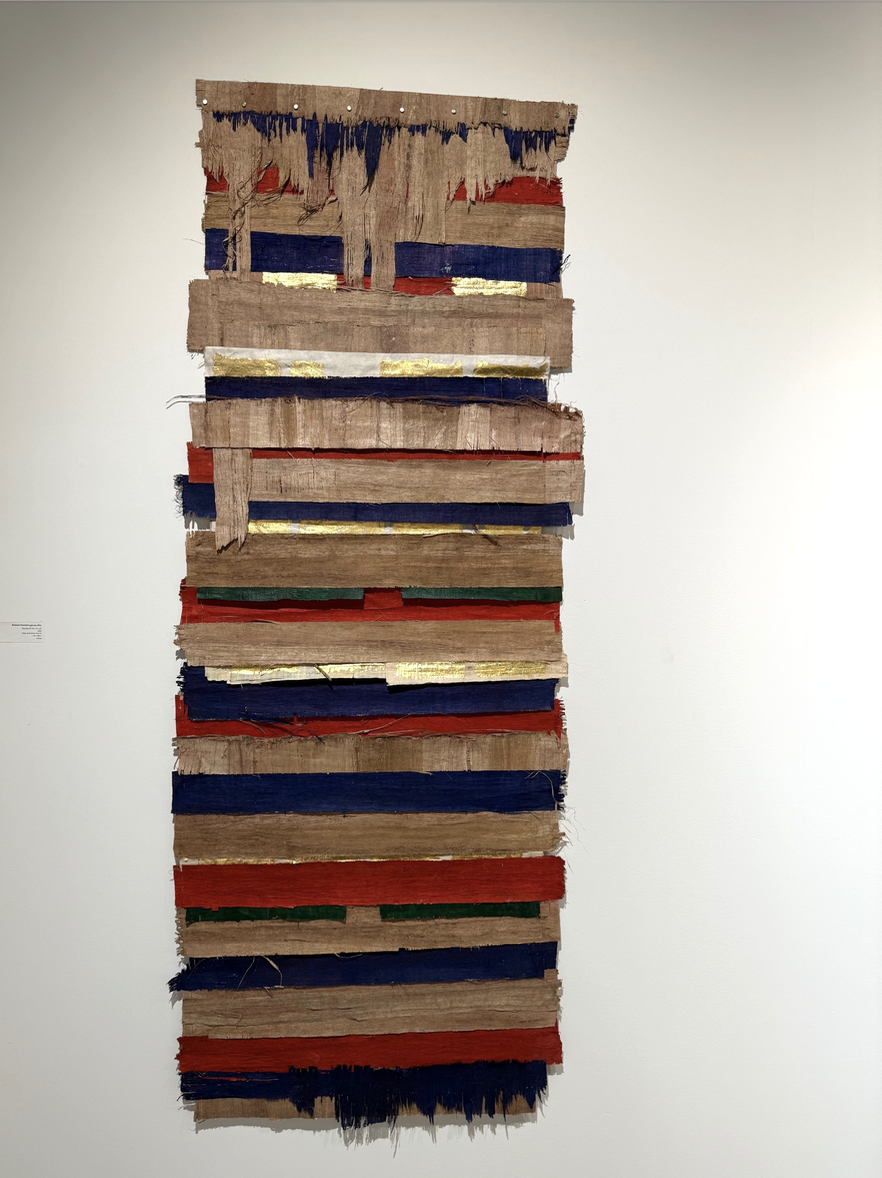
The Warmth of Leaning on You, 2024. Presented by Hafez Gallery at Abu Dhabi Art.
Q: What feeling or message do you want people to experience when they see your art?
Bashaer: Connection and honesty. From the beginning, I wanted to create a silent language between the audience and me. I wanted us to understand each other without speaking too many words.
This has happened to me many times. When I show my work, visitors often tell me, "I really felt what you are saying, but I do not know how to say it in words." I tell them that this is exactly what I wanted. We can understand each other's feelings, even if we cannot find the letters or words to explain it.
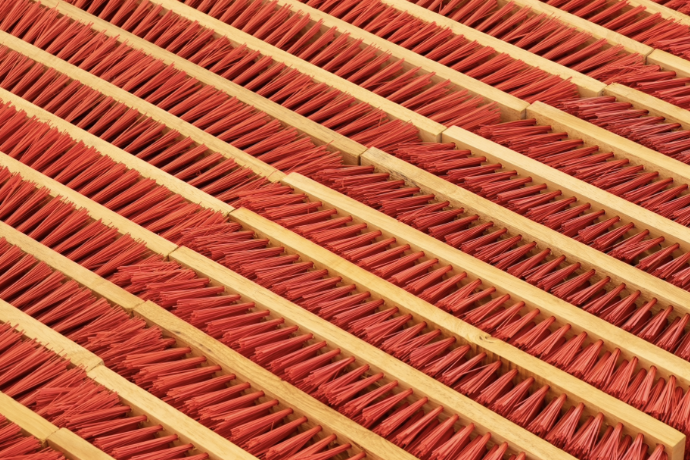
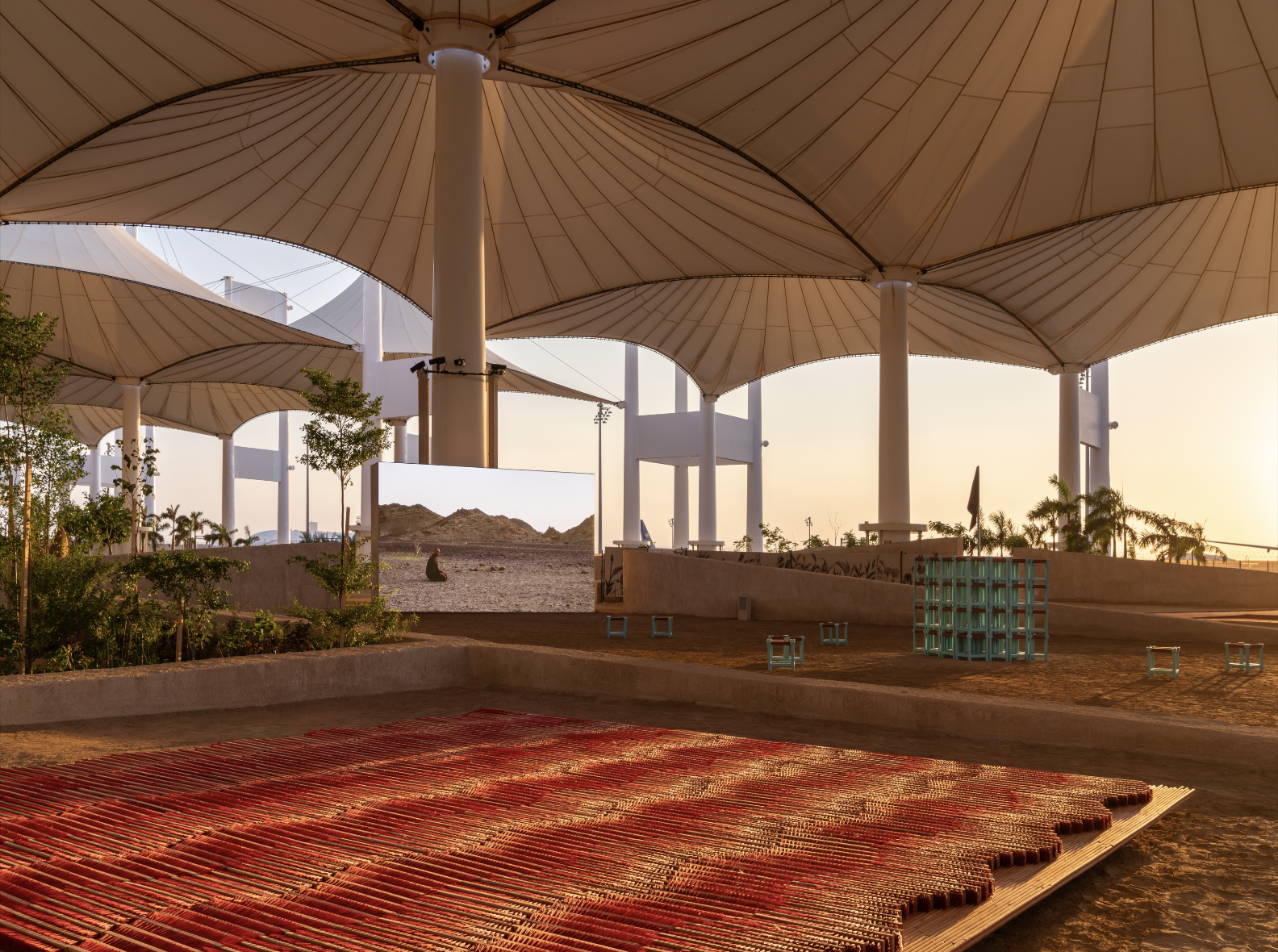
My Gift to You Is a Garden, 2025. Commissioned for the Islamic Arts Biennale by the Diriyah Biennale Foundation. Image courtesy of Diriyah Biennale Foundation.
Q: How did the Misk residency affect the way you thought about your work?
Bashaer: During the residency, I had an important conversation with my mentor that changed the way I understood art. She encouraged me to look beyond only personal themes and to pay more attention to the world around me. That conversation helped me understand that an artist’s language can begin from personal experience, but it should also be able to expand into wider human, social, and environmental themes. Art can be local in its details, but universal in the questions it raises.
For me, this opened a new way of thinking. I began to see that artistic isolation and personal themes can grow into a broader awareness of society, memory, place, and the human experience. Throughout history, artists have helped document their time by telling the stories of their communities, environments, and the world around them through their work.
I was already interested in soil and mud as materials, but I began to connect them to wider themes such as movement, labor, migration, survival, and distance from home. These are not limited to one person or one country. They are human experiences that happen across the world. Through these materials, I found a way to speak about those ideas in a more open and universal way.
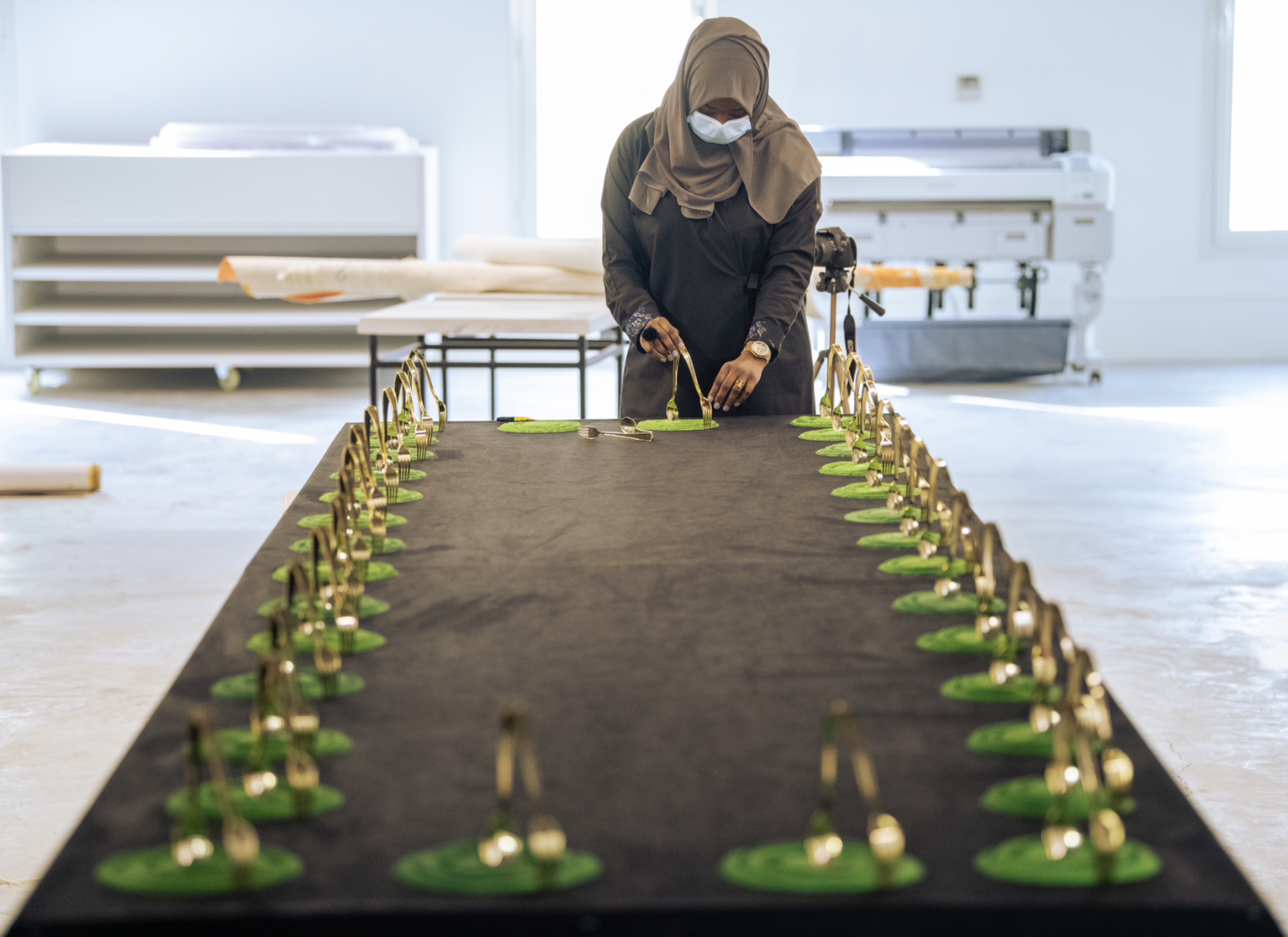
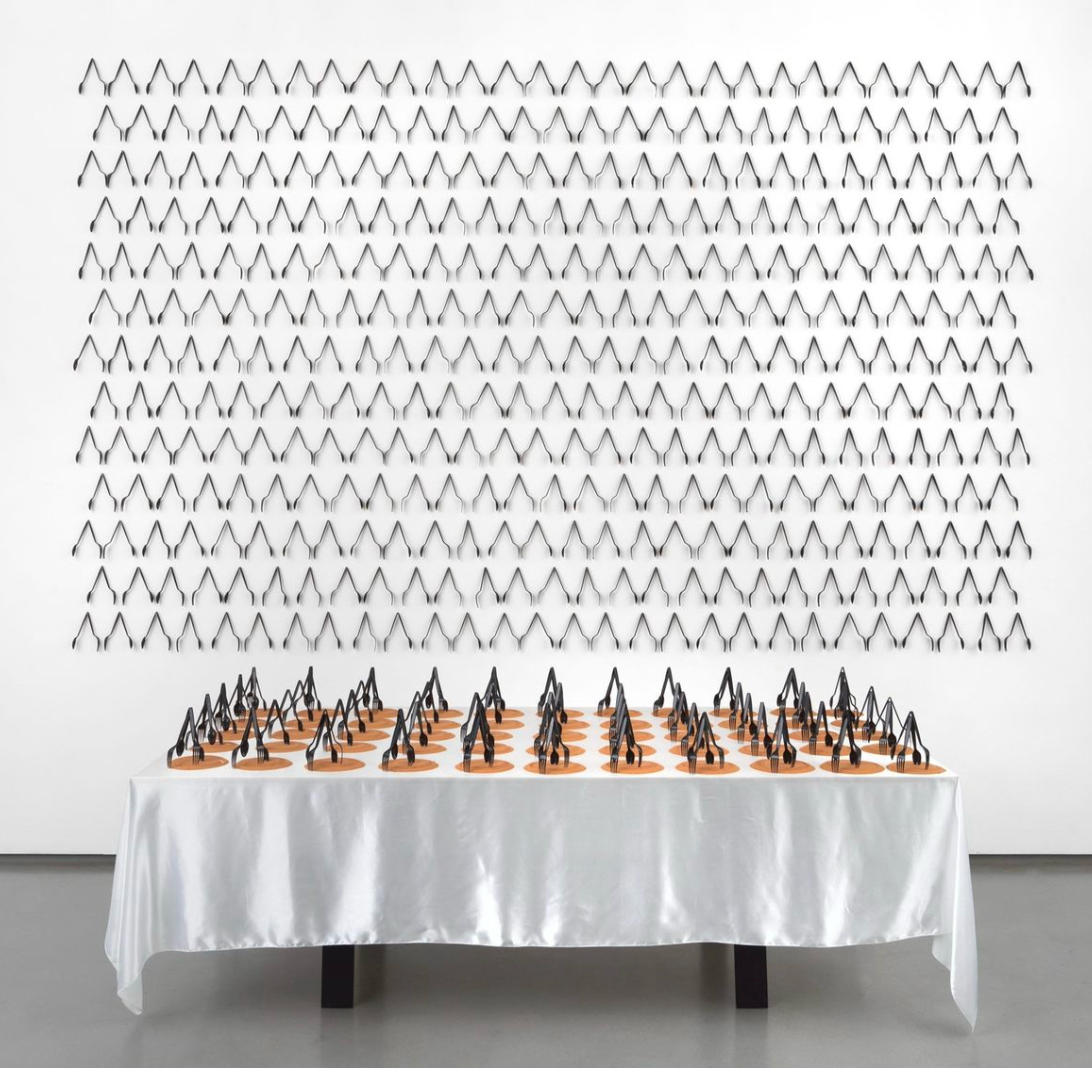
Eat Sand, I Don’t Eat You, 2022. Sand, spoon, and fork installation. Image Courtesy of Misk Art Foundation.
Q: Which of your artworks is the closest to your heart?
Bashaer: That is a very difficult question because every work has its own story. But maybe my series called Cleansing, which I started around 2019. This work is deeply psychological (related to the mind and emotions). It is something I live inside, and I feel I could continue making it for my whole life. This project helped me come closer to people, allowed my true personality to show, and taught me how to understand myself better.
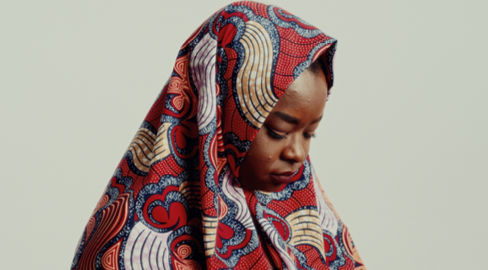
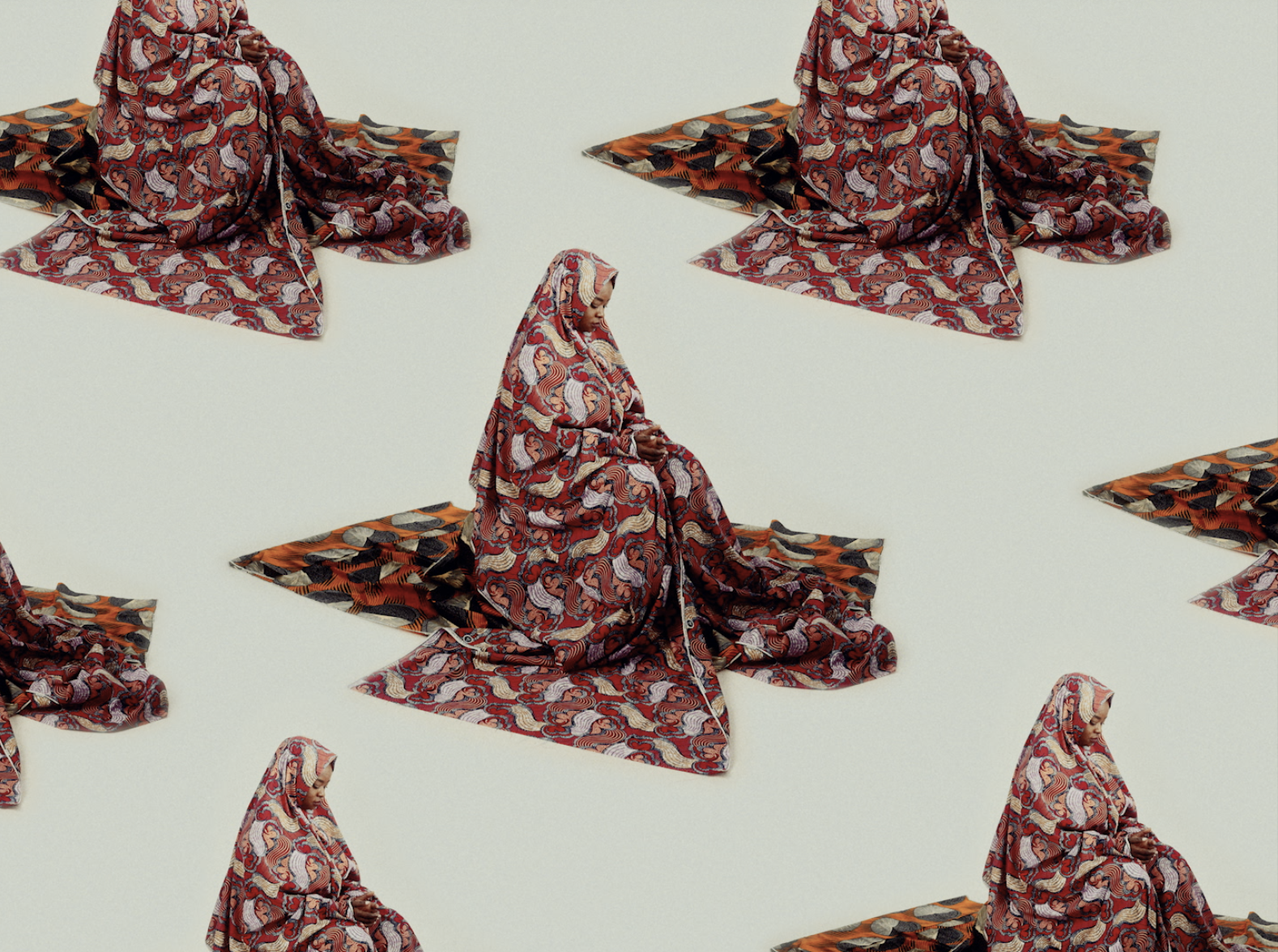
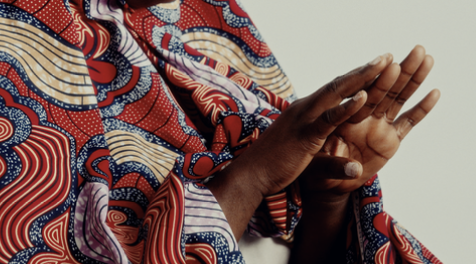
The Ritual of Purification, 2025. Video art presented as part of Homes of Memory at Hafez Gallery, Jeddah. Image courtesy of Bilal Allaf.
Q: You are an artist who never stops creating. You even participated in an international residency in Berlin with Misk. How do you want your art career to develop in the future?
Bashaer: I am a person who does not like to rush. I like things to move slowly and gently. When something grows slowly, it is like a tree that takes its time to produce beautiful, satisfying fruit.
Sometimes companies ask me to do commercial art commissions, and I tell them, "I am not ready." The opportunity is nice, but I do not want to present something I do not truly feel. I do not want to make art that has no life just to finish a job. I treat art as my real profession, but it is not just a business for me. I plan every step very carefully.
Q: You mentioned that you calculate each step very carefully. Does that mean you spend a lot of time preparing behind the scenes?
Bashaer: Yes. Maybe what many people do not know is that I work a lot more than I post on Instagram or social media. I sit and write a lot throughout the day. I experiment a lot. So when people speak to me, I am usually already ready because I am already working at home or in the studio.
Q: What kind of writing do you do during that preparation time?
Bashaer: At first, it is honestly venting. I vent about why I want to make this work, and why I would make someone leave their home and come to an exhibition to look at it. I do not want to waste their time, first of all.
I want them to find themselves in it, or connect with something, or understand, or feel something, and return with something. Instead of leaving and saying, "Okay, I just wasted my time." When I make it, sometimes the feeling is that I want them to say, "Oh, I liked this." Even children, when they come in, I want them to live an experience. I want them to benefit from it. What I want to leave people with is questions and curiosity.
Bashaer Hawsawi does not create for quick digital validation or social media trends. Her practice is a quiet, deliberate act of translation, taking the overlooked objects of daily life and charging them with a profound psychological weight. She builds a quiet sanctuary where materials speak for themselves, where endings naturally make room for new beginnings, and where human beings can finally connect in total, wordless honesty.
In a fast-moving world, her installations do not just demand to be seen. They invite us to slow down, to look at the spaces around us, and to listen.
Stay close to Bashaer Hawsawi’s moving materials, concepts, and upcoming exhibitions on her social platforms at @Bashaer.Hawsawi.
We’d love to hear from you! Reach out to share your own artistic journey.