CONTINUUM ’26 Opens in Riyadh With a New Generation of New Media Artists
Discover CONTINUUM ’26 at Diriyah Art Futures, Riyadh, where emerging artists explore AI, memory, identity and immersive new media.
Discover CONTINUUM ’26 at Diriyah Art Futures, Riyadh, where emerging artists explore AI, memory, identity and immersive new media.
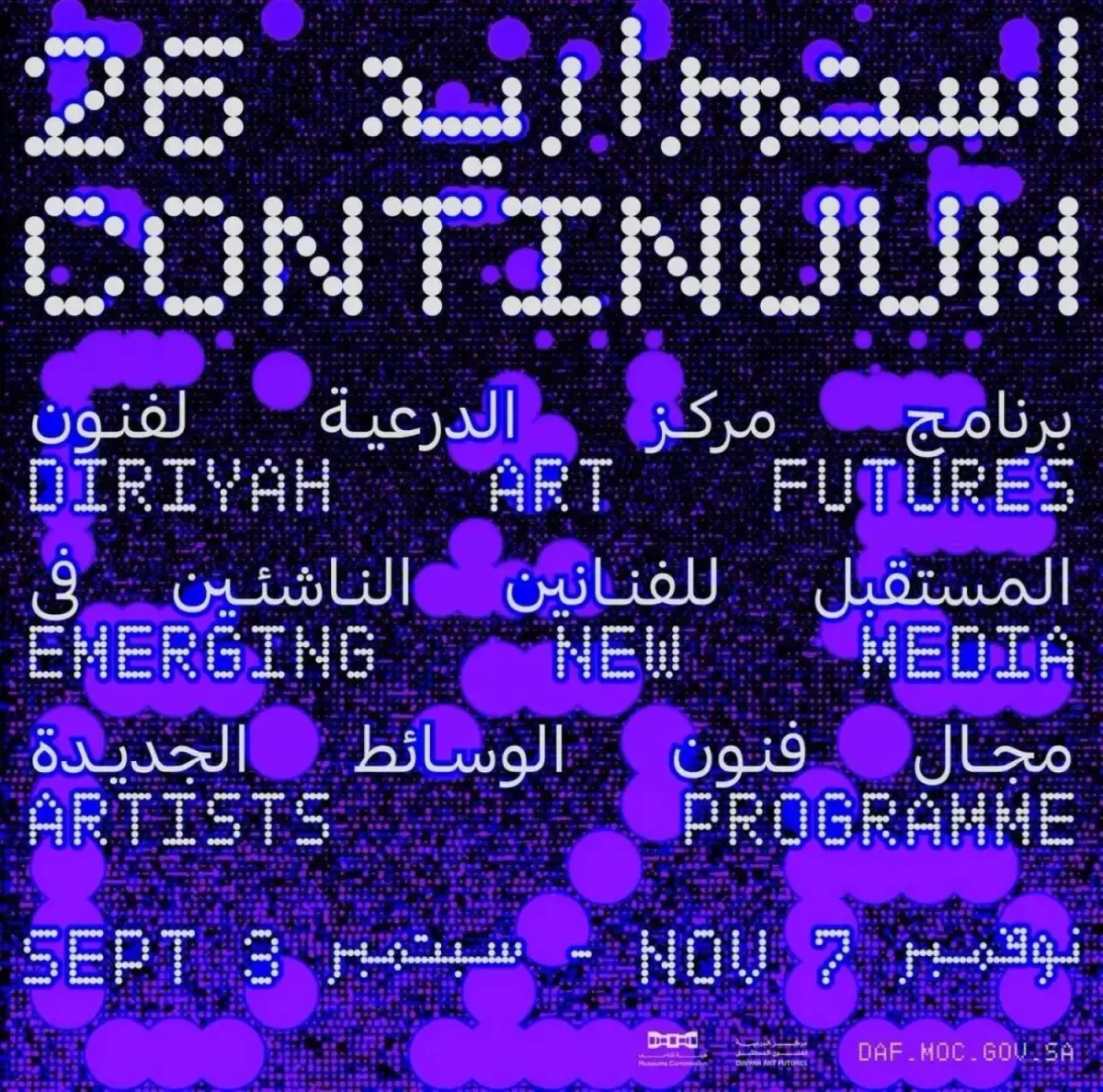
Diriyah Art Futures has opened the second edition of CONTINUUM, bringing together emerging artists working across virtual reality, artificial intelligence, sound, moving image and interactive installation.
CONTINUUM ’26, now on view in Diriyah until 7 November 2026, presents new works by 16 emerging artists developed through Diriyah Art Futures’ year-long Emerging New Media Artists Programme. Rather than approaching technology as spectacle alone, the exhibition asks more intimate questions about memory, identity, power, perception and the increasingly blurred boundaries between human and artificial worlds.
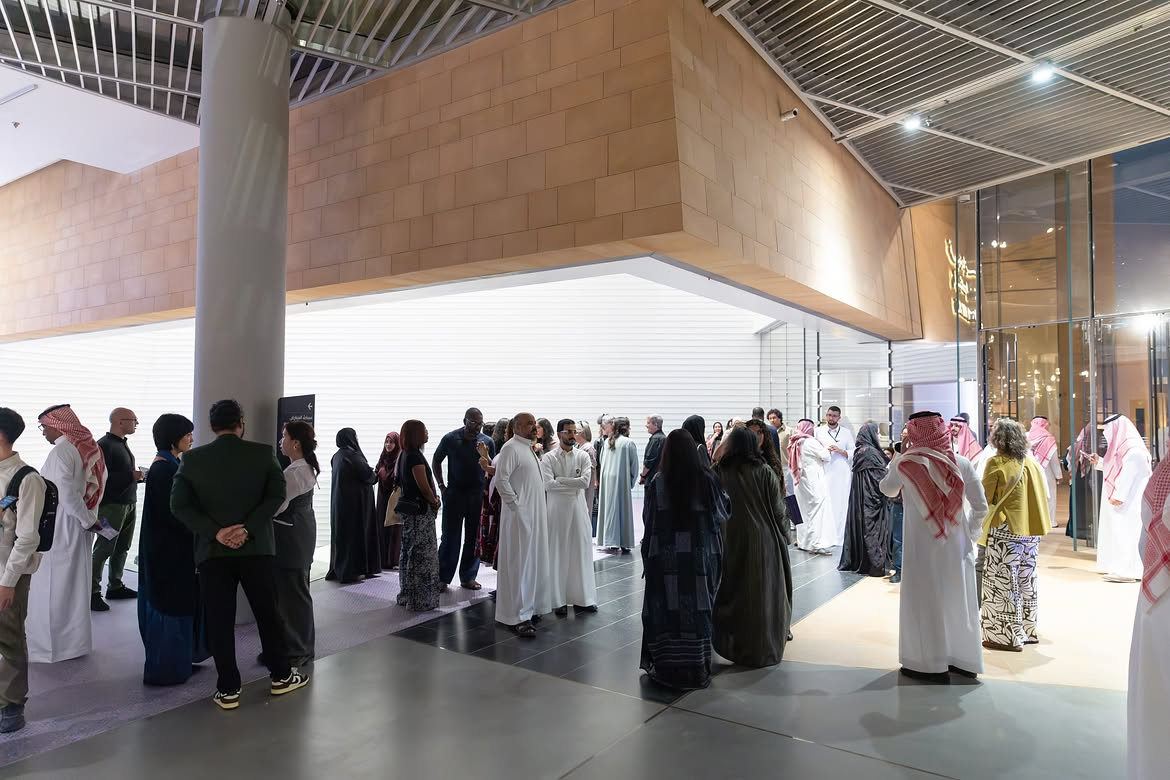
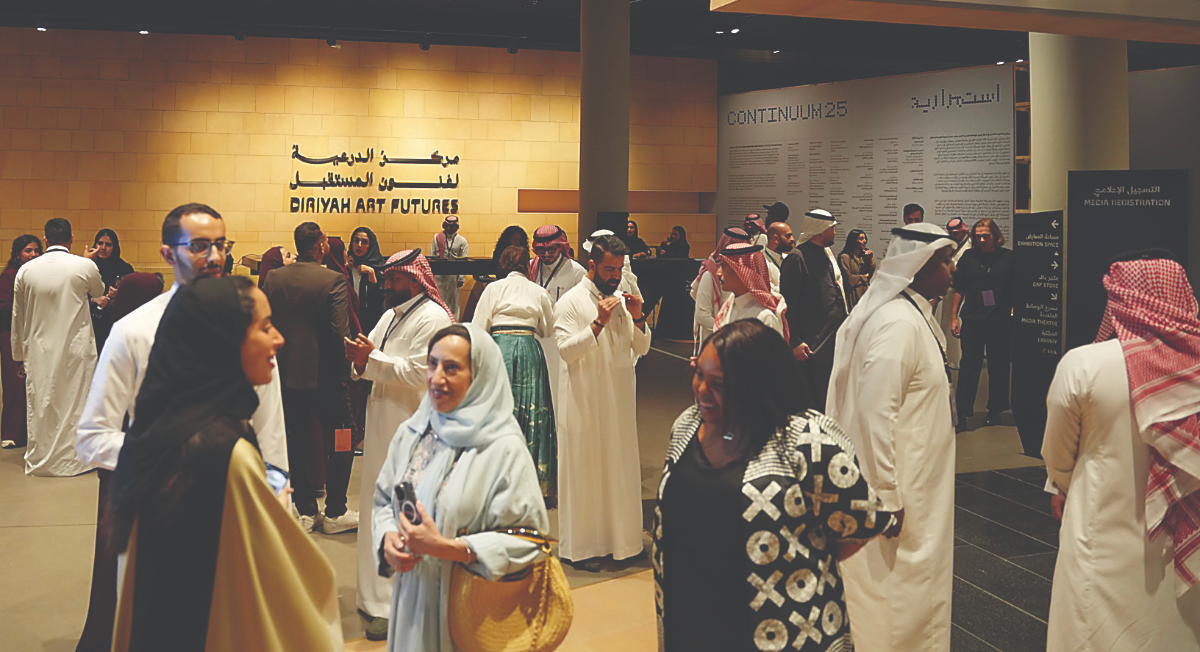
CONTINUUM ’26 is the second edition of an annual exhibition organized by Diriyah Art Futures, an institution under Saudi Arabia’s Museums Commission and Ministry of Culture dedicated to new media art. The exhibition opened on 3 September and brings together work created during an intensive year of research, mentorship and production. The artists have experimented with immersive installations, light, sound, moving image, virtual and mixed reality, as well as AI-generated work.
That makes CONTINUUM different from a conventional group exhibition. Many of the works were not simply selected and brought to Riyadh. They were developed through the programme itself, with participating artists receiving access to education, production support and technical resources at Diriyah Art Futures. The programme is developed in collaboration with Le Fresnoy, Studio national des arts contemporains in France.
It is this process of experimentation that gives the exhibition its name. CONTINUUM refers to artistic development as something ongoing, with different practices meeting across shifting boundaries between the real and artificial, organic and synthetic, and human and machine intelligence.
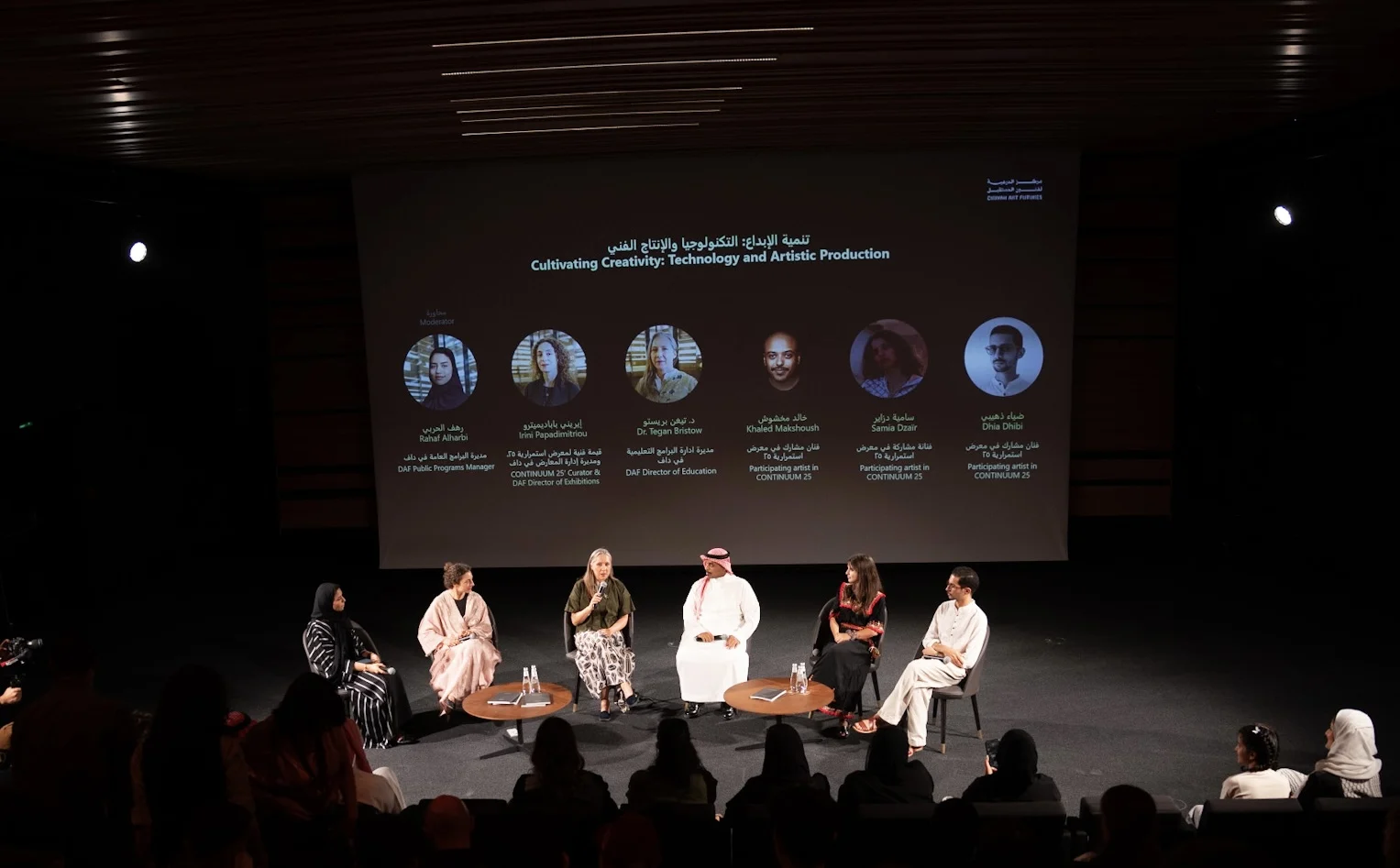
Visitors can expect plenty of technological experimentation, but CONTINUUM ’26 is not simply an exhibition about new gadgets or digital effects. Curated by Irini Papadimitriou, with Bushra Alghamdi as assistant curator, the exhibition is structured around four broad areas of inquiry: memory, systems of power, the body and perception, and repetition and collective experience.
Together, they bring the exhibition back to fundamentally human questions.
These questions appear across works made with some of contemporary art’s newest tools, but their emotional and social concerns are far older.
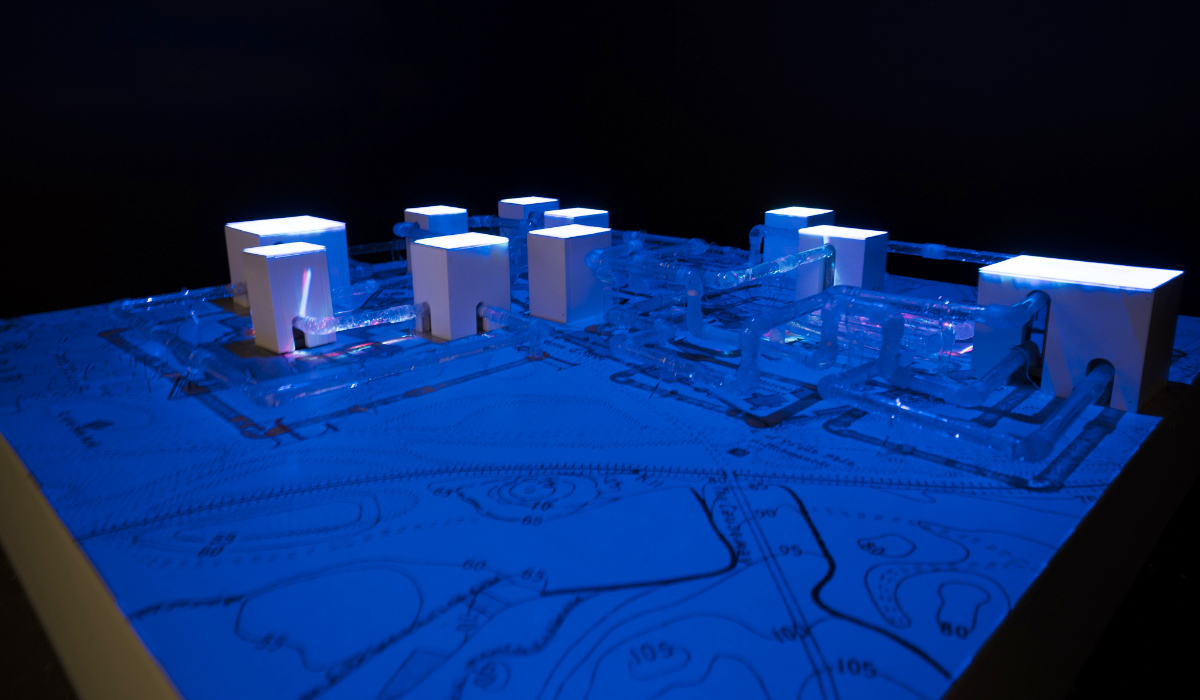
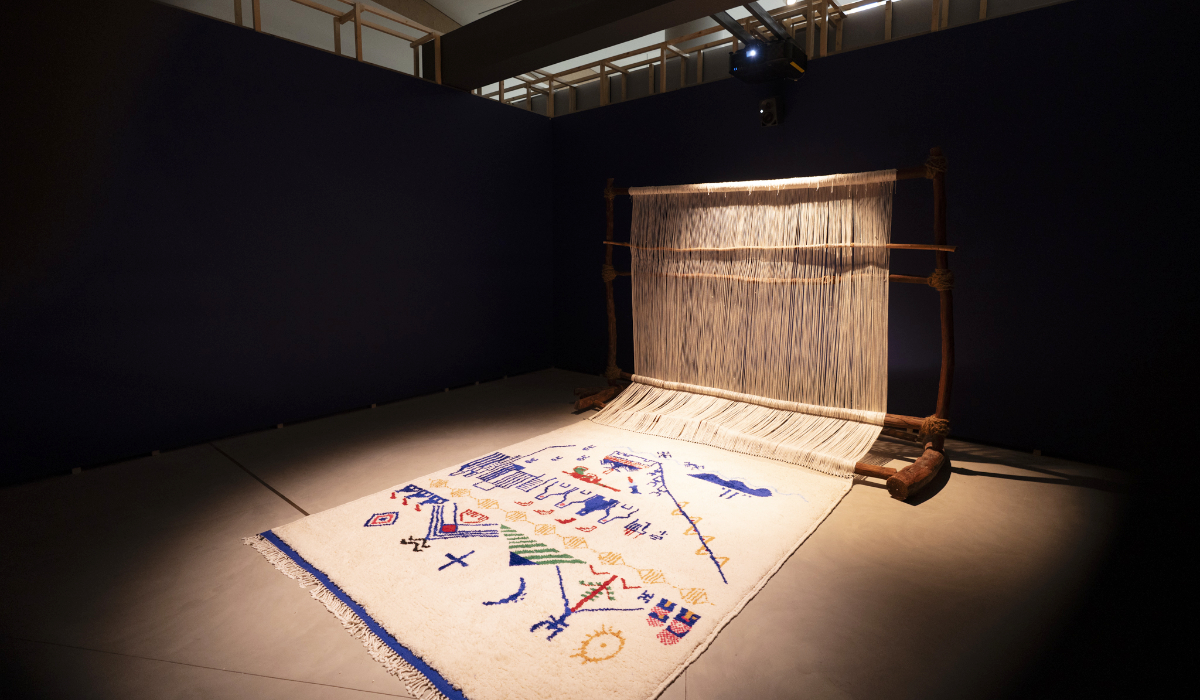
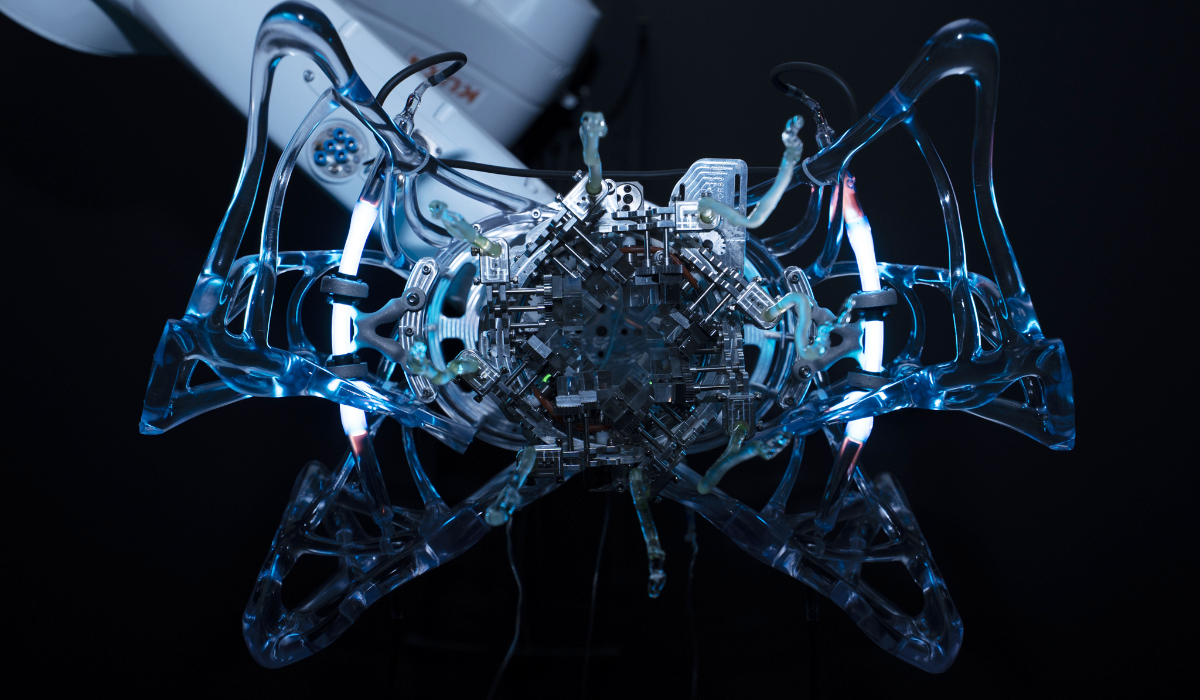
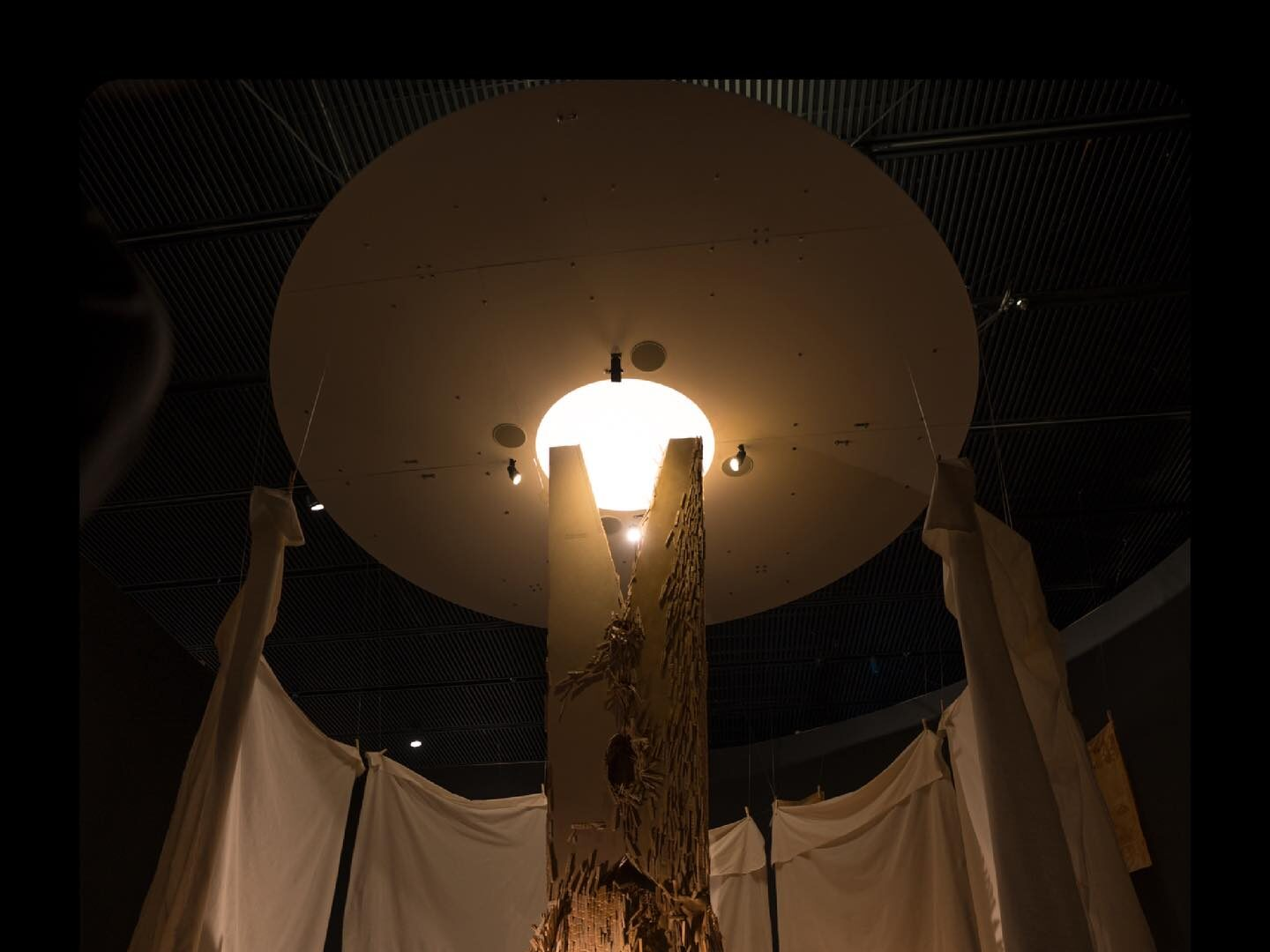
The published exhibition lineup includes artists and collectives from Saudi Arabia, Egypt, Kuwait, Yemen, Hong Kong, Uganda, China, the United Kingdom, India, Russia and Mexico. Among the participating names are:
For Riyadh audiences, the presence of Saudi artists within this international group is particularly worth watching. New media remains a relatively young institutional field in the Kingdom compared with painting, photography or sculpture, making platforms such as CONTINUUM important spaces for artists testing forms that do not fit neatly inside traditional categories.
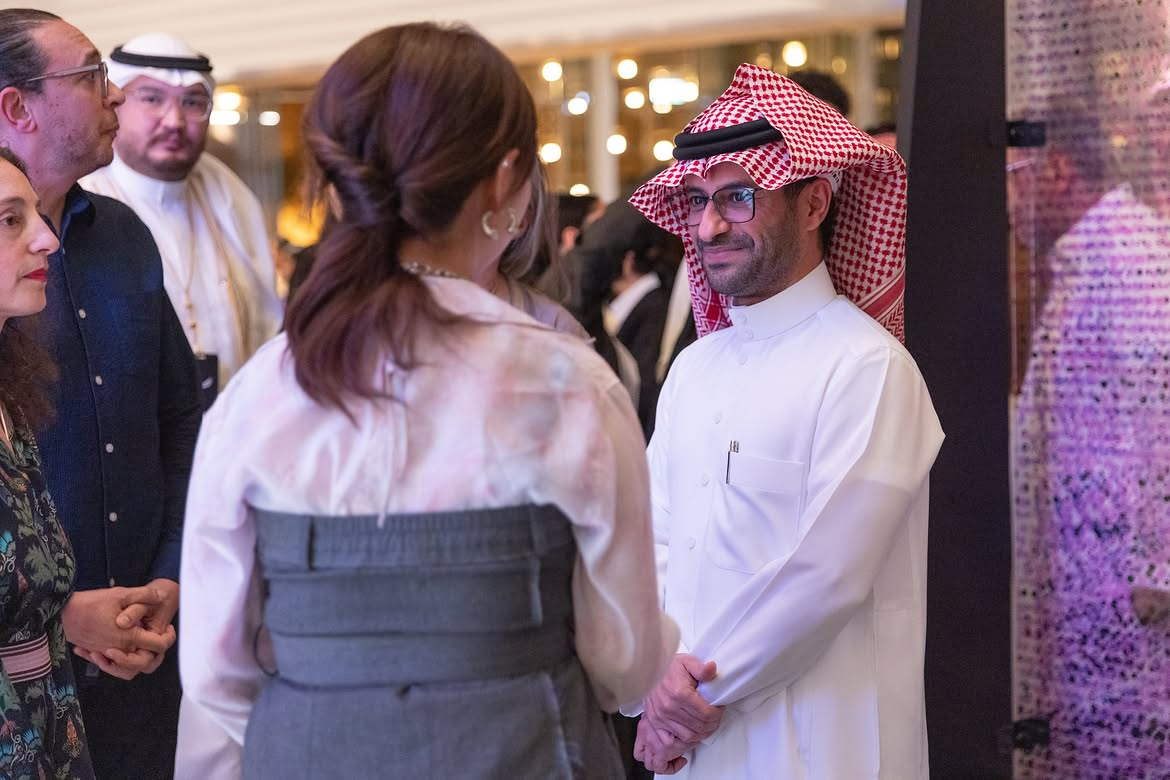
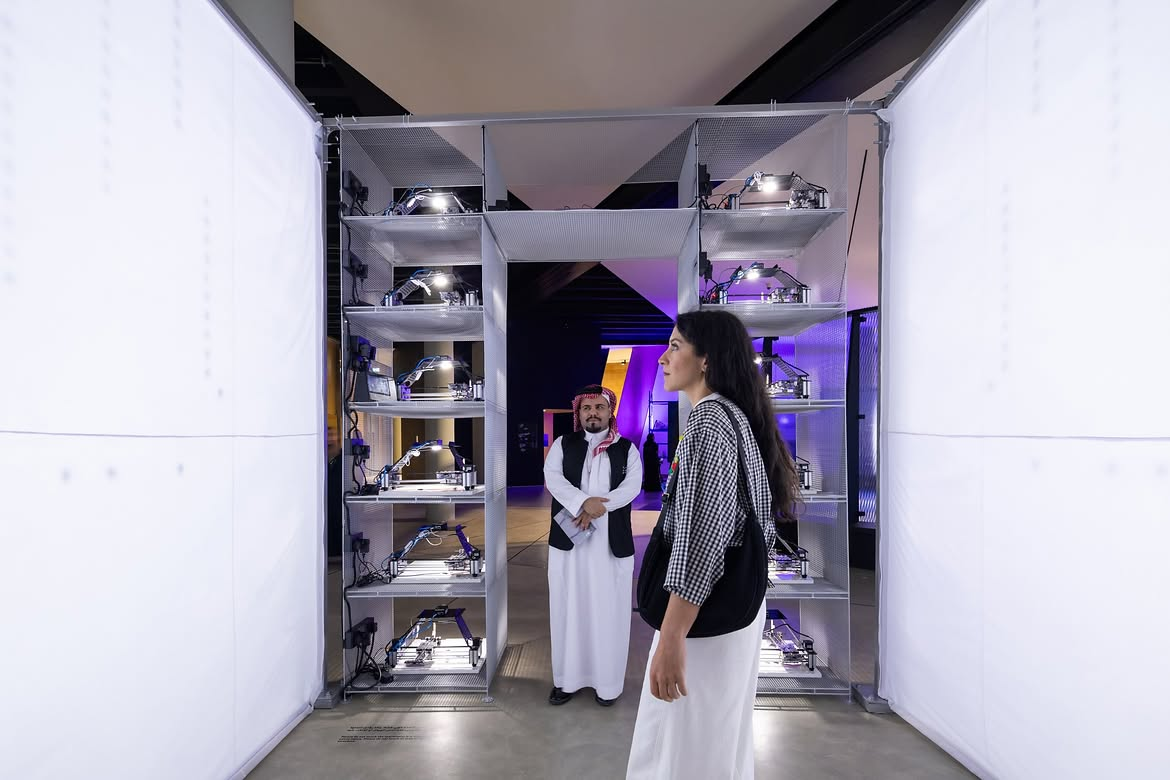
The range of media at CONTINUUM ’26 is deliberately broad. Some artists work with virtual and mixed reality. Others use sound, moving image, light or generative systems. Artificial intelligence appears throughout the exhibition, but it sits alongside more physical concerns such as movement, gesture, sensory experience and the body. The programme’s two mentor-artists also contribute works.
Canadian multidisciplinary artist Louis-Philippe Demers presents Radiant Bodies, an interactive installation in which human gestures become part of a collective choreography. South African artist Rick Treweek presents Ghost Out The Shell, combining sculpture and virtual reality to explore the relationship between physical and virtual identity. Their presence helps underline one of the exhibition’s central ideas: the relationship between humans and technology is no longer confined to screens. It increasingly involves movement, space, identity and the ways we understand our own bodies.
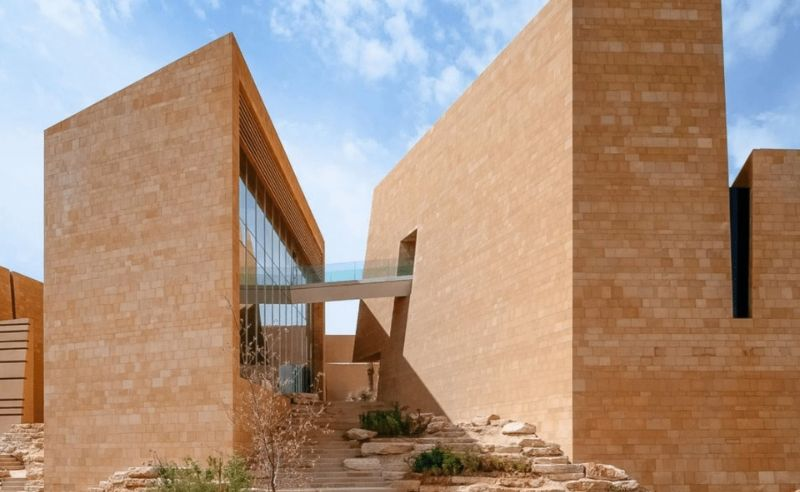
The location gives CONTINUUM ’26 another layer of meaning. Diriyah is closely associated with Saudi history and cultural memory, yet Diriyah Art Futures has been created specifically to explore new forms of artistic production at the intersection of art, science and technology.
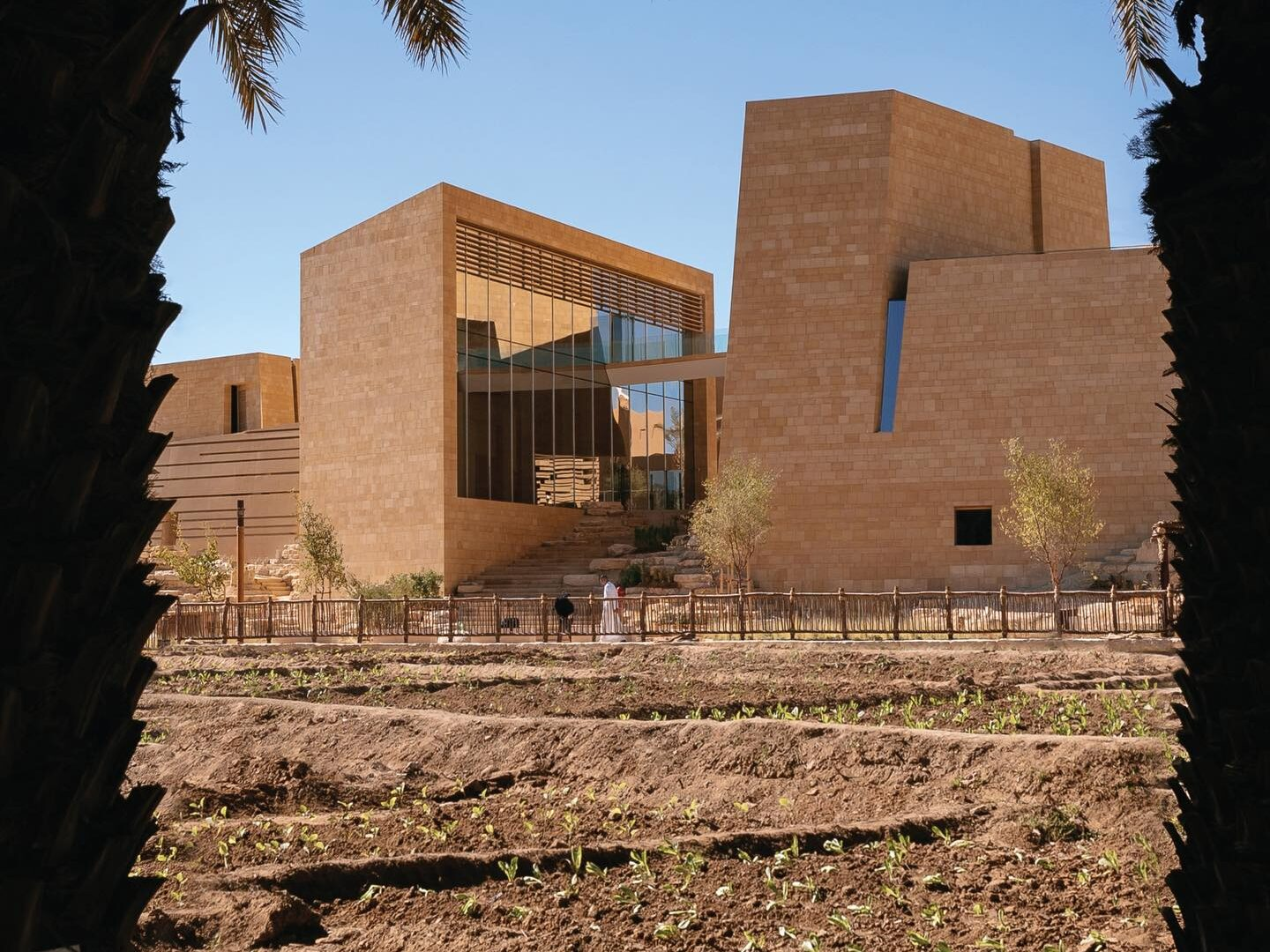
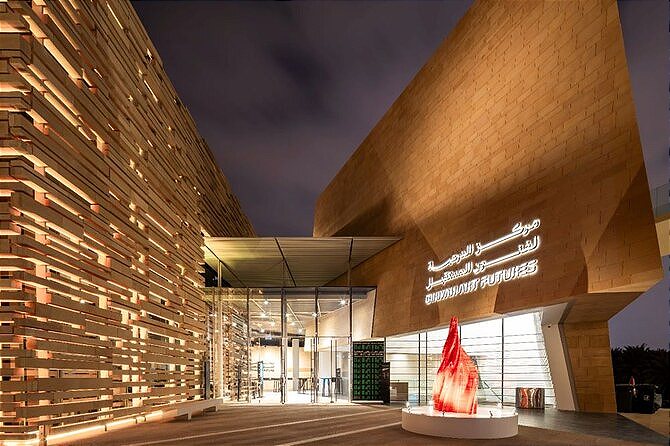
The institution itself opened as a dedicated new media arts hub, with exhibition spaces and facilities designed to support experimentation and production. Its 12,000-square-metre complex was designed by Schiattarella Associati and completed in 2024. That meeting of historical landscape and future-facing artistic practice feels especially relevant to CONTINUUM.
Saudi Arabia’s cultural transformation is increasingly being shaped not by choosing between heritage and technology, but by allowing the two to exist within the same conversation. At Diriyah Art Futures, that conversation becomes literal.
CONTINUUM ’26 is also accompanied by a public programme of talks, workshops and activities covering areas including artificial intelligence, virtual reality and digital photography. For visitors who may not already be familiar with new media art, this could be one of the most useful ways into the exhibition. Works involving AI, immersive environments or interactive systems can sometimes feel technically distant when encountered without context. Artist conversations and workshops offer a way to understand not only how these works are made, but why artists choose these technologies in the first place.
That educational element is central to the wider purpose of Diriyah Art Futures. The institution is positioning itself not simply as a place where digital art is displayed, but as one where artists can learn, experiment, produce and eventually show new work.
CONTINUUM ’26 is on view at Diriyah Art Futures in Diriyah, Riyadh, from 3 September to 7 November 2026.