How Nawaf Al Dohan Makes Art More Interactive, Inventive, and Alive
Explore Nawaf Al Dohan’s immersive Saudi art, from Riyadh’s pixel skies to AI, film R&D, and cultural memory.
Explore Nawaf Al Dohan’s immersive Saudi art, from Riyadh’s pixel skies to AI, film R&D, and cultural memory.
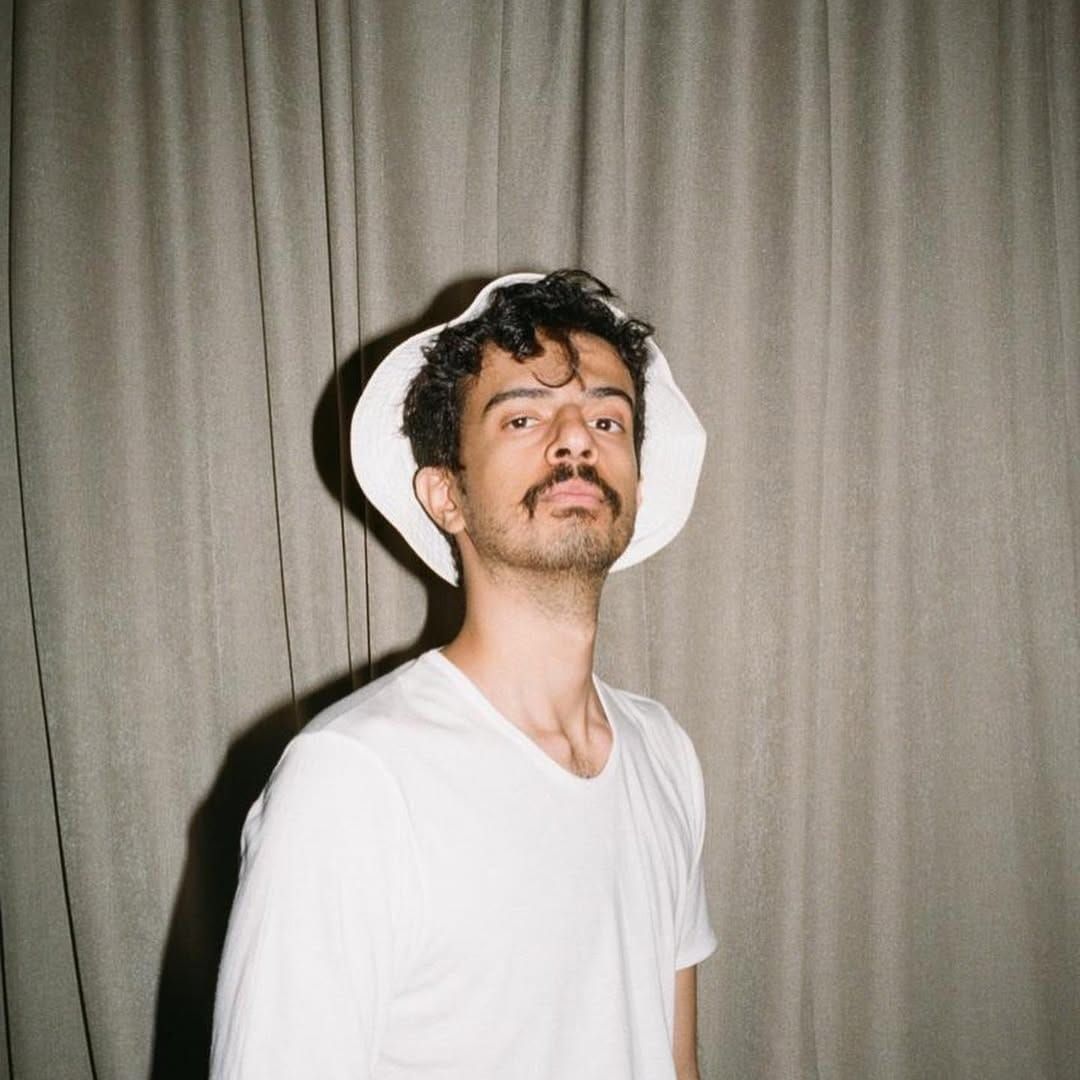
Nawaf Al Dohan belongs to a new generation of Saudi artists who do not separate technology from emotion. Born in 1993 and based in Riyadh, he is an experimental artist, inventor, creator, director, and film technology researcher whose work moves between pixels, clouds, artificial intelligence, cinema, and cultural memory. His practice does not treat innovation as spectacle. Instead, it asks how a city can be felt through data, how a story can respond to its audience, and how Riyadh’s changing landscape can be transformed into something immersive, poetic, and alive.
For Nawaf Al Dohan, Riyadh is not only a city. It is an atmosphere, a rhythm, a visual system, and a memory in motion. His work often explores the delicate relationship between Riyadh’s natural beauty and its technological progress, bringing together images of clouds, flight, weather, skylines, and urban movement. These motifs do not appear as decoration. They become emotional symbols for a city suspended between earth and sky, heritage and acceleration, stillness and change. In his world, Riyadh can be pixelated and deeply personal. A skyline can respond. A cloud can become data. A viewer can become part of the story.
Before Nawaf’s work entered the language of immersive experiences, public projections, patents, and research labs, it began with comics. His artistic journey started in childhood drawing comics, then expanded into pixel art and animation. That early world-building instinct still shapes his practice today. Comics gave him sequence. Pixel art gave him structure. Animation gave him motion. Computer science gave him the tools to make those imagined worlds respond. This evolution proves Nawaf’s technology never feels detached from storytelling. It feels like a continuation of drawing by other means. The page became the screen. The screen became an environment. The environment became interactive.
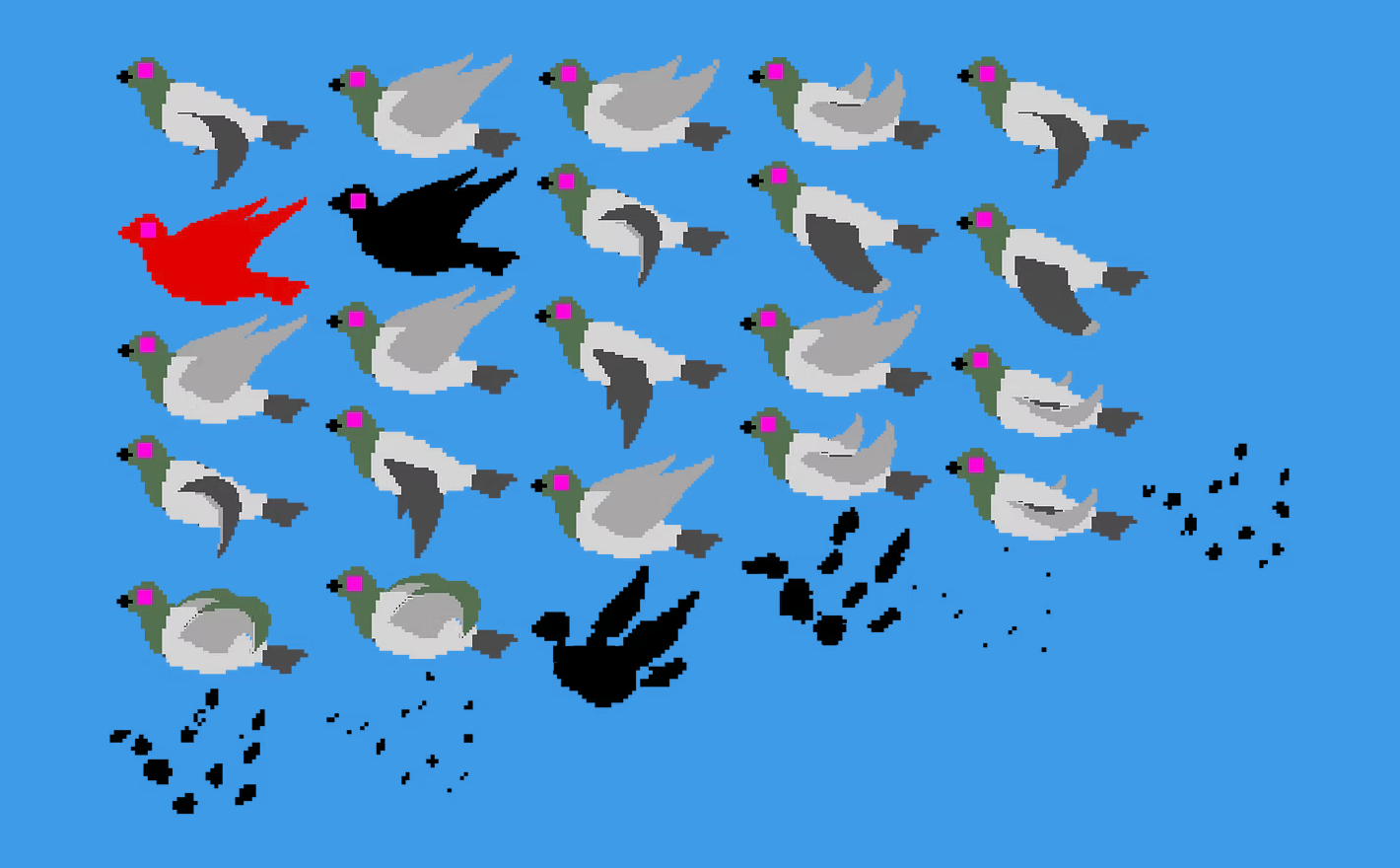
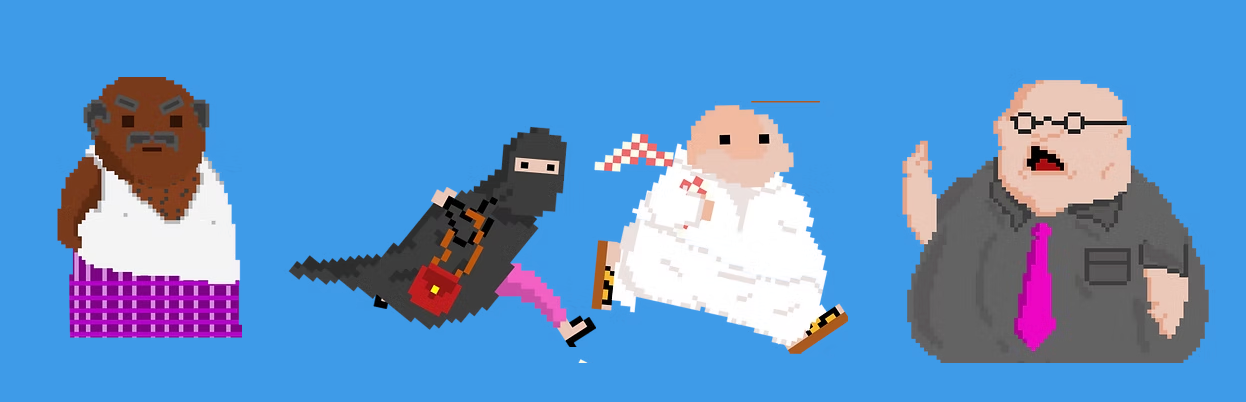
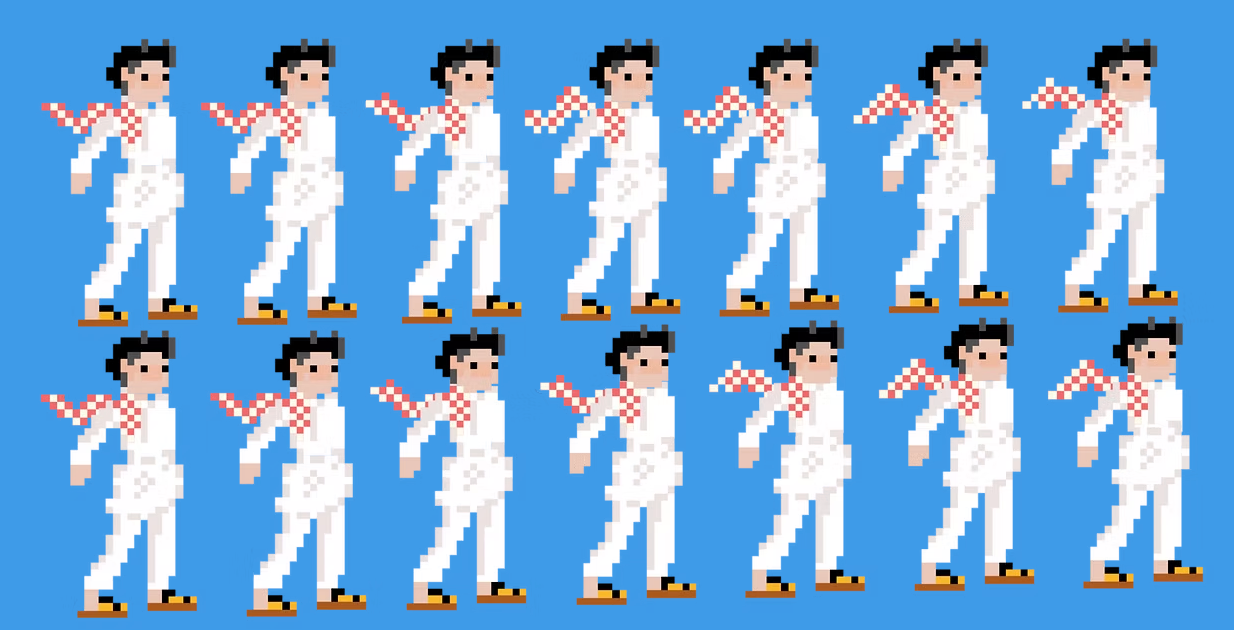
One of the clearest examples of Nawaf’s early digital imagination is Alfag3ah, a pixel-art video game whose title is translated on his website as “Running Away.” The game is based on Riyadh City and features Saudi pixel art characters. The project is small in scale compared to his later public installations, but conceptually important. It shows Nawaf treating Riyadh as a playable world, not simply a backdrop. The city becomes animated, stylized, and reimagined through a local digital language.
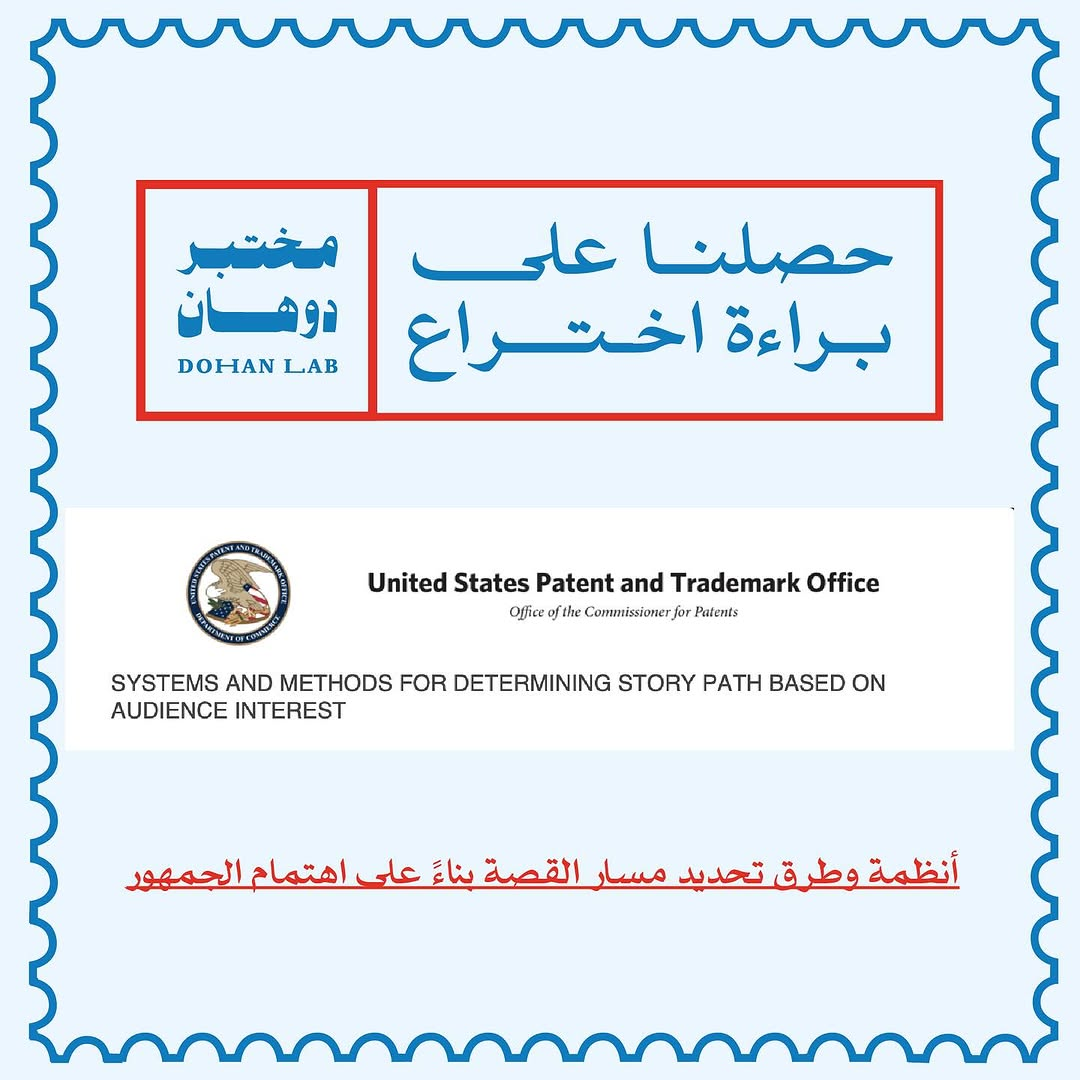
Nawaf’s rare position in the Saudi art scene comes from the way he moves between artistic imagination and technical invention. He holds a U.S. patent granted in 2022 for systems and methods for determining story paths based on audience interest. The patent describes interactive content that can change in real time according to what audiences observe, including the use of visual cues and eye movement to determine the next story path. This is not technology as spectacle. It is technology as authorship.
The idea behind the patent reveals something central to Nawaf’s practice: the audience is not passive. Viewers do not only watch. They influence, activate, and shape the experience. In his work, attention itself becomes a creative force.
Since 2017, Nawaf has headed Dohan Lab, a film R&D platform focused on code, innovation, research, and production technology. Dohan Lab works on using technology to innovate in film production, developing patents, following new research papers, and using code to reduce production costs. This side of Nawaf’s career gives depth to his public identity. Behind the poetic images of clouds, skies, and memory is someone thinking carefully about systems: how films are made, how production can become more efficient, how research can move into practice, and how Saudi storytelling can be supported by new tools. Dohan Lab positions him not only as an artist who creates experiences, but as a builder of creative infrastructure.
In 2019, Nawaf Al Dohan was selected as one of the top 20 finalists in Riyadh’s Artathon, a competition where artists used artificial intelligence tools to create new artworks. His selection was especially notable because he was chosen from 2,000 participants, placing him among the most promising artists in the competition. Artathon marked an important moment in Saudi Arabia’s emerging relationship with AI and art. For Nawaf, it was a natural fit. His practice already lived between imagination and computation, between visual culture and technical experimentation. At its best, his use of technology does not replace the artist’s hand. It extends the artist’s question.
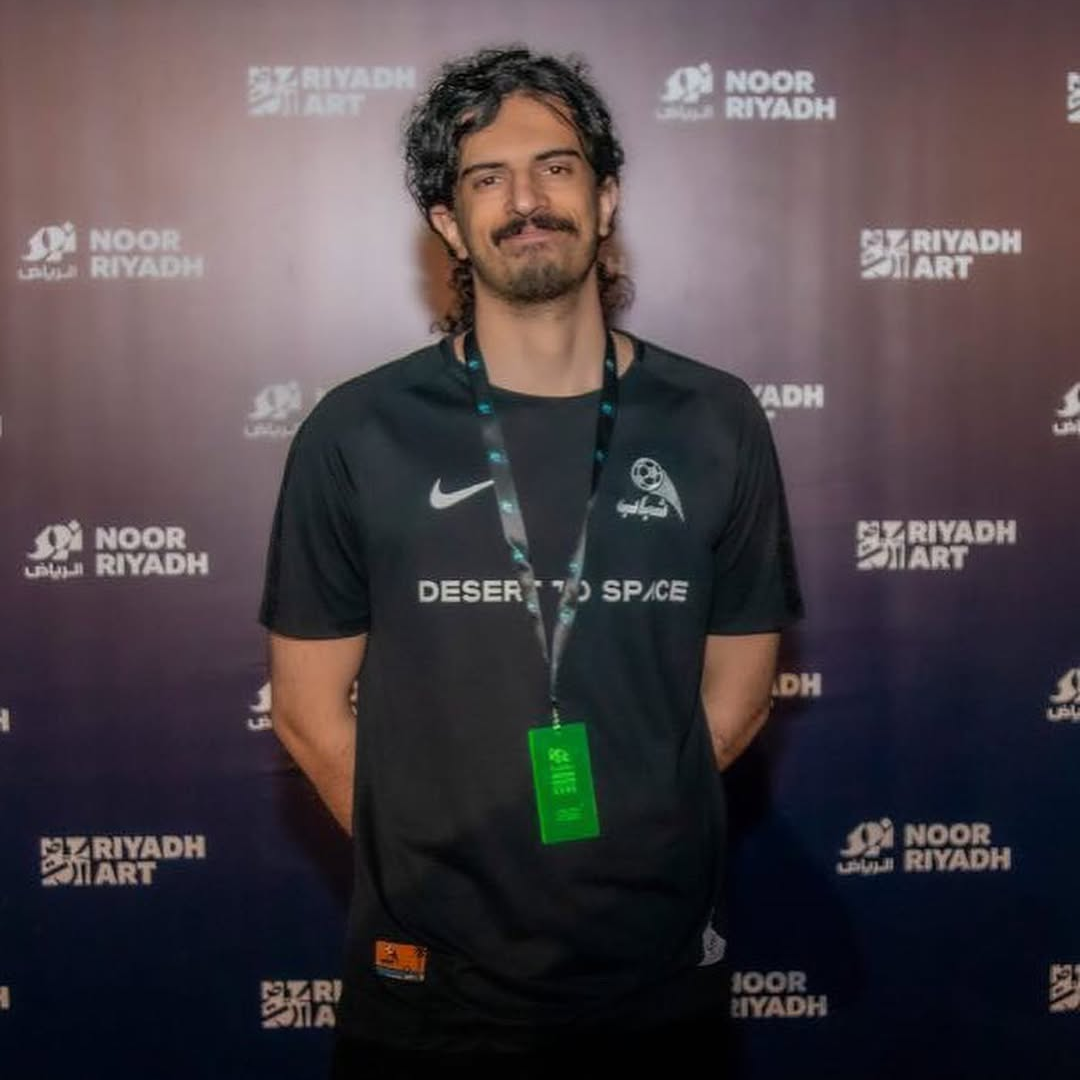
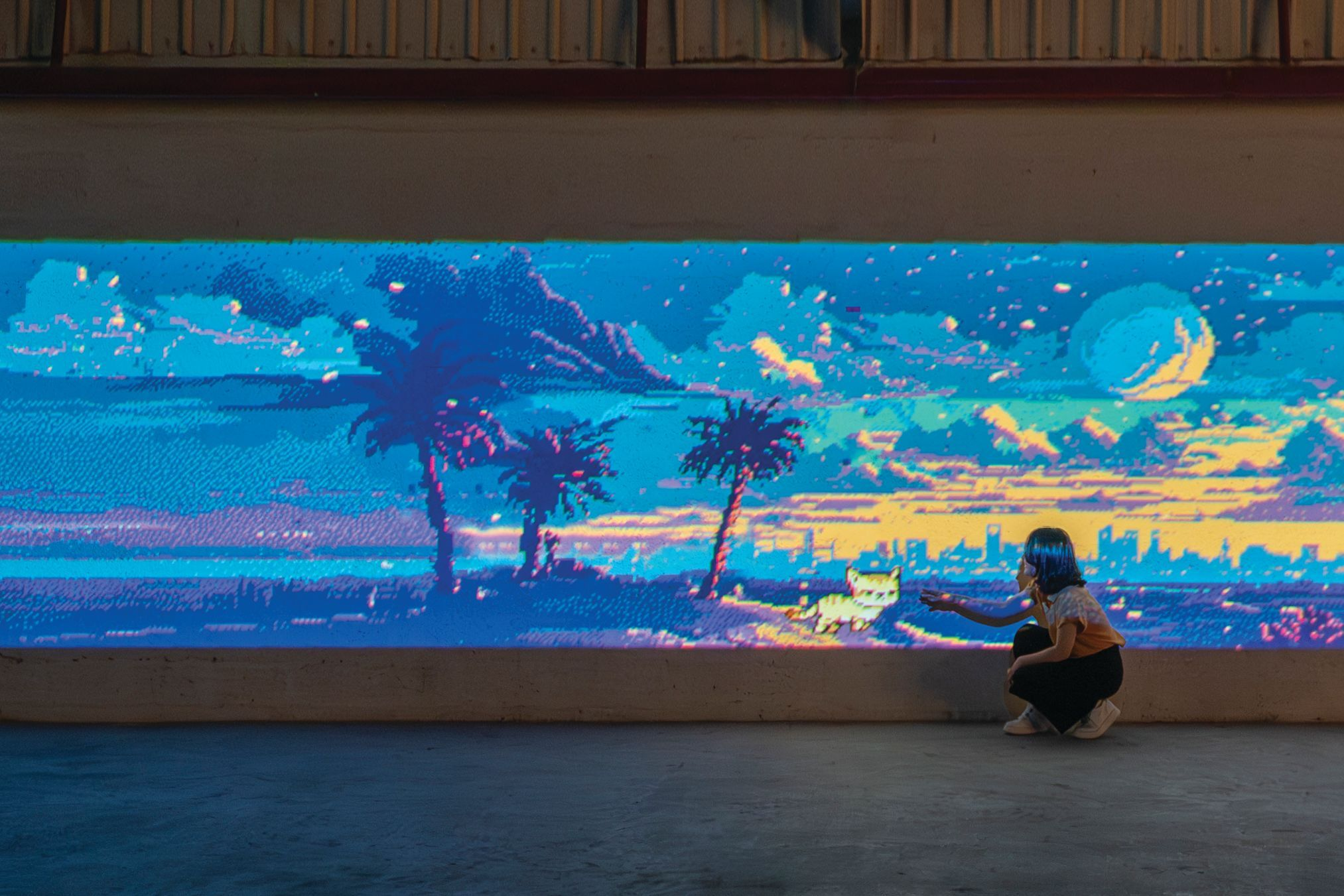
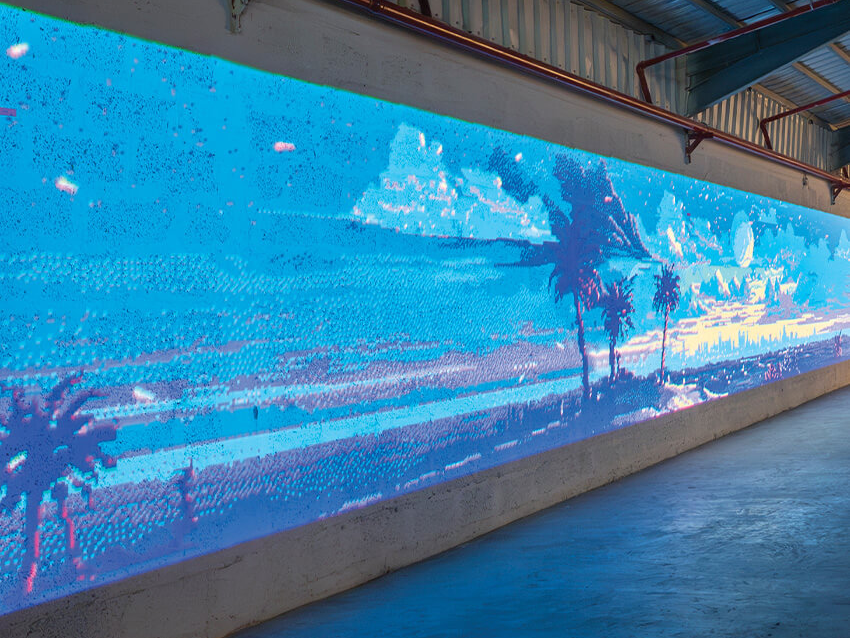
Nawaf’s most visible recent public work is Sukoon, presented at Noor Riyadh in 2024. The title means “peace,” and the work is described by Riyadh Art as a retro-themed interactive projection that reflects Riyadh’s live weather changes. The artwork presents a pixelated depiction of Riyadh’s skyline, with trees in the foreground. The scene shifts between clouds and twilight, while elements such as clouds and palm trees respond to visitor movement through sensors and visual technologies. Sukoon feels like a digital pause inside a fast-moving capital. It does not reject progress. It softens it.
In a city often associated with expansion, construction, ambition, and speed, Nawaf creates a moment of quiet responsiveness. The work invites viewers to stand before Riyadh as something alive. Not a fixed image. Not a postcard. A living portrait shaped by weather, movement, light, and presence.
In January 2023, Nawaf founded Fill In The Null (أكمل الفراغ) in Riyadh, a creative company working across media, production, data, and innovation. Built around the idea of “filling the gap between idea and innovation,” the company develops interactive experiences, immersive VR, high-quality video production, and 3D environment design. For Nawaf, the name reflects a larger philosophy: finding the missing space between imagination and execution, then building the tools to make it possible.
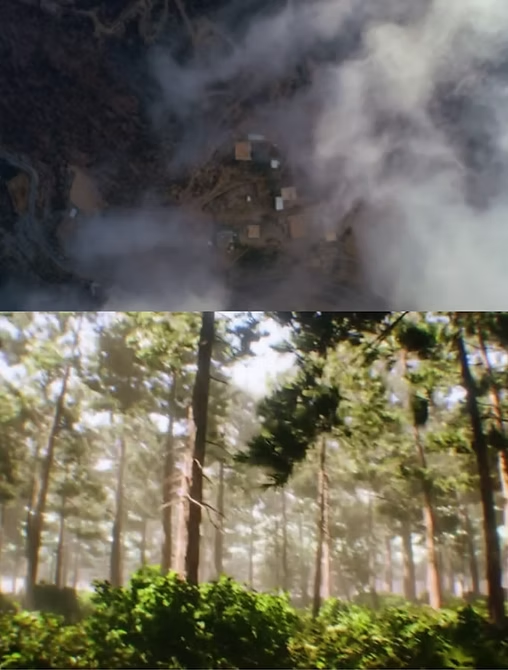
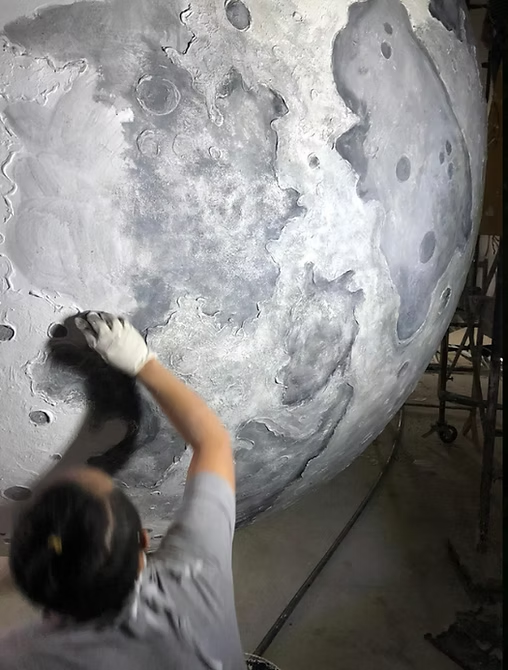
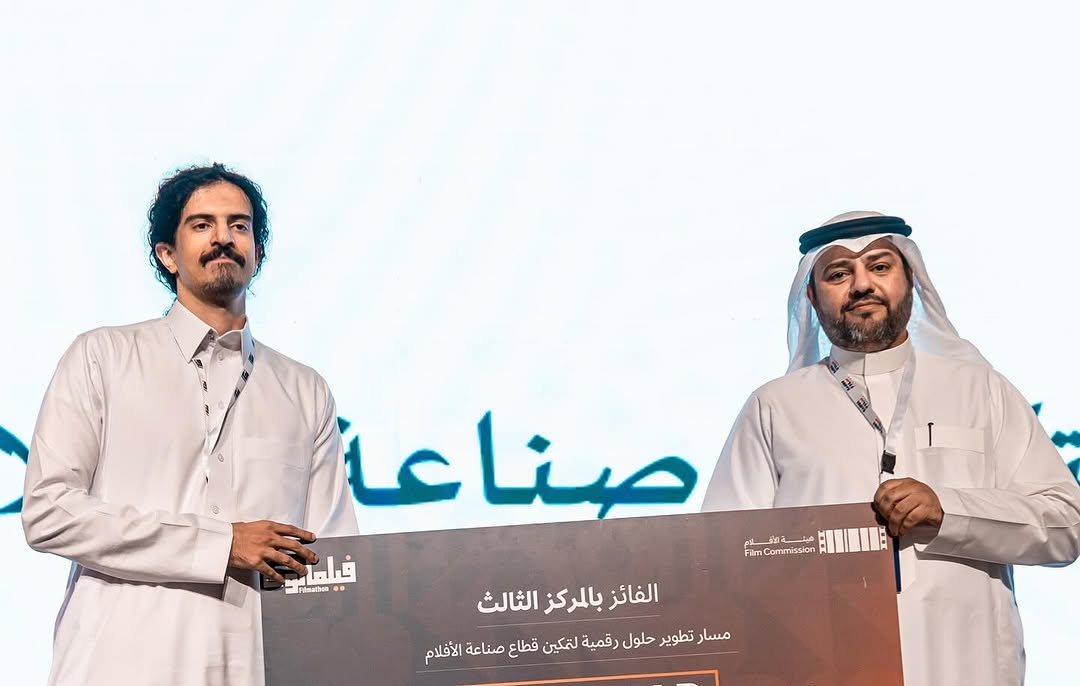
In February 2024, Nawaf and Fill In The Null won third place in the Filmathon initiative, in a track focused on developing digital solutions to enable the film industry. This achievement connects his artistic experimentation with practical innovation in Saudi film and media production.
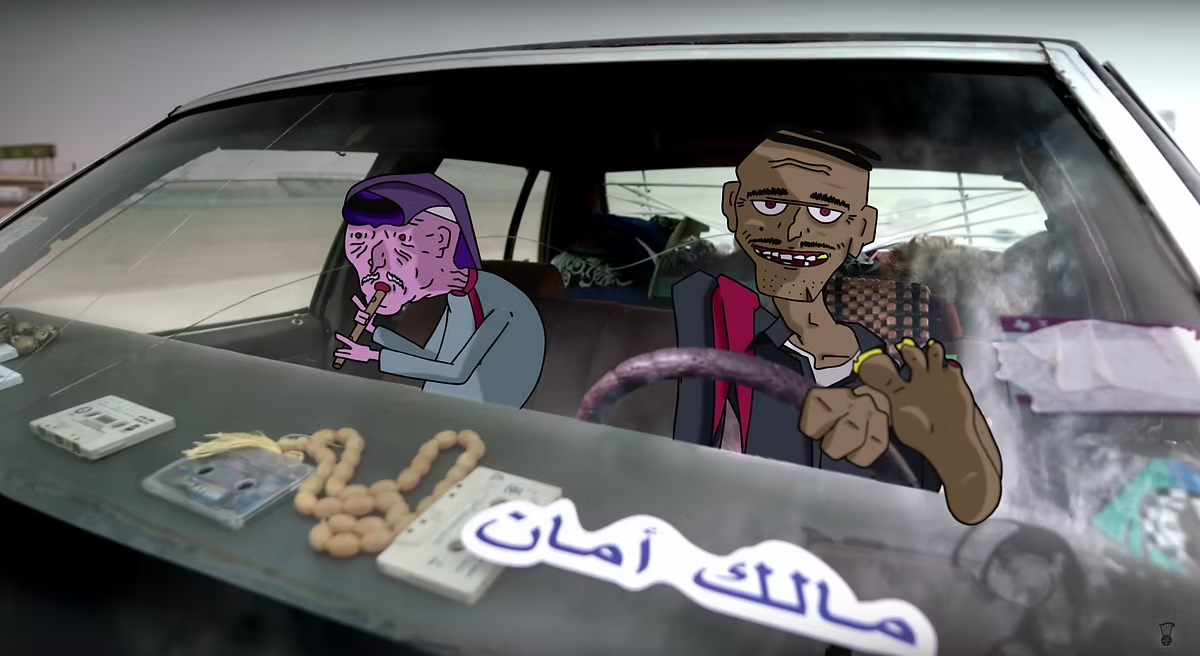
Nawaf’s career does not stay in one lane. It moves through galleries, labs, games, advertising, performance, and digital entertainment. As a creator and experimental artist, he produces and directs content across art and technology. His long involvement with Telfaz11 since 2011 connects him to Saudi Arabia’s influential digital entertainment culture, while his work as a creative dialogue writer and actor with Wunderman Thompson in 2021 links him to award-recognized campaign storytelling. This range shows that Nawaf is not only making work for the art world. He is part of a wider Saudi visual culture that includes online comedy, advertising, film, games, interactive media, and public art.
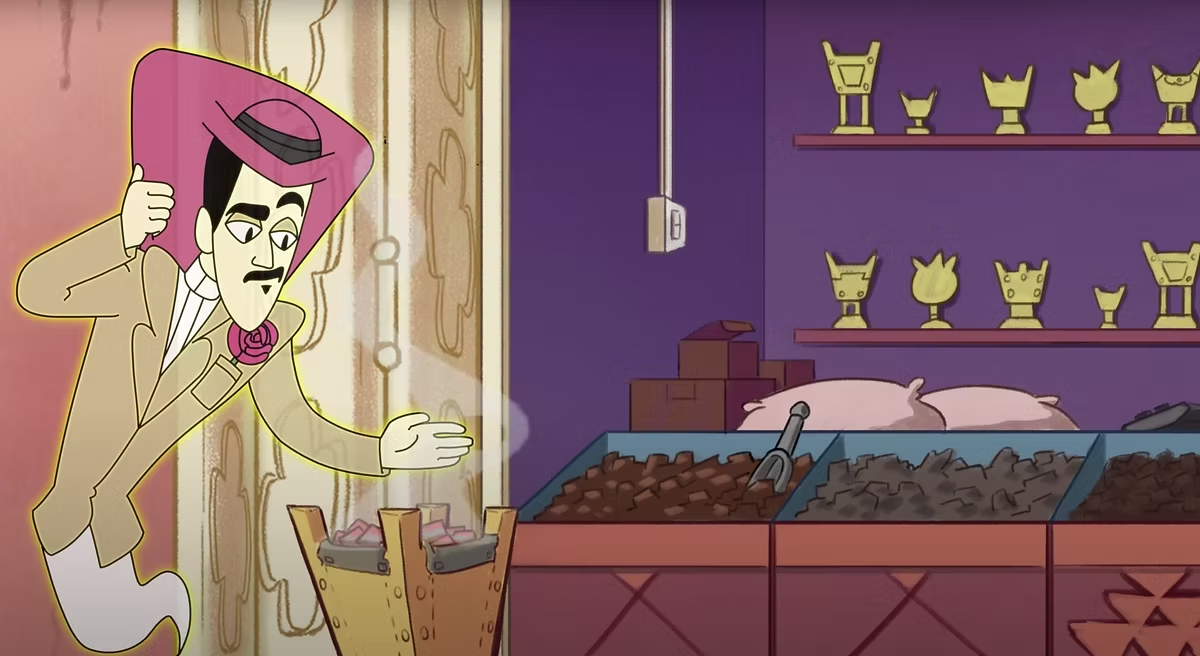
In 2025, Nawaf presented الذاكرتين, or The Two Memories in Ithra, an optical installation that proves interactivity does not always need a screen, a wire, or a circuit. Sometimes, it begins with the oldest technology of all: the eye. Built around illusion and perception, the work draws visitors into what first appears to be one continuous room. Then, with a slight shift in movement, the illusion breaks. The space changes. One memory becomes another.
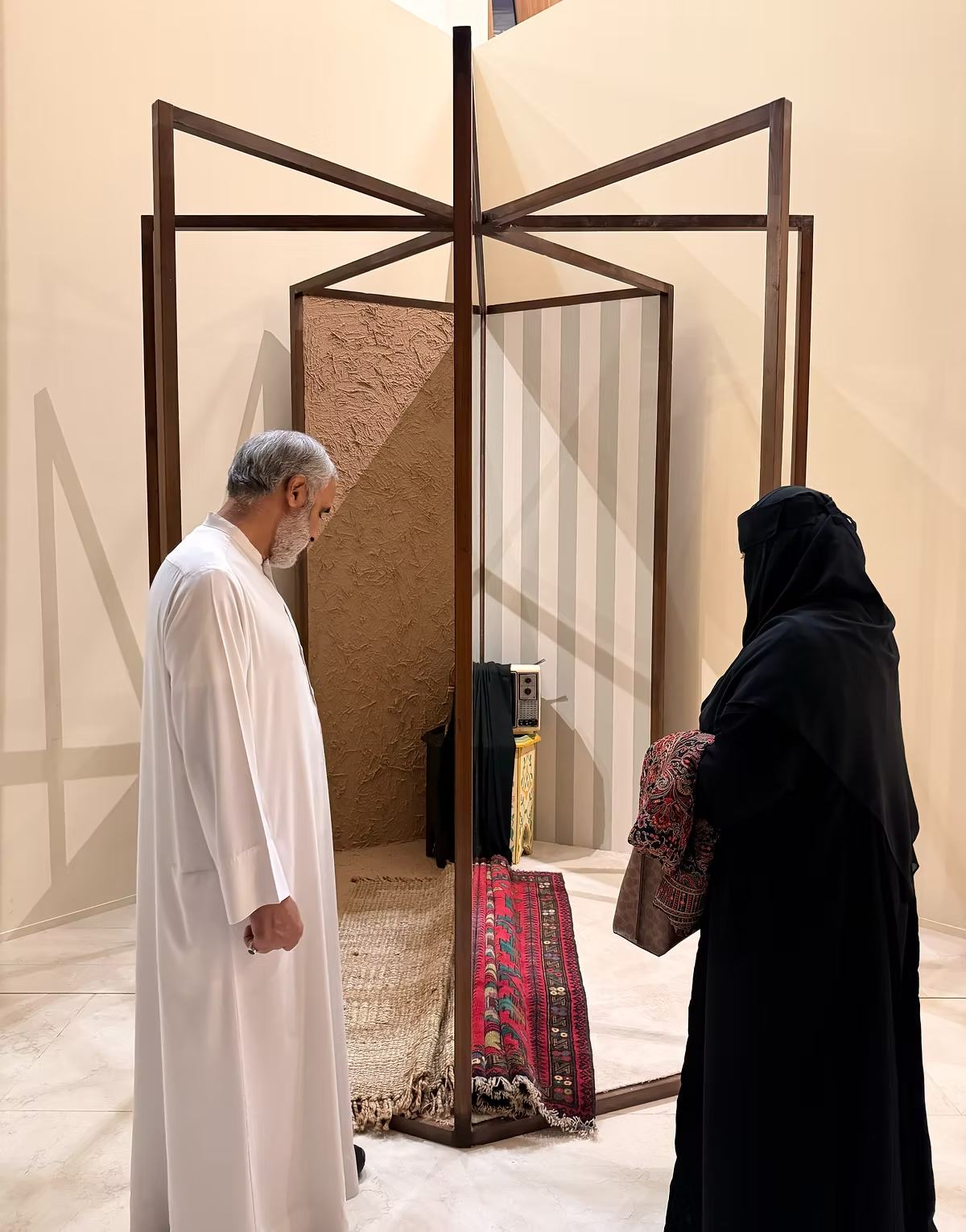
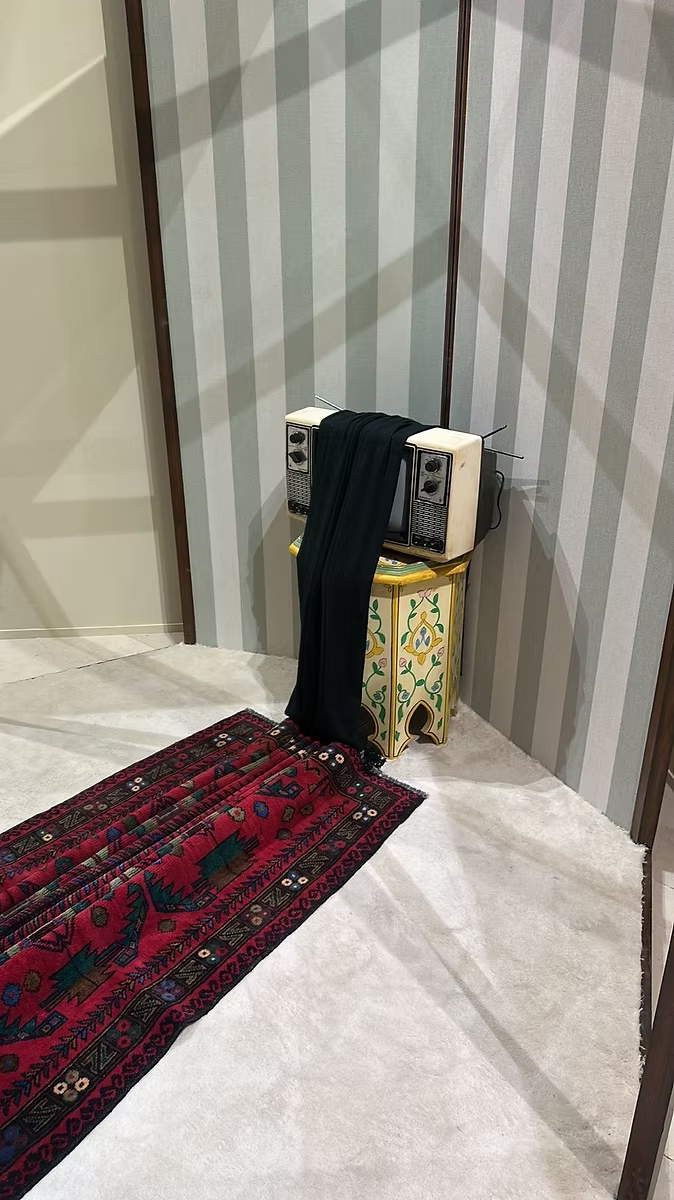
The installation brings together two eras of Saudi domestic life: the clay house of Nawaf’s father and the 1970s home of his mother. Between these two rooms, the artist builds more than a visual trick. He builds an emotional bridge between generations, showing how homes carry the quiet architecture of family, memory, and time. Behind the illusion is a process of precision. Nawaf conducted dozens of tests to master the exact relationship between movement, reflection, and perspective. Every angle had to be right. Every shift had to feel natural. The final work feels almost magical, but its power comes from discipline.
The Two Memories is interactive because the viewer completes it. The artwork changes as the body moves, as the eye adjusts, as recognition arrives. It reminds us that memory is never still. It is something we enter, question, and rediscover.
Nawaf Al Dohan represents a new Saudi creative identity: artist, inventor, technologist, researcher, founder, performer, and storyteller. His work does not fall into the easy categories of futuristic or nostalgic. It is both. He can use sensors, AI, patents, and code while remaining deeply connected to Riyadh, cultural memory, and local visual symbols. He can build interactive systems while still making space for stillness.
At a time when Saudi art is expanding across museums, biennales, festivals, screens, and public space, Nawaf stands as one of the artists asking what the future might feel like when it remembers where it came from. And perhaps that is the quiet power of his work: it does not simply imagine what Saudi art can look like next. It asks how it might move, respond, and feel.
Discover more art stories reshaping Saudi culture at KSAArt.