Dima Abdullah Turns Clay Into Living Memory
Explore Saudi sculptor Dima Abdullah of DAMZON, whose clay figures transform memory, humor, and Saudi culture into tactile art.

Explore Saudi sculptor Dima Abdullah of DAMZON, whose clay figures transform memory, humor, and Saudi culture into tactile art.
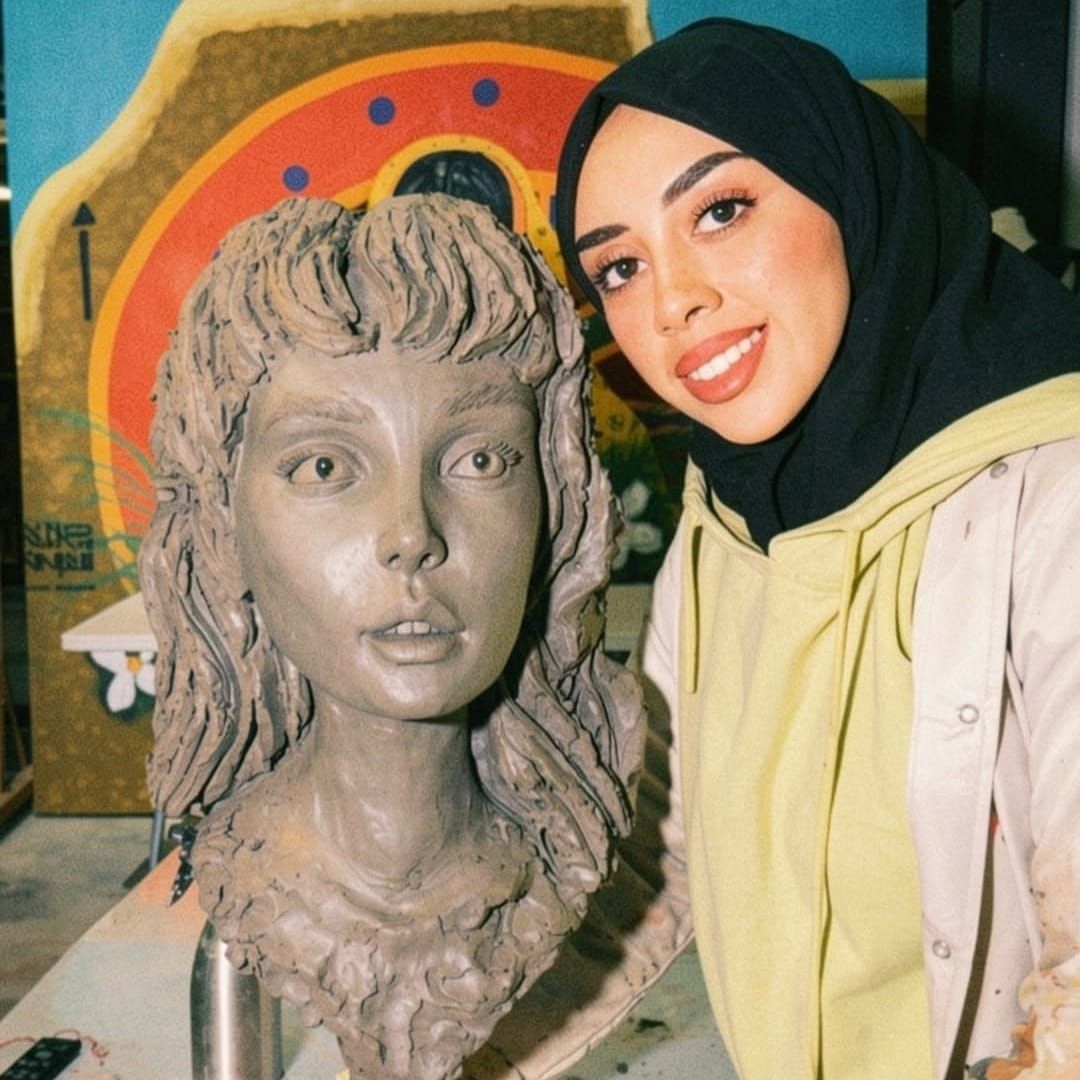
In Dima Abdullah’s world, clay does not sit still. It remembers, smiles, exaggerates, and quietly tells the story of where it came from. Known through her creative identity DAMZON, the Saudi sculptor has built a visual language shaped by touch, memory, character, and cultural affection. Her works are often small in scale, but they carry the emotional weight of family rituals, national symbols, childhood stories, and the familiar details of Saudi life.
Through heat-resistant clay, mural work, workshops, and public-facing collaborations, Dima has created a practice that feels both intimate and widely accessible, rooted in the handmade while fluent in the digital age.
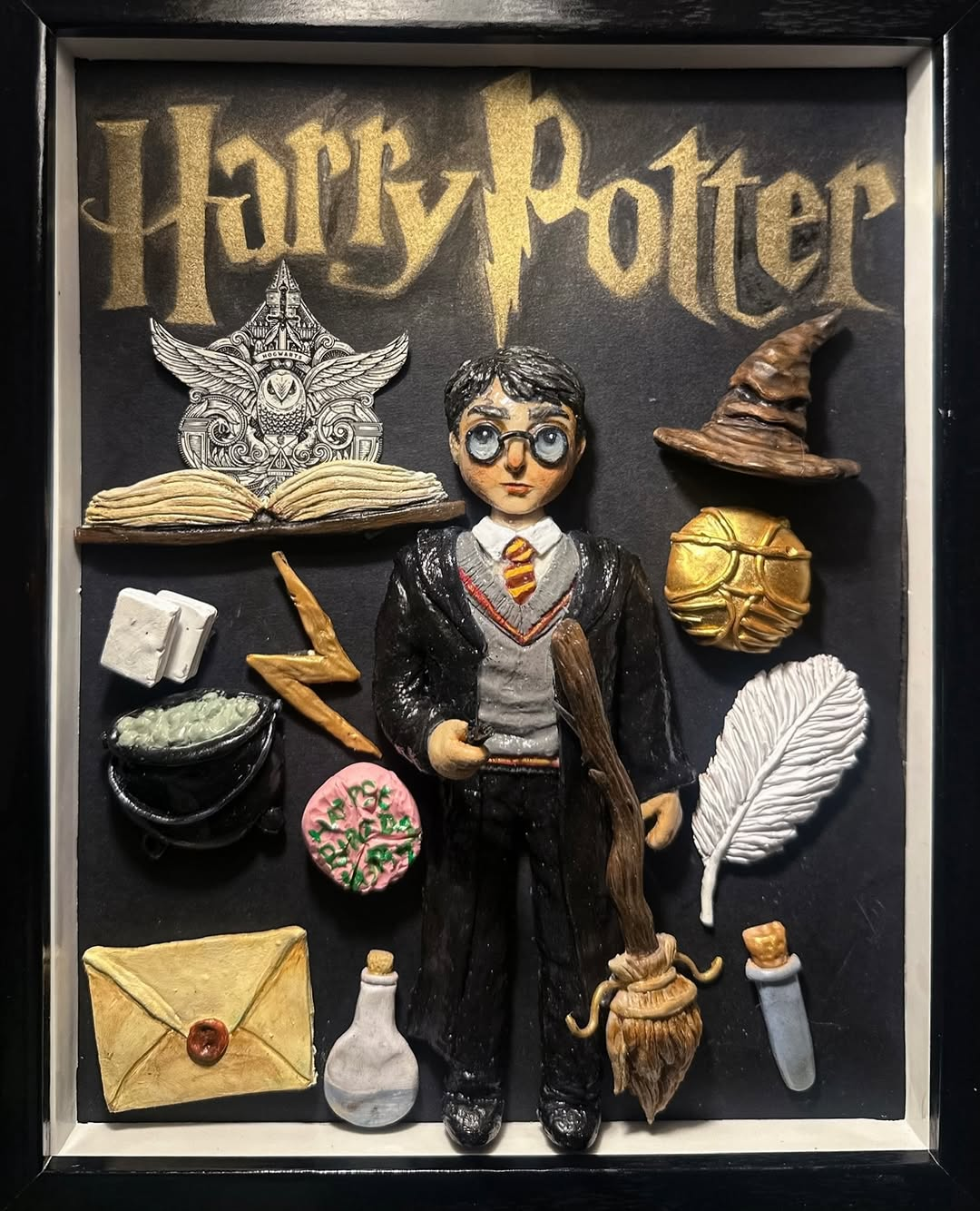
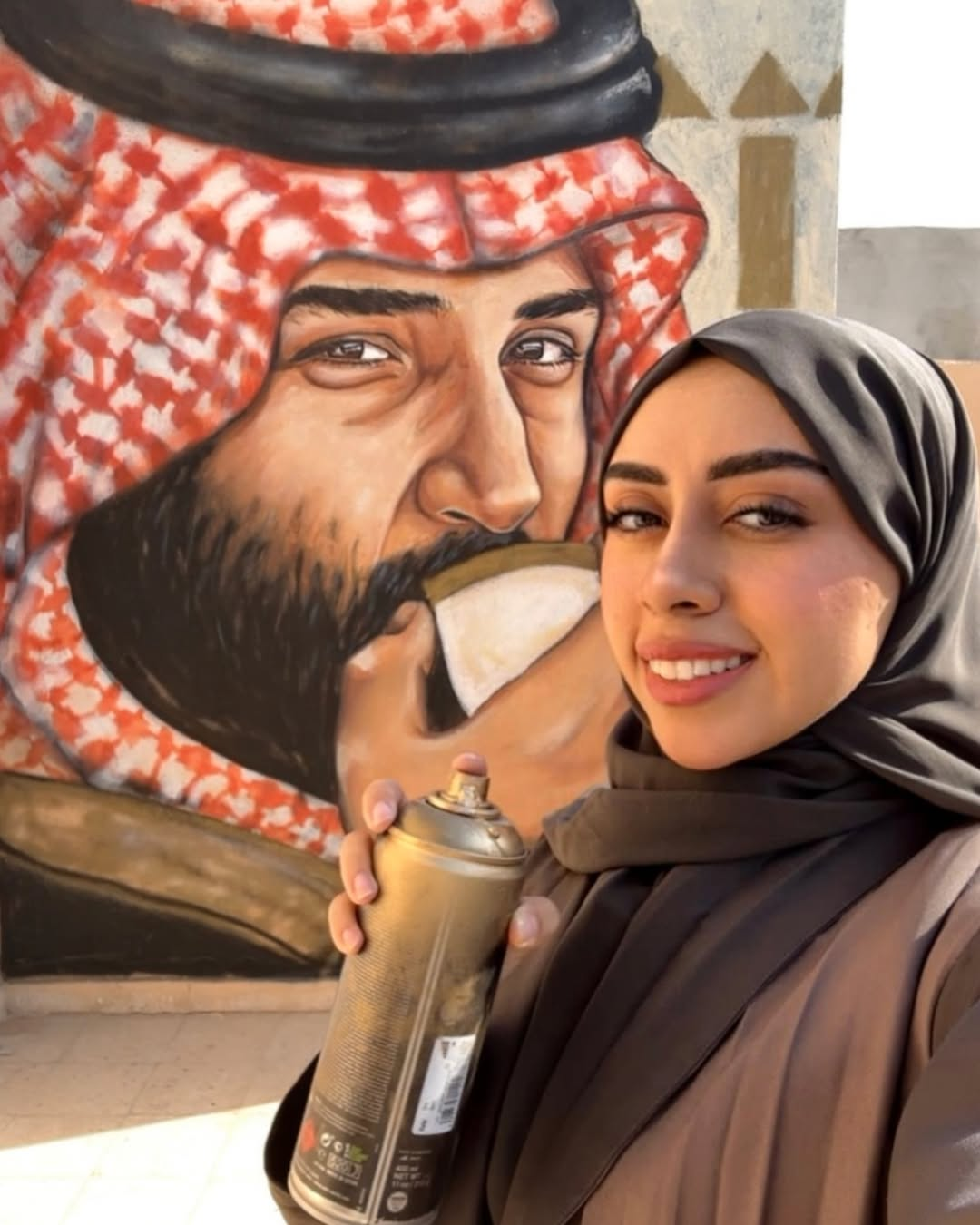
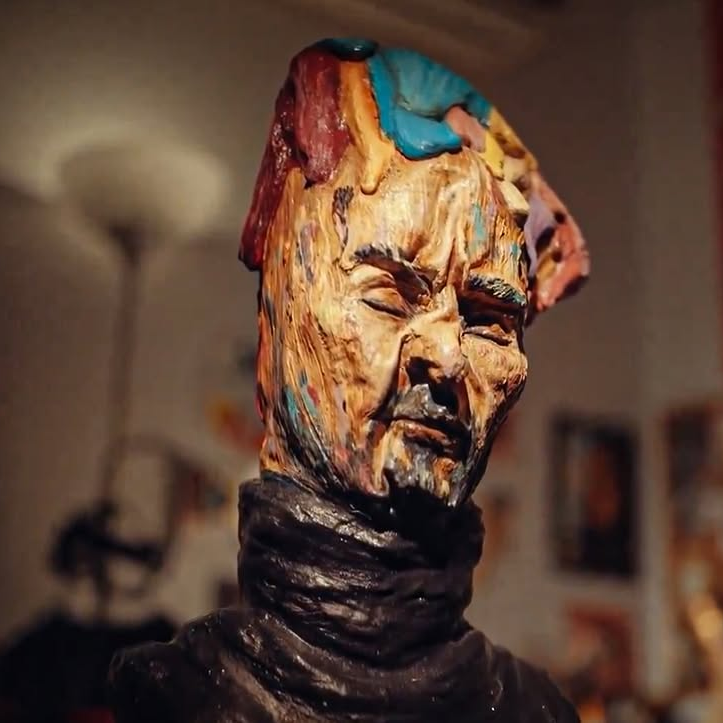
Dima Abdullah’s relationship with clay began long before DAMZON became a public name. Her artistic story is tied to childhood fascination, to the simple but powerful act of shaping a material by hand and watching it become something with presence. Clay is a demanding medium. It responds to pressure, warmth, timing, and patience. It records the movement of the hand.
For Dima, that sensitivity seems central to its appeal. Her sculptures do not feel mass-produced or emotionally distant. They feel held, formed, and imagined into being. Over time, that early connection developed into a broader visual practice. Dima’s work includes sculpture, painting, murals, and creative education, but clay remains the heart of her artistic identity.
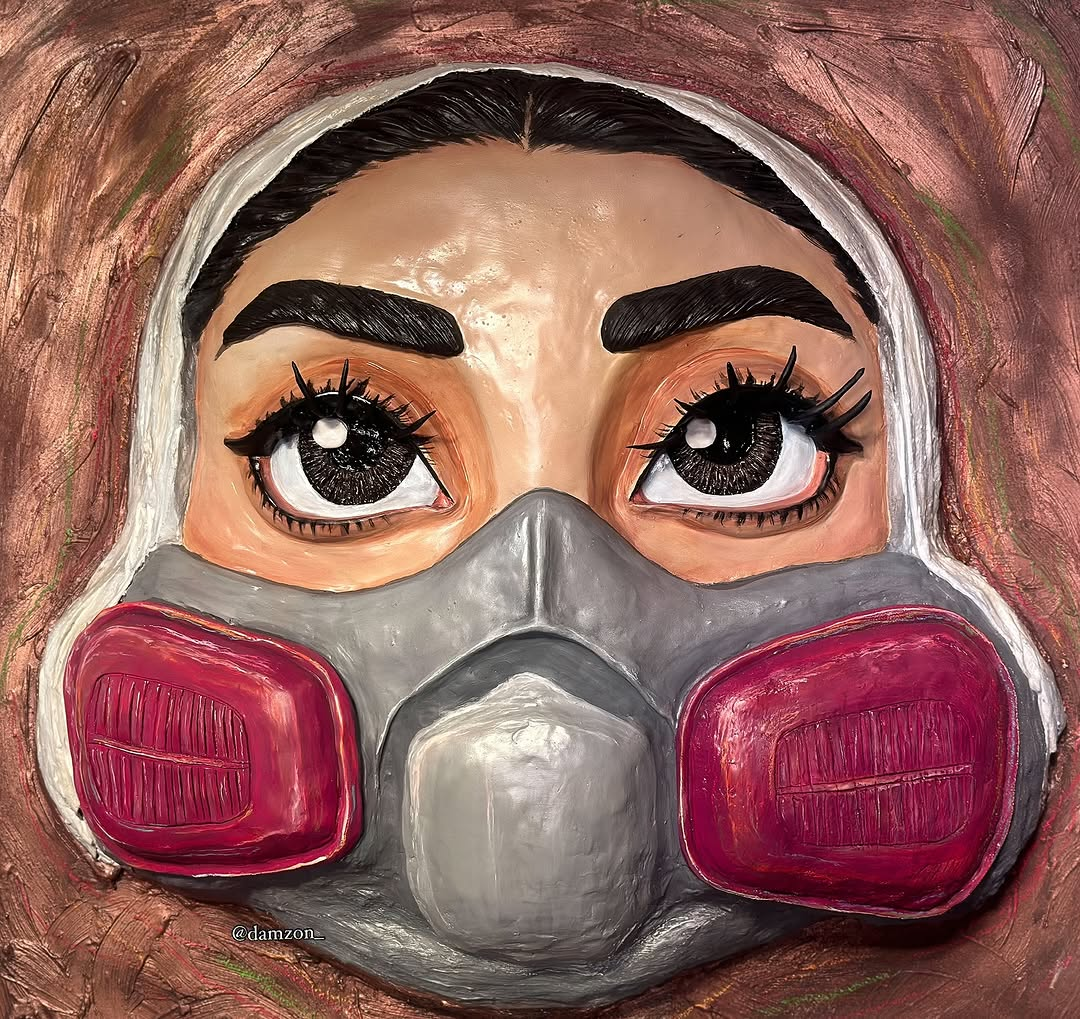
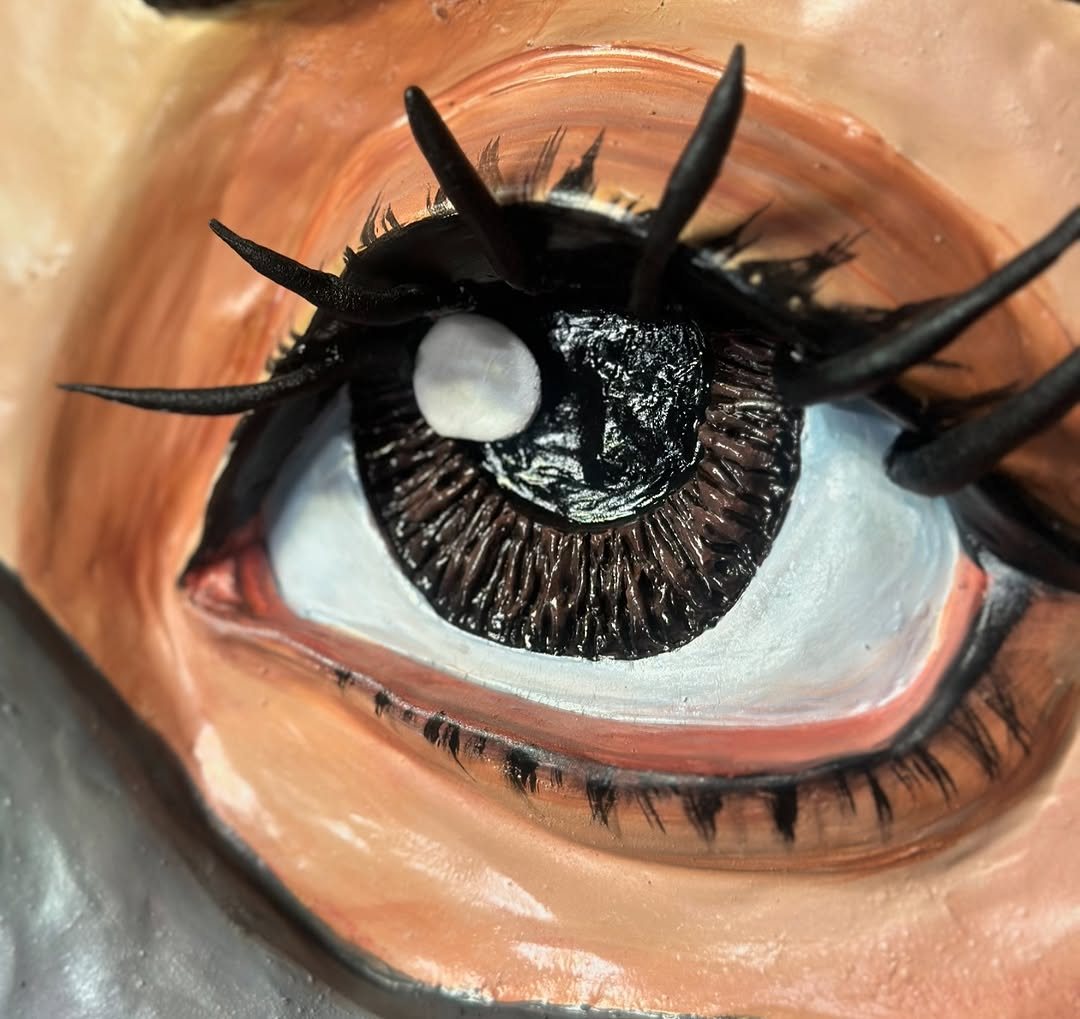
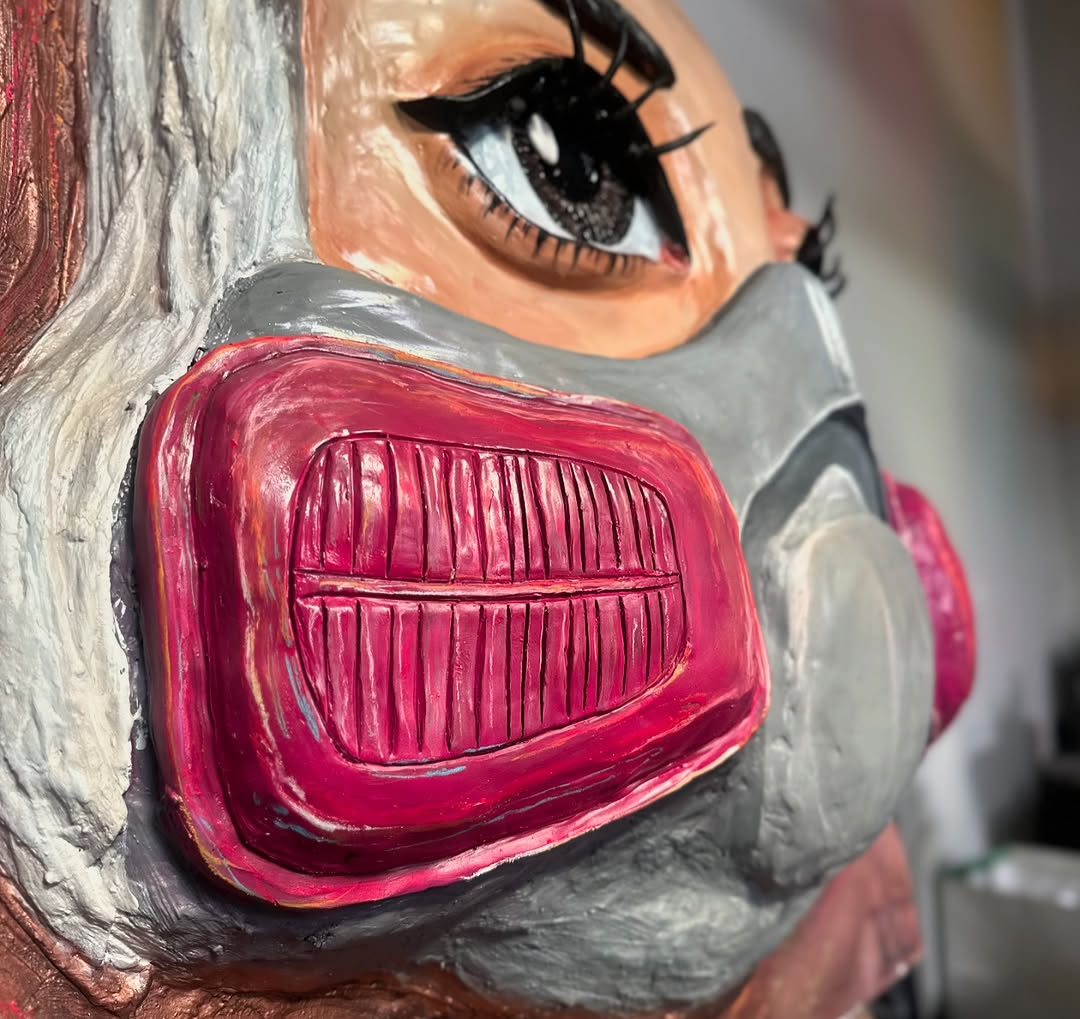
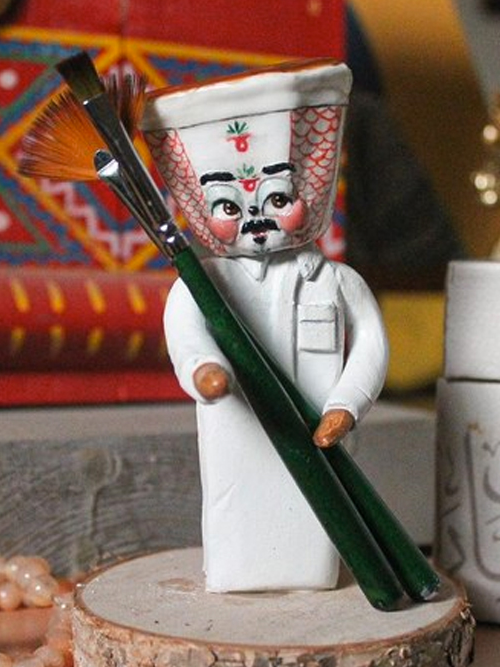
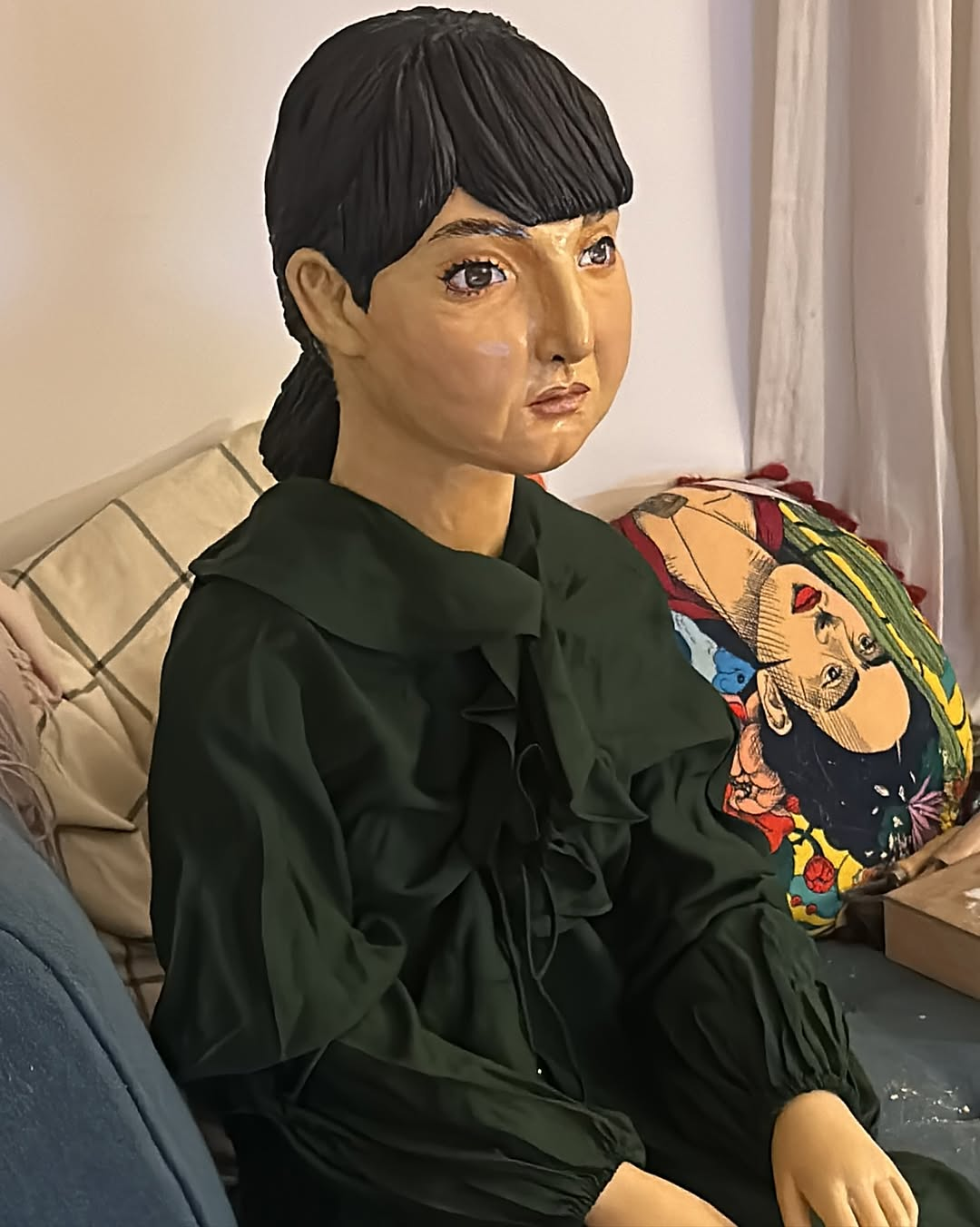
The most compelling quality in Dima Abdullah’s work is the way her sculptures seem to become characters. They are not only objects to be viewed. They have expressions, moods, gestures, names, and stories. Her pieces often begin with a memory or emotional reference. “Miss Warda,” for example, has been connected to the personal memory of planting roses with her grandfather. Then there is “Sheikha Sambusa,” a work tied to the rituals of Ramadan. This is where her work finds its charm.
Dima does not treat culture as something distant or frozen. She approaches it through humor, affection, and personality. A food item can become a figure. A family memory can become a sculpture. A national symbol can become a tactile object. Her characters are built from lived experience. In this sense, her art belongs to a wider movement in contemporary Saudi creativity: the reclamation of everyday culture as worthy of artistic attention.
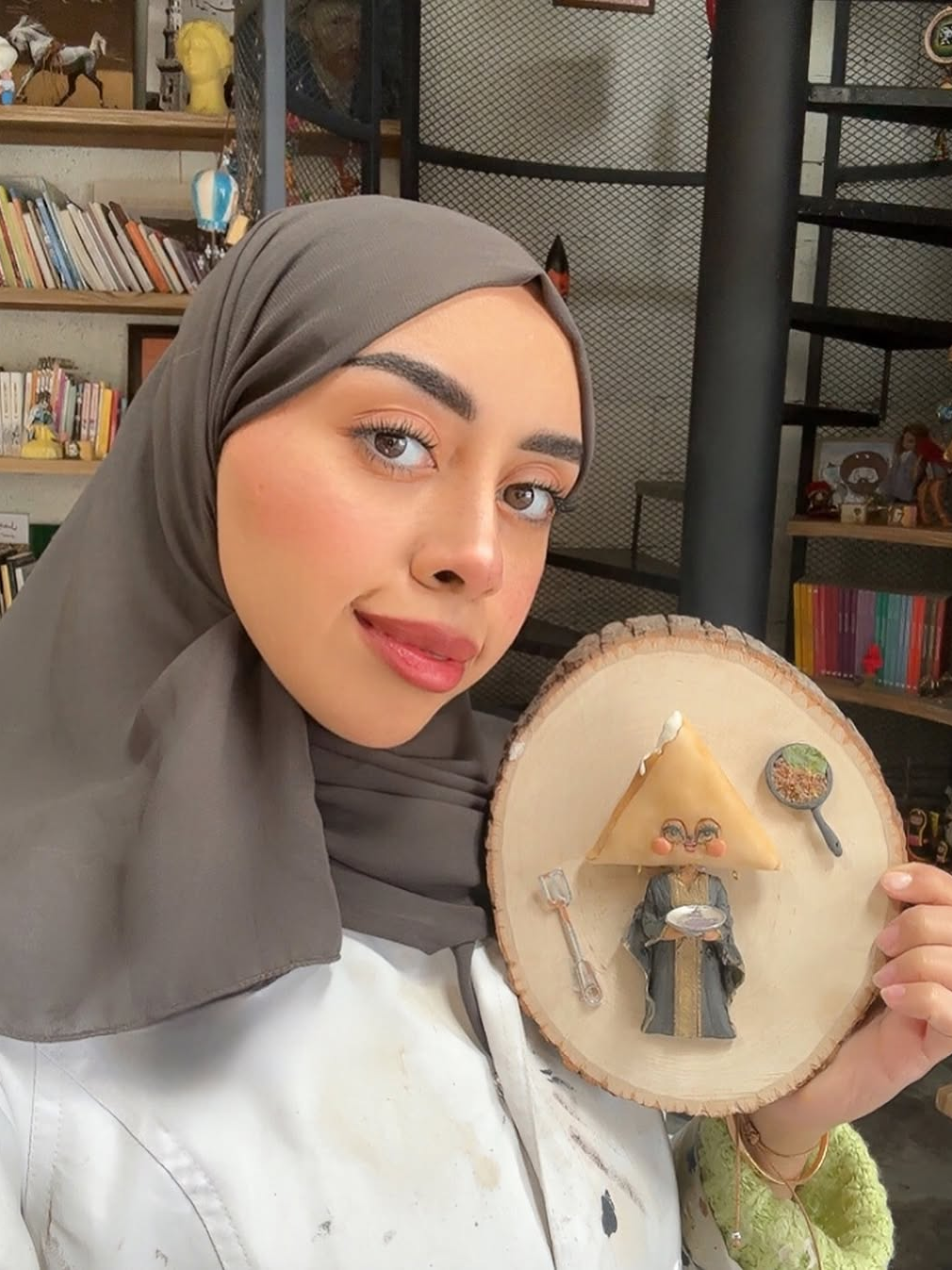
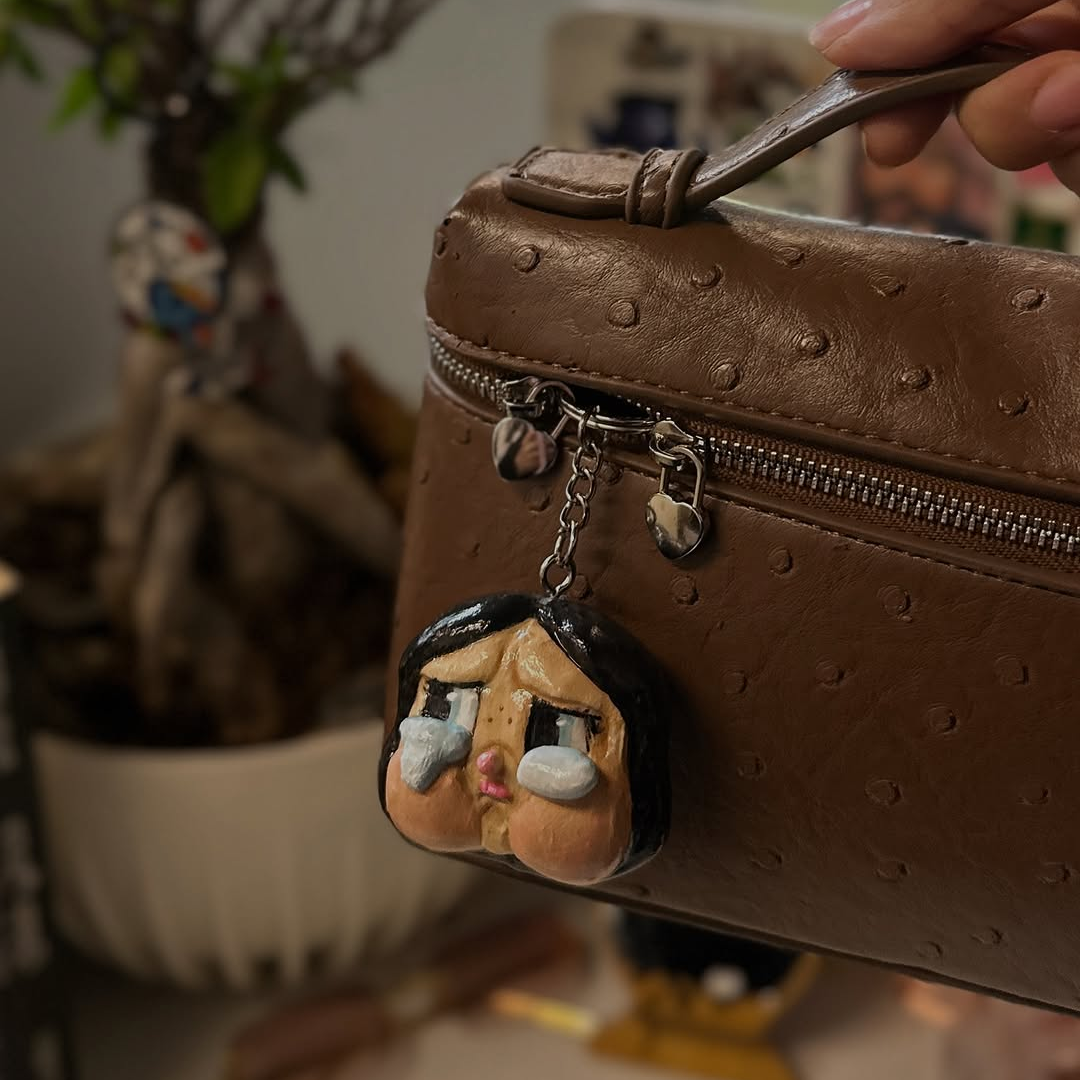
Dima Abdullah’s career also reflects a shift in how artists today build visibility. Her work does not appear to follow only the traditional gallery route. Instead, it moves through public spaces, digital platforms, brand collaborations, cultural activations, murals, and workshops. Dima’s publicly visible projects point to this wider model. She has worked with Amazon Saudi Arabia, a collaboration that brought her visual language into a branded creative context. She has also been linked to a social-impact sculptural project for Jood Housing Platform at Cityscape Global, where character-based sculpture was used to tell a human story around housing and community support.
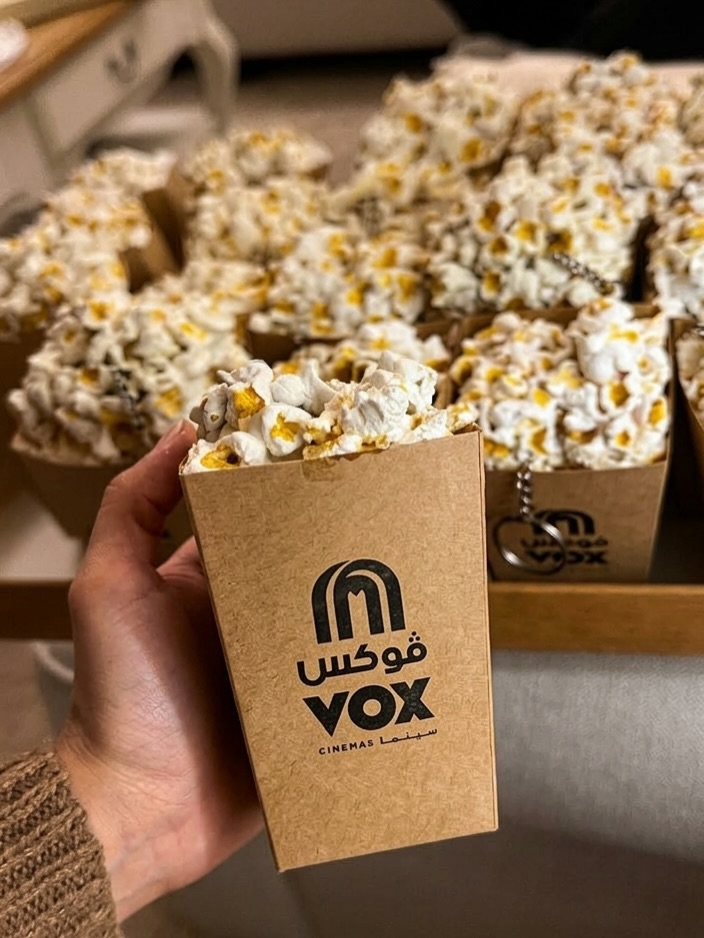
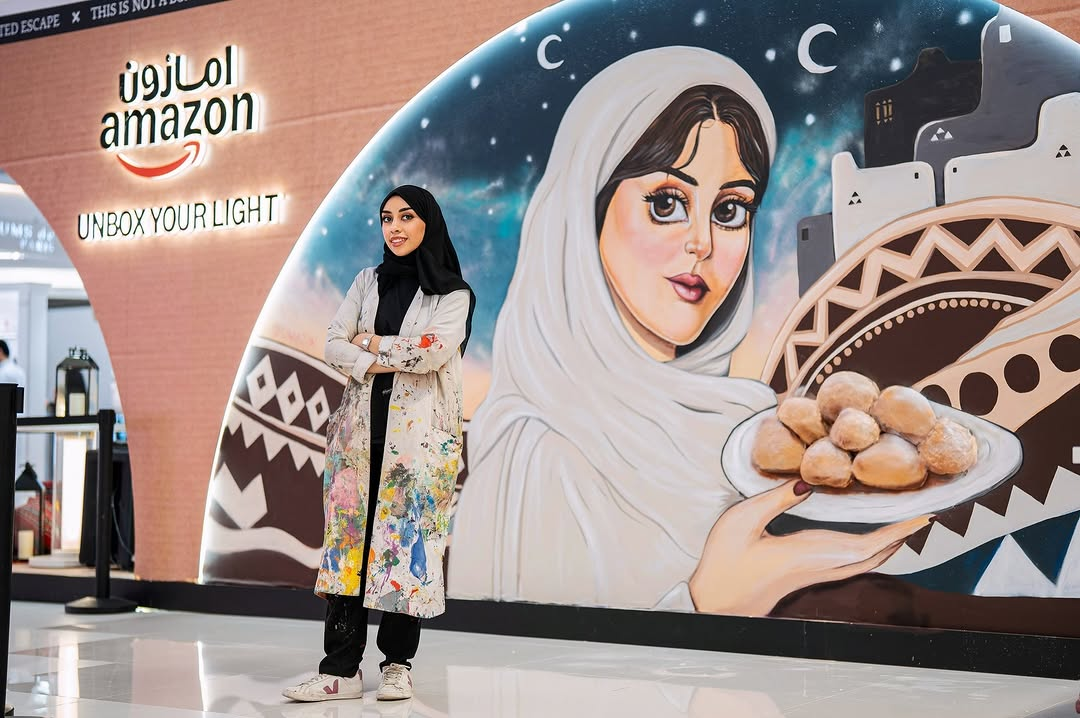
Her mural and public-art activity appears across several major Saudi settings. These include work connected to Vox Cinema, Riyadh Zoo and Riyadh Season, a mural contribution at KAFD, and participation in a large Najdi-inspired mural project at Aseeb Najd restaurant. Her work has also been supported by Al-Jazeera Paints, as well as educational collaborations such as sculpture workshops with Laboratory of Fun. Together, these projects suggest an artist comfortable moving between contexts.
Through DAMZON, Dima Abdullah has built more than a name for her sculptural practice. She has created a space where art, storytelling, teaching, and community meet. The platform includes exclusive pieces, custom orders, sculptural products, and courses for those who want to learn the medium. In this sense, DAMZON functions as part studio, part store, part classroom, and part social-media gallery.
Its world is layered: Saudi-inspired works, personal memory pieces, and playful pop-culture references all exist within the same visual language. Rather than treating heritage, humor, and global influence as contradictions, Dima folds them into a brand identity that feels accessible without losing its artistic personality.
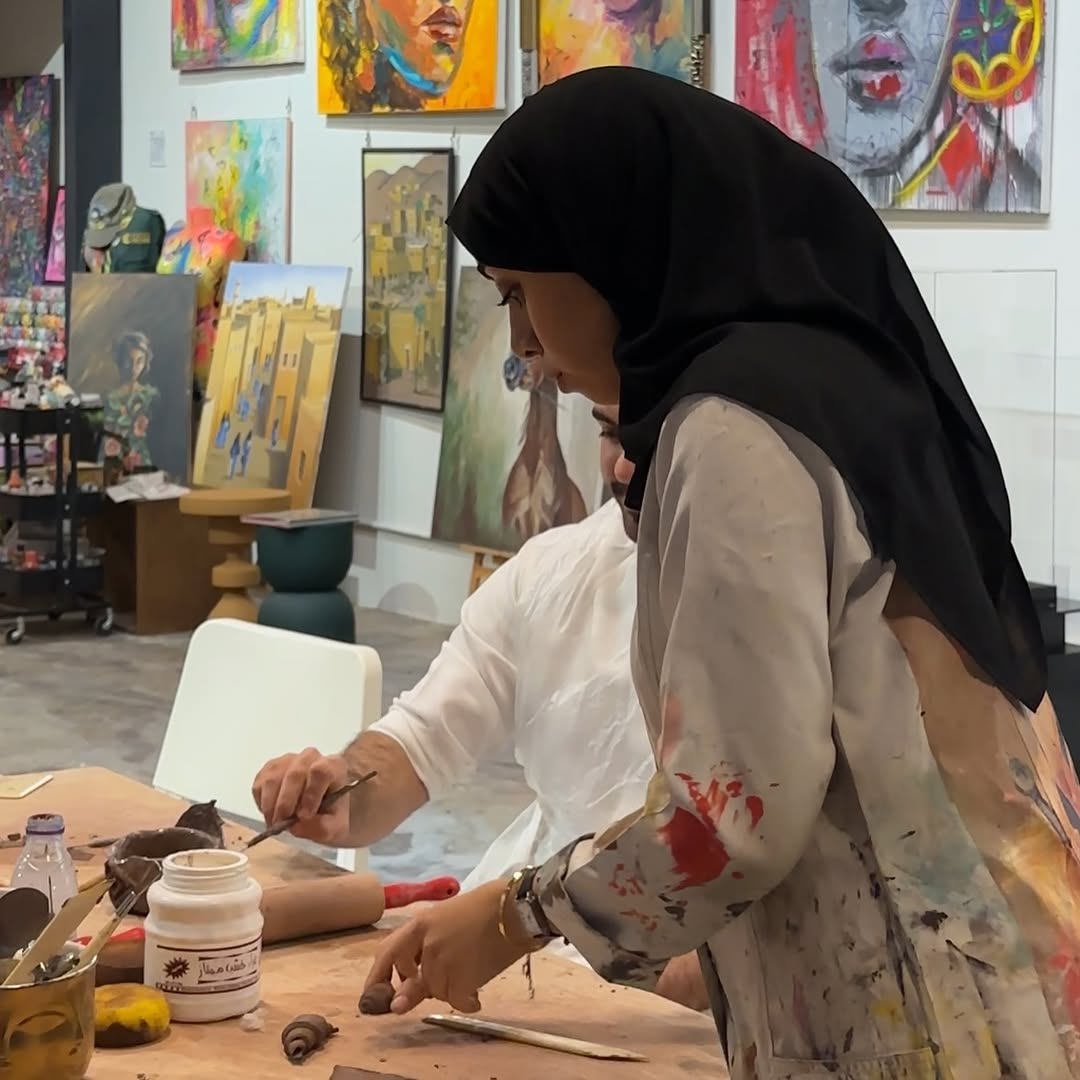
Her workshops add another dimension. By teaching clay sculpture, she invites others into a medium that requires patience, pressure, balance, and time. In a digital culture shaped by quick scrolling and instant images, DAMZON slows the viewer down and brings attention back to the hand, the object, and the story behind it.
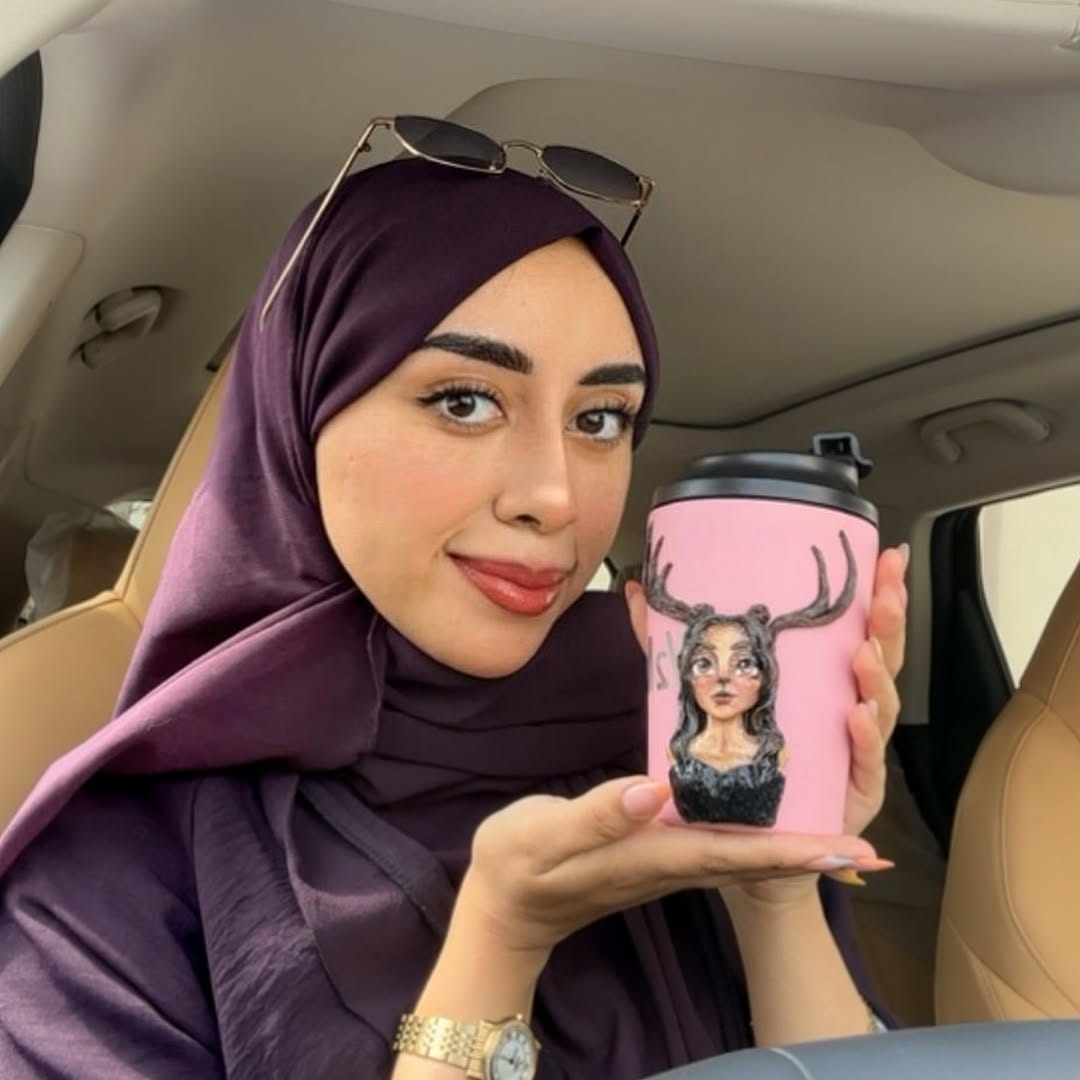
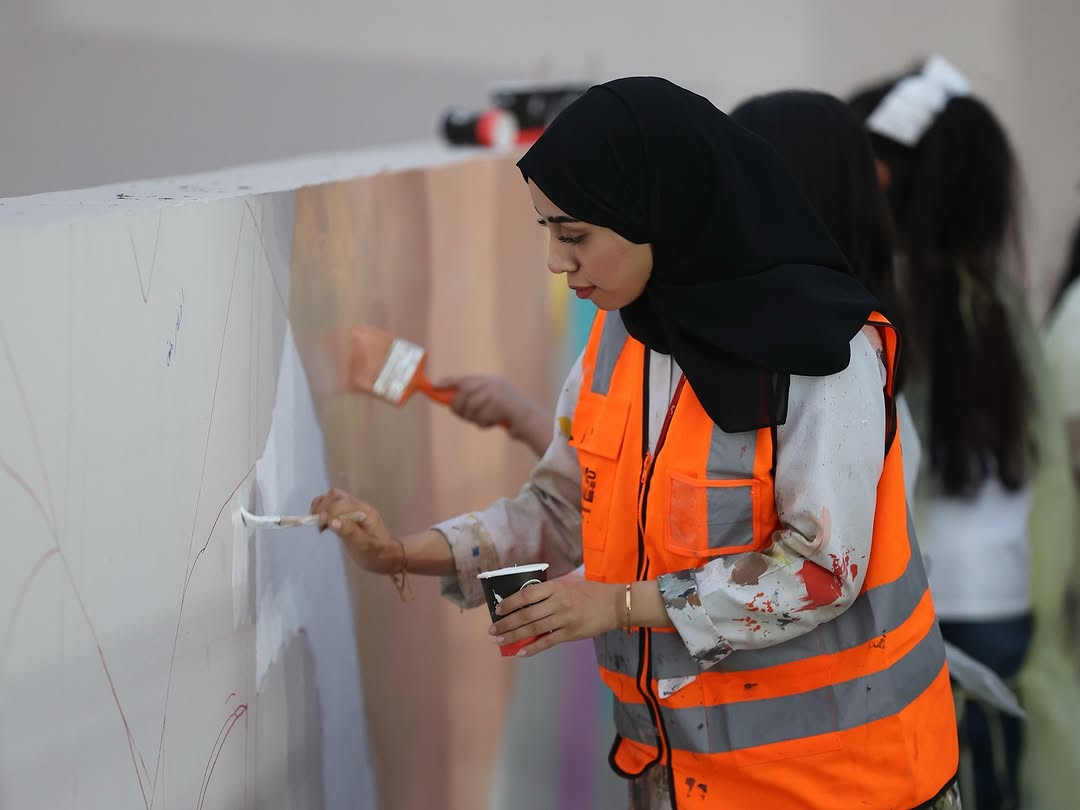
Dima Abdullah’s recent public-facing work suggests a practice in motion. Her collaborations, murals, sculptural commissions, and workshops all point to an artist expanding her reach across multiple spaces. Her sculptures can speak to a young digital audience while still drawing from memory and heritage. Her public projects can engage broad audiences without abandoning the handmade quality that defines her work.
What comes next for DAMZON will likely depend on how Dima continues to balance scale and intimacy. Her most powerful works are those that remain close to story, even when they enter larger public or commercial contexts. The challenge, and opportunity, is to keep that emotional fingerprint visible as her platform grows.
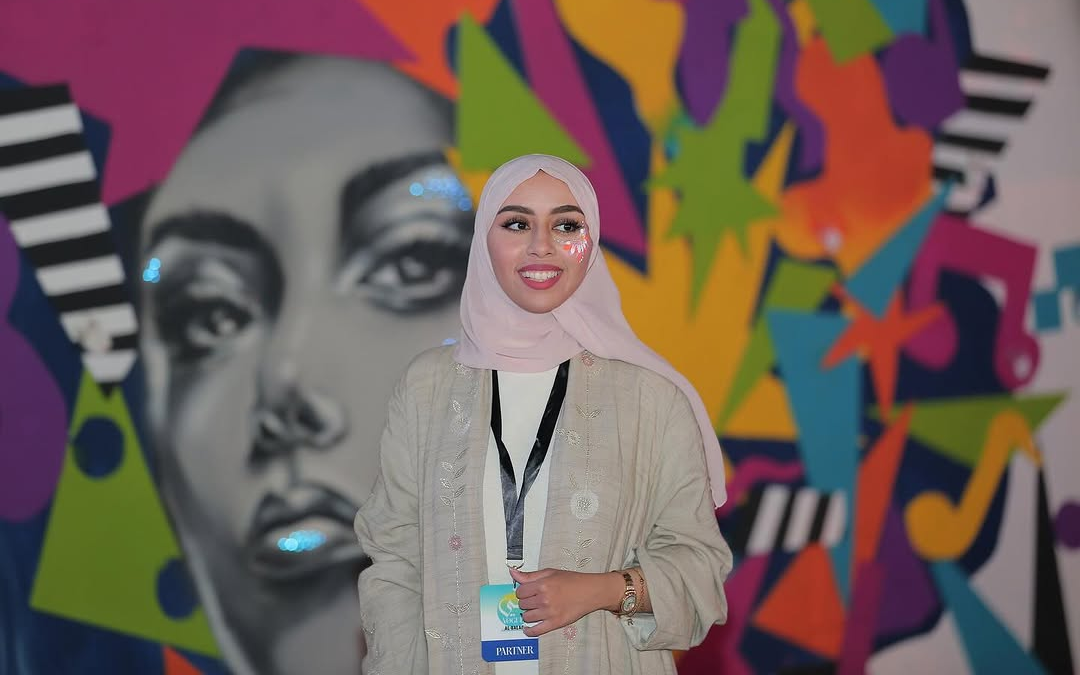
At a time when Saudi Arabia’s cultural identity is being expressed through major museums, biennales, public festivals, and global platforms, Dima reminds us that transformation also happens through small objects. Through clay. Through a character inspired by everyday lives. Her practice is not loud in the traditional sense. It does not rely on monumental scale or heavy symbolism to make its point. Instead, it works through recognition. Viewers see something familiar, then something tender, then something more lasting.
In Dima Abdullah’s hands, clay becomes more than material. It becomes a keeper of memory, a vessel for humor, and a small but powerful monument to Saudi life as it is felt, lived, and remembered.
Discover more art stories reshaping Saudi culture at KSAArt.