Ayman Zedani’s Art of Earthly Kinship and Ecological Futures
Explore Ayman Zedani’s Saudi art, where ecology, science fiction, ancient trees, and non-human worlds reshape the future.

Explore Ayman Zedani’s Saudi art, where ecology, science fiction, ancient trees, and non-human worlds reshape the future.
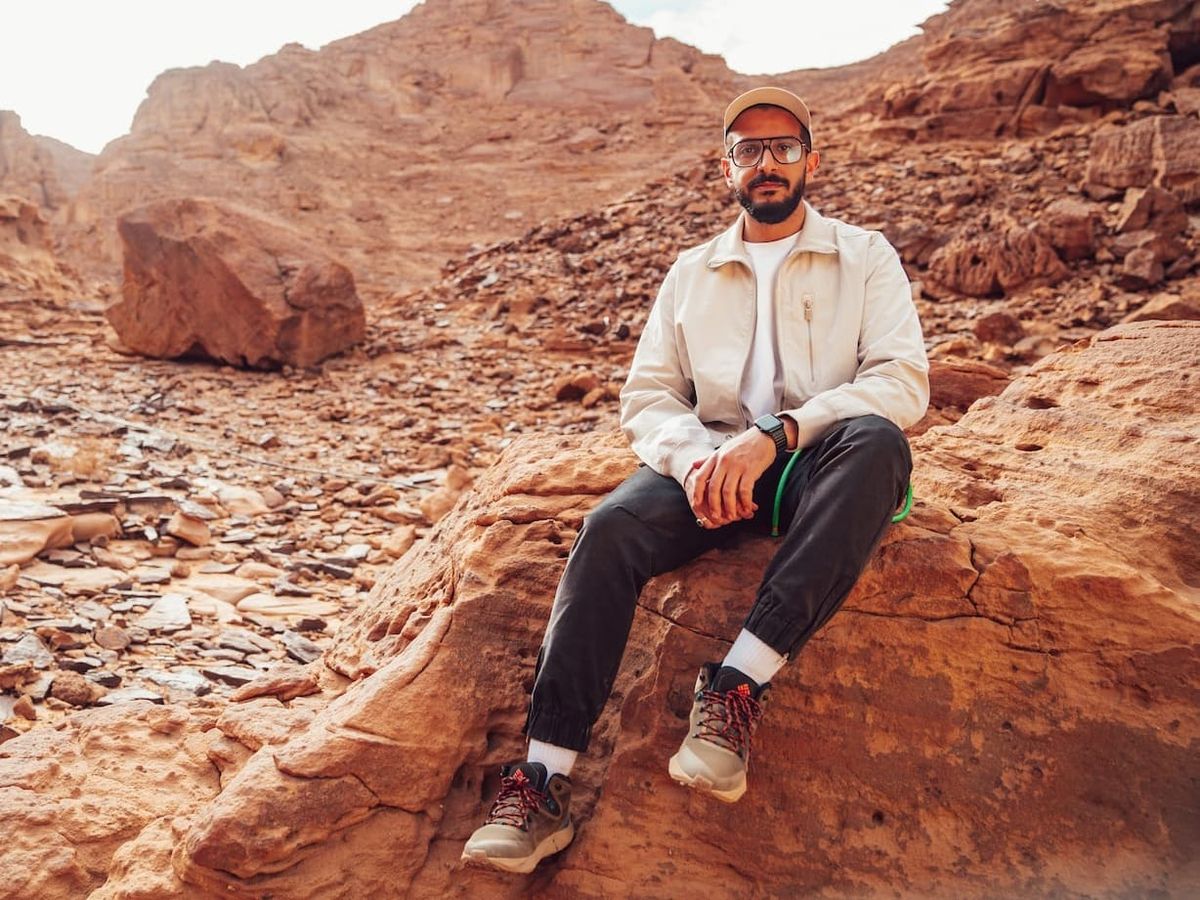
“Human and non-human, I don't really separate these things.”
In Ayman Zedani’s work, the earth is never background. It breathes, remembers, mutates, listens, and answers back. Across video, installation, sound, digital systems, sculpture, and speculative storytelling, the Saudi artist has built a practice that asks us to reconsider the oldest relationship we have: our relationship with the living world around us.
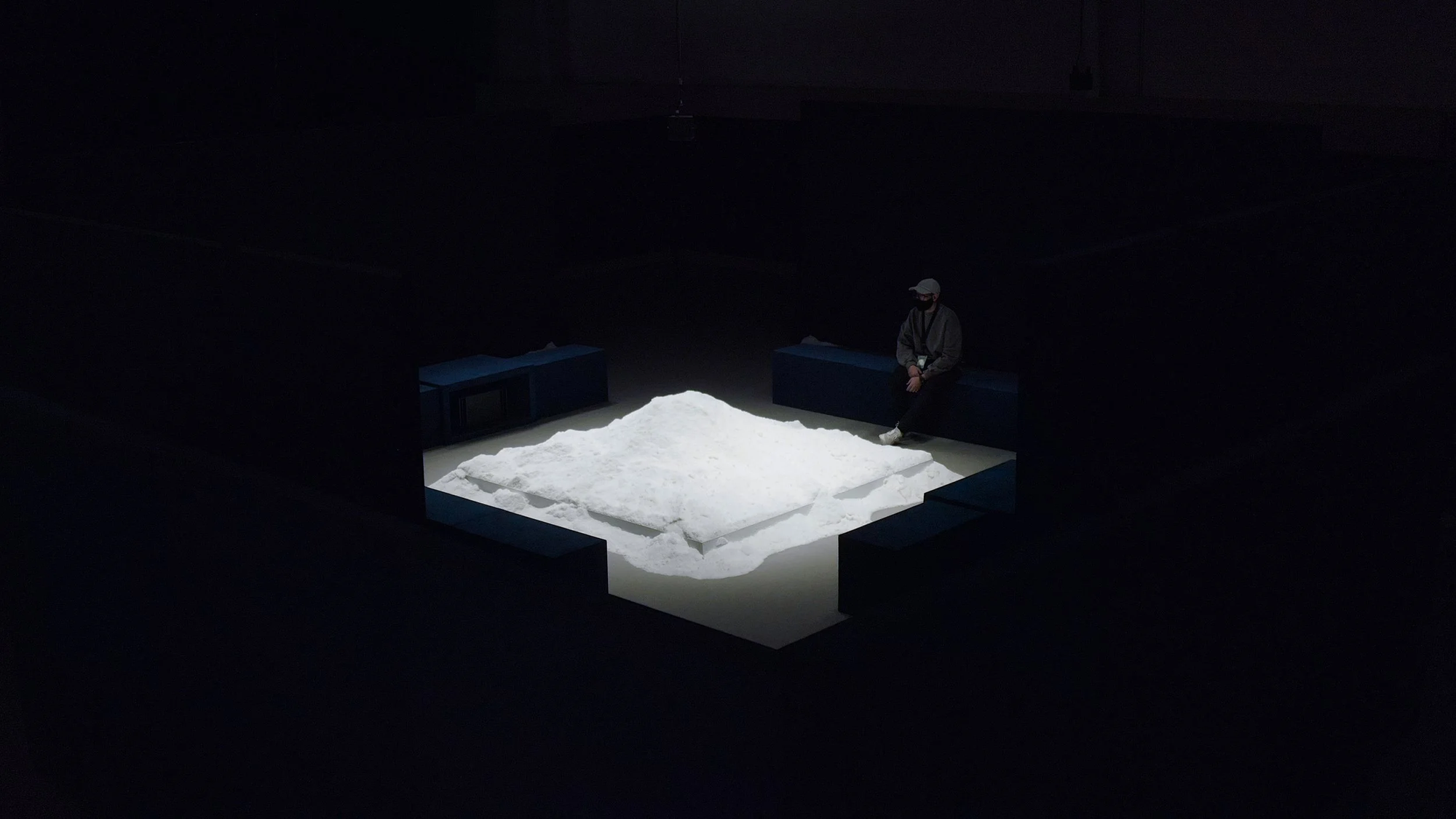
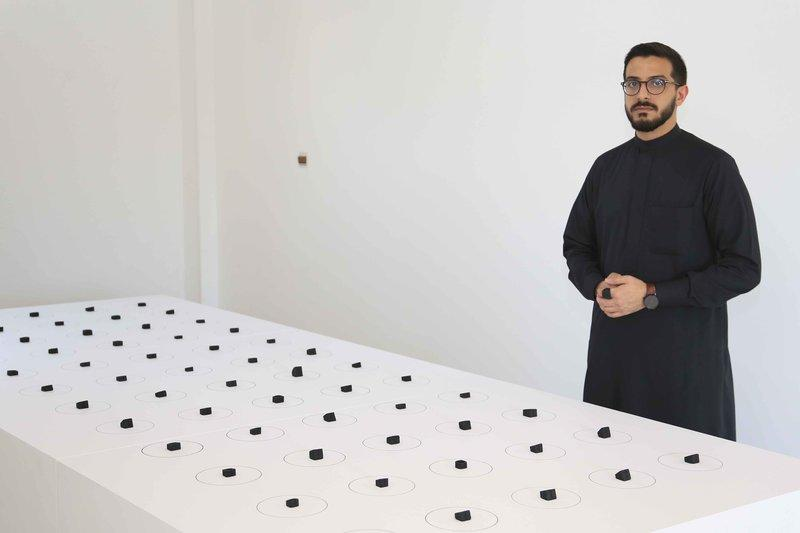
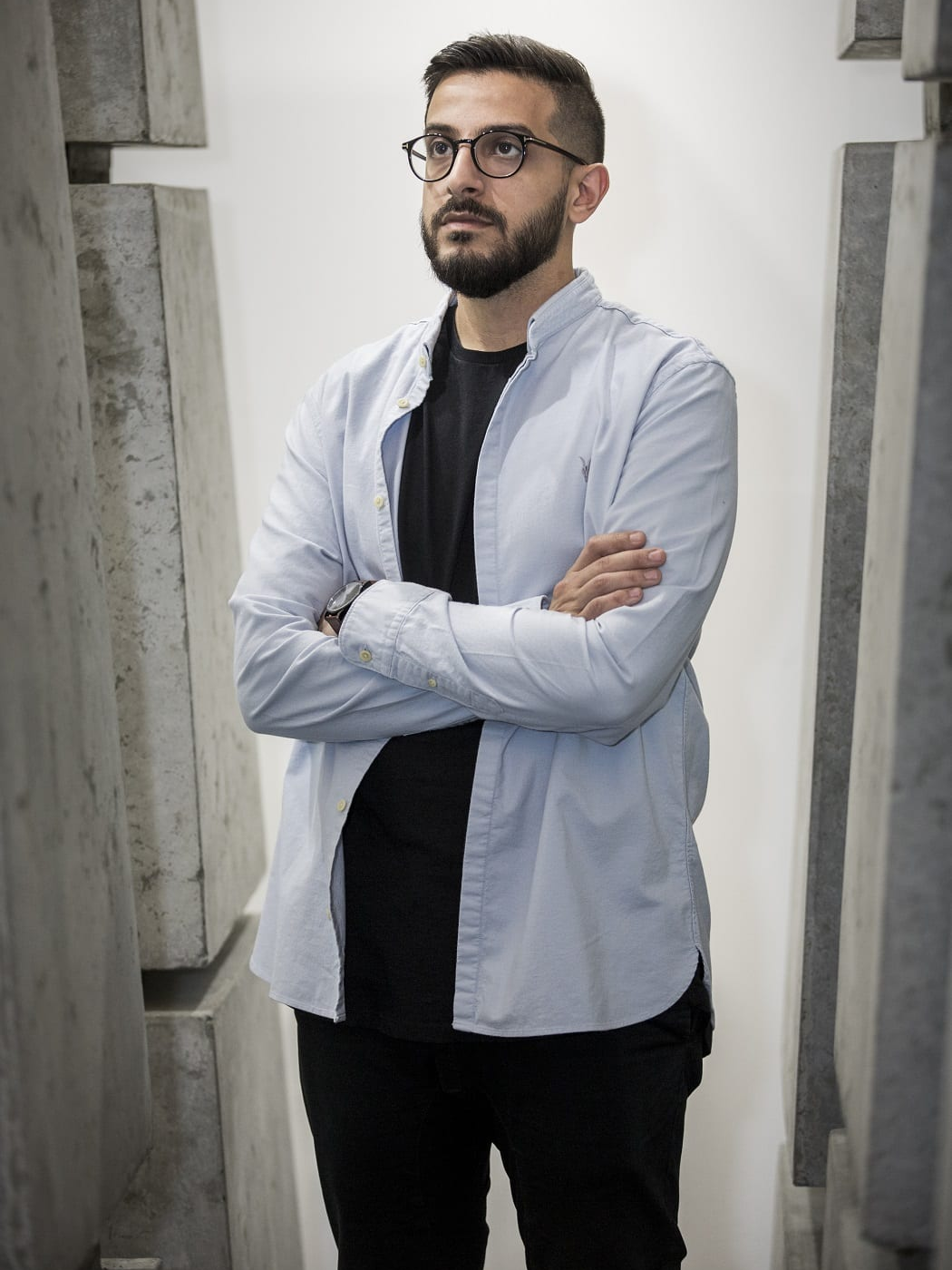
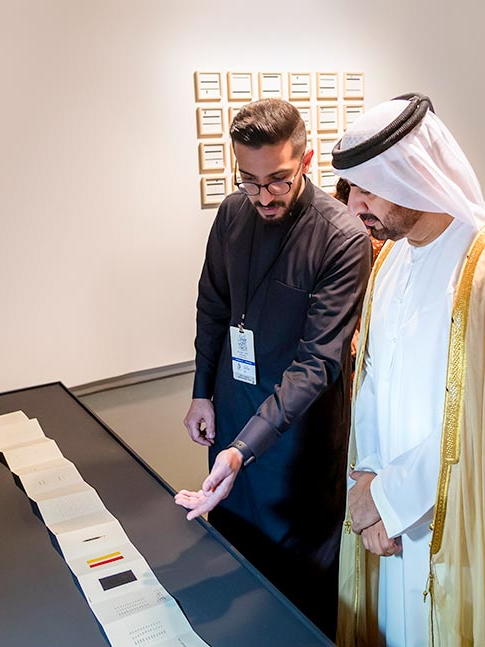
Ayman Zedani is a Saudi contemporary artist whose research-based practice explores the future of the Arabian Peninsula through the relationship between humans and the more-than-human world. His work draws from spiritual ecology, science fiction, regional heritage, and new materialist philosophies, creating immersive installations that move between fact and fiction, memory and speculation, technology and land.
This is what makes his practice distinct. Zedani does not treat ecology as a theme added onto art. He treats it as a way of seeing. In his world, plants, stones, animals, mountains, rivers, algorithms, and human beings are all part of a larger system of relation. The result is art that feels both intellectually rigorous and strangely tender.
At the heart of Ayman Zedani’s work is a quiet refusal: the refusal to place the human at the center of everything. His chosen language is kinship. He is interested in how humans live with other forms of life, how memory is held by land, how ecological systems respond to human pressure, and how stories can help us imagine other ways of belonging. He once said, “Humans are the expression of nature itself,” a thought that sits close to the emotional core of his practice.
This perspective gives his work its depth. Zedani is not simply making art about climate change or biodiversity loss, although those concerns are present. He is asking something more intimate: what would change if we stopped seeing the earth as separate from us? In his hands, art becomes a space where old boundaries soften. The natural and artificial, human and non-human, sacred and technological, inherited and futuristic all begin to overlap. That overlap is where his strongest work lives.
With Terrapolis, Ayman Zedani imagines a digital world that behaves like an ecosystem. Created as a 2-channel video installation and app, the work takes its title from terra, the Latin word for earth, and polis, the Greek word for city or citizens. Through a designed algorithm, the identities of contributors to The Sustainability Pavilion at Expo 2020 are transformed into digital organic forms, each one appearing as a distinct life presence inside a simulated environment.
What makes Terrapolis more than a technological experiment is the sense of kinship it creates. The work blurs the distinction between life forms, allowing human identity to shift into something organic, relational, and communal. In this digital landscape, the future is not cold or mechanical. It is alive, strange, and quietly connected.
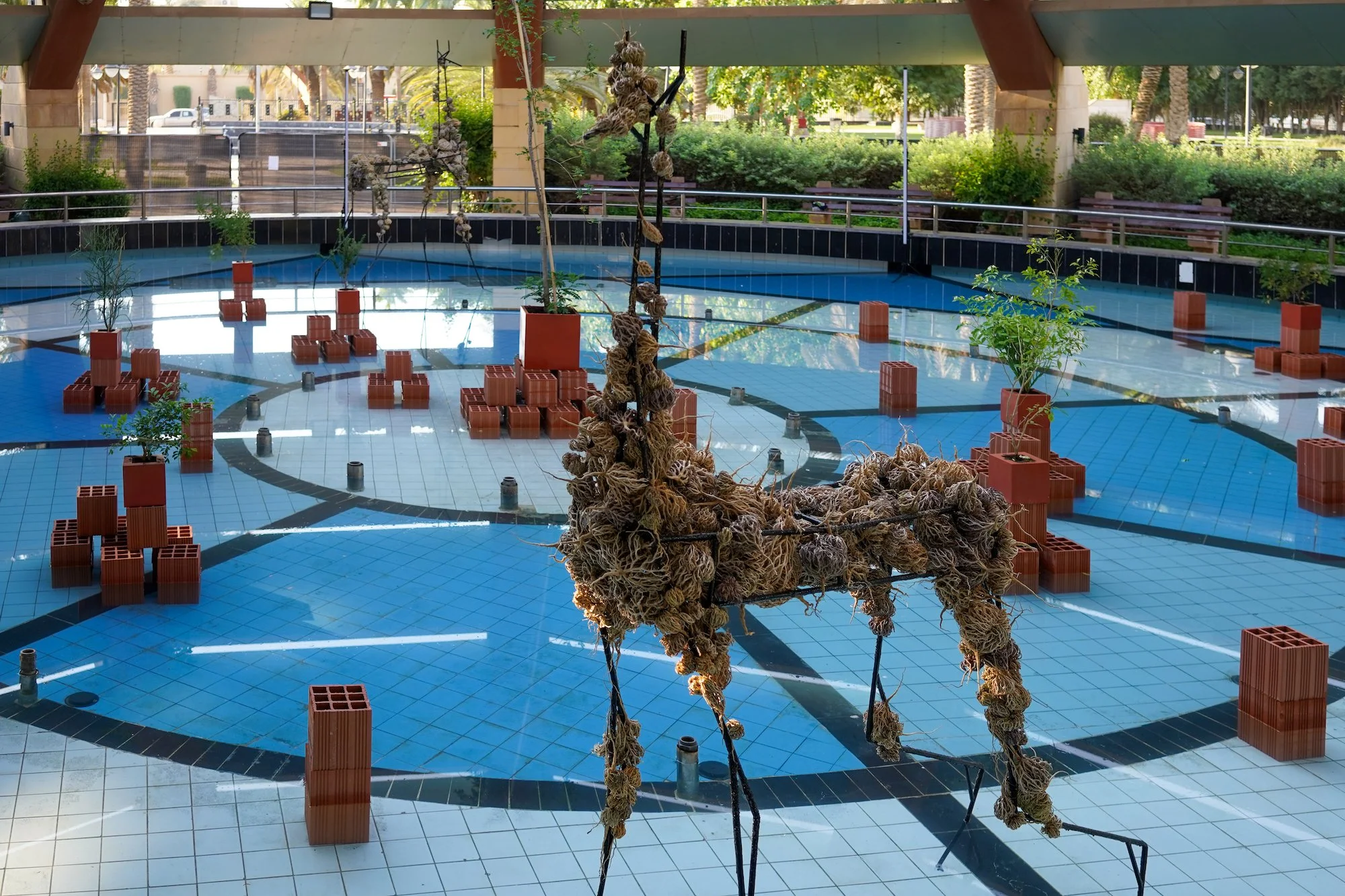
If Terrapolis imagines a digital ecology, Between Biotic And Bionic turns toward the contemporary Gulf city and its complicated relationship with nature. Across the region, nature is increasingly experienced through simulation, from artificial rainforests and indoor ski slopes to plastic flowers, butterfly gardens, mummified palm trees, and neon forests. Rather than treating these spaces as simply fake, Ayman Zedani explores the tension they create, especially when constructed environments begin to support new forms of life.
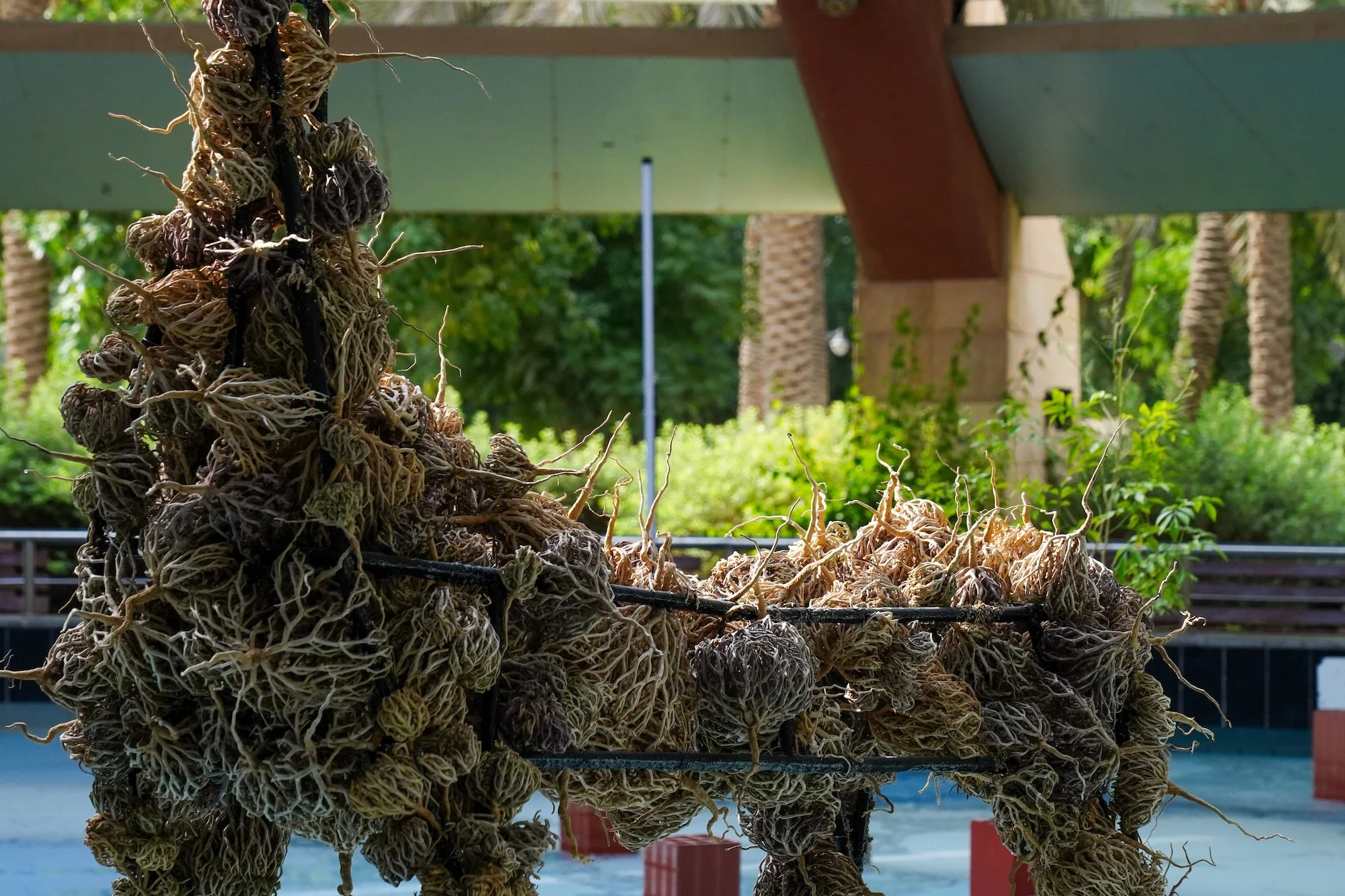
The installation brings together sound, light, sculpture, plants, and a fountain structure, creating a space that feels halfway between garden, machine, and ritual site. At its center are welded metal sculptures covered in Kaff Maryam, a resurrection plant able to survive extreme dehydration. These animal-like forms, which Zedani calls “The Emergents,” ask how nature is consumed, staged, and redesigned in Gulf urban life, while leaving room for the unexpected life that can grow from contradiction.
In The Ancient Ones, Ayman Zedani turns from constructed environments to living witnesses of deep time. The video installation centers on ancient trees in the Sarawat Mountains, some more than 1,400 years old, and began with research into the 2020 Jabal Ghulamah wildfire, which burned for nine days before rain extinguished it. Amid the damage, the ancient Al’Reqa’ah tree survived, becoming a symbol of endurance, protection, and ecological responsibility.
Through image and sound, Zedani gives these trees the gravity they deserve, creating an encounter with the trees and the mountain communities around them. The work reflects on human impact, climate change, biodiversity loss, and the future of the earth, but does so through reverence rather than alarm. In a rapidly transforming Saudi Arabia, it reminds us that not all heritage is built from stone, architecture, or objects. Some heritage is alive. Some heritage has roots.
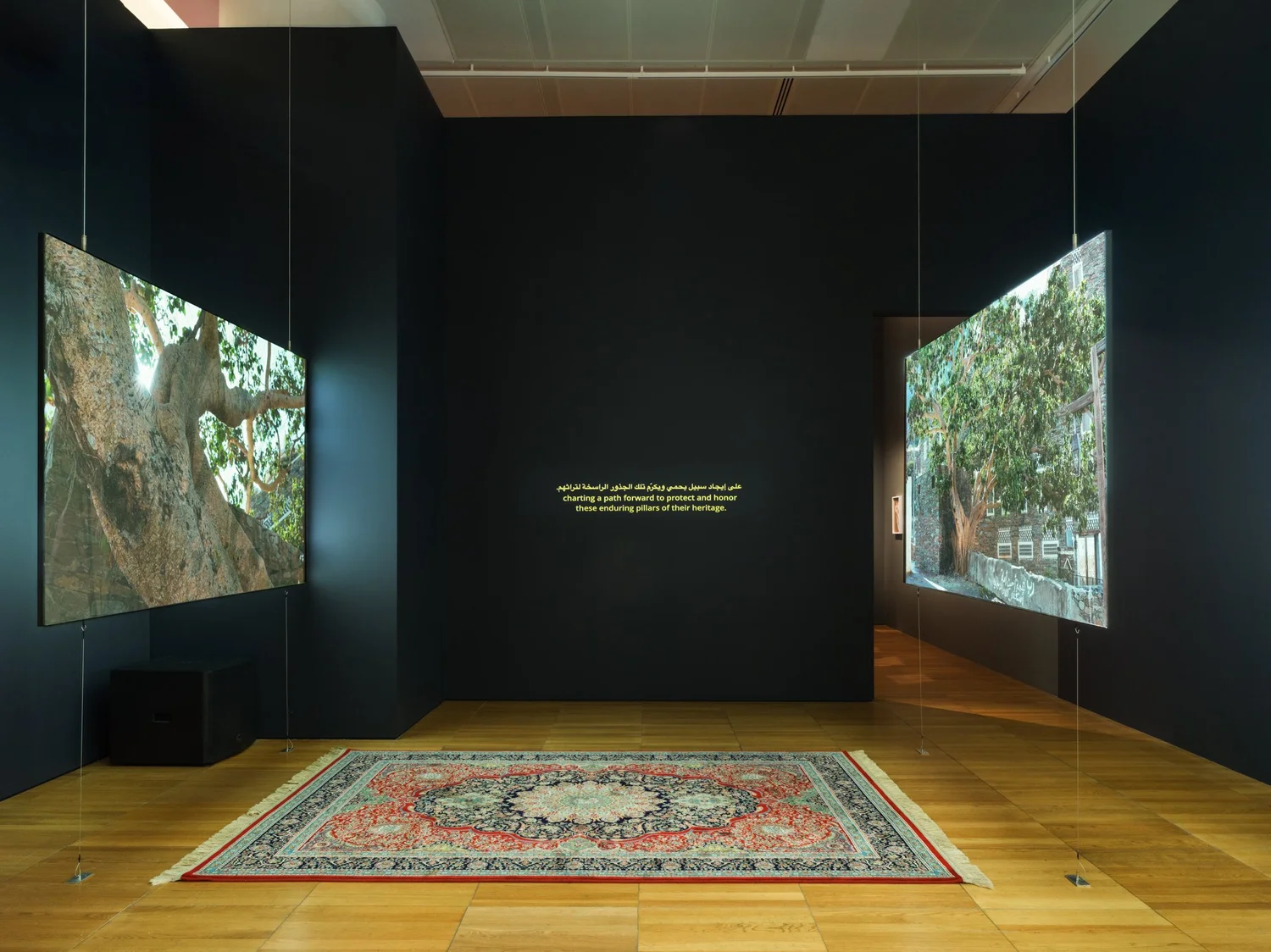
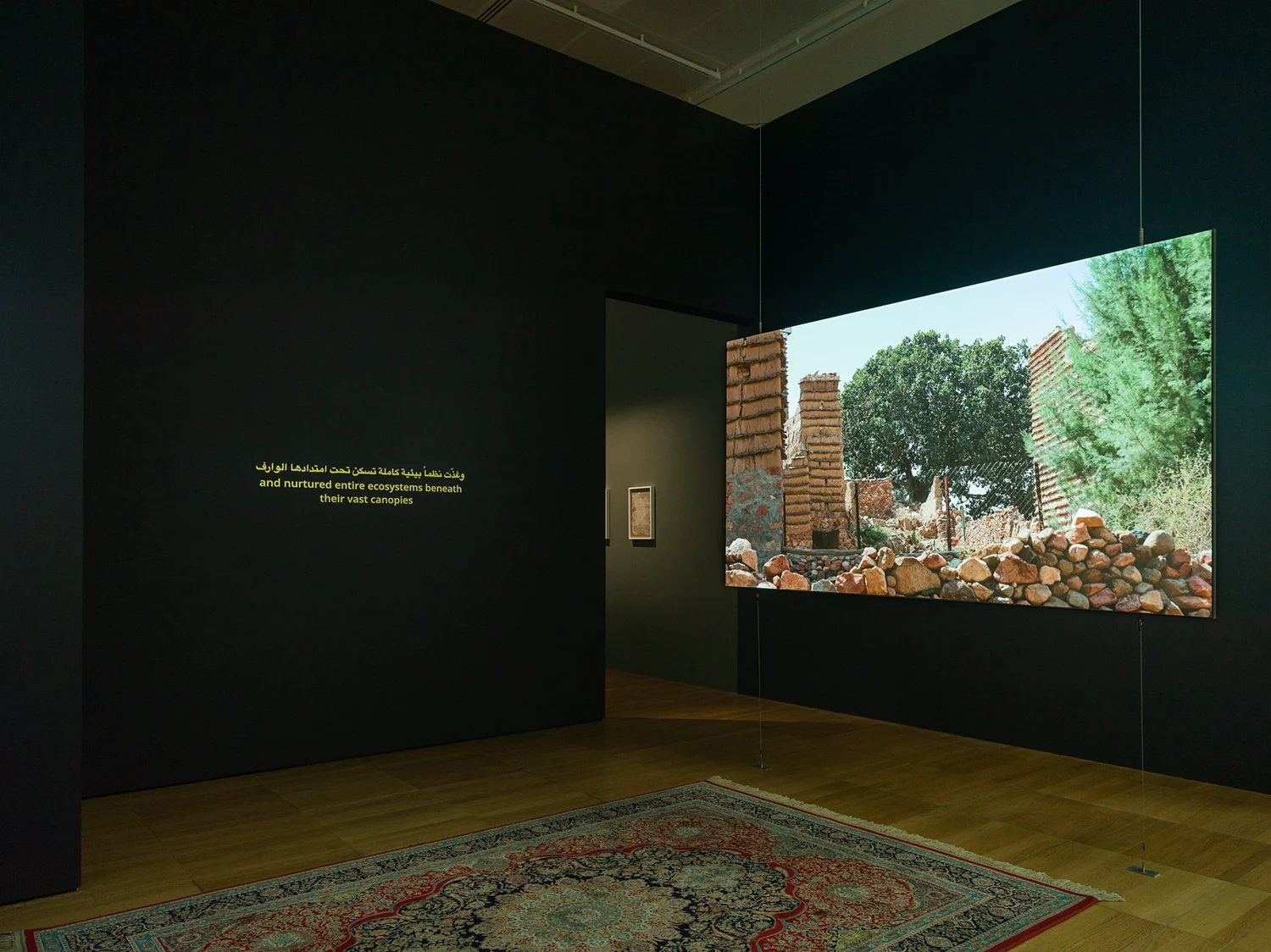
The Heavens Is For All expands Ayman Zedani's ecological imagination into the language of shelter, sacredness, and shared life. The short film, presented with multi-channel audio and a small publication, explores nature as Awwal Bayt, or First House. Moving between fact and fiction, it brings together stories from the human and more-than-human worlds to create an archive of ecological coexistence.
The work looks at ancient water terraces and their regenerative power, alongside an abandoned Hajj terminal where a central tree has become home to more than 50 nests of weaver birds. Around it, vegetation grows more lush, showing how birds, plants, shade, sound, and time can transform human infrastructure into habitat. In Zedani’s hands, absence becomes shelter, and the earth becomes not just a setting for human history, but the first shared house.
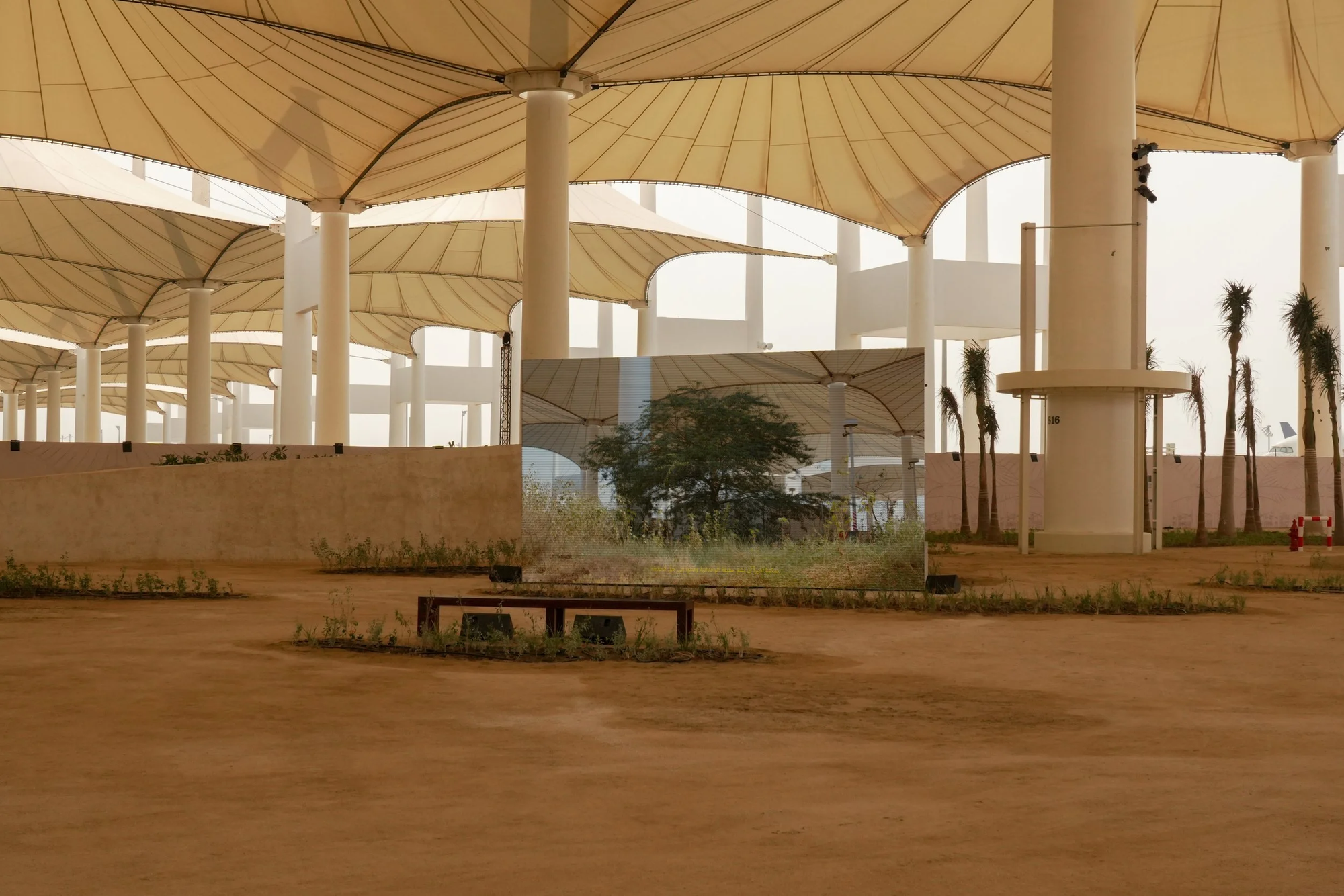
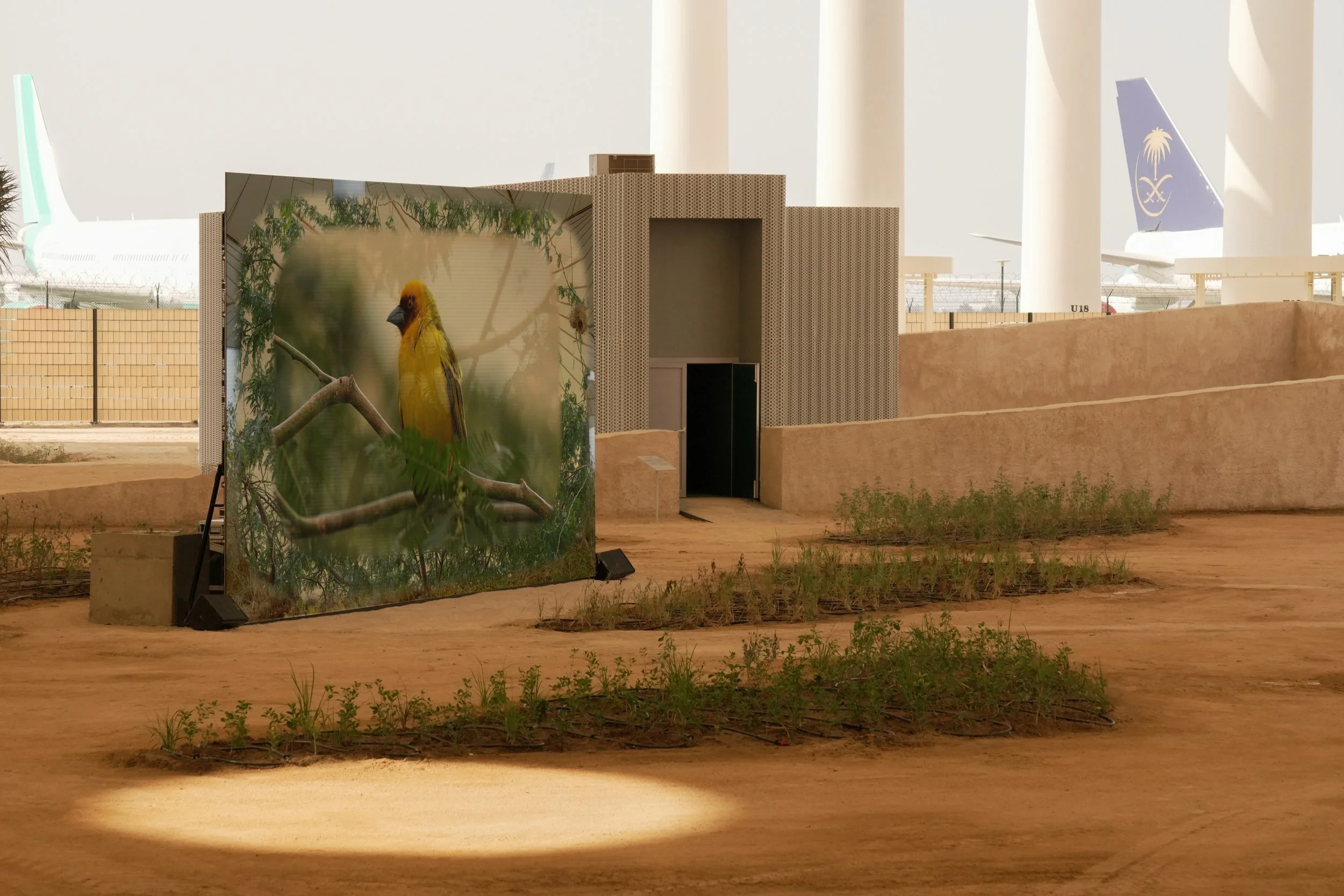
Zedani’s practice is deeply tied to storytelling, especially through his relationship to Asir and the narrative traditions of the Bedu, the Bedouin communities of the Arabian Peninsula whose oral storytelling is shaped by land, movement, memory, and survival. He has said, “For me, writing is what starts all my projects,” explaining that he often writes the stories first, then creates the visuals in response.
This gives his work its layered quality. Across Terrapolis, Between Biotic And Bionic, The Ancient Ones, and The Heavens Is For All, storytelling becomes an ecological method, connecting digital identities to plant life, artificial gardens to Gulf cities, ancient trees to climate memory, and abandoned terminals to bird communities. His stories do not move away from reality. They help us see reality differently.
Ayman Zedani’s practice belongs to a wider moment in Saudi contemporary art, one marked by international visibility, institutional growth, and a renewed attention to land, memory, and cultural identity. His career has grown across major local and international platforms, including Desert X AlUla, the Islamic Arts Biennale in Jeddah, the Diriyah Contemporary Art Biennale, Expo 2020 Dubai, the Lahore Biennale, Bienalsur in Buenos Aires, Sharjah Biennial 16, Istanbul Biennial 18, Dream City Festival in Tunis, and Art of the Kingdom. He also won the inaugural Ithra Art Prize in 2018 and presented his debut solo exhibition, bahar-bashar-shajar-hajar, meaning sea-human-tree-stone, at Athr Gallery in Jeddah in 2019.
Ayman Zedani’s art arrives at a time when the future is often imagined through speed, technology, expansion, and spectacle. His work offers another possibility: a future that is ecological, relational, and attentive to forms of life that human systems have too often ignored.
A tree that survives fire, a plant that returns after drought, a bird colony that transforms abandoned architecture, and a digital form that carries human identity into an organic state all become models for thinking differently. Zedani’s work does not simply ask what the future will look like. It asks who, and what, we will allow into it.
Discover more artist stories at KSAArt.com.