The Art Majlis x Maisa Shaldan: How to Draw What We Feel
Maisa Shaldan led The Art Majlis in Riyadh with a session on drawing through sensation, memory, and emotion, plus a guided sensory sketching activity using touch and smell.

Maisa Shaldan led The Art Majlis in Riyadh with a session on drawing through sensation, memory, and emotion, plus a guided sensory sketching activity using touch and smell.
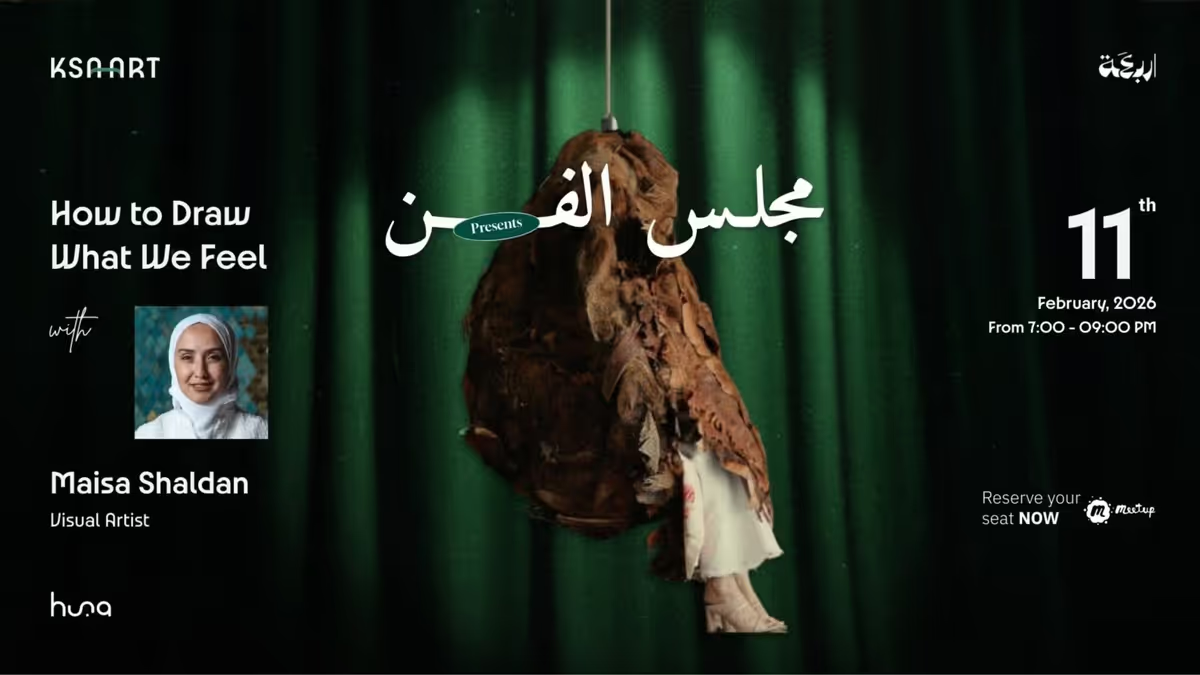
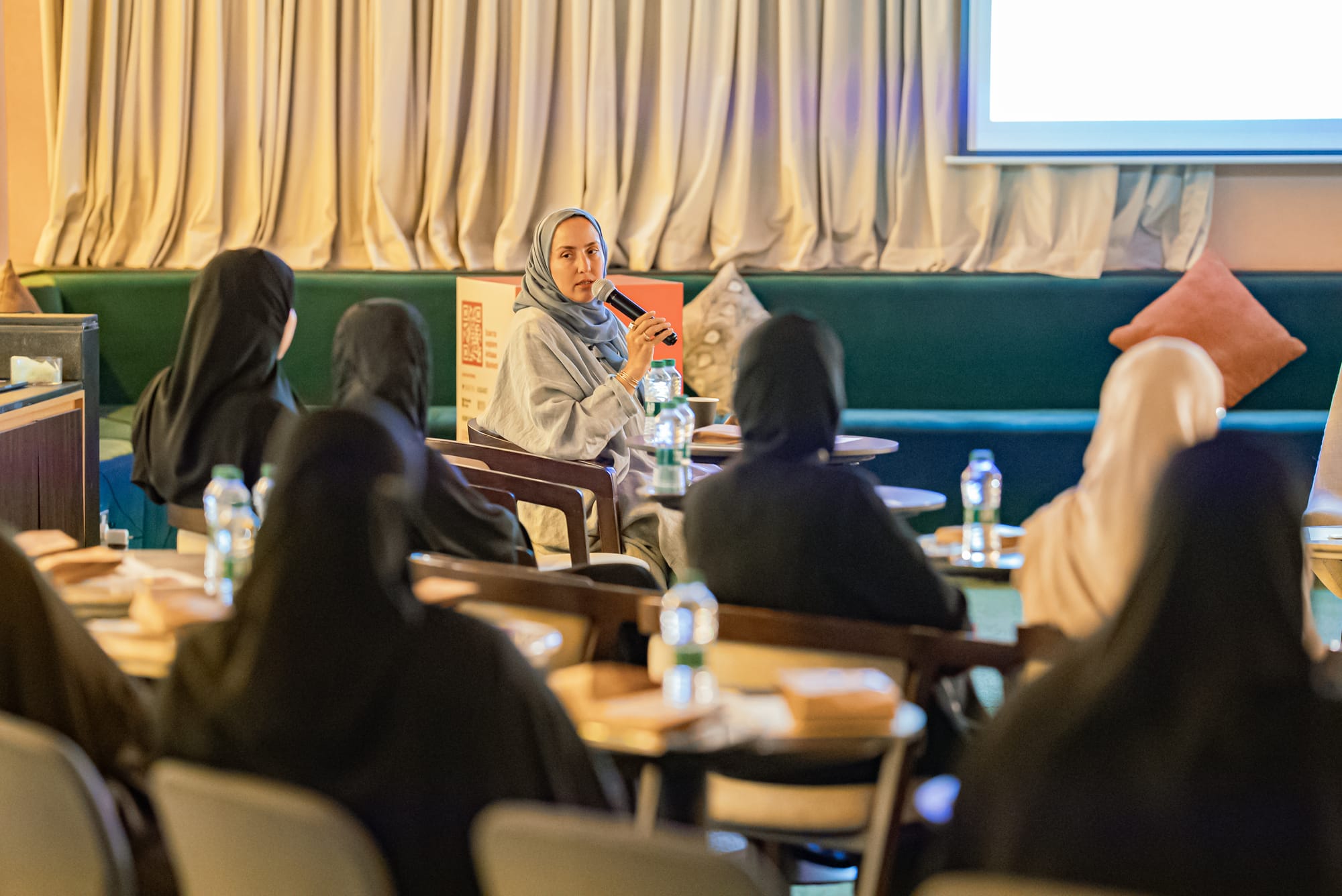
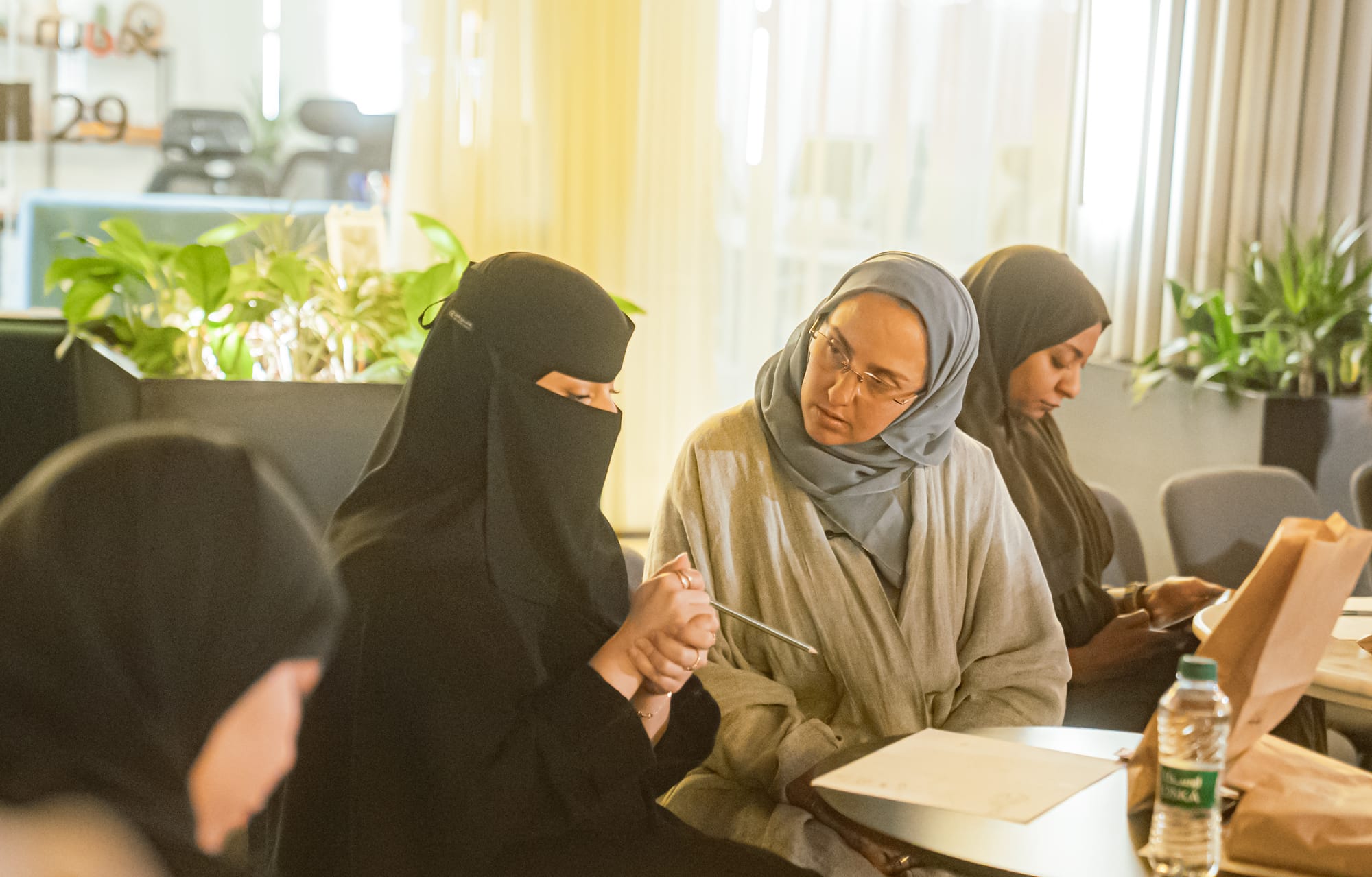
On Wednesday evening, 11 February 2026, creatives, students, and art enthusiasts gathered at Huna Takhassusi for a special session of The Art Majlis, hosted by KSA Art. The artist-led session, titled “How to Draw What We Feel,” was led by Saudi visual artist and researcher Maisa Shaldan, offering participants a reflective exploration of how sensation, memory, and emotion shape artistic creation.
Unlike traditional technical workshops focused on drawing accuracy, the session centered on a deeper creative question: How do artists translate inner experience into visual form?
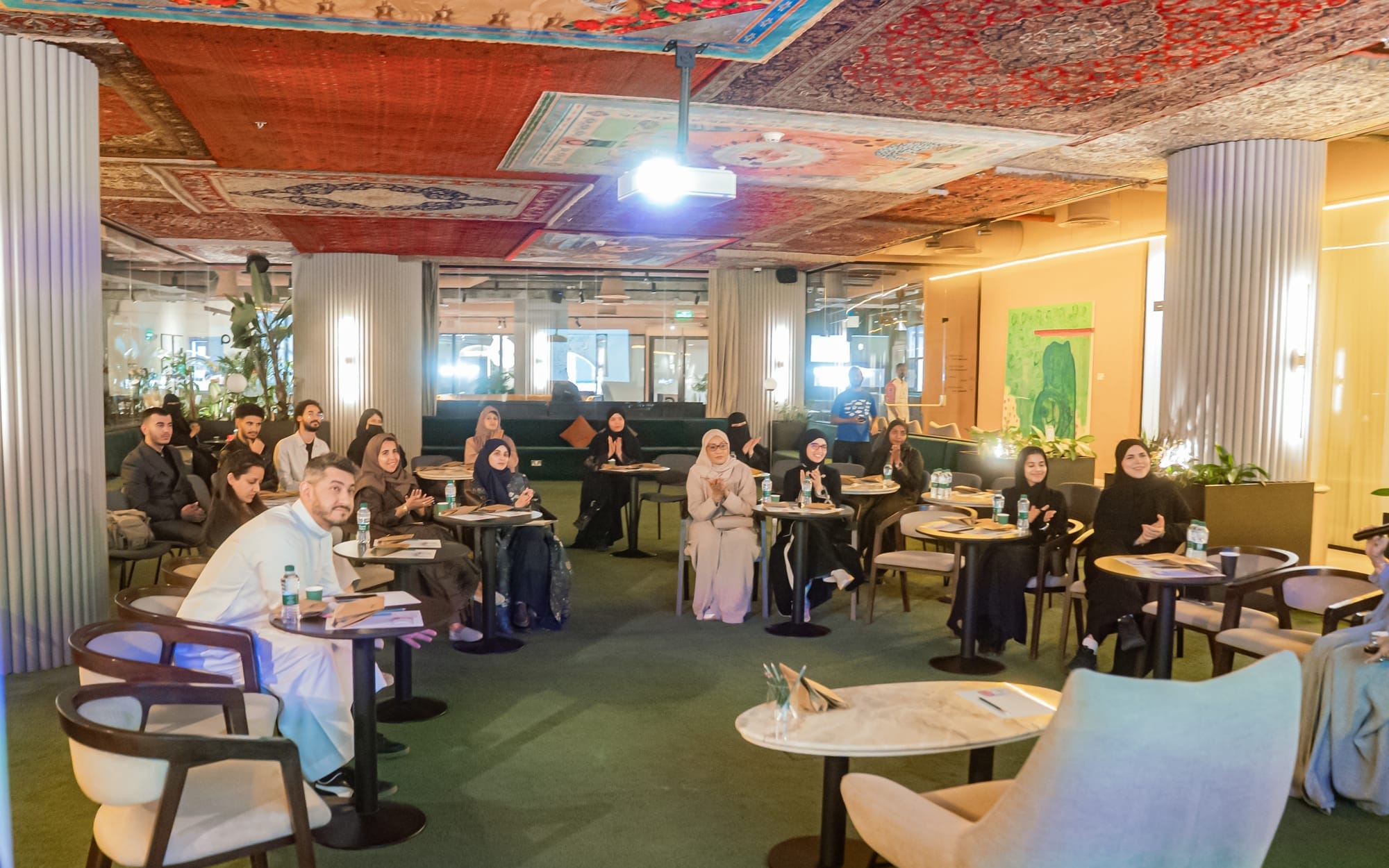
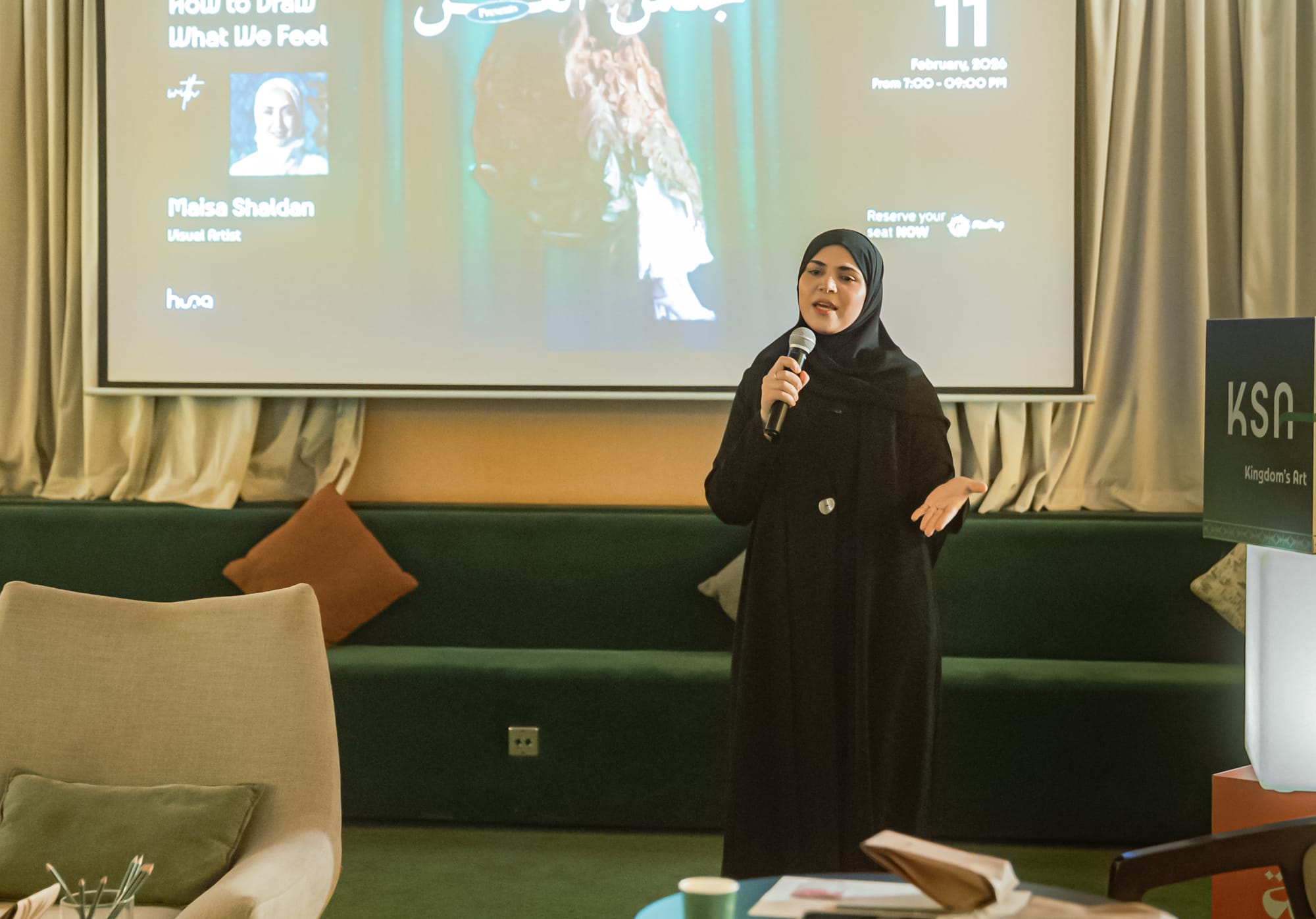
Maisa Shaldan opened the evening by inviting participants to rethink how art begins. Rather than starting with composition rules or drawing techniques, she emphasized that many artworks begin with feeling, memory, or sensory experience, long before lines appear on paper.
Through conversation and examples from her own practice, she explained how artists often select materials (paper textures, pigments, charcoal, or fabric) based on the emotional atmosphere they want to express. In this perspective, materials are not simply tools; they become part of the storytelling language itself.
Participants explored how concept and material work together, learning that the meaning of a piece often develops through the relationship between what is being expressed and how it is physically created.
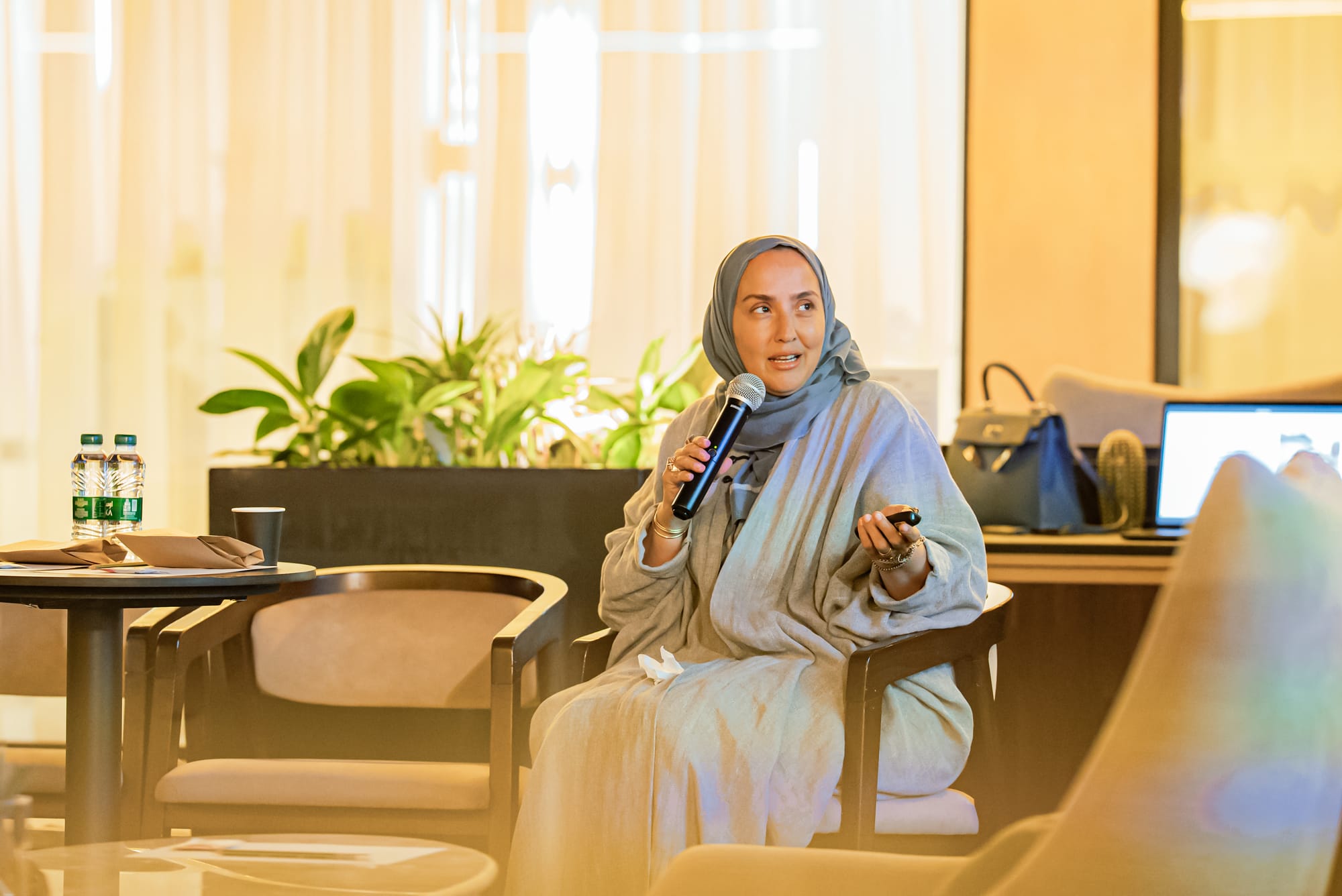
Maisa guided the audience through a selection of her own artworks, unpacking the thought process behind each piece, where the idea began, what story it carried, and what it was responding to on an emotional level. She showed how meaning is built step by step: through symbols, choices of material, and the way a work is composed.
Across the discussion, she connected her practice to deeper references rooted in faith, Islamic values, and cultural memory, explaining how feeling, religion, and identity can sit inside the same artwork without needing to be explained loudly. The result was a clear message: her work is not just made to be seen, but to be felt, understood, and remembered.
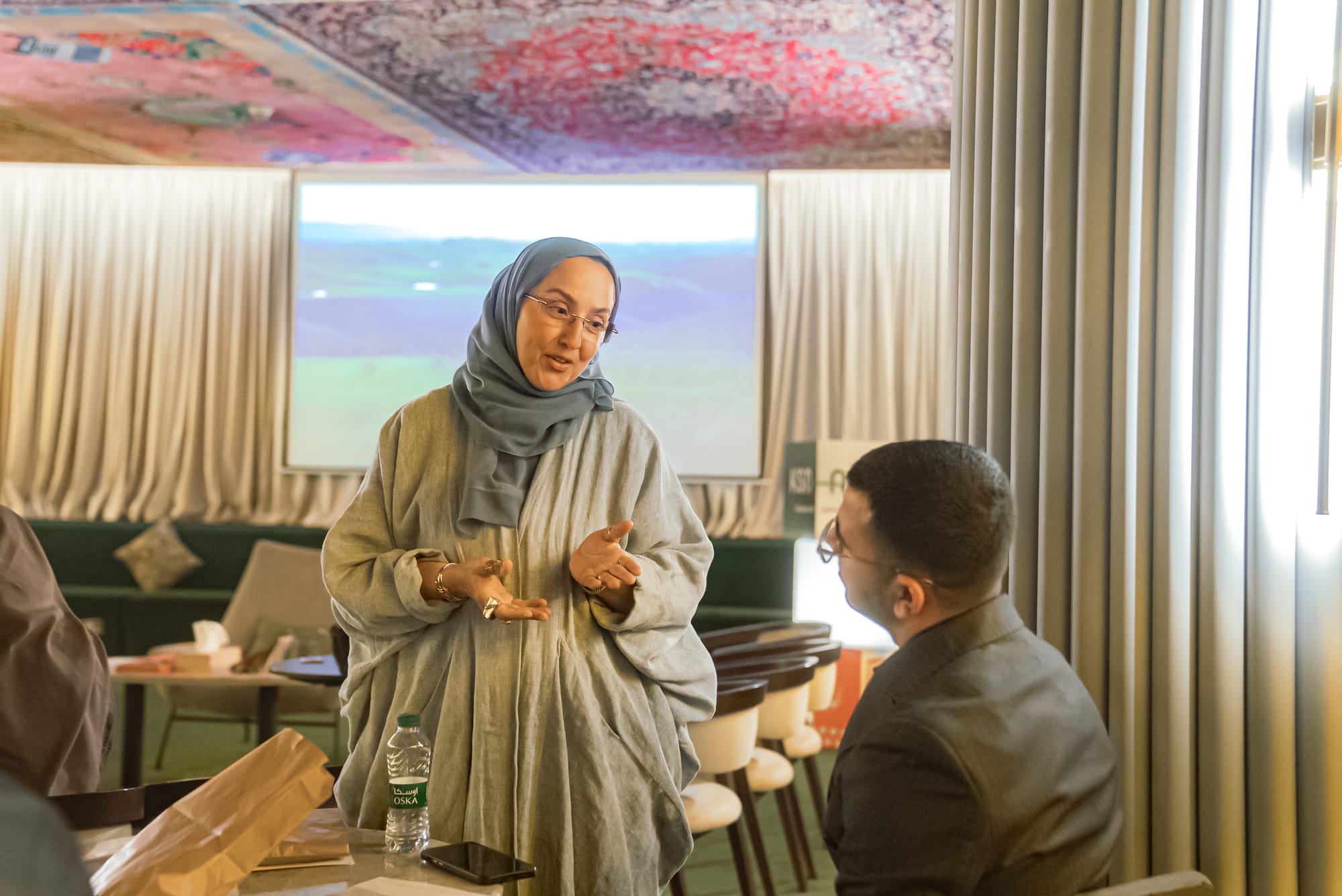
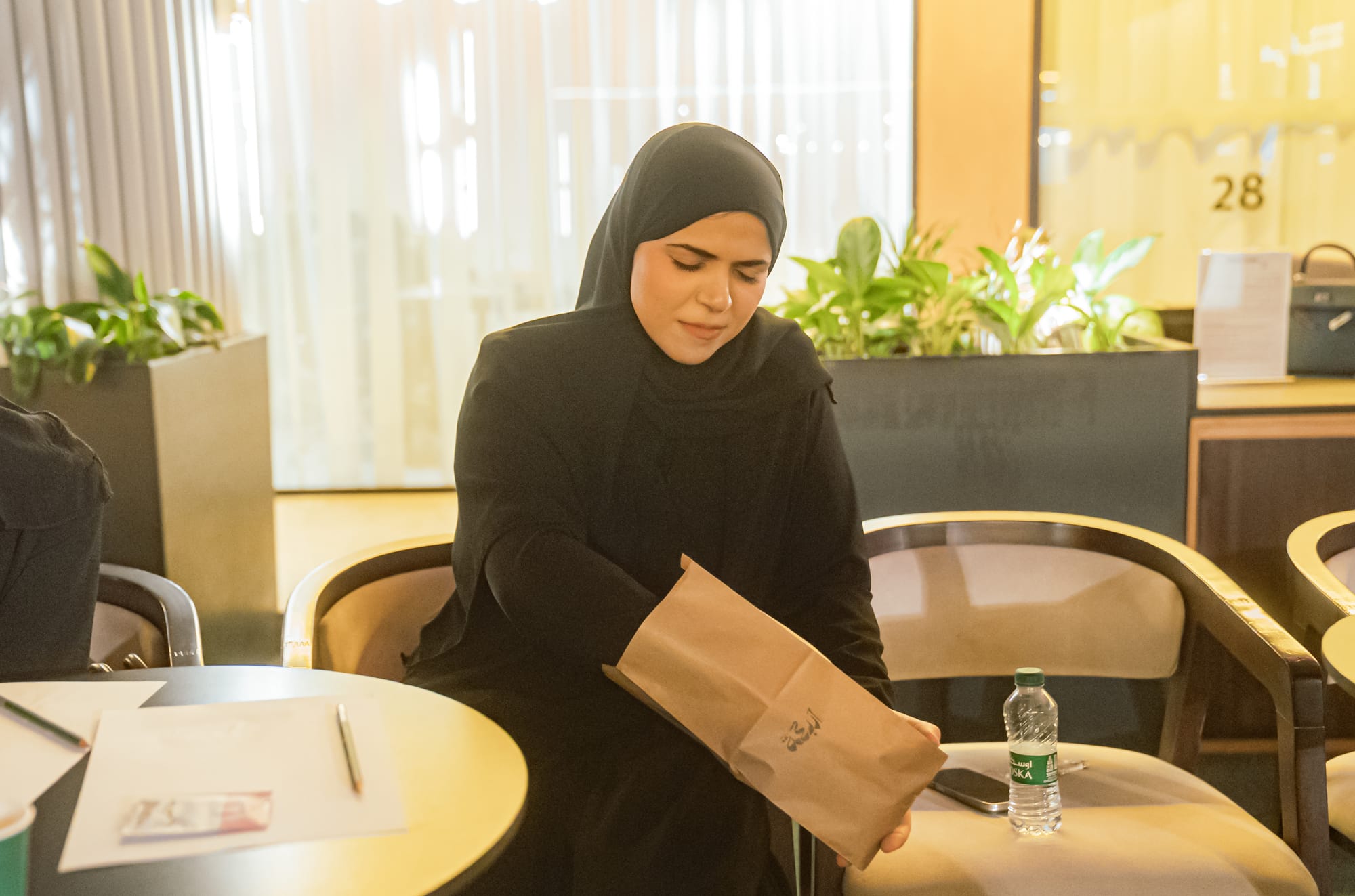
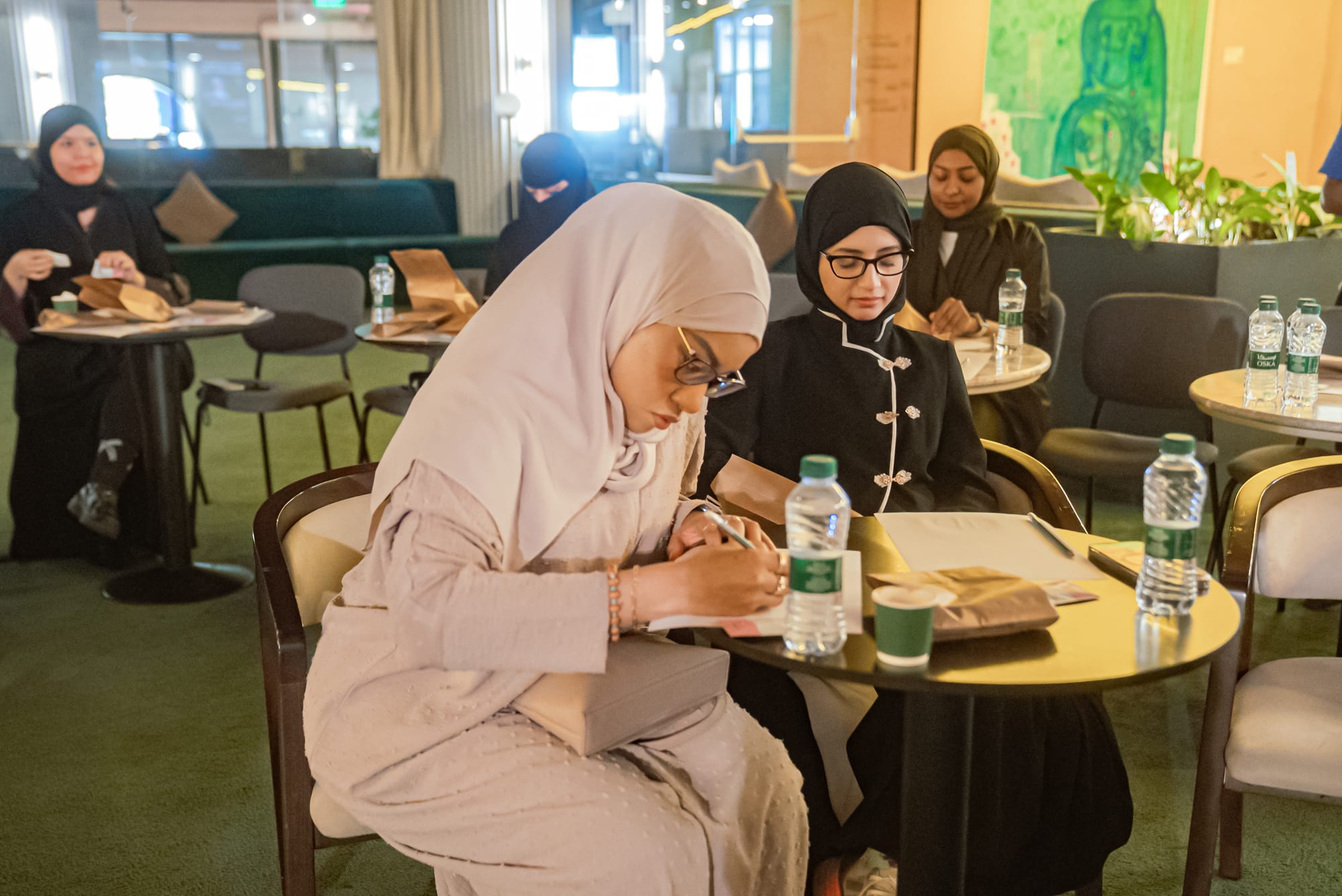
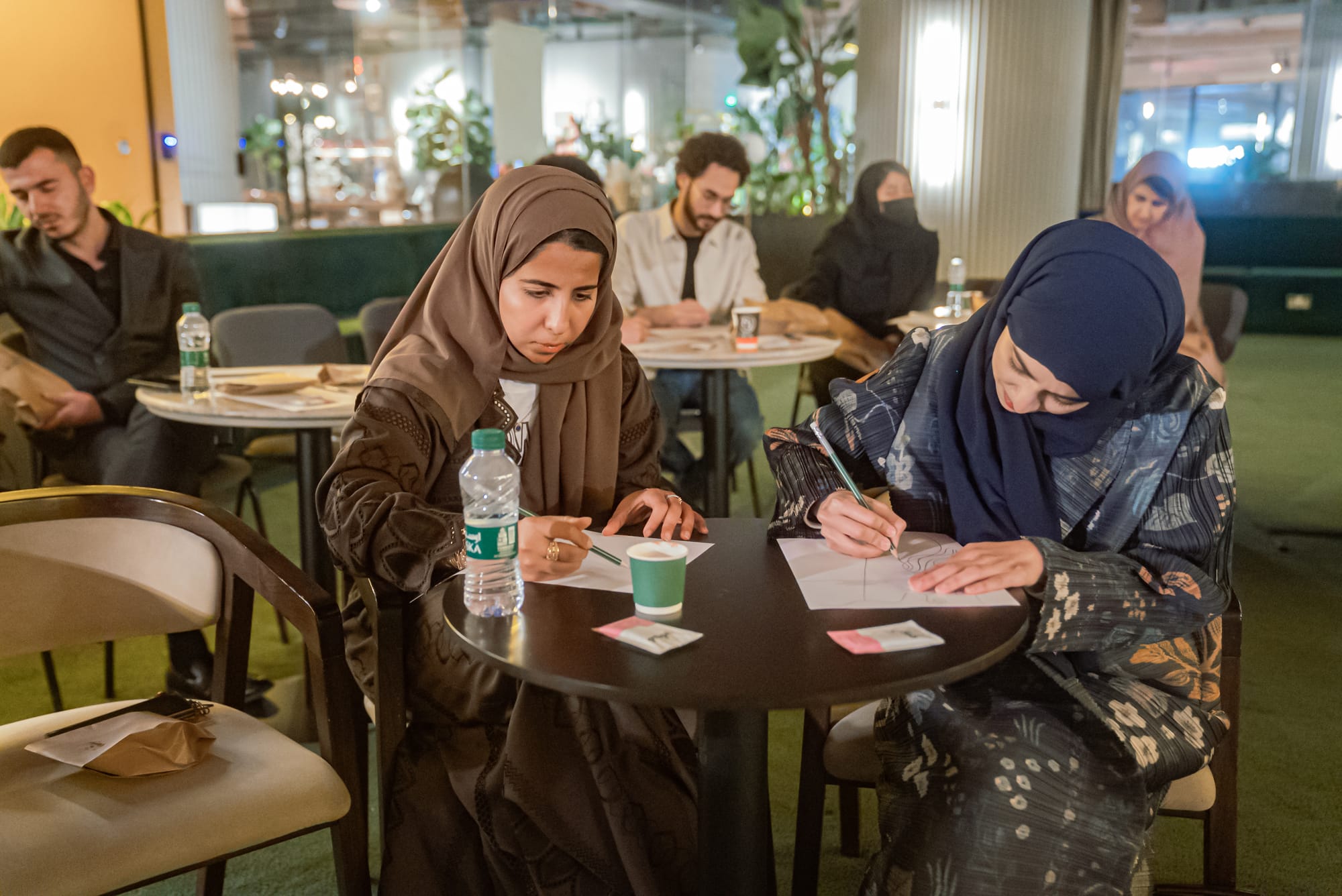
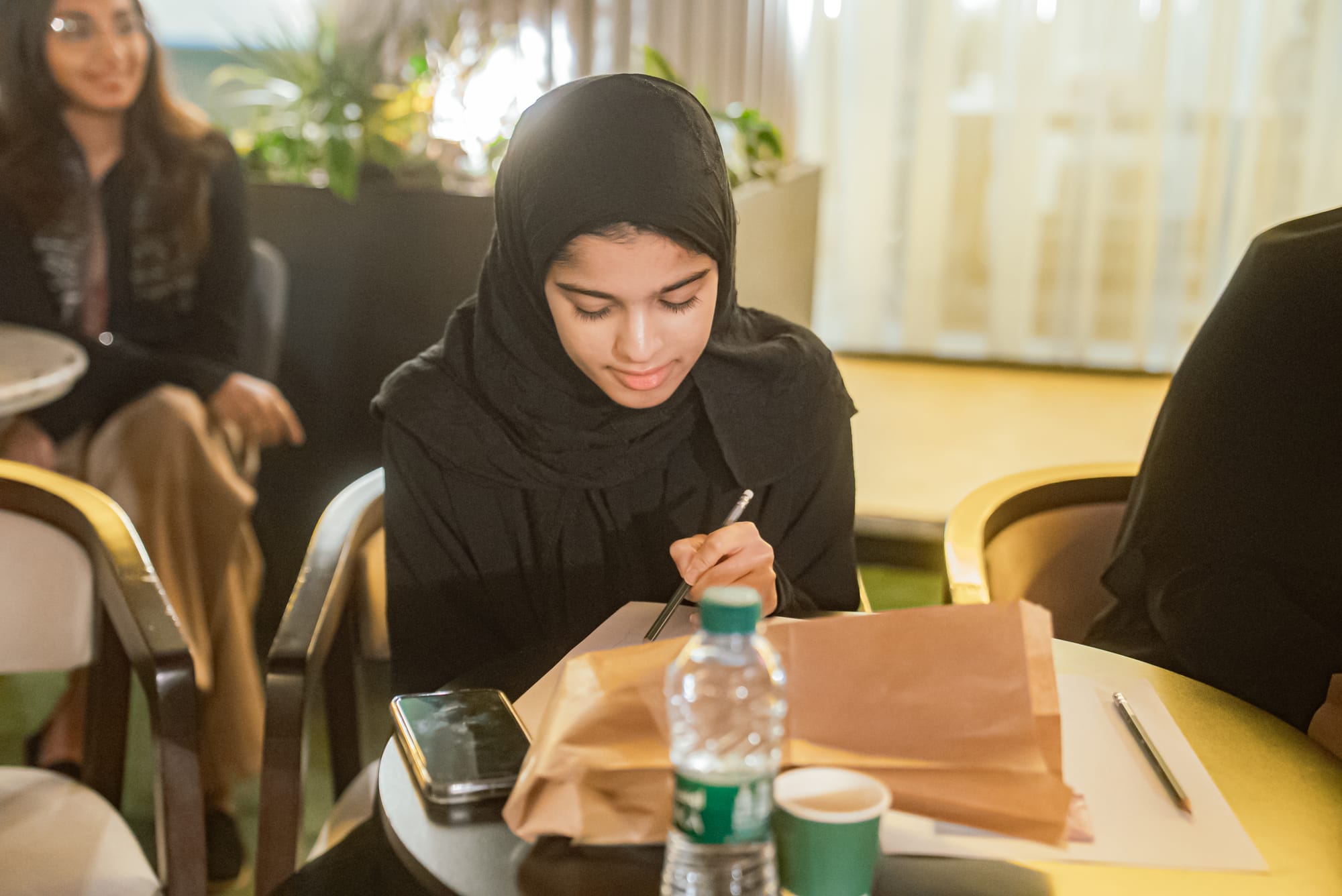
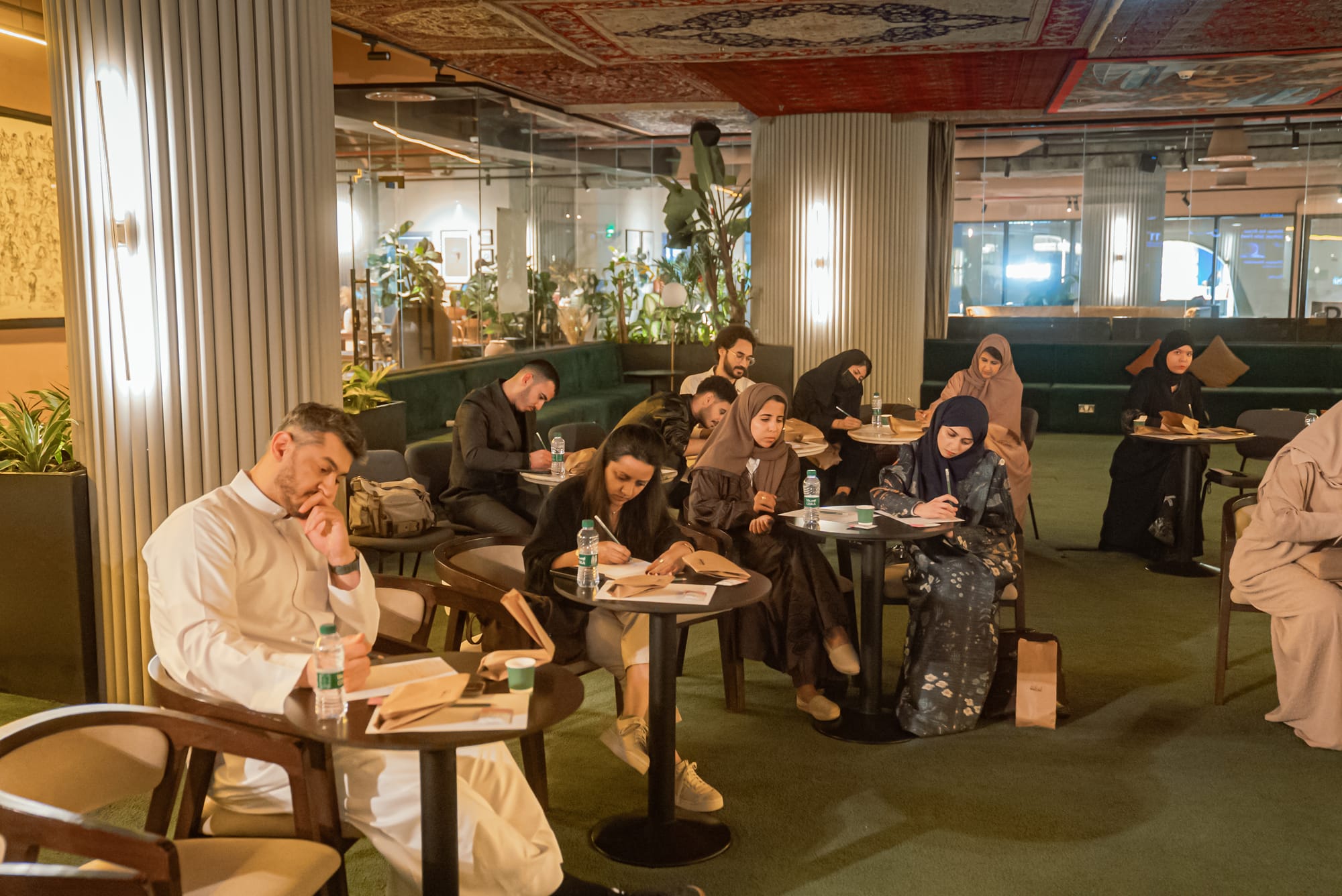
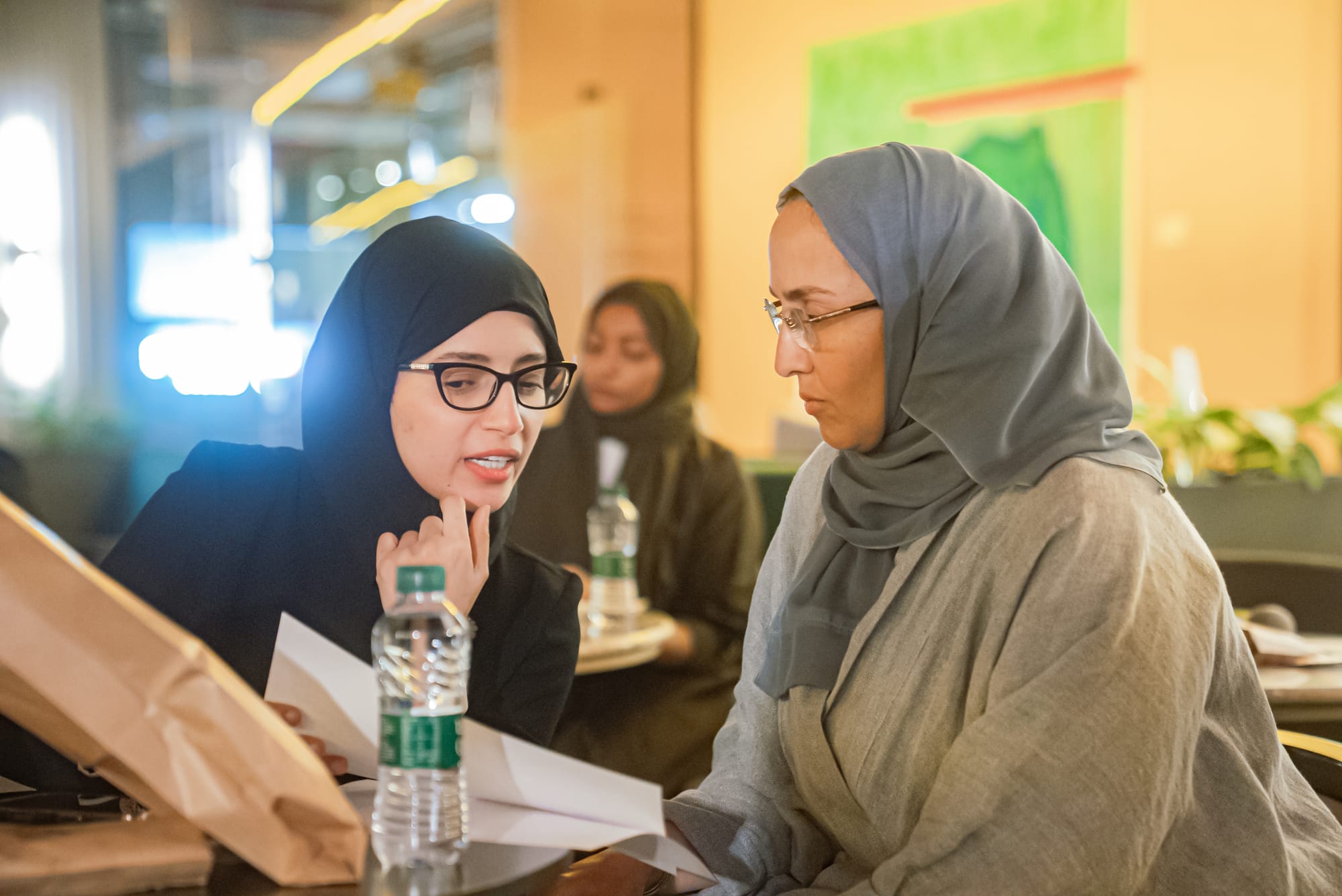
One of the most engaging moments of the evening was the guided sensory sketching activity, where participants were invited to explore natural materials through touch and smell before attempting to draw them.
Instead of observing objects visually, attendees first interacted with textures and scents, then translated their sensations into abstract sketches guided by feeling rather than sight. The exercise demonstrated how perception extends beyond vision and how sensory awareness can unlock new creative approaches.
The activity encouraged participants to loosen their expectations of “correct” drawing and focus instead on emotional interpretation, resulting in expressive sketches that captured mood, rhythm, and movement rather than literal representation.
The session reflected the broader mission of The Art Majlis: creating artist-led spaces where conversation, experimentation, and process-focused learning take priority over formal instruction. By bringing practicing artists directly into dialogue with audiences, the series helps bridge the gap between studio practice and public understanding of contemporary art processes.
More than showcasing finished work, events like this create room for what usually stays unseen: the questions behind a piece, the choices that shape it, and the inner work that happens before anything is “complete.” That’s where the real value sits: building a community that engages with art through awareness, reflection, and creative curiosity, not just observation.
Through discussions, demonstrations, and hands-on exercises, Maisa Shaldan’s session provided a meaningful reminder that art begins long before the first line is drawn, often in sensation, memory, and the quiet moments of reflection that shape how artists see the world.
The evening stood as another example of how The Art Majlis continues to foster thoughtful artistic dialogue in Riyadh, offering spaces where both emerging and established creatives can explore the deeper dimensions of artistic expression.
Missed this session? Join the next one HERE.