AlUla Arts Festival 2026 Reveals Key Events and Exhibitions
Explore AlUla Arts Festival 2026, where land art, design, performance and archives transform Saudi Arabia’s ancient desert into a living museum.

Explore AlUla Arts Festival 2026, where land art, design, performance and archives transform Saudi Arabia’s ancient desert into a living museum.
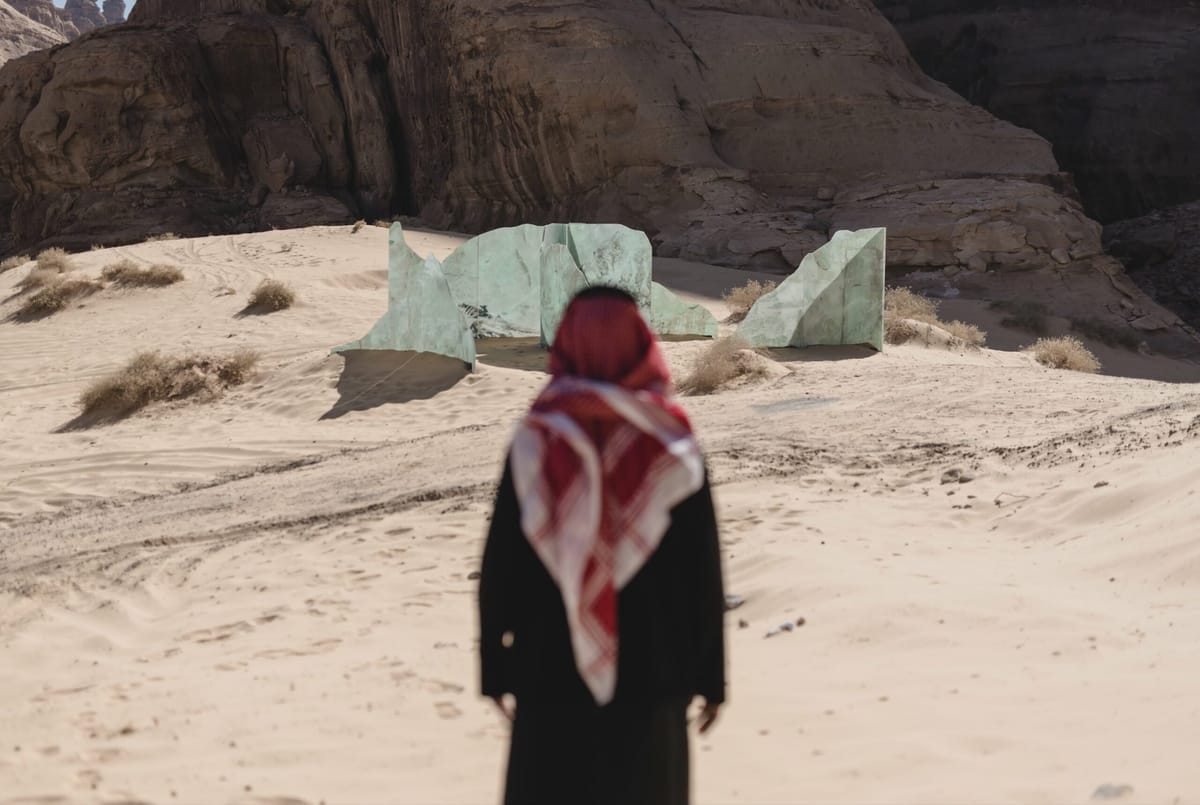
There are places that host art, and there are places that become art. In early 2026, AlUla does the latter. For one month, this ancient valley in northwest Saudi Arabia turns into a living, breathing museum without walls. Land art glowing in the desert, archives flickering to life on screen, craft workshops inside an old school, design pieces lit up in corten-steel architecture, and music drifting through palm groves at night.
The AlUla Arts Festival, running from 16 January to 14 February 2026, isn’t just a cultural event on a calendar, but a statement about where Saudi art is heading next. Here’s everything unfolding at this edition.
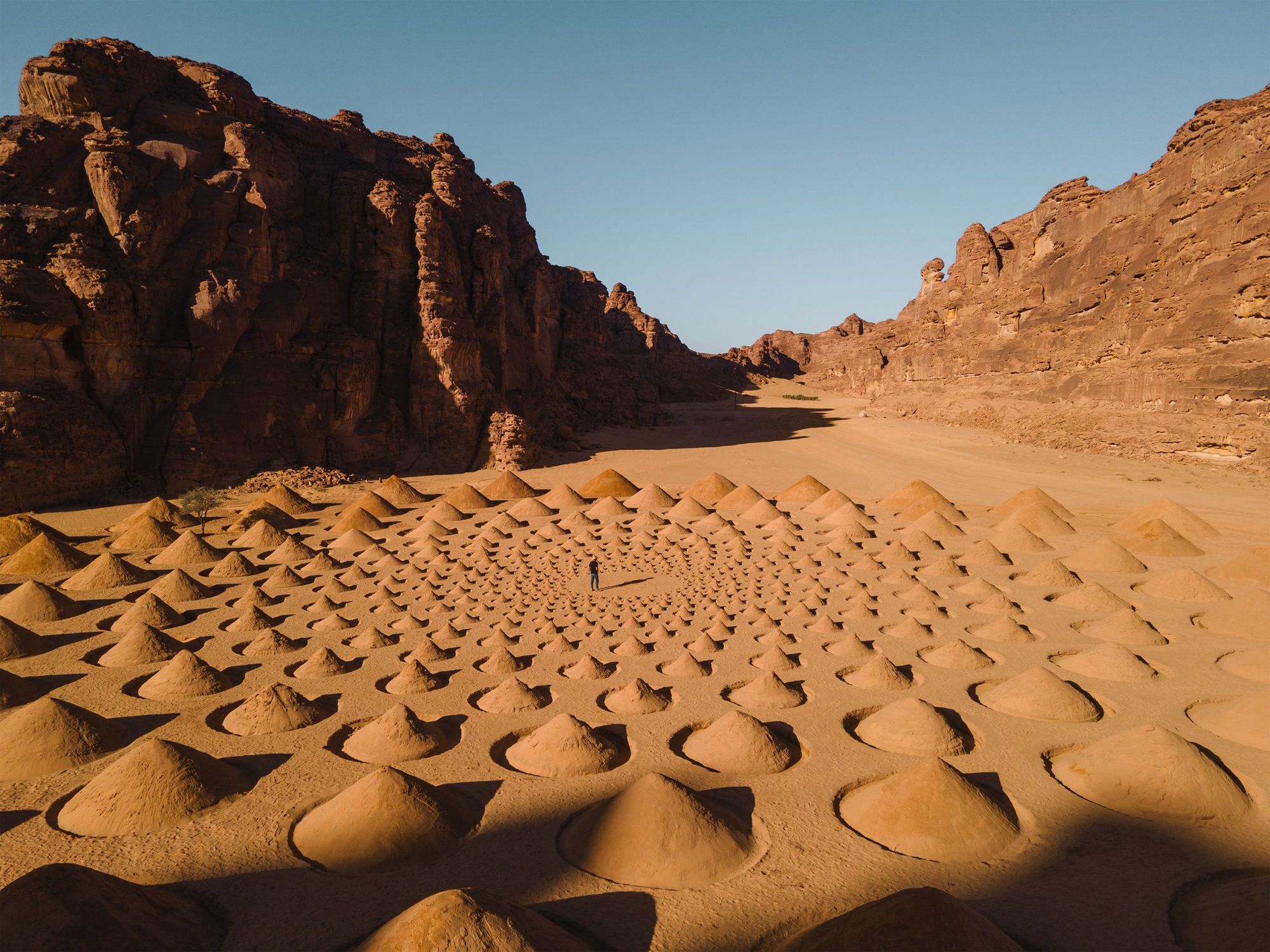
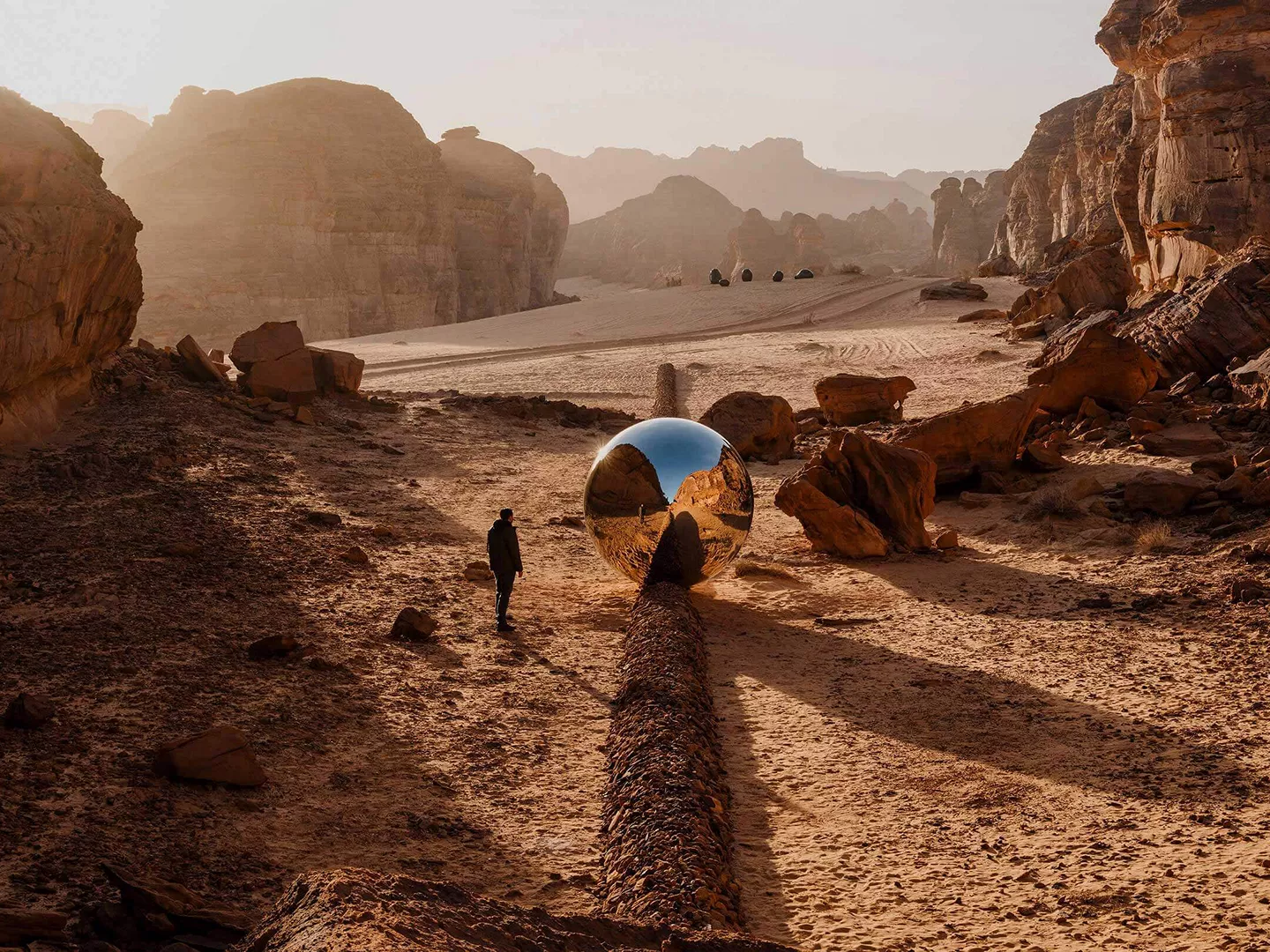
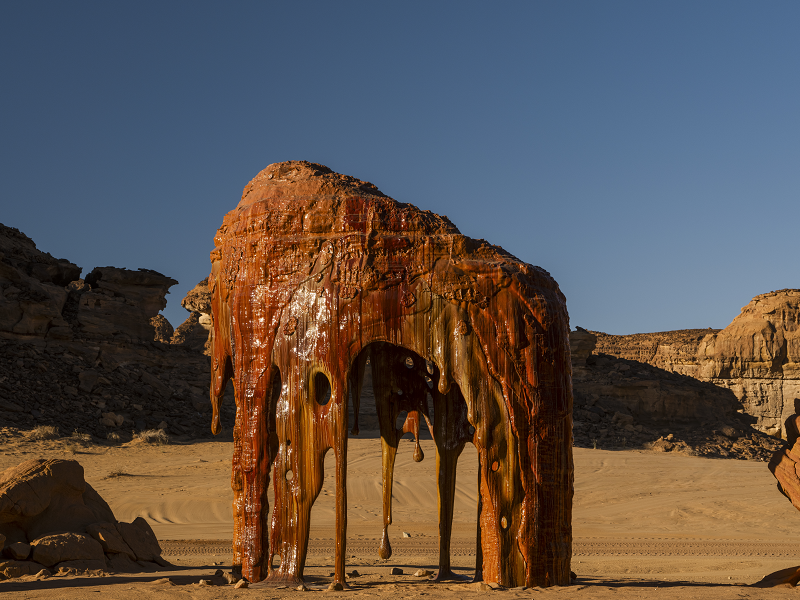
Returning for its fourth edition, Desert X AlUla 2026 brings bold, site-specific commissions back into AlUla’s dramatic valleys and sandstone cliffs. Inspired by the region’s landscape and heritage, installations by local and international artists are scattered across the terrain, turning each walk into an encounter with sculpture, sound or light. Alongside the artworks, a programme of workshops and live events deepens the experience, inviting visitors not just to look at the desert, but to move through it as a vast, evolving exhibition from 16 January to 28 February 2026.
If Desert X is AlUla’s outdoor manifesto, Arduna is its indoor declaration of intent. Arduna, meaning “Our Land,” is the flagship exhibition of the festival and the pre-opening programme for AlUla’s future contemporary art museum. Inside, more than 80 artworks circle around themes of nature, identity and belonging. Works drawn from Saudi collections sit alongside pieces from major international institutions like the Centre Pompidou, bringing names like Picasso and Kandinsky into conversation with artists from the region. The curatorial gesture is subtle but powerful: AlUla is not positioned as a satellite to global art capitals, but as a site where global and local narratives meet on equal ground.
For Saudi audiences, Arduna expands the horizon of what a homegrown museum can look like. For international visitors, it reframes the image of Saudi Arabia's art from “emerging” to “indispensable.”

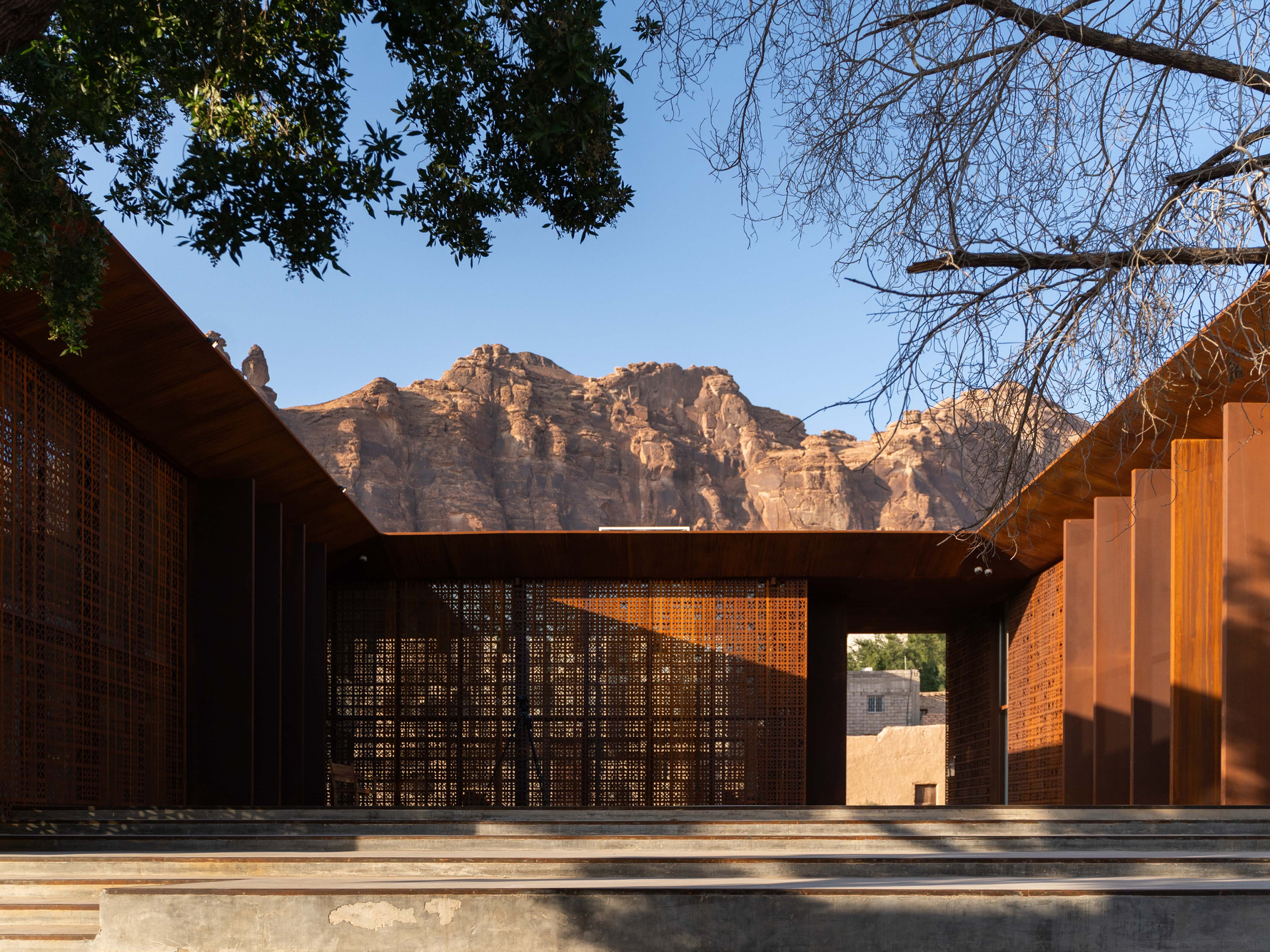
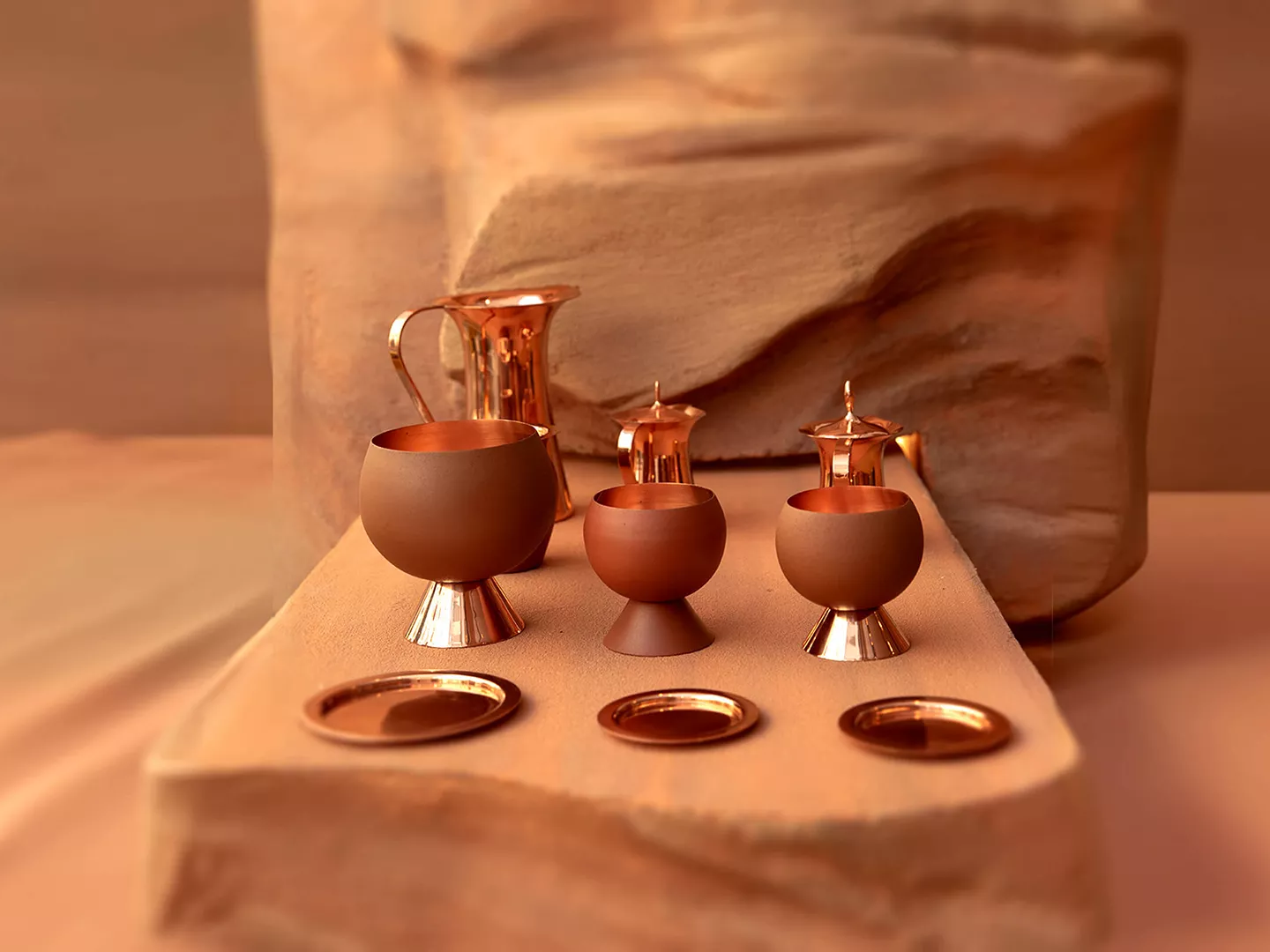
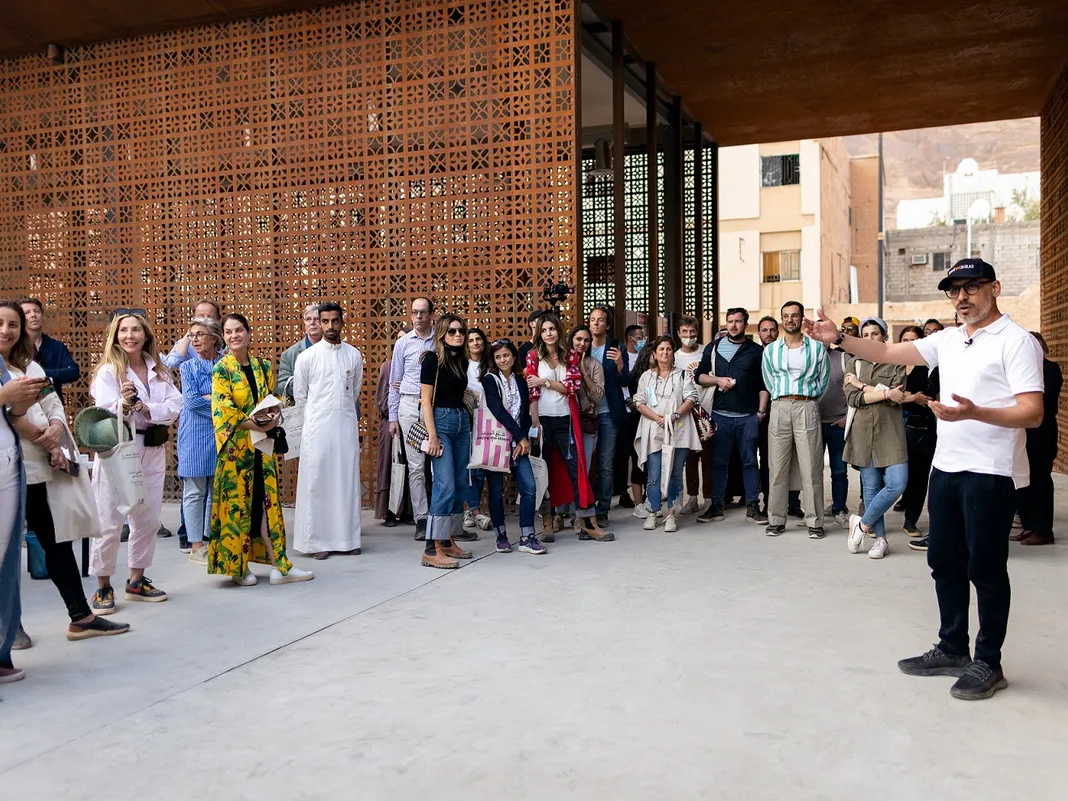
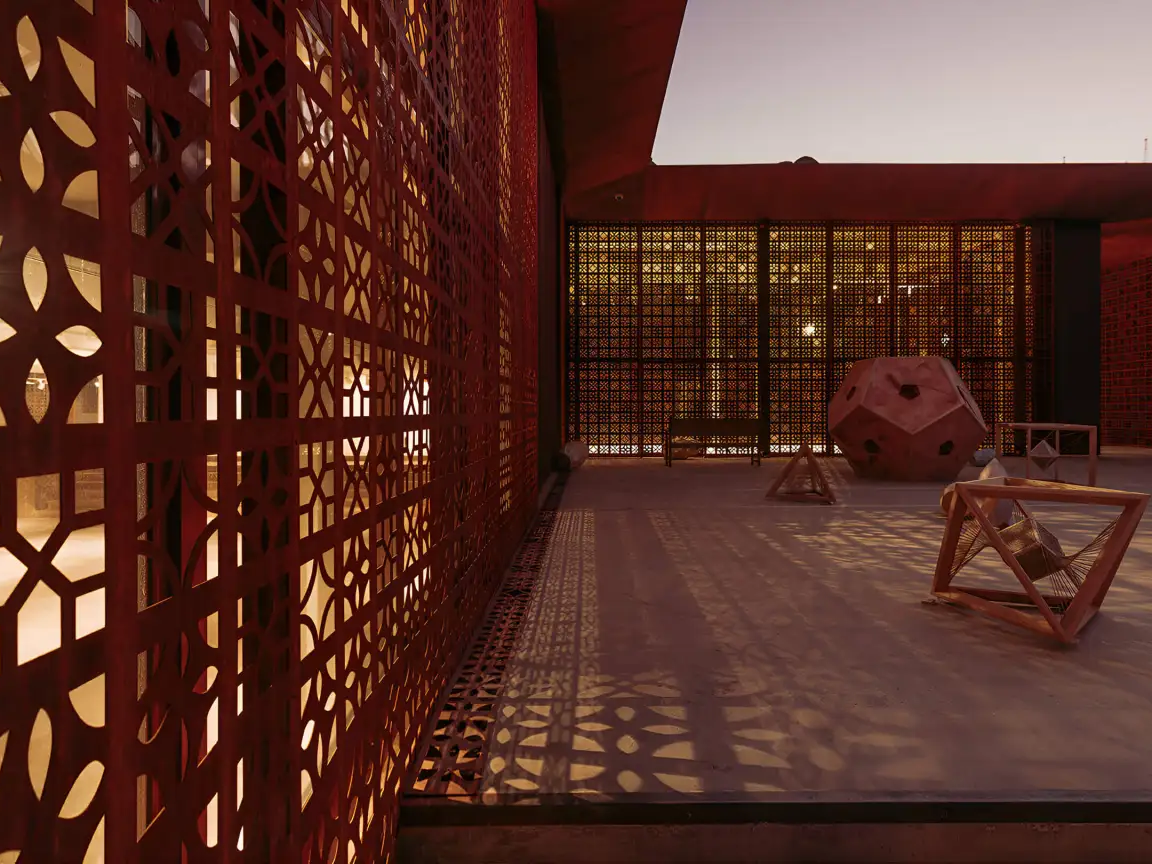
Walk a little further into AlJadidah Arts District, and the festival shifts tone from vast land art to intimate design. Design Space AlUla, the district’s glowing corten-steel gallery, hosts “Material Witness: Designing From Within”, a show that explores how design speaks from and to place. Here, you’ll find work emerging from the AlUla Artists Residency, limited-edition design pieces linked to the AlUla Design Award, and objects developed with local craftspeople and Madrasat Addeera designers.
The pieces might be deceptively simple (a stool, a light fixture, a textile) but each is layered with ideas: How do you translate desert rock formations into furniture? Palm fronds into pattern? Memory into material? Design Space maps out a future design economy. Talks, workshops and a curated Design Store turn the space into a testing ground for what contemporary “Made in AlUla” could mean in the next decade.
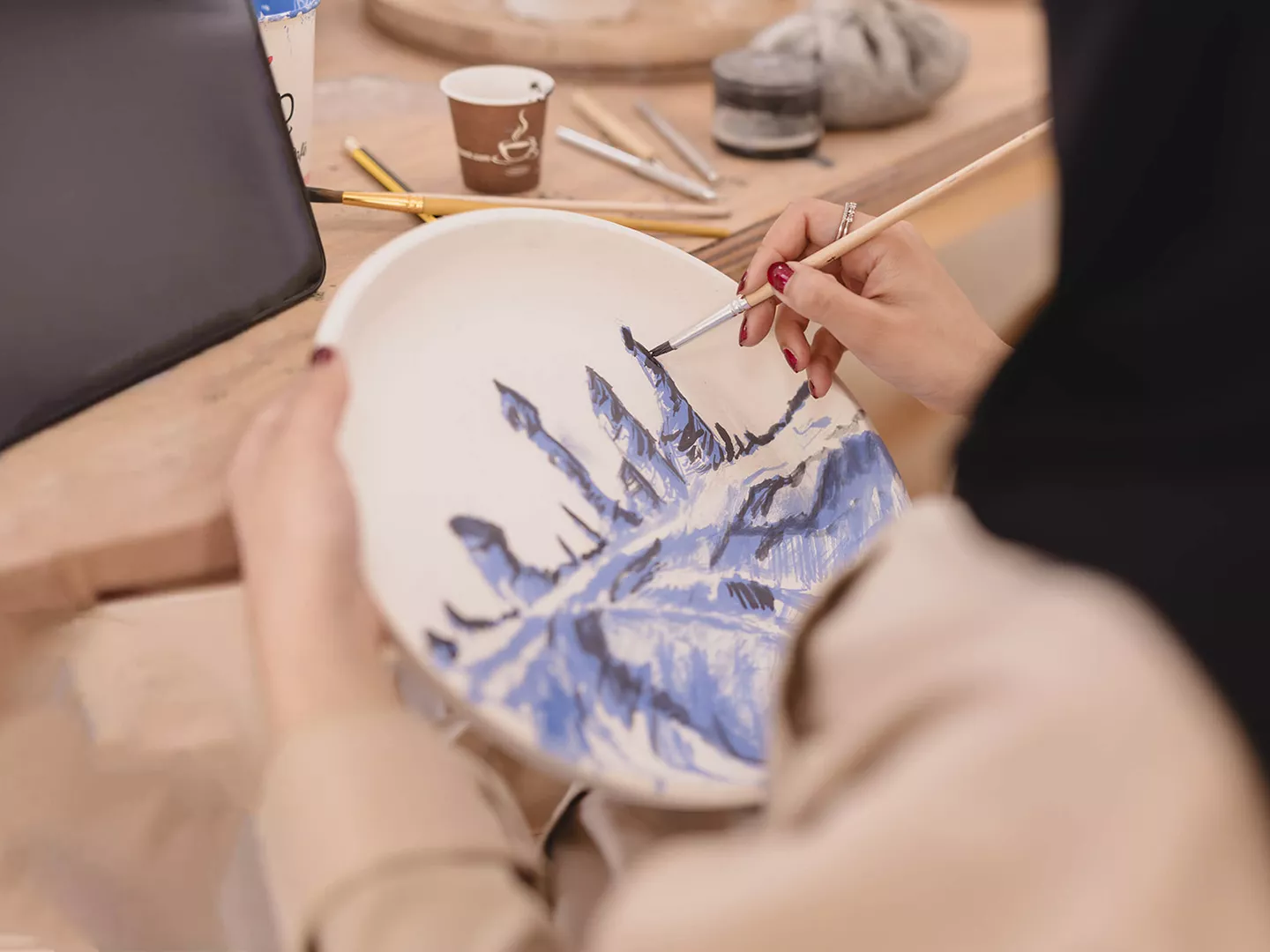
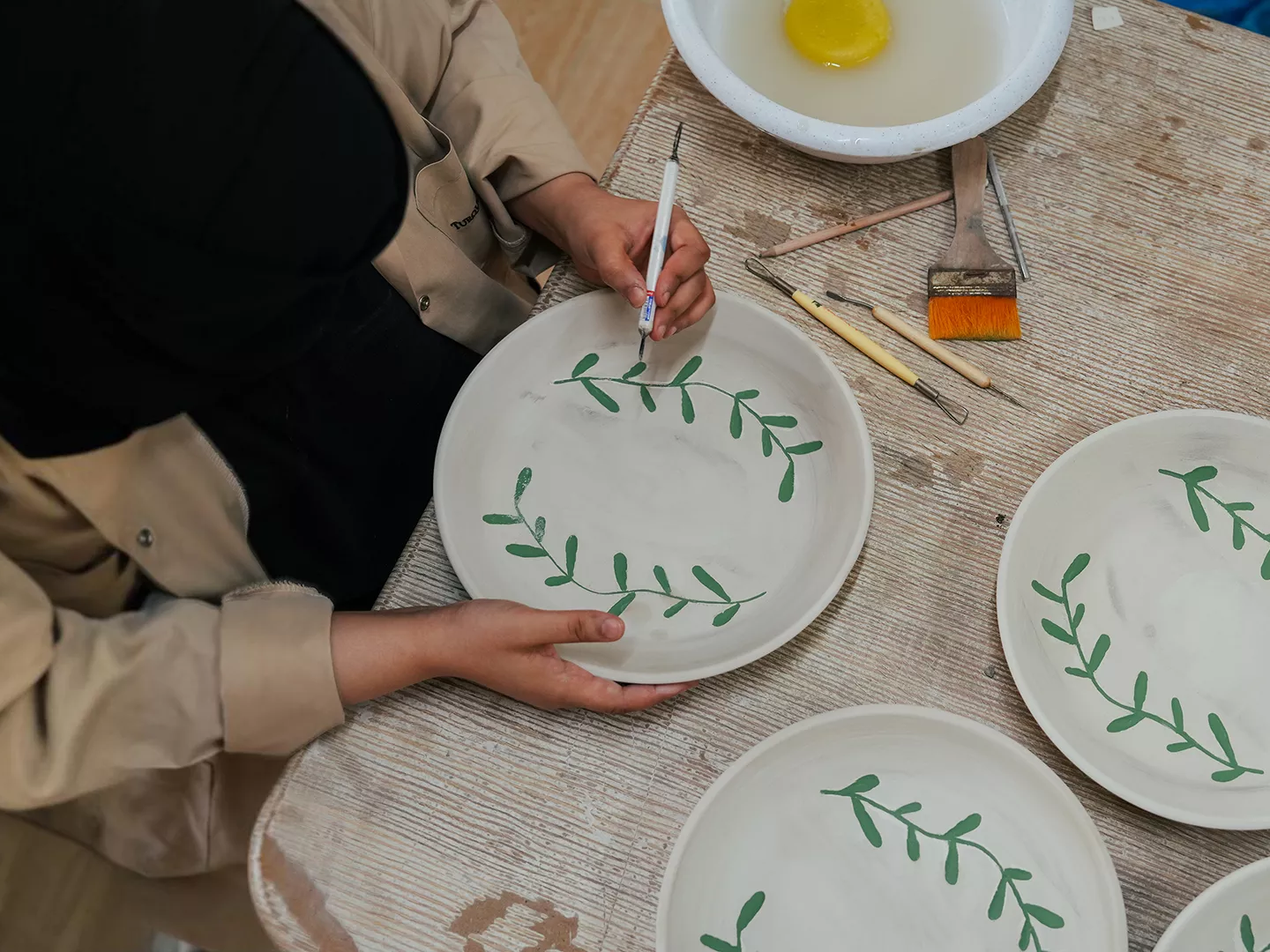
Not all creativity here is sleek and gallery-ready. Some of it still smells like clay and palm fiber. In a former school, Madrasat Addeera operates as AlUla’s art and design centre, and during the festival it becomes a hive of making. Inside classrooms and courtyards, local artisans guide visitors through pottery, weaving, jewellery making and traditional palm-work techniques.
What could easily become a touristy add-on is handled instead like cultural stewardship. Young artists sit beside older craftspeople. Traditional techniques are taught, but also reinterpreted. Patterns scaled up, colours refreshed, heritage objects reimagined as contemporary design. Madrasat Addeera is where theory becomes touchable. It answers the question: if AlUla is to be a global art destination, how do you ensure the people who have always lived here are not just referenced, but central?
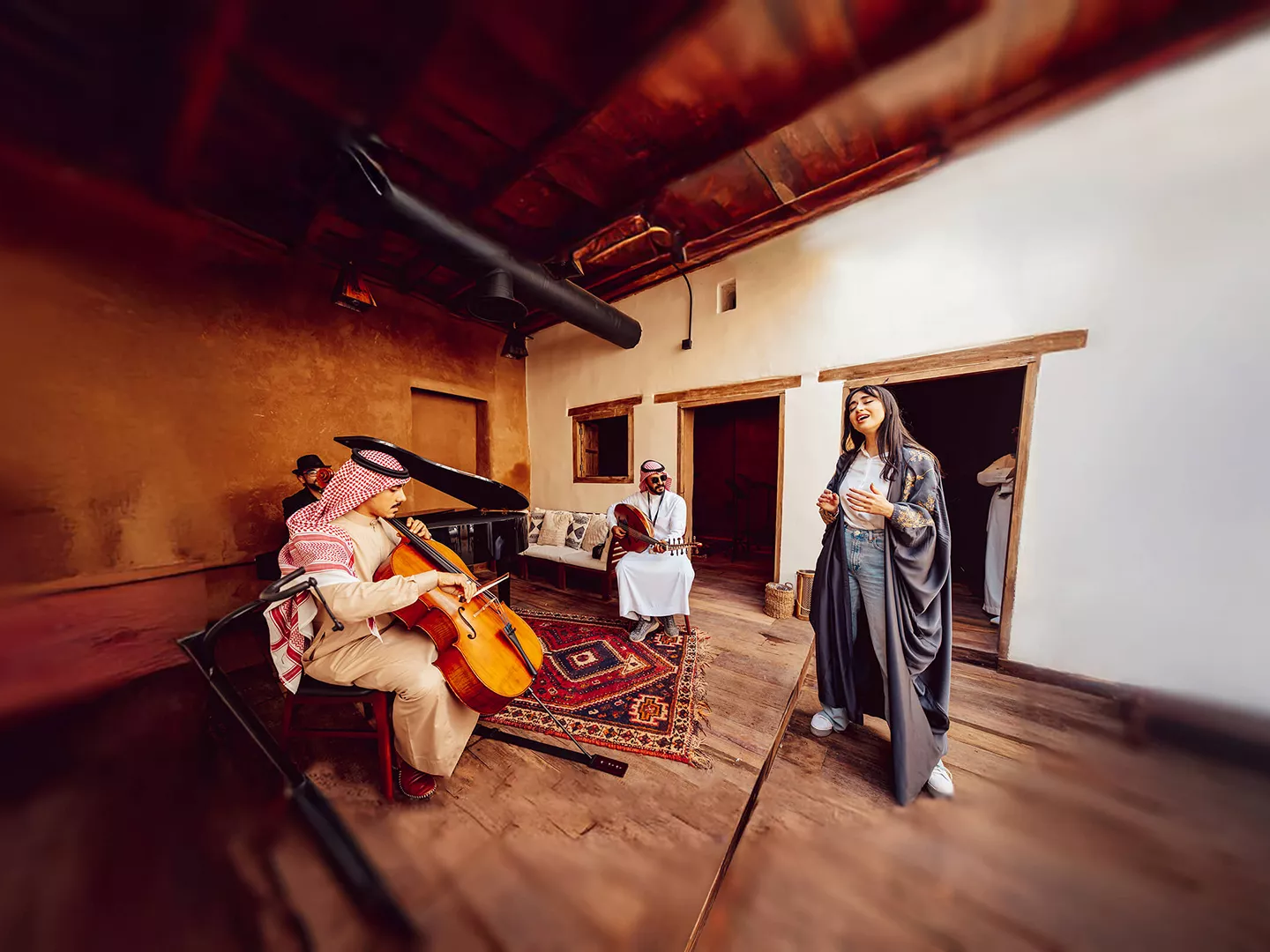
In the heart of AlJadidah Arts District, AlUla Music Hub becomes one of the festival’s most spirited gathering points. Workshops in oud, qanun, guitar and percussion unfold alongside open mic nights, student recitals and intimate live performances. The hub brings together local and global sounds, creating a space where musical skill, collaboration and expression can grow across generations. During the festival, it transforms into a lively platform for talent and cultural exchange — a reminder that AlUla’s creative pulse is as much about sound as it is about sight.

Athr Gallery brings its pioneering contemporary Arab art voice to AlUla with a new exhibition featuring Saudi artist Sara Abdu. Known for championing emerging and established regional talent, Athr presents work that pushes beyond expected narratives, offering fresh perspectives shaped by nuance, experimentation and cultural depth. In the context of the festival, the gallery acts as a bridge between AlUla’s growing art ecosystem and wider artistic conversations across the Arab world. It anchors the district with a sense of continuity, showing how contemporary practice thrives when placed within a landscape of history, innovation and bold creative ambition.
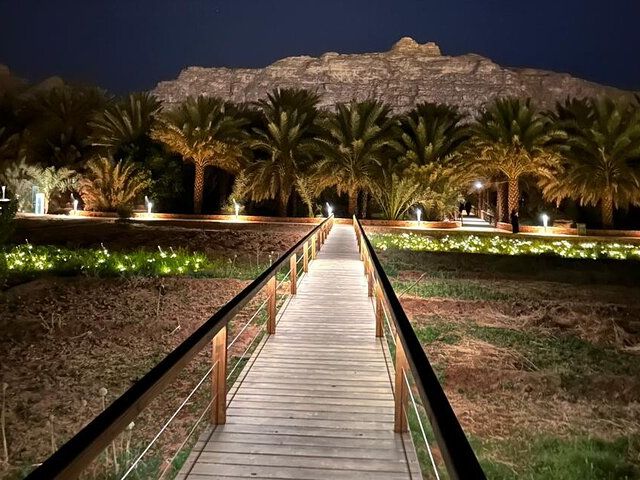
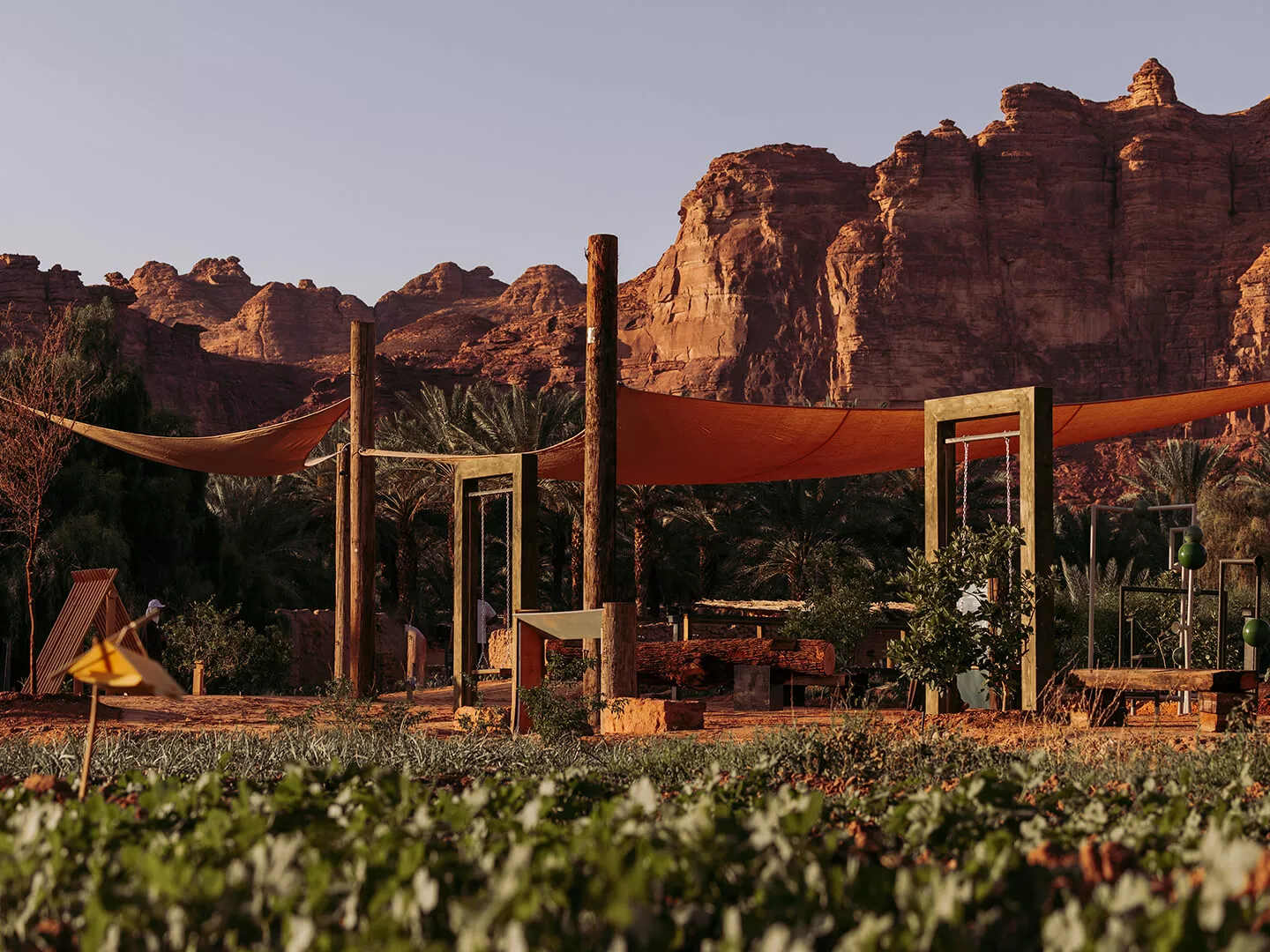
If you need to exhale, Daimumah is the place. Set within an agricultural stretch of the oasis, Daimumah hosts walks, interactive workshops, youth tours and performances nestled among palm trees and water channels. You might move from a planting session to a storytelling circle, from a craft demonstration to a small-scale concert under the stars. What’s significant is that Daimumah doesn’t treat “nature” as a scenic backdrop. It treats agriculture as culture, as a living system of knowledge that deserves the same attention as any artwork or installation.
In a festival so dense with programming, Daimumah functions like a reminder that sustainability is a relationship with land, with water, with time.
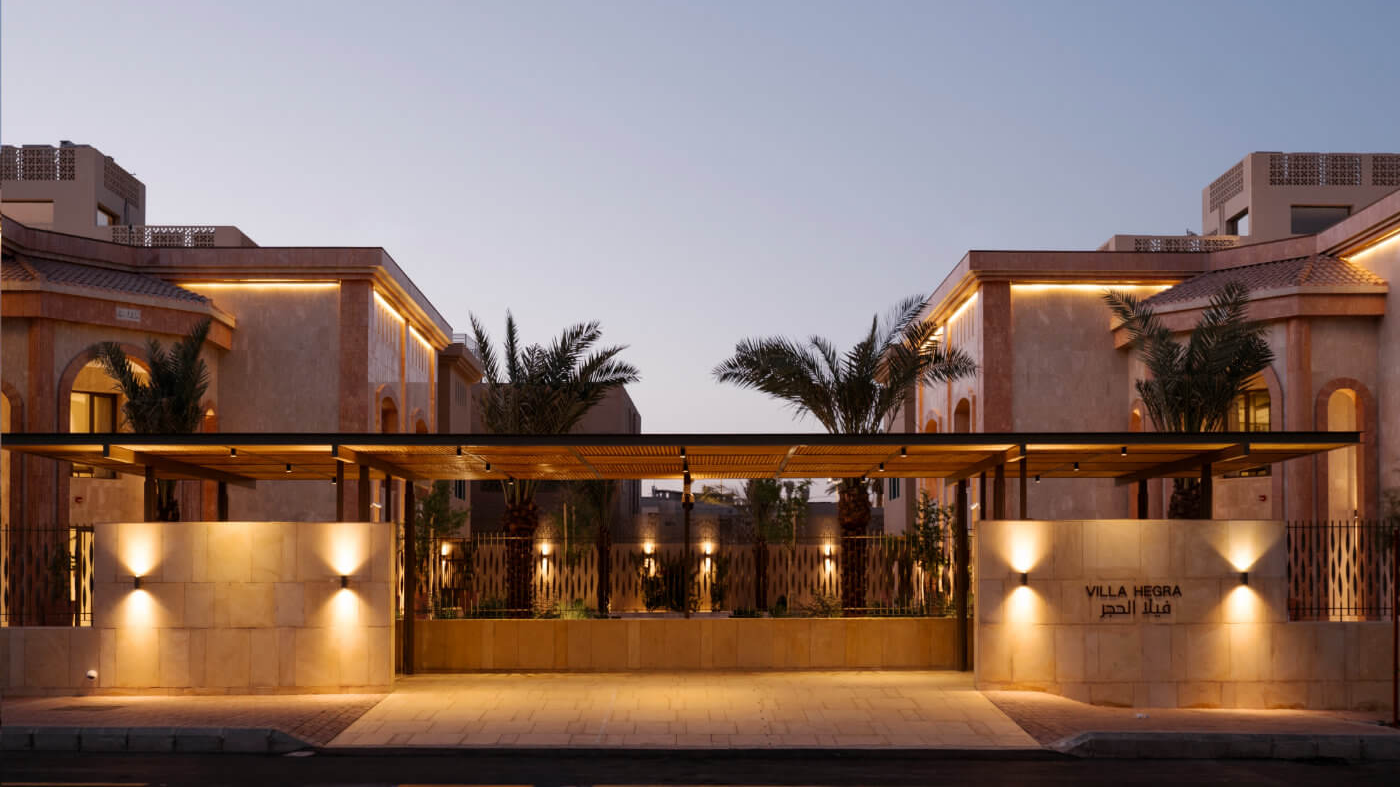
Then there’s Villa Hegra, a Saudi-French cultural foundation that threads another layer into the festival narrative: the archive. With its exhibition “Not Deserted: AlUla’s Archives in Movement,” the space juxtaposes early 20th-century photography of the area with contemporary cinematic images by Saudi filmmaker Saad Tahaitah. The effect is quietly emotional. Faces, landscapes and architectures from a century ago echo against current visuals of the same valley, reminding us that cultural transformation is always built on older stories.
One of the most striking things about AlUla Arts Festival 2026 is just how global its network is.
But if you zoom out, all these names spiral back to the same point: AlUla is not trying to imitate other art capitals. It’s building something more specific. A place where global culture is filtered through local land, memory and community. This is soft power, but it’s also soft listening: an ongoing process of inviting the world in without erasing the voices already here.
A look back at AlUla Arts Festival 2024, capturing its mix of land art, design, music and vibrant cultural moments across the valley.
Beyond the visuals and the headlines, this edition of the festival marks a shift. Saudi art is no longer just being shown. It is shaping how a place grows. Land art is guiding future tourism routes, design and craft are feeding new creative economies, and performance and film are changing how we remember the desert.
For artists and curators, AlUla has become an open-air laboratory to test what art can do at the scale of a valley or a town. For visitors, it is the feeling of walking through an ancient landscape while its newest chapter is being written in front of them. For the Kingdom, the message is clear: the future of art will live in rock and palm fronds, in streets and memories, carried by everyone who passed through AlUla in the winter of 2026.
Explore more Saudi art events, openings, and design weeks at KSA Art.