9 Female Artists from Saudi Arabia Leading Contemporary Art
Celebrate Women’s Day with nine female artists shaping contemporary art in Saudi Arabia and bringing new perspectives to the Kingdom’s creative scene.


Celebrate Women’s Day with nine female artists shaping contemporary art in Saudi Arabia and bringing new perspectives to the Kingdom’s creative scene.
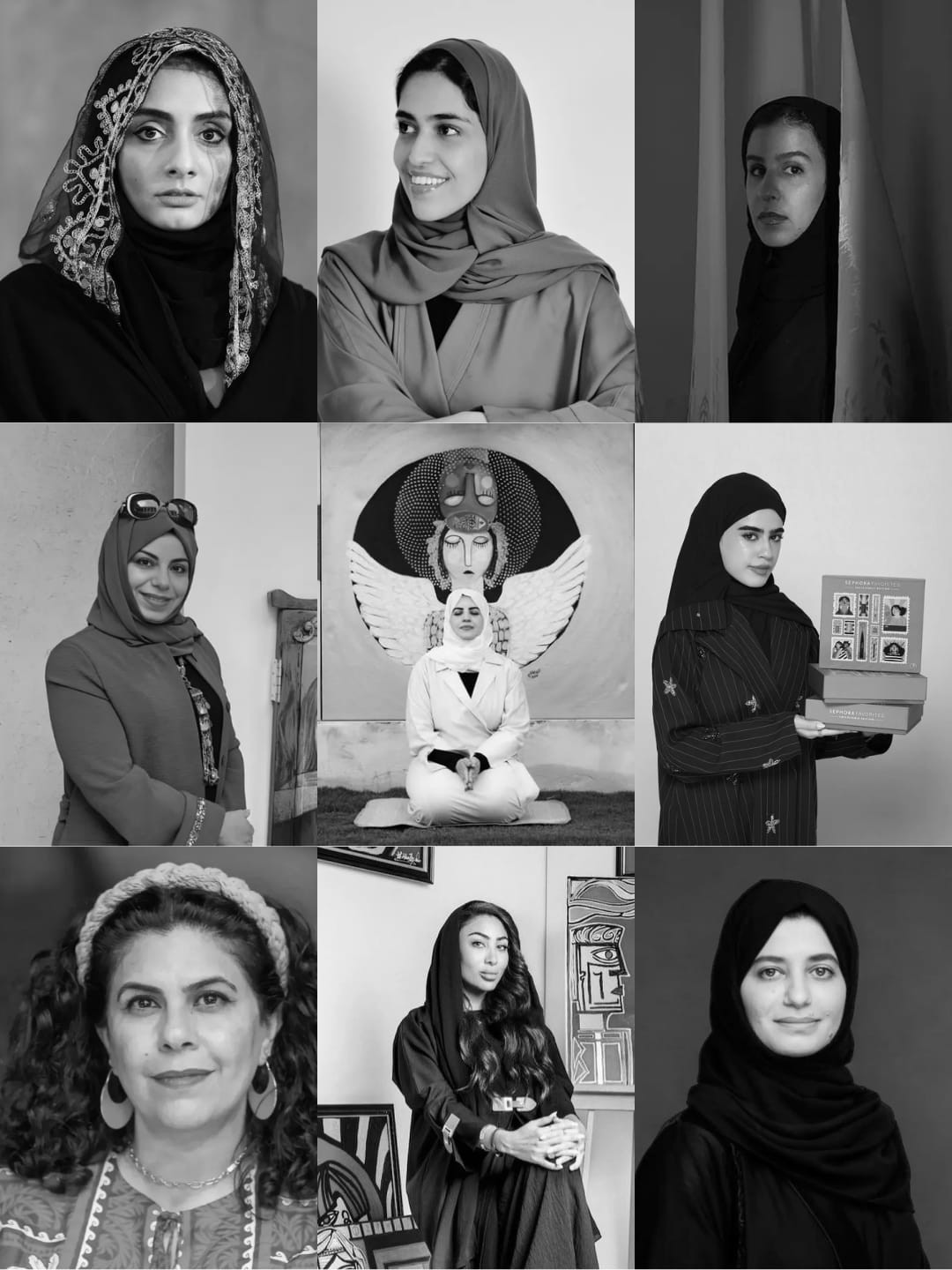
Saudi Arabia’s contemporary art scene is not only expanding, it is becoming a space where artists actively question, reinterpret, and reclaim cultural narratives. Among the most compelling voices in this movement are women artists whose work goes beyond aesthetics to engage with identity, memory, heritage, and the evolving role of women in society. Through symbolism, personal history, and conceptual storytelling, these artists use art as a way to explore deeper cultural questions. Some challenge social perceptions, others revisit tradition through new lenses, and many transform personal experiences into powerful visual statements.
In celebration of Women’s Day, our curated list spotlights eight nine artists whose work carries a clear stance, shaping conversations through creativity.
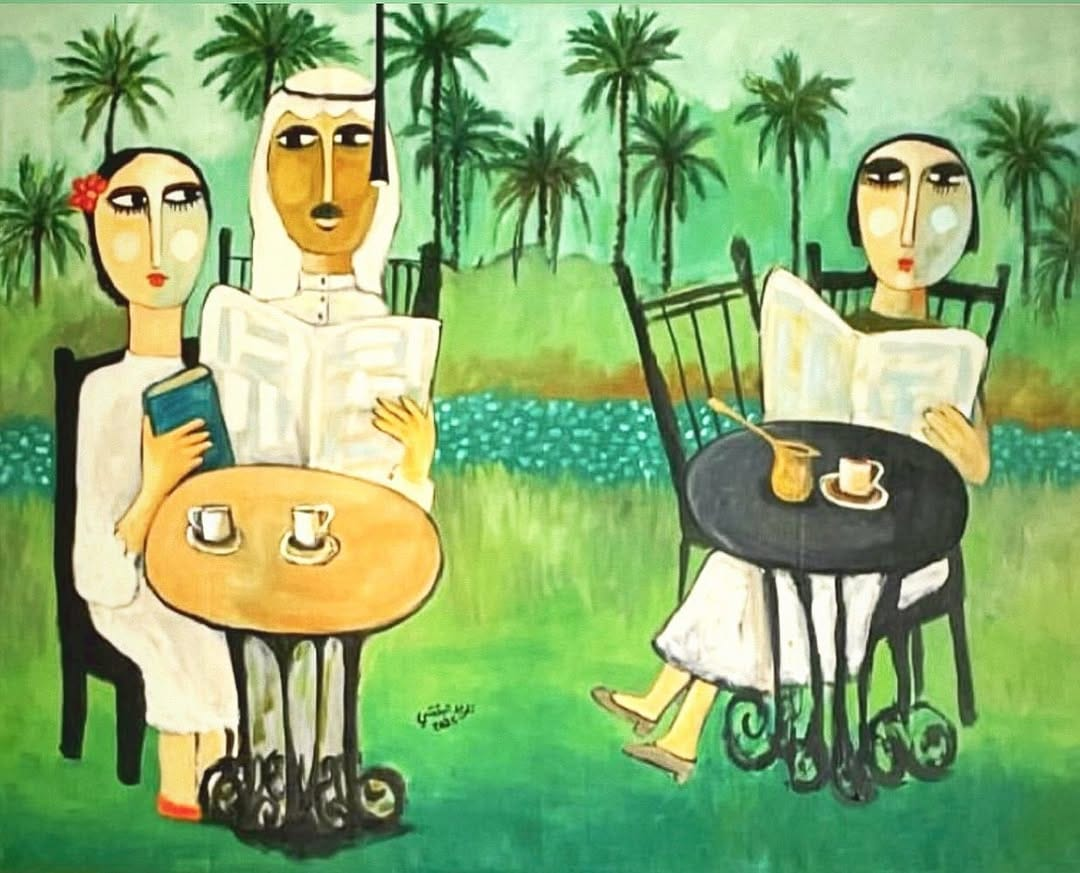
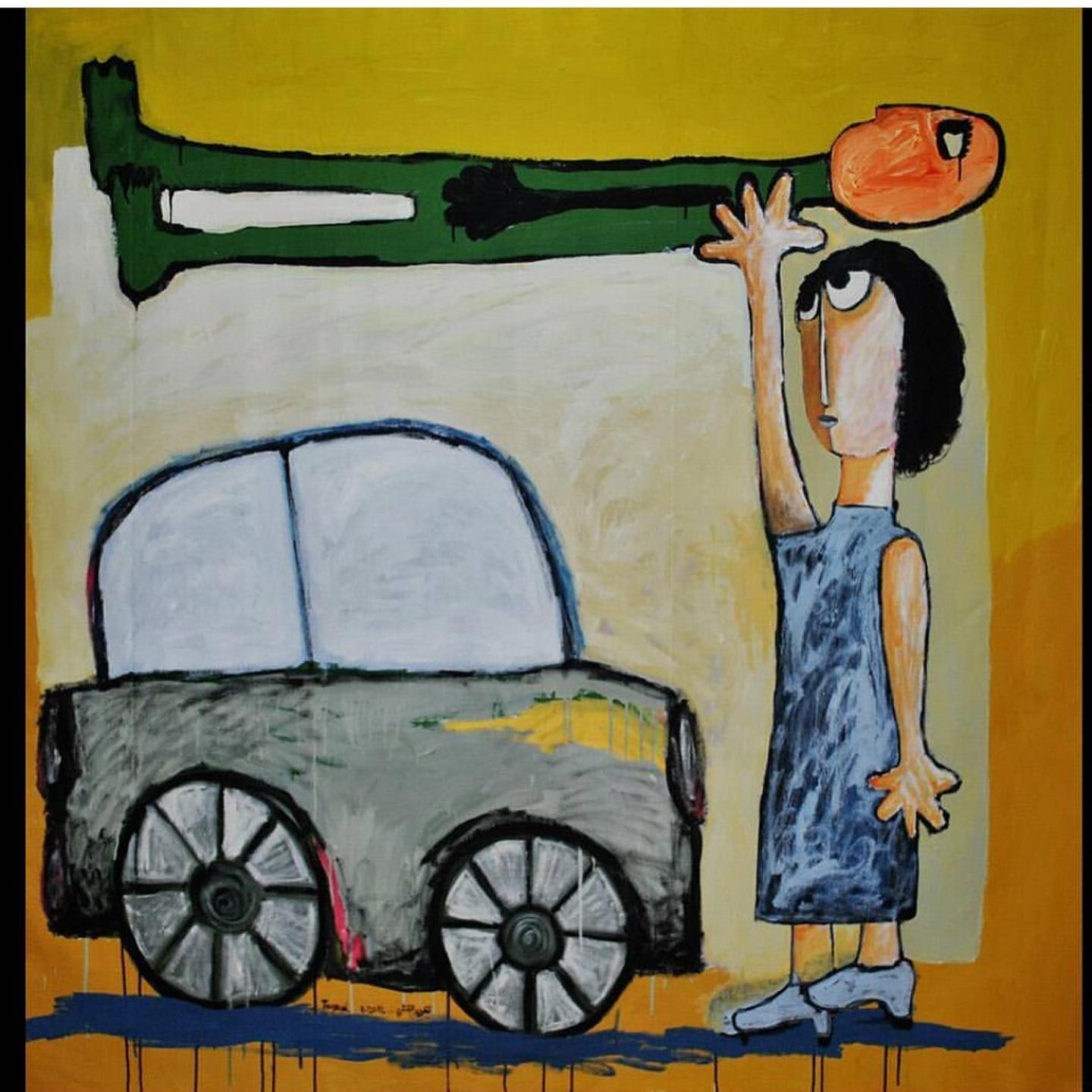
Tagreed Al-Bagshi’s work explores the evolving role of women in Saudi society through expressive and symbolic portraiture. Her elongated female figures often appear reflective and emotionally layered, inviting viewers to consider the inner lives of women beyond social expectations. In several works, Al-Bagshi addresses moments of social change, including themes related to women’s independence and visibility in public life. Through symbolism and narrative composition, she reframes how womanhood is represented in contemporary Saudi art.
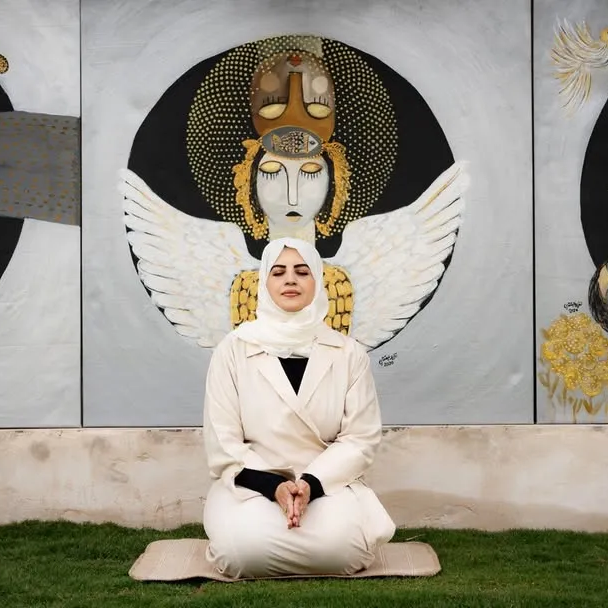
Fatimah Al-Nemer’s work is deeply rooted in the folklore and traditions of the Arabian Gulf. Her paintings often depict women surrounded by historical references, traditional clothing, and symbolic cultural elements. By placing women at the center of these compositions, Al-Nemer reclaims narratives that were often left out of historical accounts. Her work acts as both artistic expression and cultural preservation.
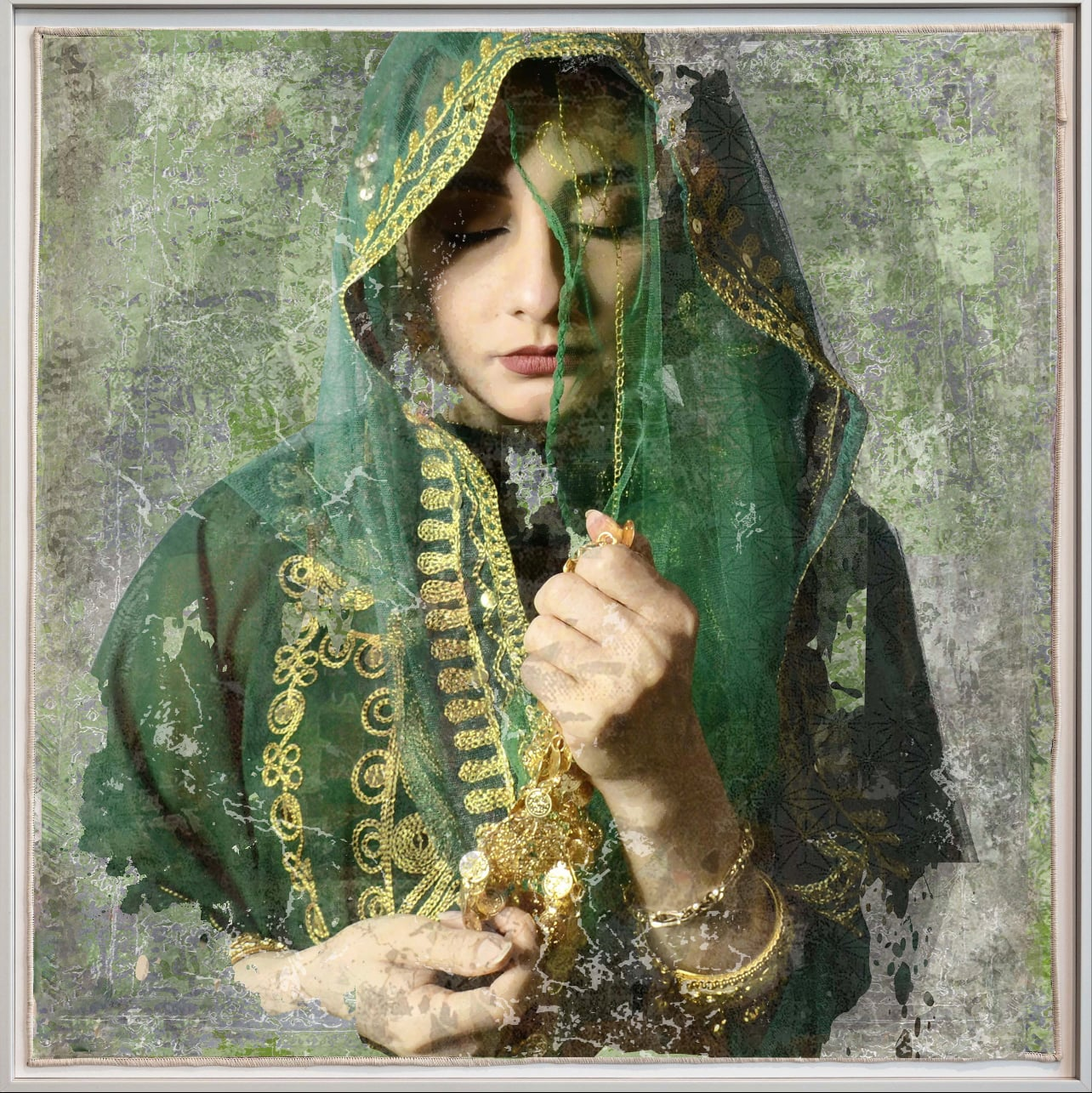
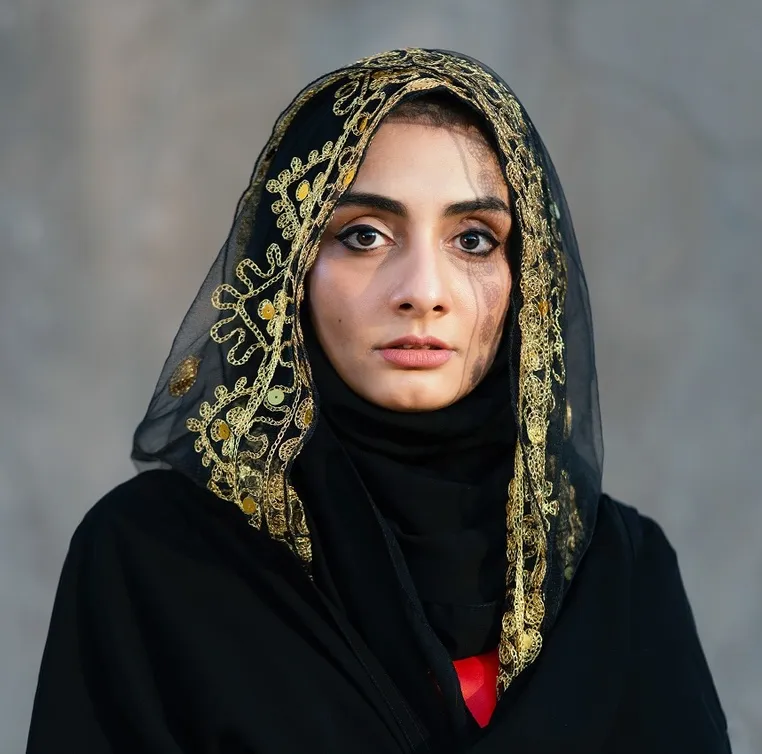
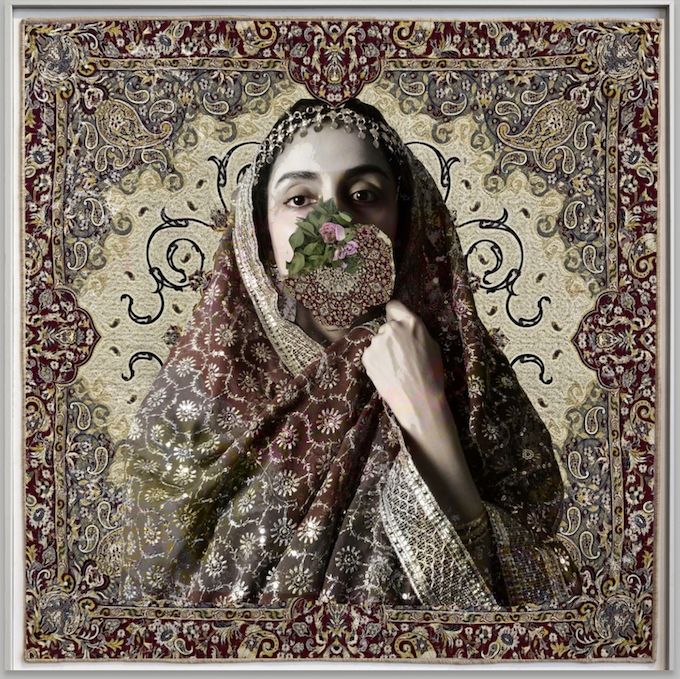
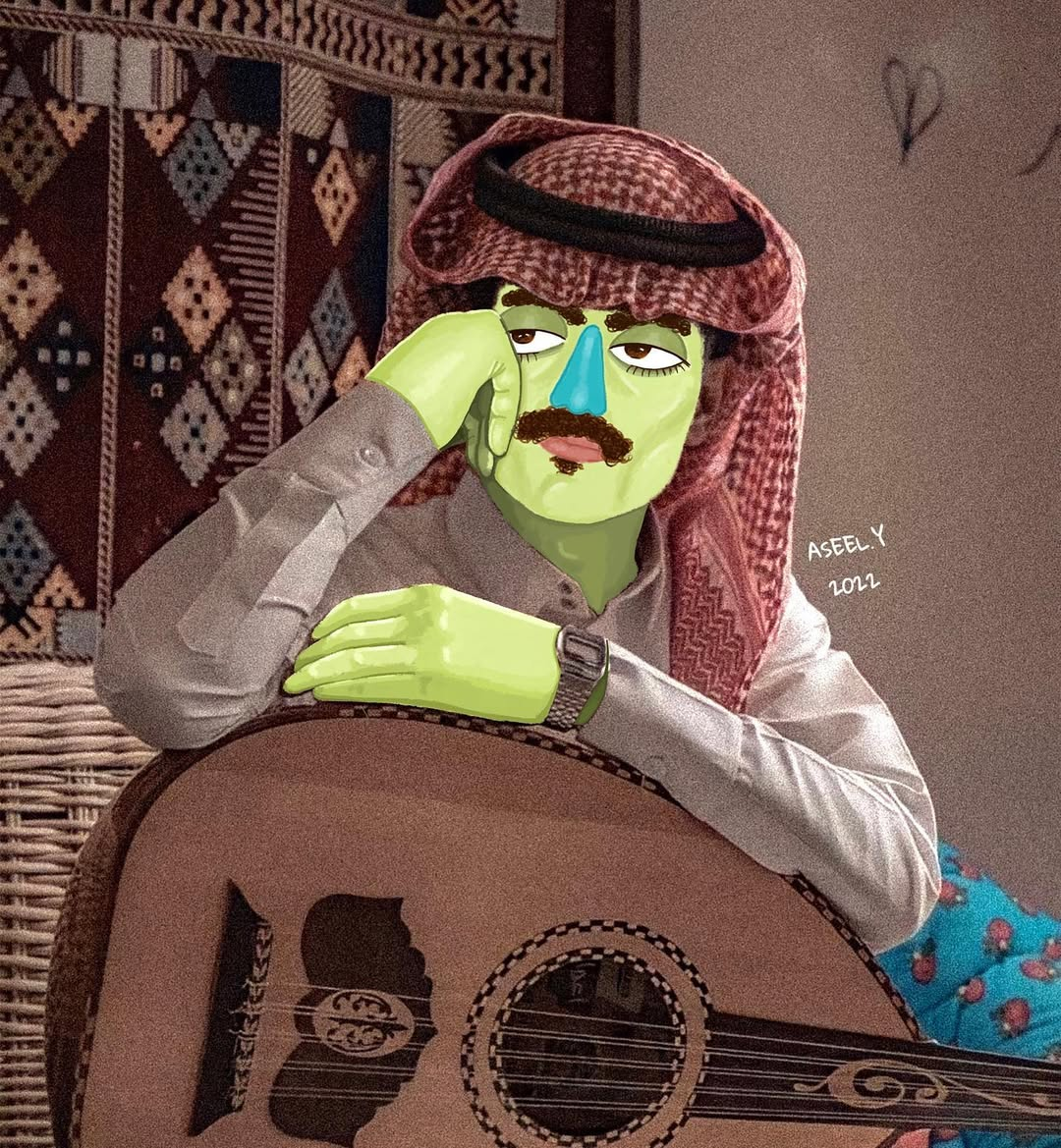
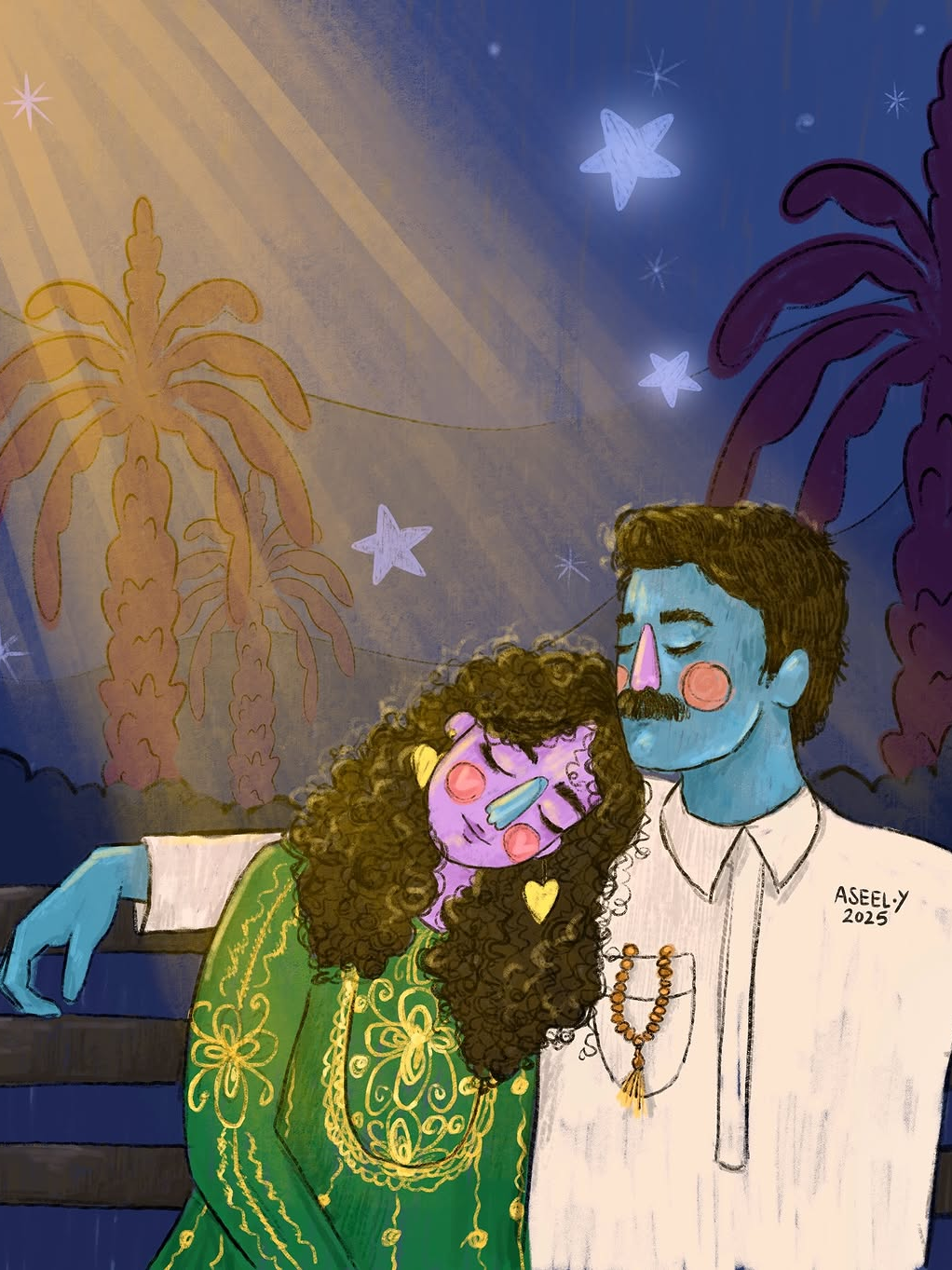
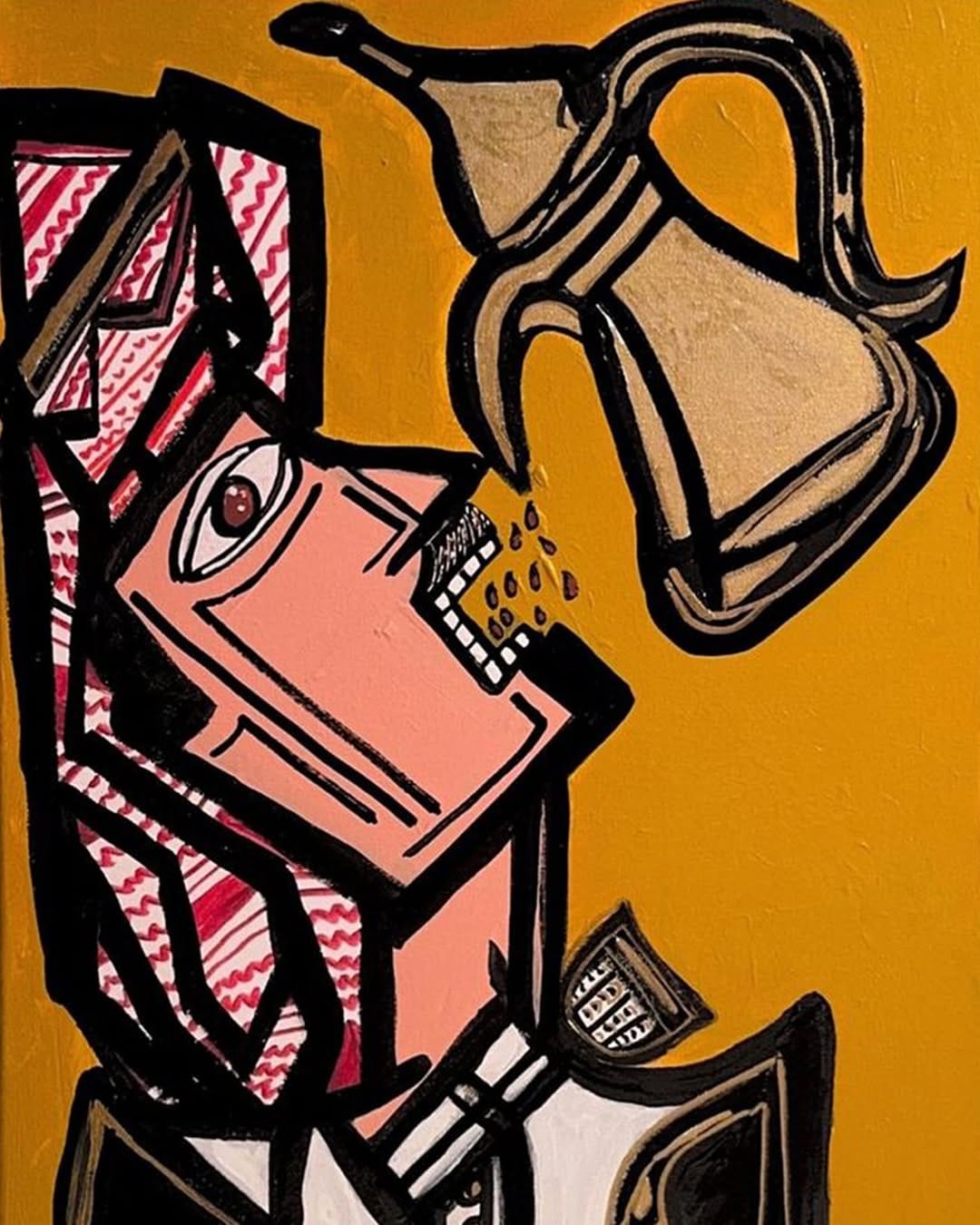
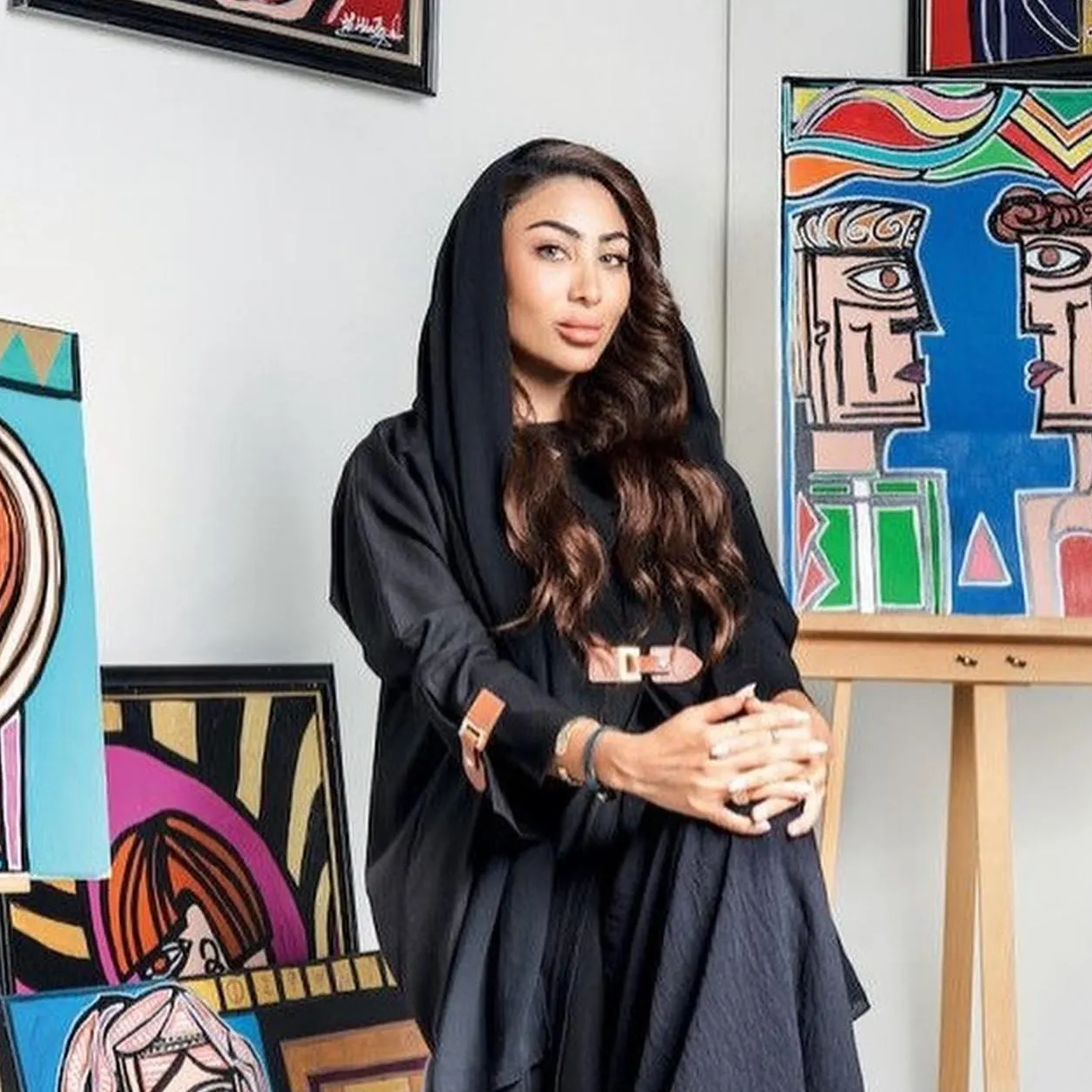
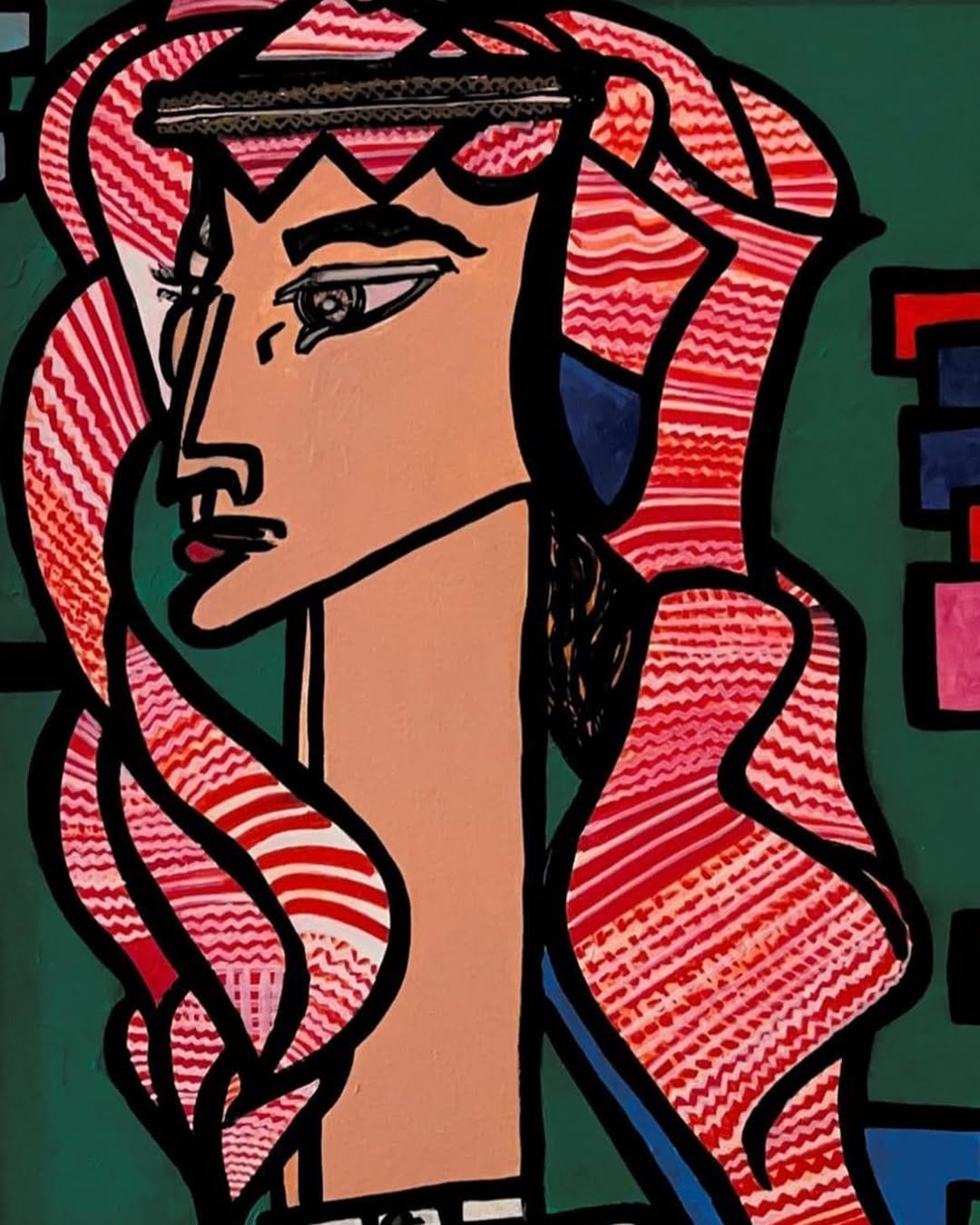
Aseel Al Yaagoub’s art draws heavily from memory and family heritage. In one notable body of work, she incorporates her father’s shemagh into her paintings, turning a familiar cultural symbol into a personal artistic motif. Through expressive portraiture and vibrant compositions, she reflects on identity, belonging, and the emotional connections embedded in everyday cultural objects. Her work bridges personal memory and collective heritage.
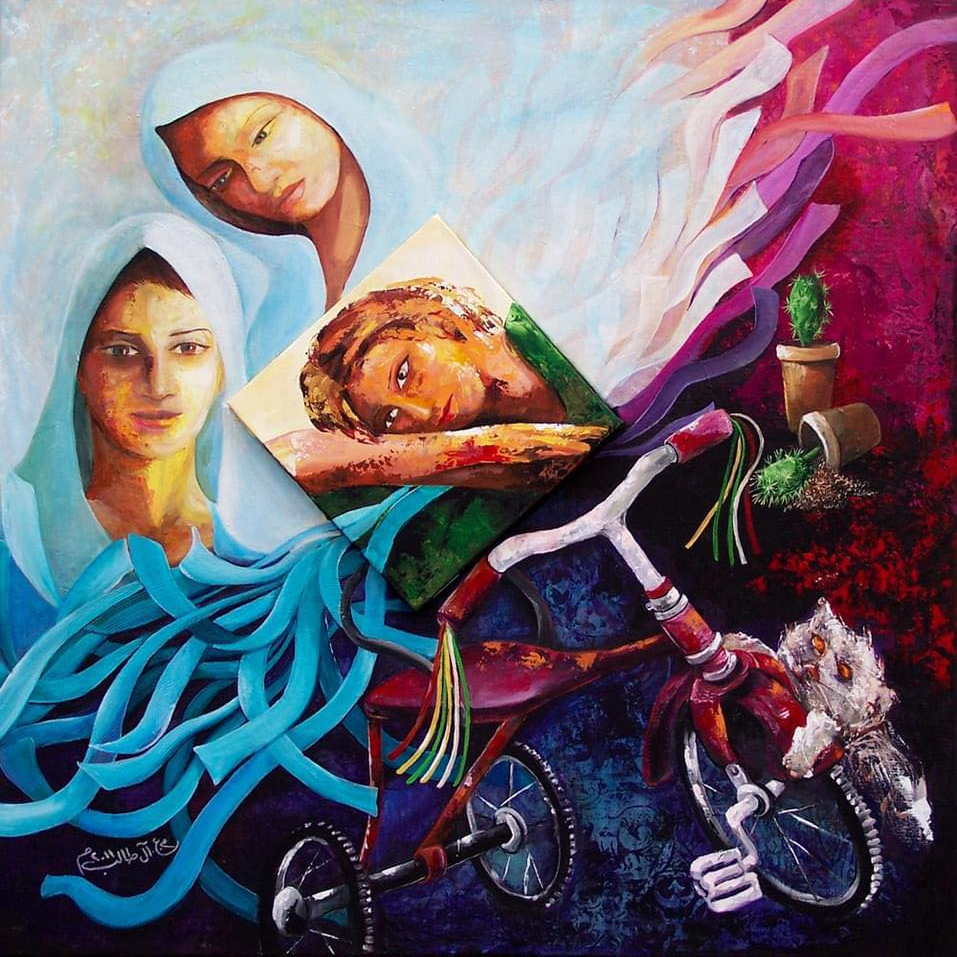
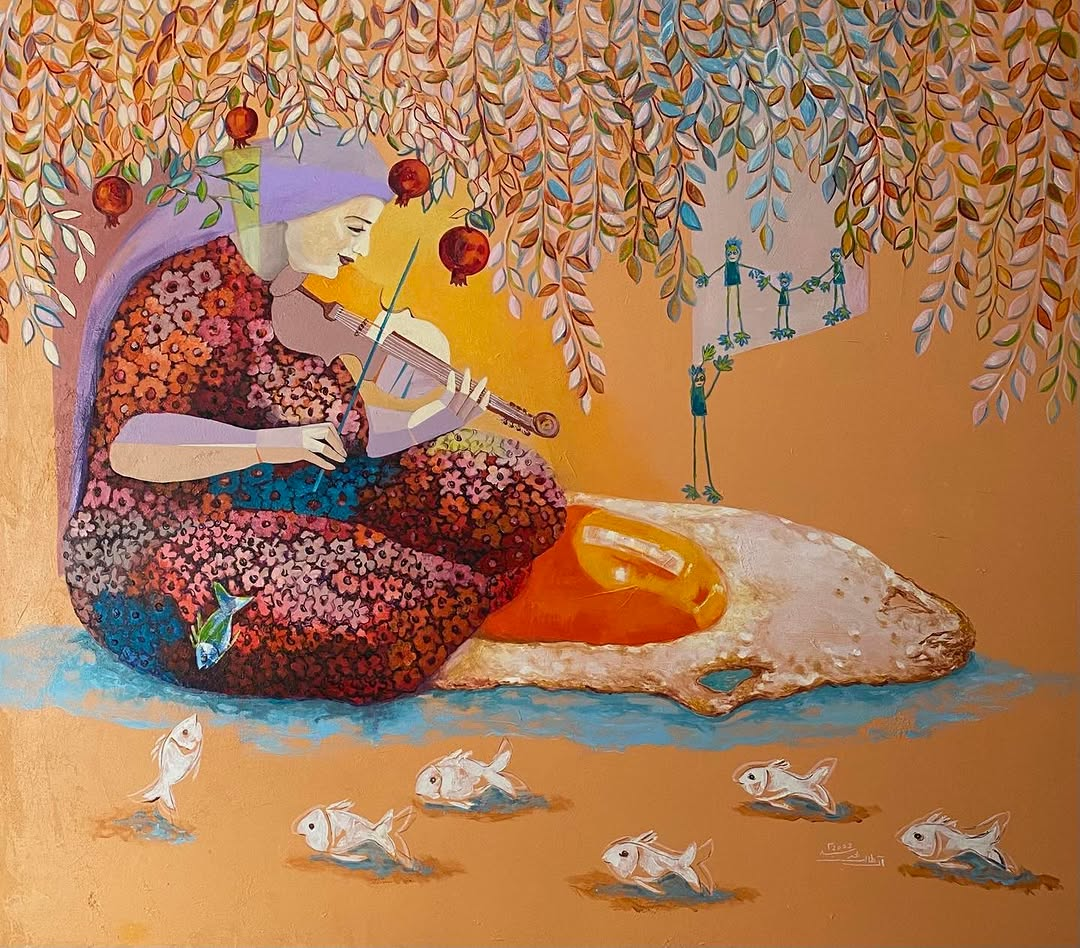
Mahdih Al Talib creates figurative compositions where female figures appear within symbolic and dreamlike environments. Her work often explores emotional vulnerability, transformation, and introspection. Through layered imagery and surreal elements, she constructs spaces where inner psychological experiences become visual narratives.
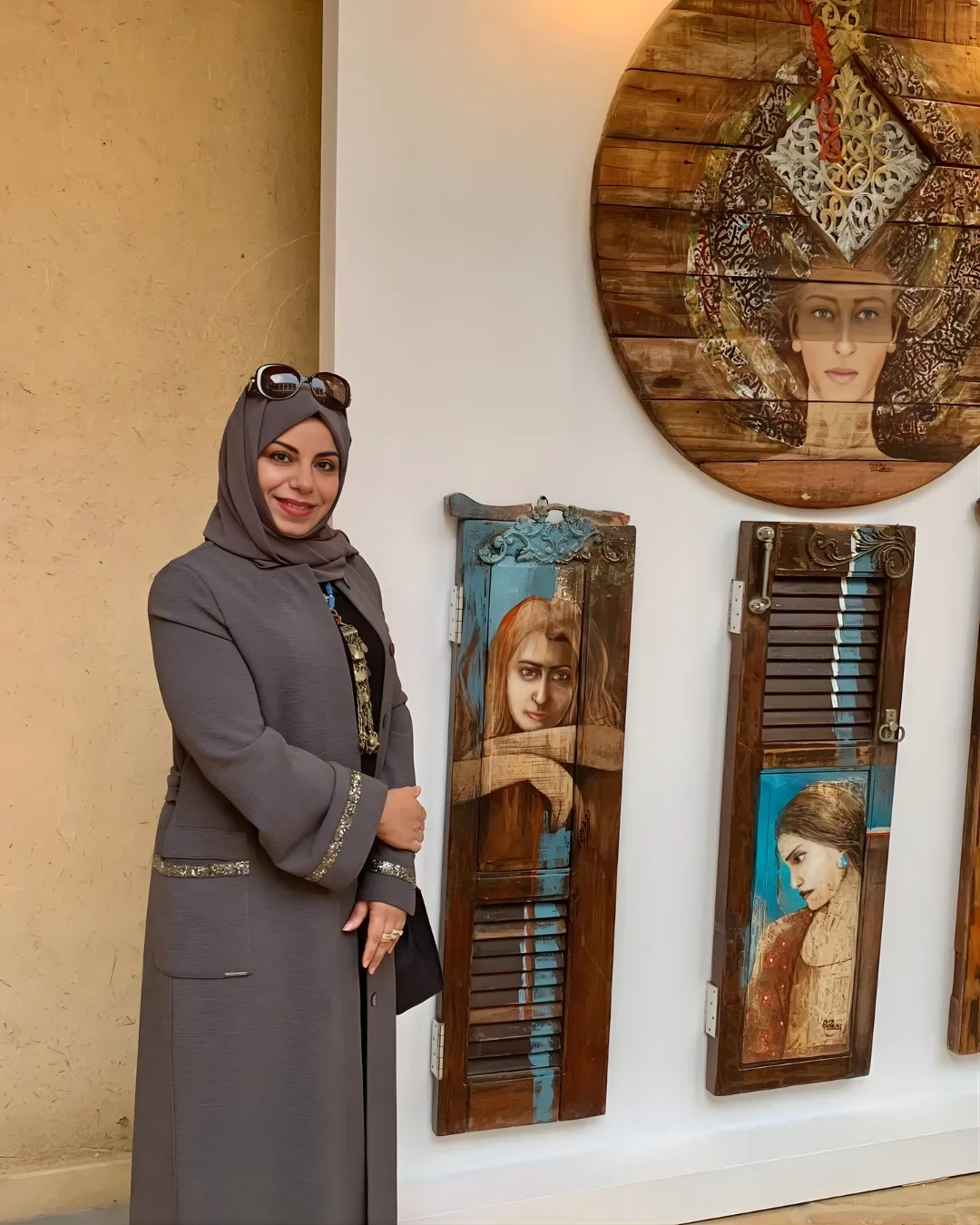
Heba Ismail’s work explores the relationship between portraiture and abstraction, using geometric forms to fragment and reconstruct human faces. Through layered shapes and patterns, she examines how identity is perceived, interpreted, and sometimes distorted. By breaking down facial structures into structured compositions, Ismail invites viewers to reconsider how we recognize and understand individuals. Her work reflects the idea that identity is not static, but constantly shaped by perspective, memory, and cultural context.
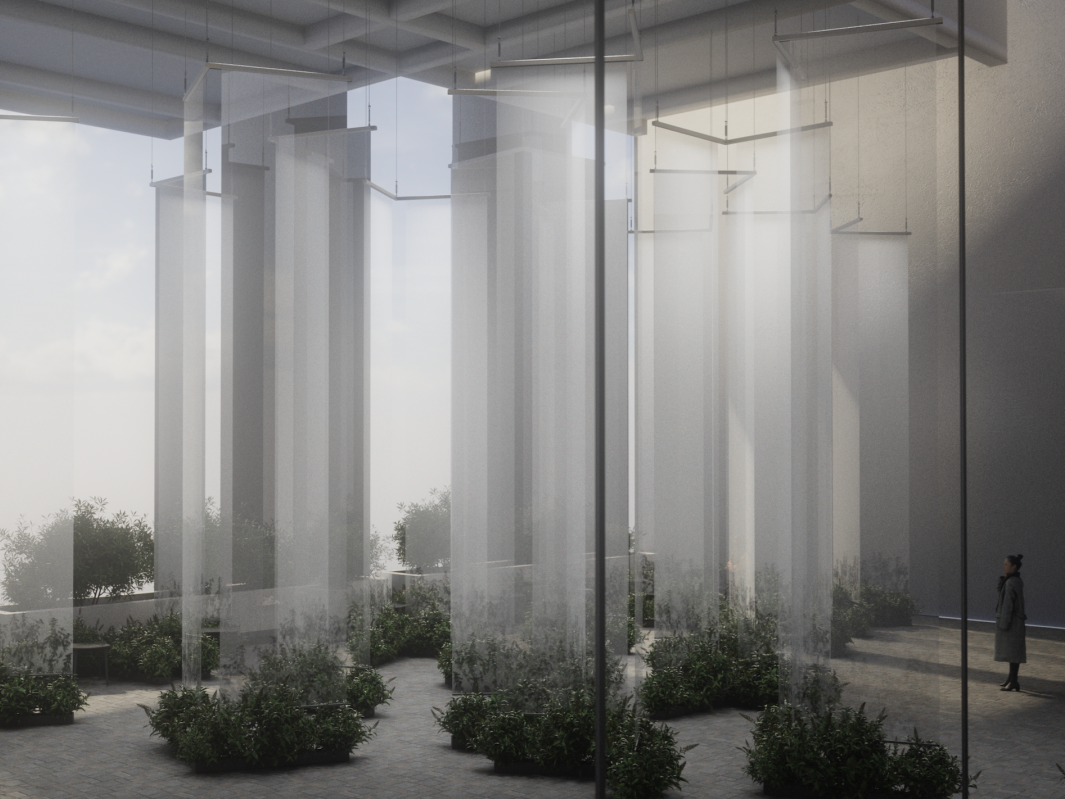
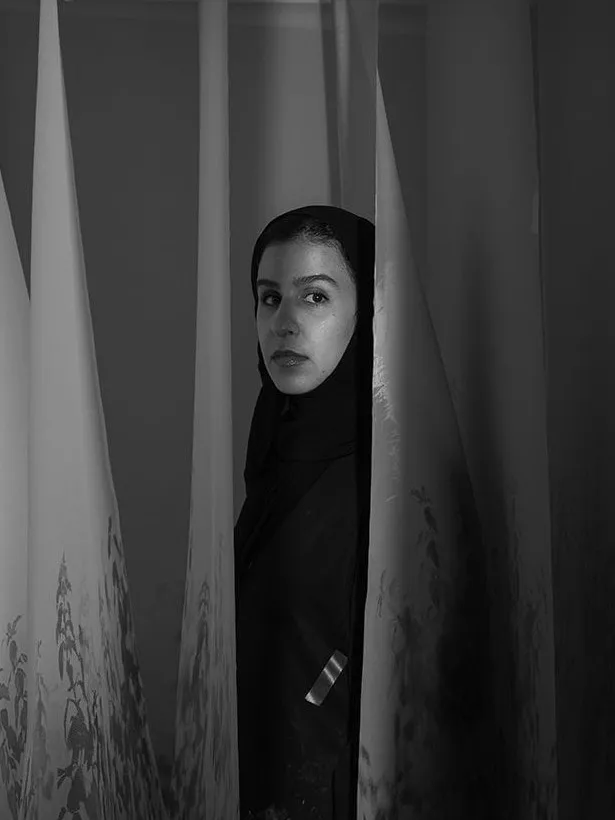
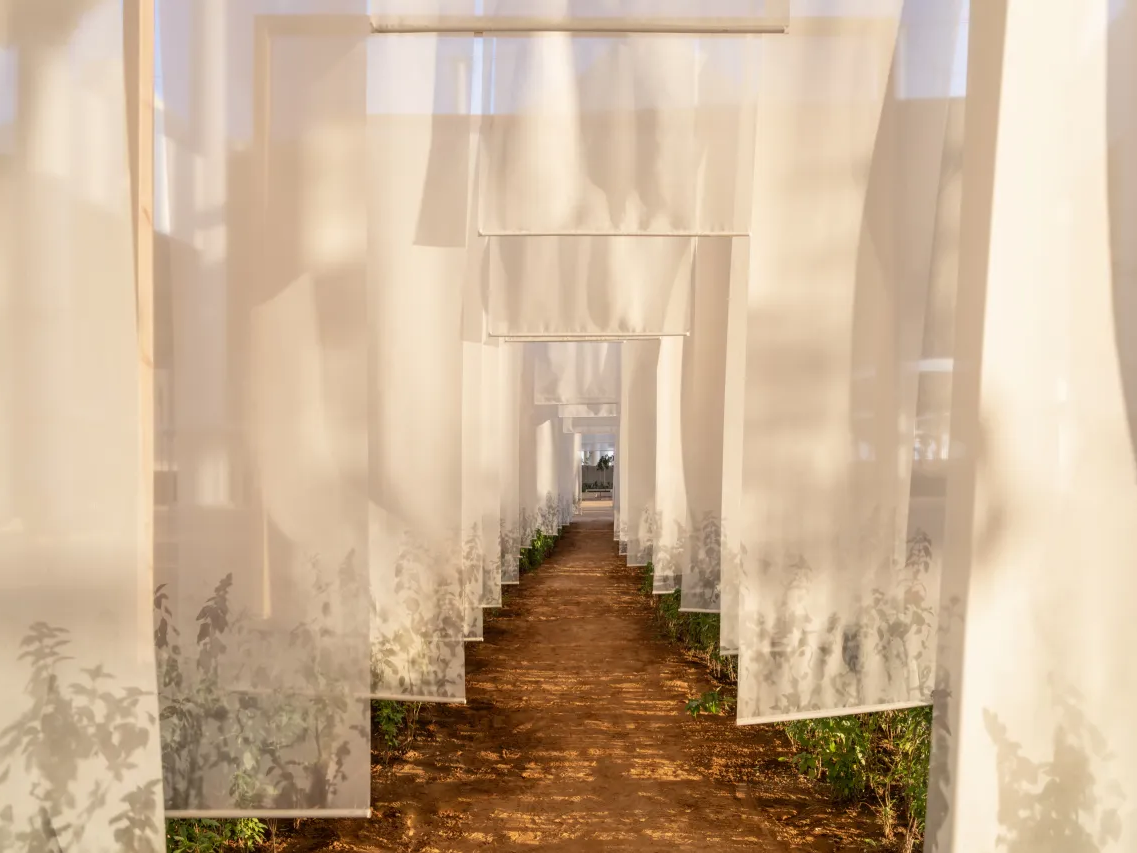
Fatma Abdulhadi approaches art as a sensory experience. Her installations often combine printmaking, scent, and shadow to create immersive environments that invite audiences to engage with memory beyond visual imagery. By activating multiple senses, her work reflects on how memories are stored, recalled, and emotionally experienced.
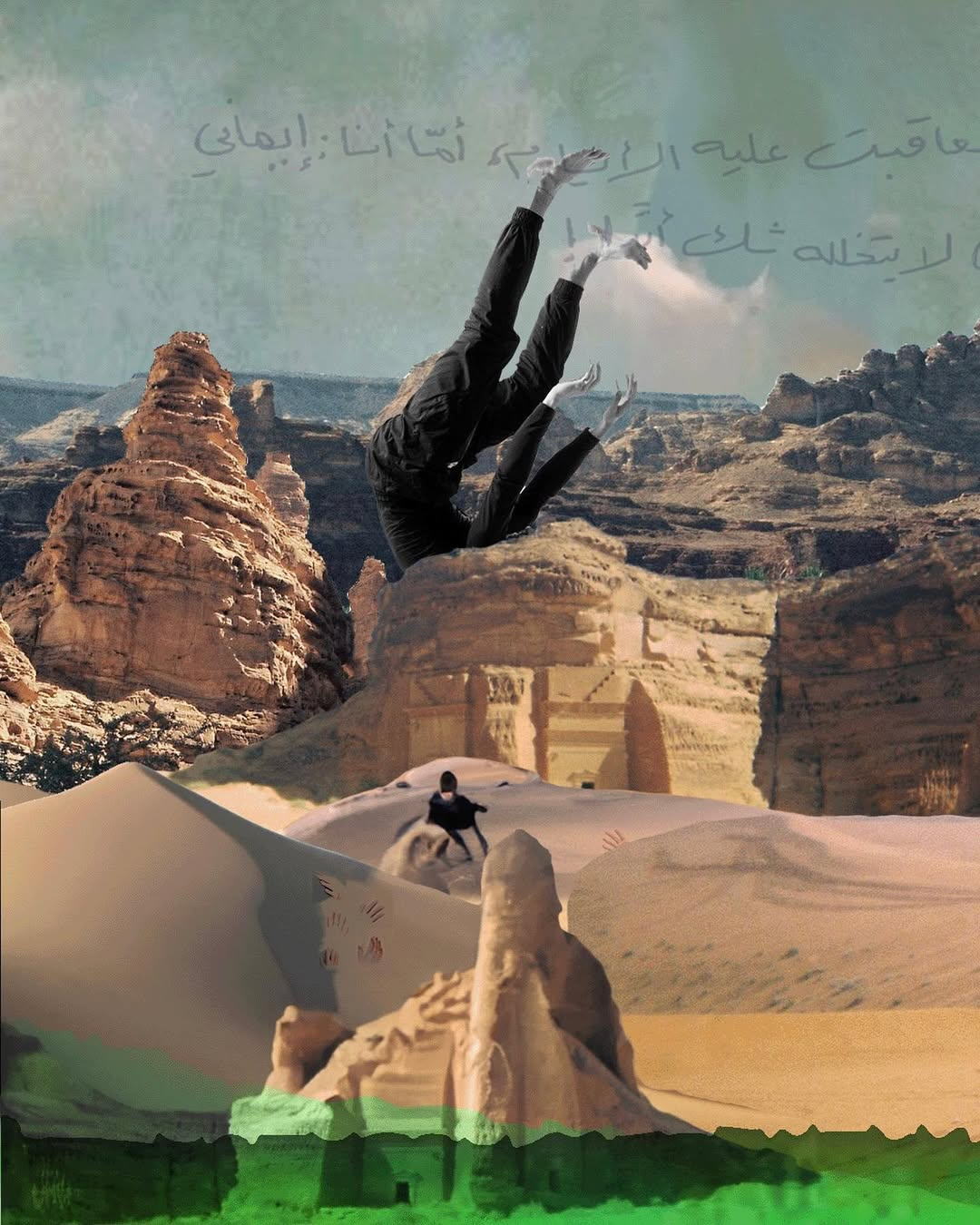
Sara Alnamlah uses collage and mixed media to explore how identity is shaped by memory and personal experience. Her layered compositions combine textures, images, and symbolic fragments that reflect the complexity of individual and cultural narratives. Through this fragmented visual language, Alnamlah illustrates how memories overlap and evolve, turning collage into a metaphor for identity itself.
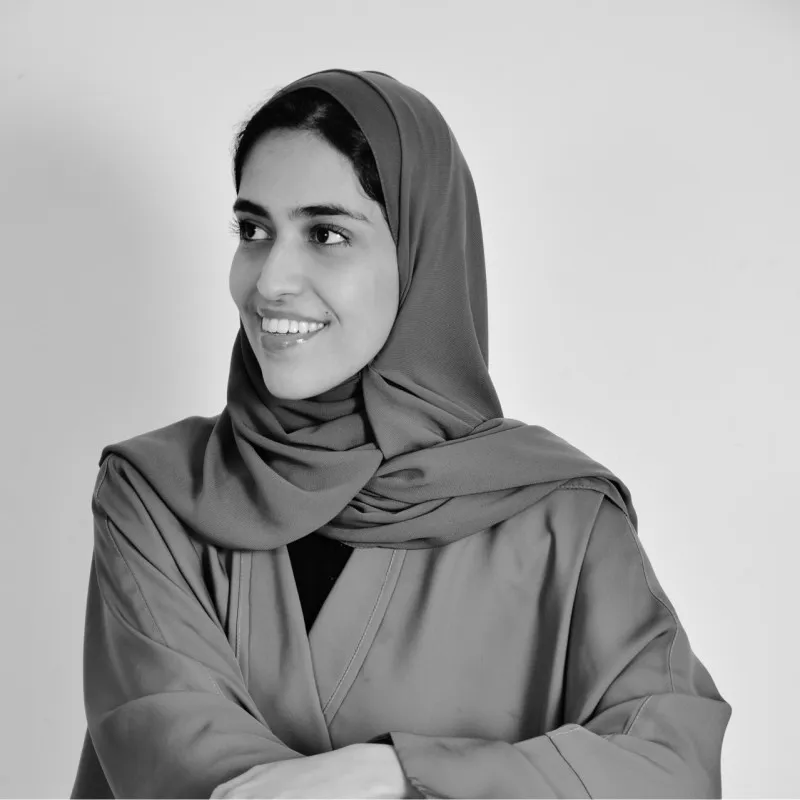
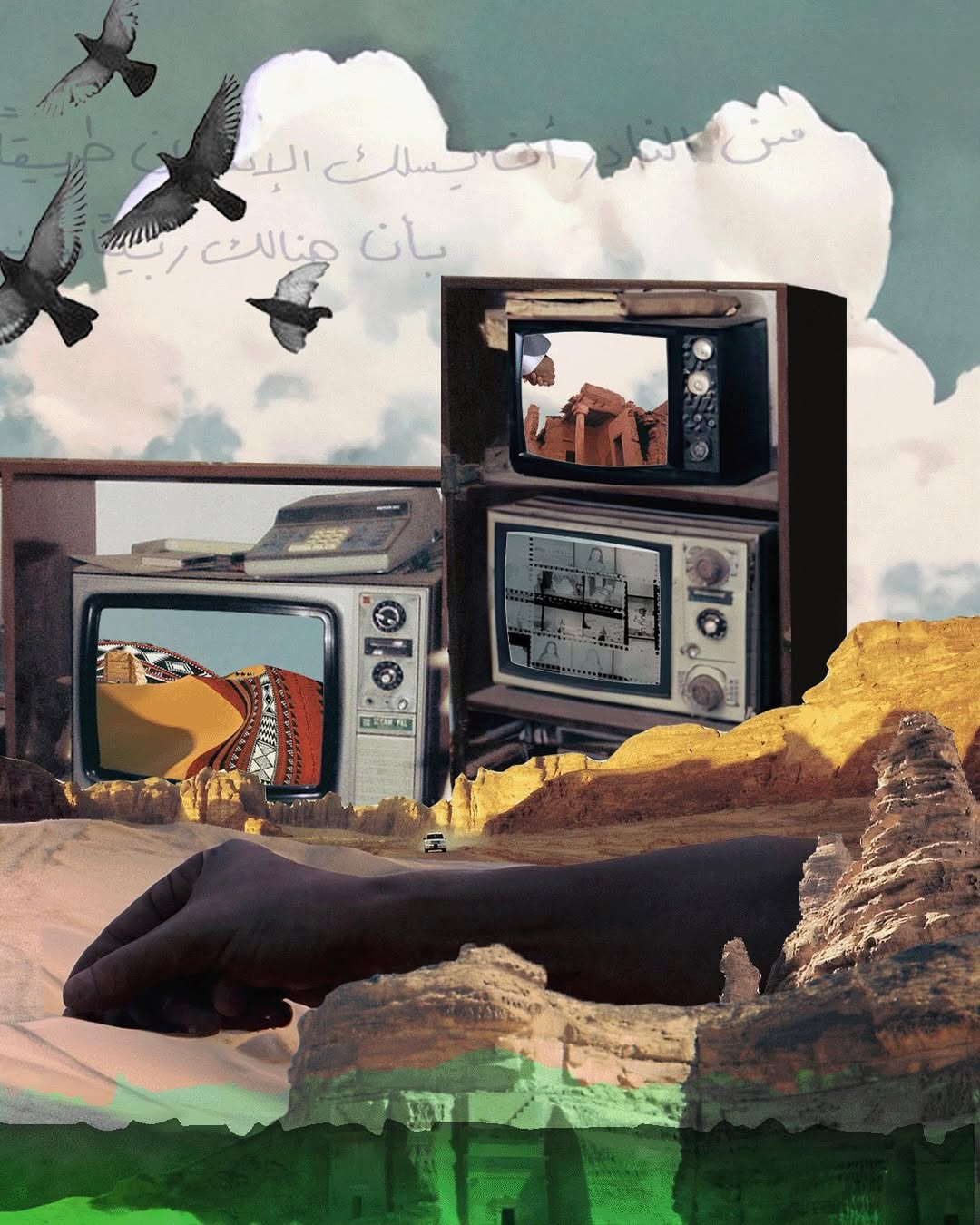
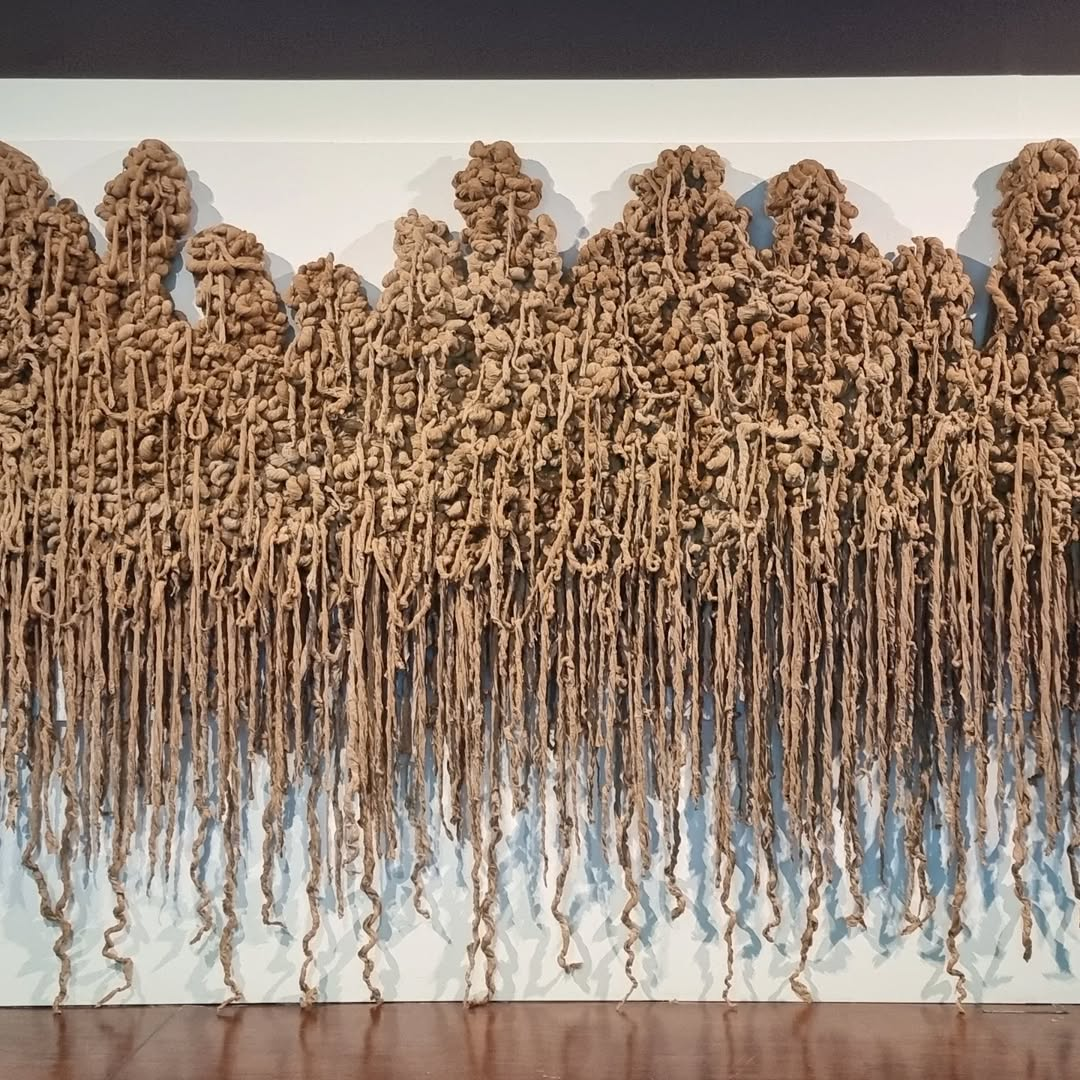
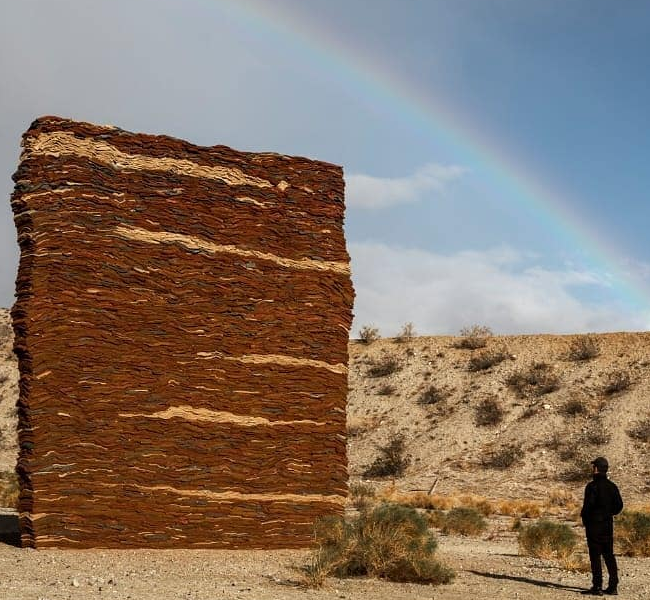
Zahrah Al-Ghamdi is known for her immersive installations that transform natural materials into poetic environments. Using elements such as leather, clay, and organic textures, she builds sensory landscapes inspired by memory, architecture, and the geography of southern Saudi Arabia. Her works often evoke the feeling of walking through forgotten spaces or traces of heritage embedded in the land. By combining craft traditions with contemporary installation art, Al-Ghamdi creates experiences that connect viewers to place, history, and collective memory.
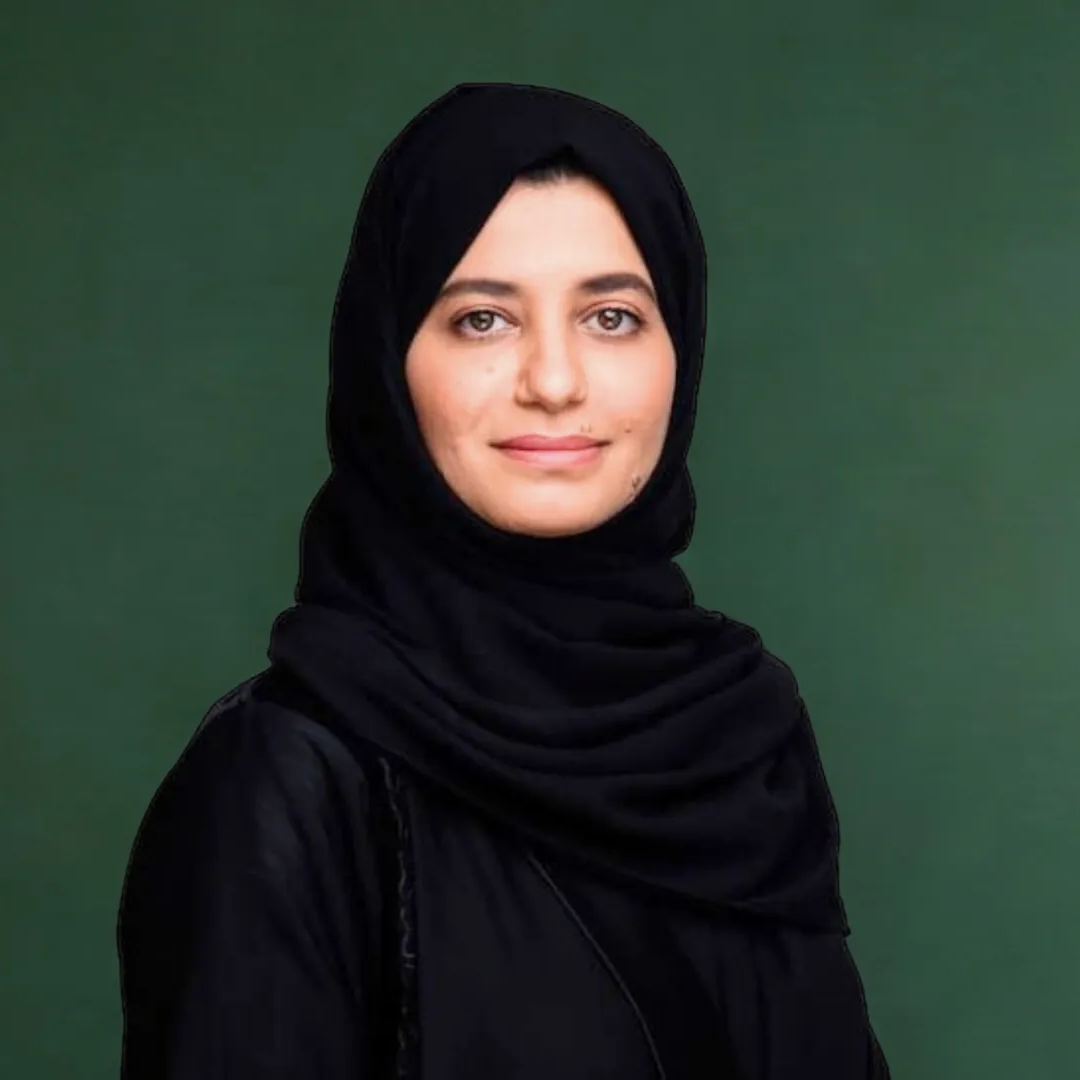
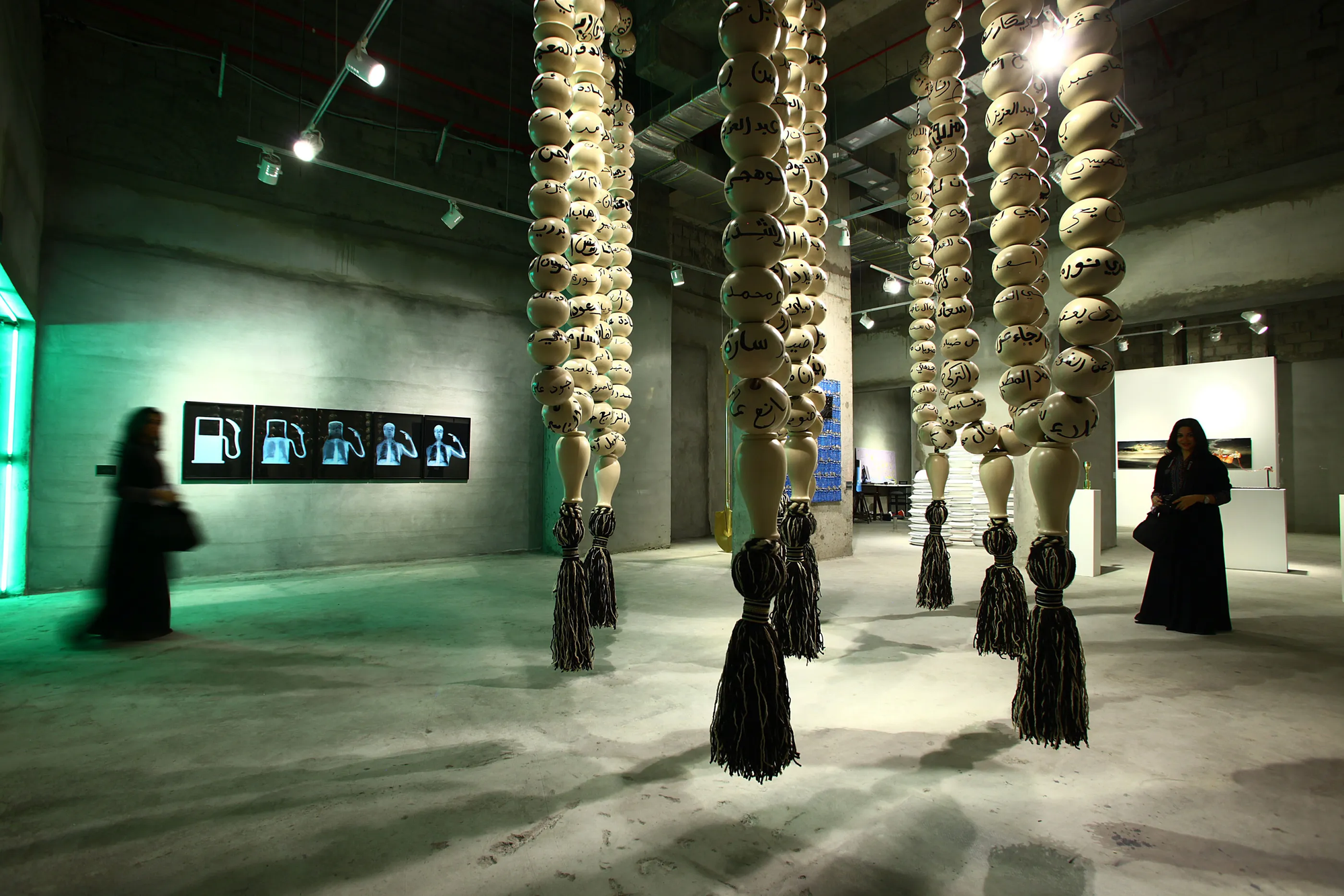
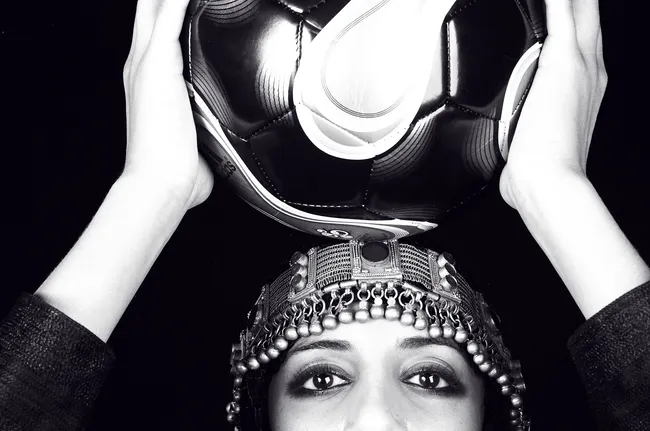
Manal AlDowayan is internationally known for conceptual works that explore women’s roles, cultural identity, and collective memory. Her projects often involve community participation, transforming art into a collaborative platform for storytelling. Her early photographic series highlighted professional Saudi women whose stories were rarely represented publicly at the time. Through installations, sculpture, and photography, AlDowayan continues to challenge social narratives while preserving overlooked histories.
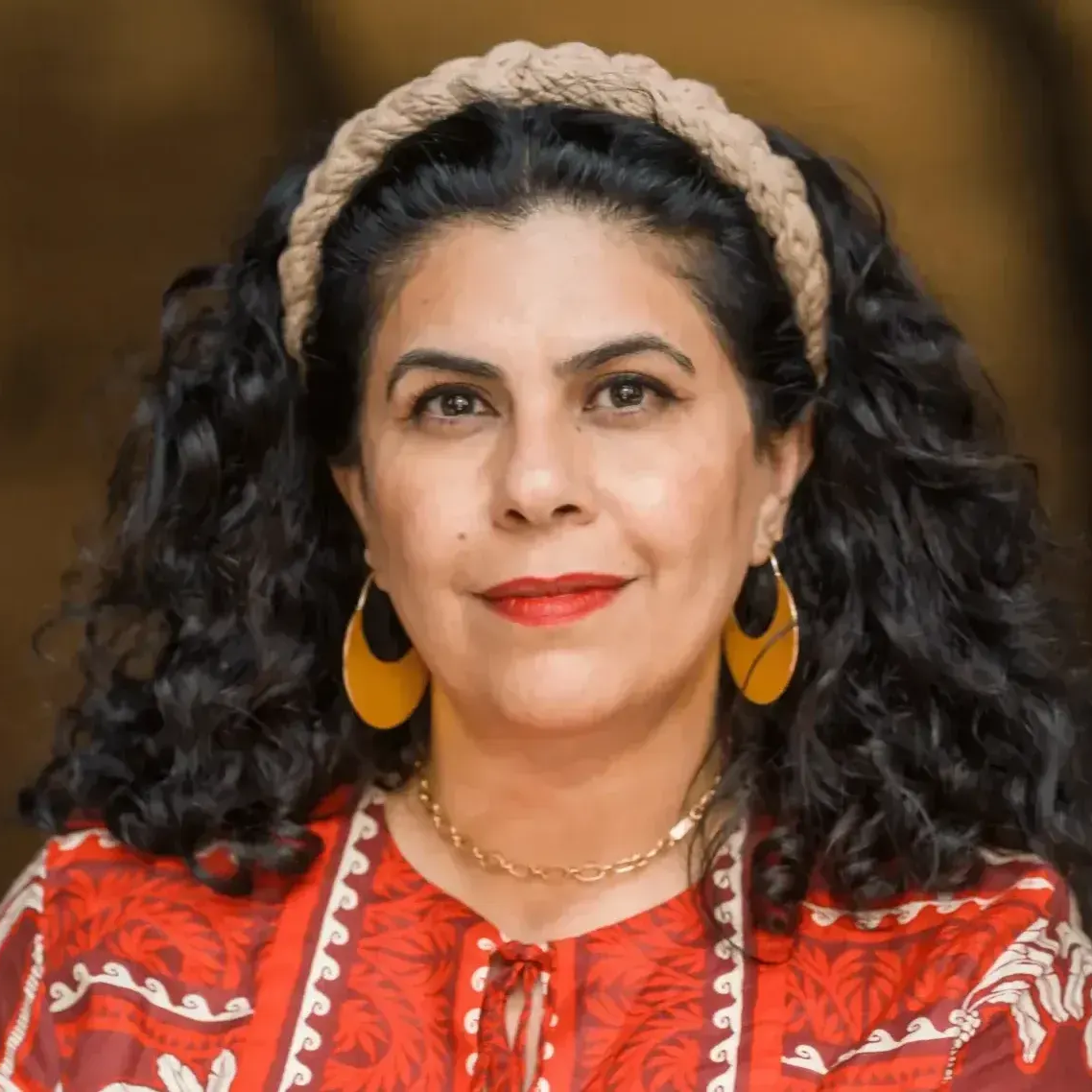
Together, these artists reflect how contemporary art in Saudi Arabia is becoming a platform for dialogue, reflection, and cultural reinterpretation. Through symbolism, heritage, and personal storytelling, they are not only creating art but also shaping conversations about identity and society.
Women’s Day is a reminder to celebrate the women whose creativity continues to expand the boundaries of art and cultural expression.
Discover more cultural coverage and artist stories at KSAArt.