Tuwaiq Sculpture 2026 Brings Art to the Streets of Riyadh
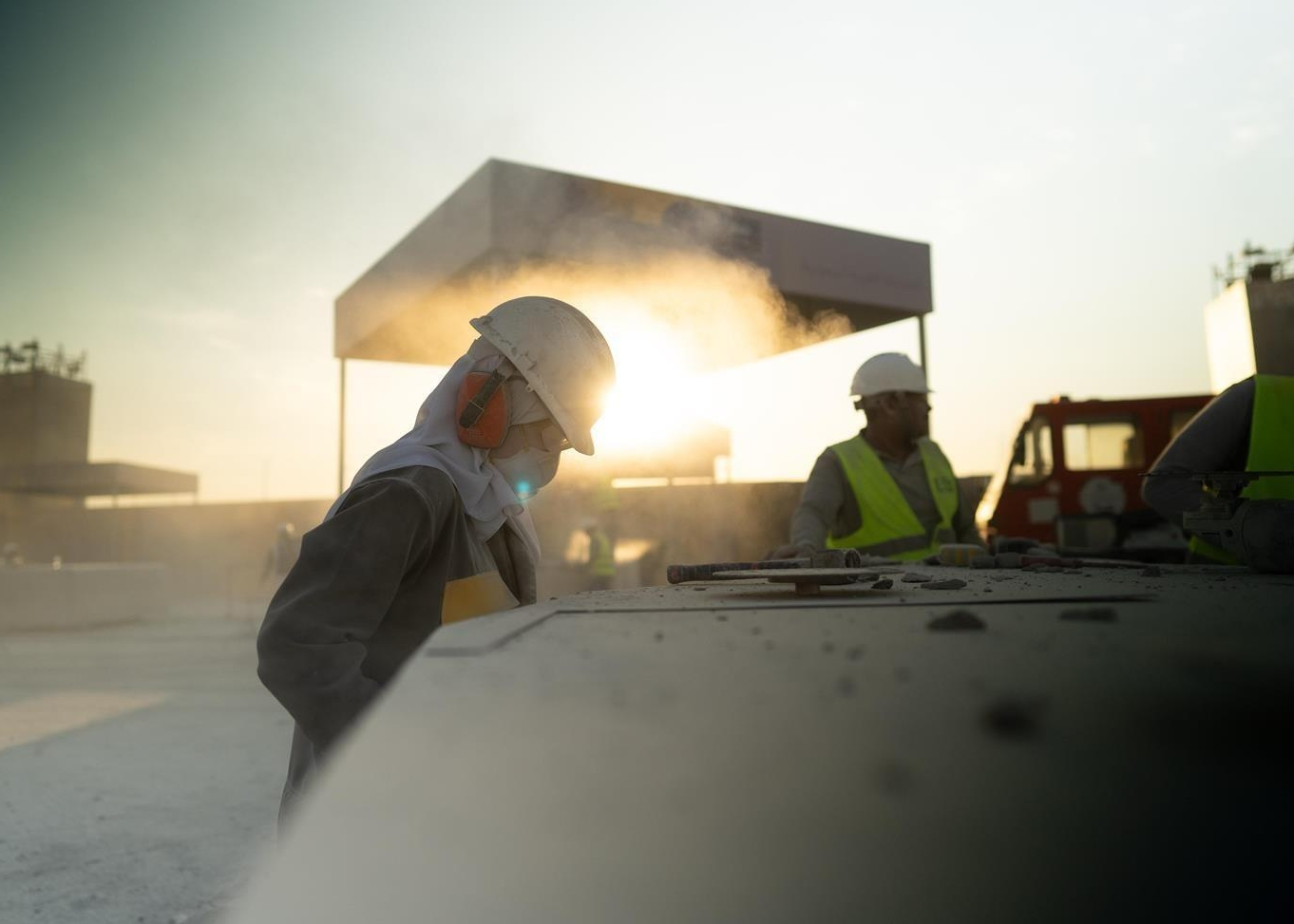
Tuwaiq Sculpture 2026 runs 10 Jan–22 Feb 2026 in Tahlia, Riyadh, where 25 artists create granite and reclaimed metal works live for public display.
Tuwaiq Sculpture 2026 runs 10 Jan–22 Feb 2026 in Tahlia, Riyadh, where 25 artists create granite and reclaimed metal works live for public display.
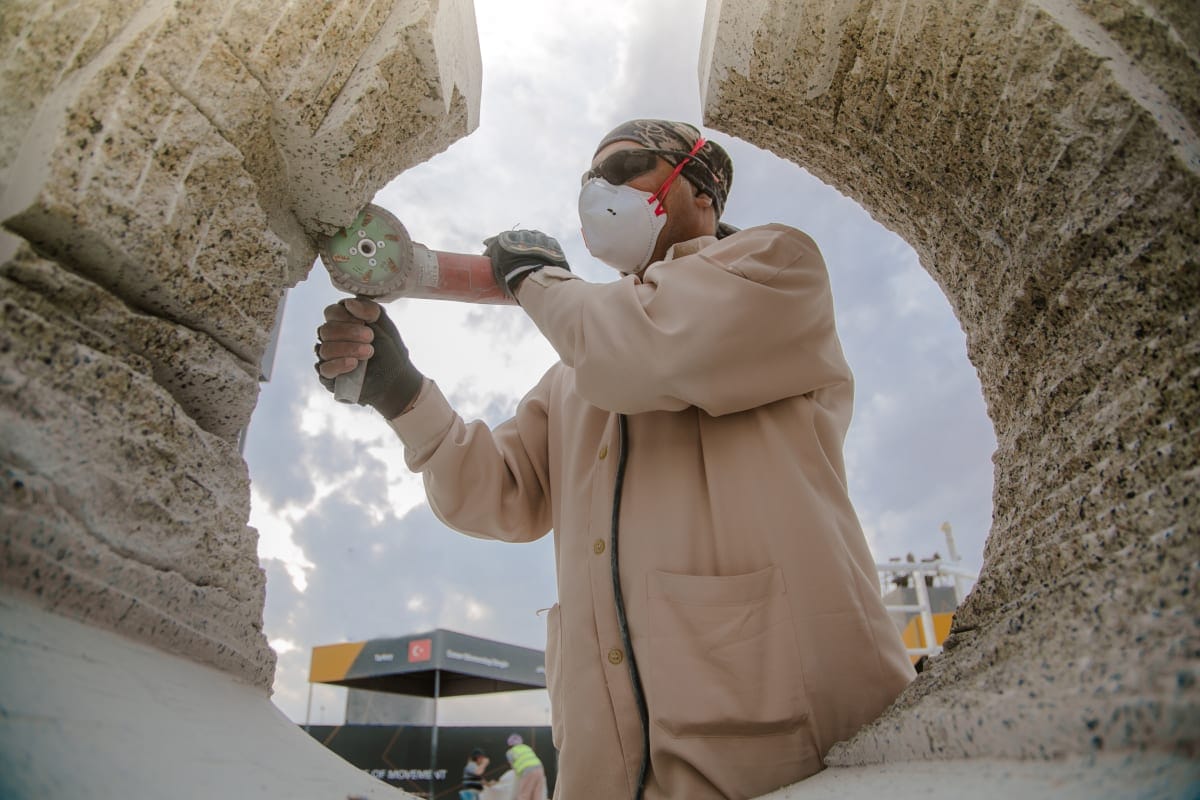
Riyadh has learned how to turn the making of art into a public ritual. This winter, the city does it again through Tuwaiq Sculpture 2026, where stone dust, metal sparks, and quiet concentration become part of the urban atmosphere. Under the theme Traces of What Will Be (ملامح ما سيكون), the seventh edition invites visitors to witness what sculpture can hold long before a city calls it history.
Running from 10 January to 22 February 2026, Tuwaiq Sculpture is not only an exhibition. It is a live symposium where the public can see the in between stage: the pencil marks, the first cuts, the revisions, the sudden breakthroughs. This year’s concept asks artists to treat sculpture as evidence. Evidence of time and pressure. Evidence of memory held inside form. Evidence that the future can be drafted in matter, long before it becomes skyline or habit.
Produced under Riyadh Art, led by the Royal Commission for Riyadh City, Tuwaiq Sculpture began with a simple ambition: to move art beyond gallery walls and into the city’s everyday rhythm. The symposium creates major works live, invites the public into the process, and adds completed sculptures into Riyadh’s growing permanent public art landscape, building a collection that belongs to the streets as much as it belongs to culture.
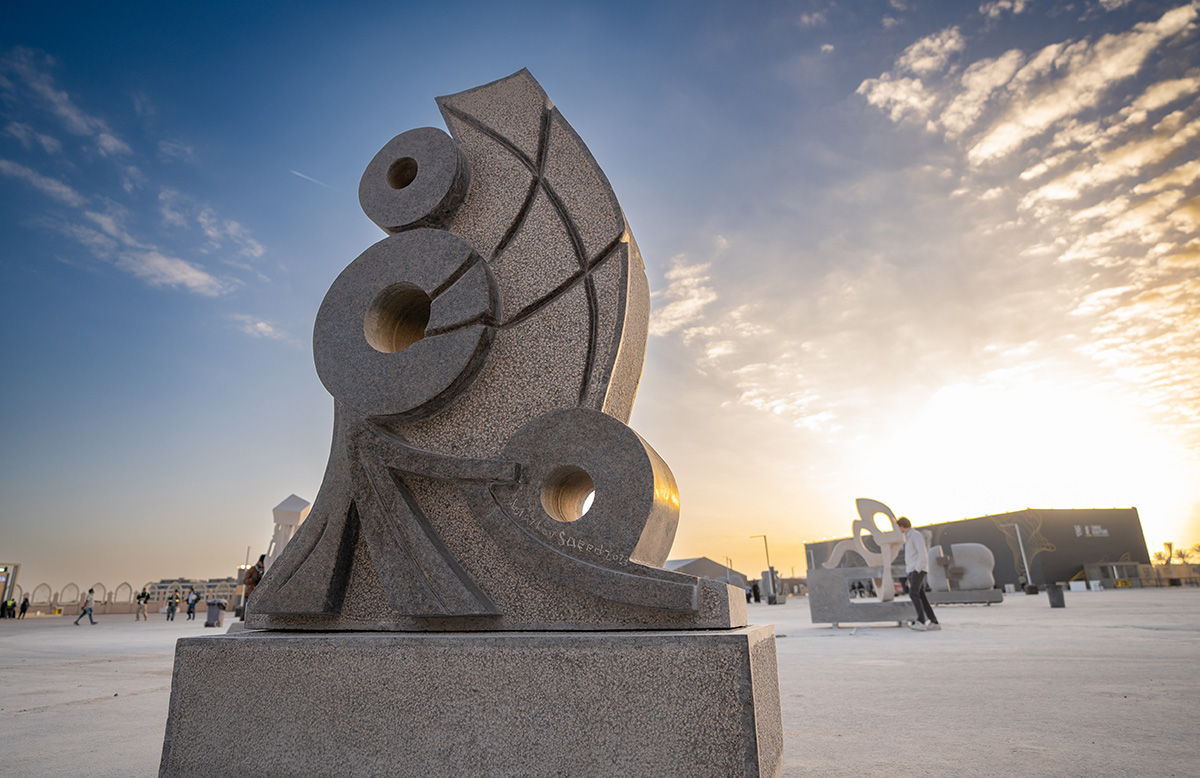
Tuwaiq Sculpture 2026 unfolds in Tahlia, a location chosen for more than its visibility. The program’s framing links the site to Riyadh’s desalination story, positioning it as a place where infrastructure once reshaped daily life.
That context shifts how you read the work. Sculpture here is not a standalone object. It becomes a civic language, speaking to renewal, engineering, survival, and the city’s ongoing relationship with transformation.
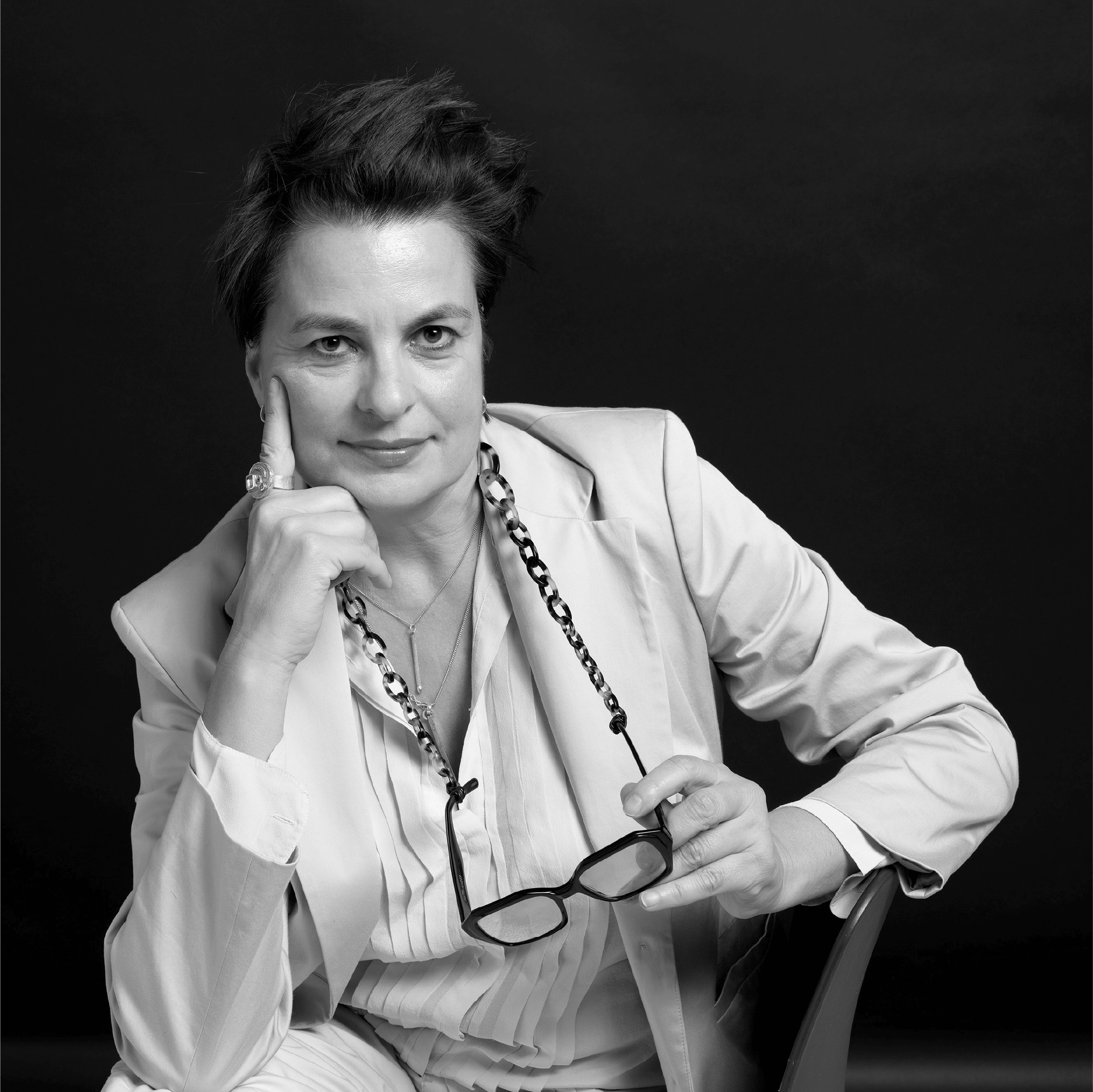
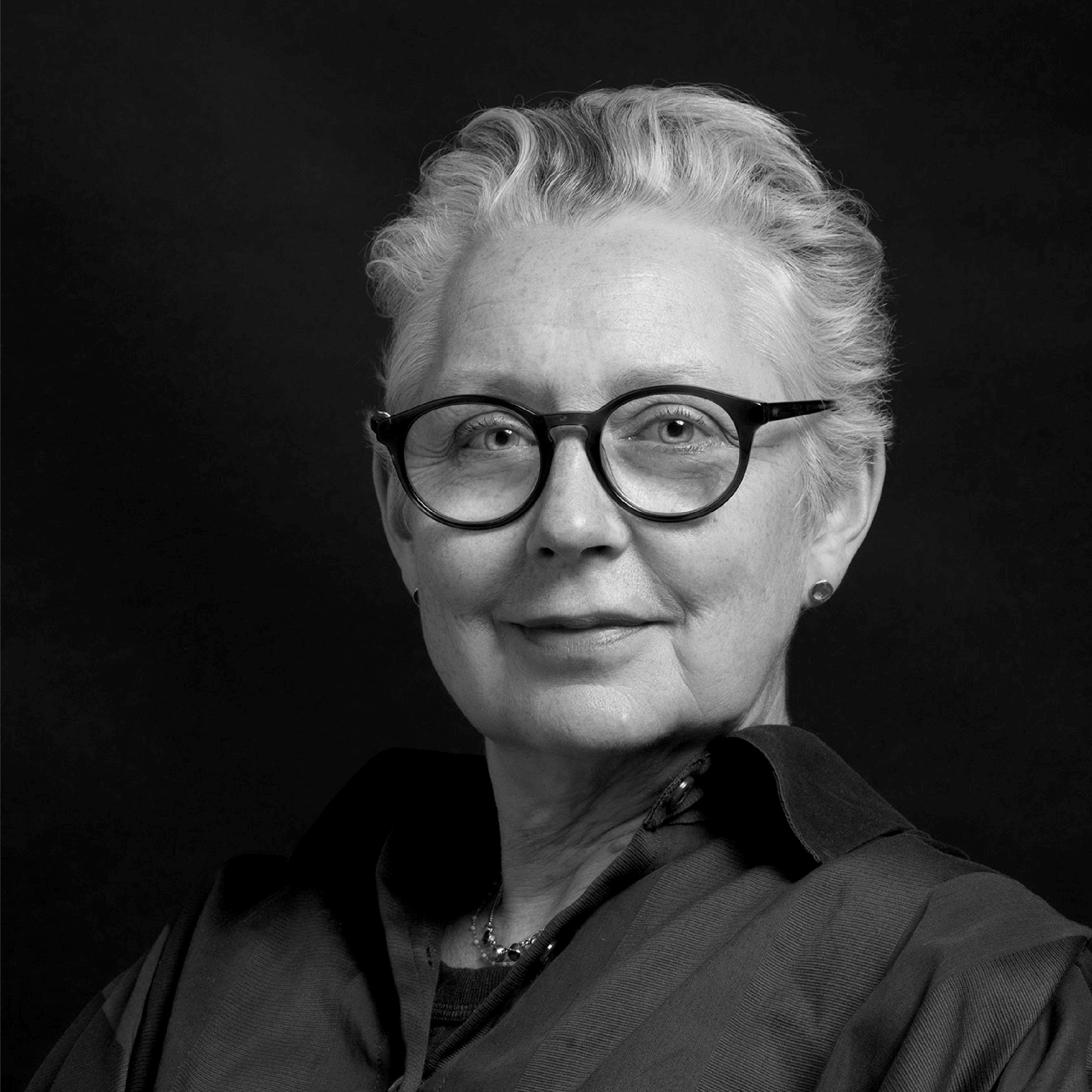
The 2026 edition is guided by a curatorial team that brings both international perspective and local intelligence: Sarah Staton, Rut Blees Luxemburg, and Saudi artist Lulwah Al Homoud.
Their combined approach suits a symposium that balances spectacle with seriousness. These works are meant to hold up close, not just from across a boulevard. They are made to reward attention.
One of the defining shifts this year is structural: two sculpting categories shape the conversation. The first centers granite, with the option to integrate stainless steel, a pairing that echoes Riyadh’s contrast of permanence and velocity. The second introduces reclaimed or recycled metal, adding a sharper contemporary edge where sustainability becomes both ethic and visual language. In a city where construction is constant, reclaimed metal reads like an intentional reordering of value. What was once utility becomes symbol.

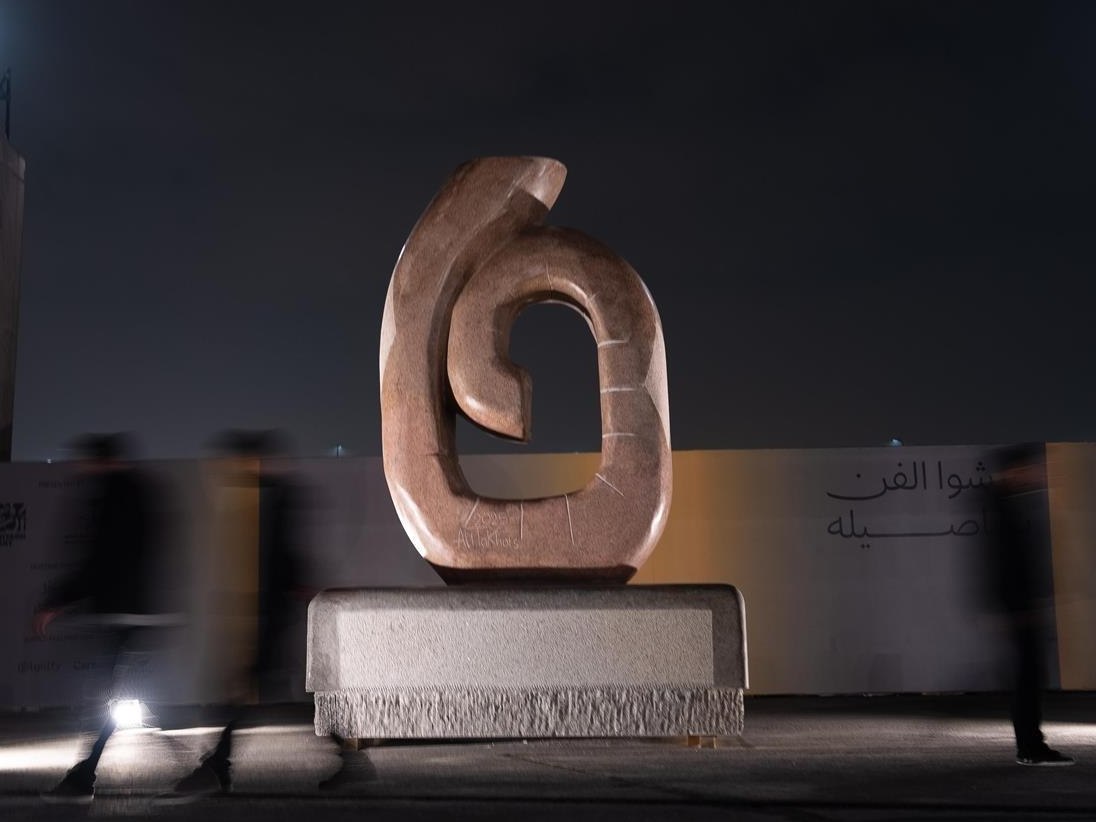
Selected from 590+ applications, Tuwaiq Sculpture 2026 brings together 25 artists from 18 countries, working across stone and reclaimed metal. The roster turns the symposium floor into a temporary city of techniques, accents, and ways of thinking with hands.
There is an afterlife to this symposium. Tuwaiq Sculpture is designed so completed works extend into Riyadh’s public realm, becoming part of the city’s daily routes. This is where the program’s cultural weight settles. When sculpture enters ordinary life, it changes what a city expects from itself. Public space starts to carry reflection, not only function.
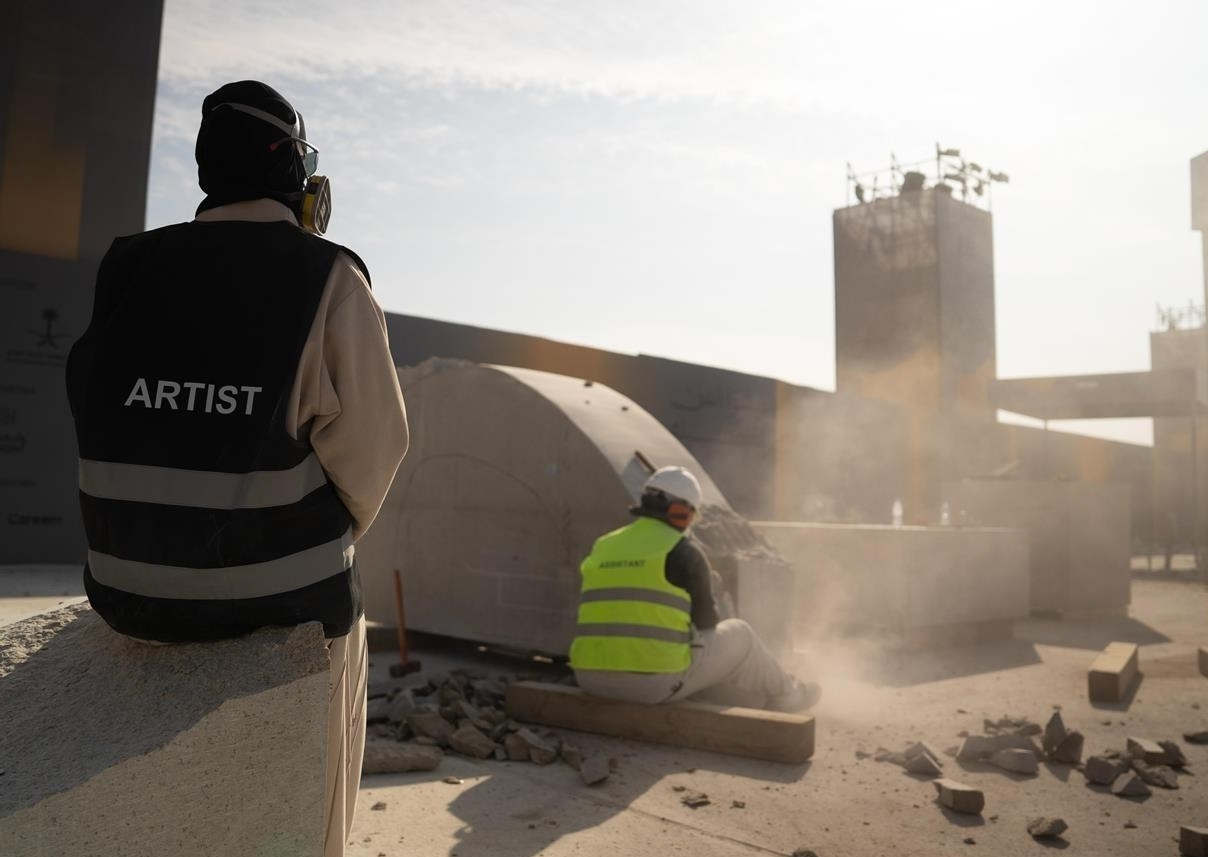
The most compelling moments are often the quiet ones: a chisel line that suddenly clarifies a silhouette, or a welded seam that turns scrap into statement. Go more than once if you can. The point is not just the finished form. The point is the accumulation of choices.
After the symposium, selected works typically enter Riyadh Art’s permanent public art collection and are installed in prominent public locations across the city. Recent RCRC updates describe permanent installations appearing in places such as Roshn Front, SEDRA Community, and the Sports Boulevard, with more locations announced over time.
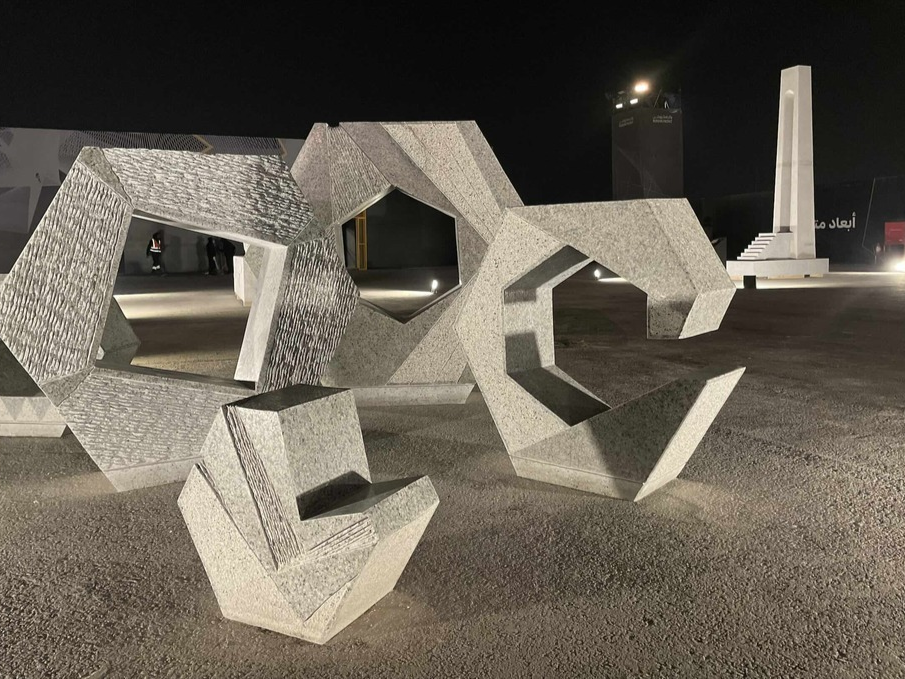
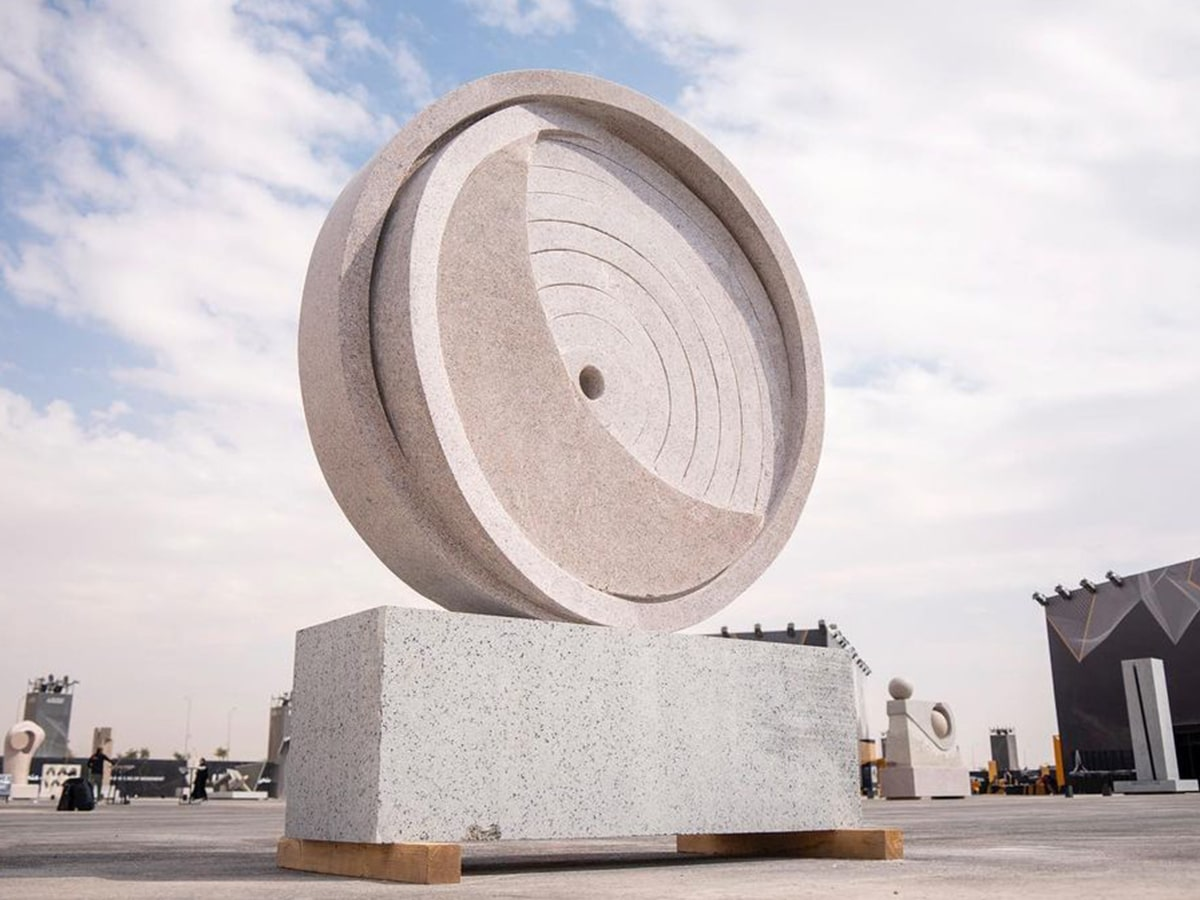
In the Gulf, the future is often described in architecture, technology, and scale. Tuwaiq Sculpture offers a different register: the future as texture, scar, imprint, and memory. Traces of What Will Be suggests that the coming years are not only something we build outward. They are something we carve into meaning, then return to the city so everyone can live alongside it.
Discover more cultural coverage and artist stories at KSA Art.