Mjd Jaha: Turning Visual Diaries into a Learning Community
Meet Mjd Jaha, Saudi concept creator behind Human 2 Human, visual diaries, and learning tools, turning her curiosity into culture through art, education, and experience.

Meet Mjd Jaha, Saudi concept creator behind Human 2 Human, visual diaries, and learning tools, turning her curiosity into culture through art, education, and experience.
“Life’s a big weird experiment, I just happen to design the lab.”
That line captures Mjd Jaha (mjdinspiring) because her work isn’t built as a portfolio. It’s built as an ecosystem. She moves between visual diaries and concept-building, between intimate sketches that read like emotional field notes and projects engineered to become real life experiences, communities, and habits. Illustrator, educator, builder, she holds all three roles at once, and treats creativity less like a mood and more like something you can design, learn, and pass on.
Based between Jeddah, Makkah, and Riyadh, Mjd is the mind behind Human 2 Human Project, Create by H2H, and Fun Lost Club. Together, they reveal her central belief: experience is the real currency, and the right concept, translated into content, products, and shared moments, can quietly reshape how people live. Her story isn’t about choosing art over stability. It’s about refusing to separate the two.
Mjd Jaha's beginning sits at the intersection of achievement and restlessness. Art didn’t arrive as a childhood destiny. It arrived at 19, right when life was demanding a “serious” direction and everyone around her expected a conventional choice. She was academically strong, but the path that looked most logical on paper felt wrong internally. Even with real aptitude for numbers and science, she couldn’t commit to a future that pushed her creative side into the background.
What followed was not a straight line, and that’s exactly the point. She entered interior design, realized it wasn’t her place, and stepped away. She shifted into public administration with a practical mindset, choosing what felt manageable while she continued figuring out the larger question of identity and work. That early pattern, experiment, pivot, rebuild, still defines her practice today.
Her art doesn't sell certainty. Her projects don’t pretend they were always destined to exist. They carry the clarity of someone who learned by moving: trying, stopping, re-routing, and continuing until the work started to sound like her.
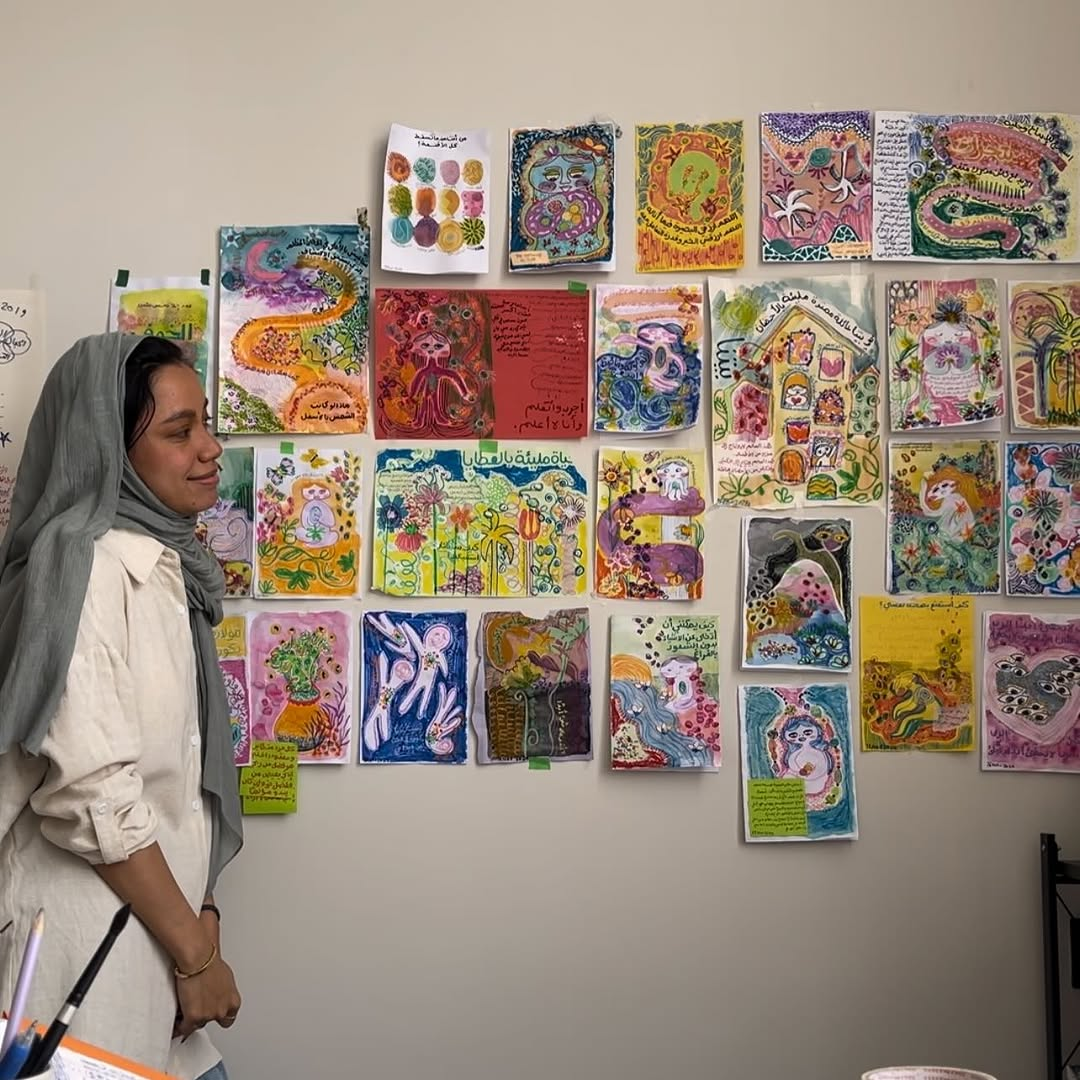
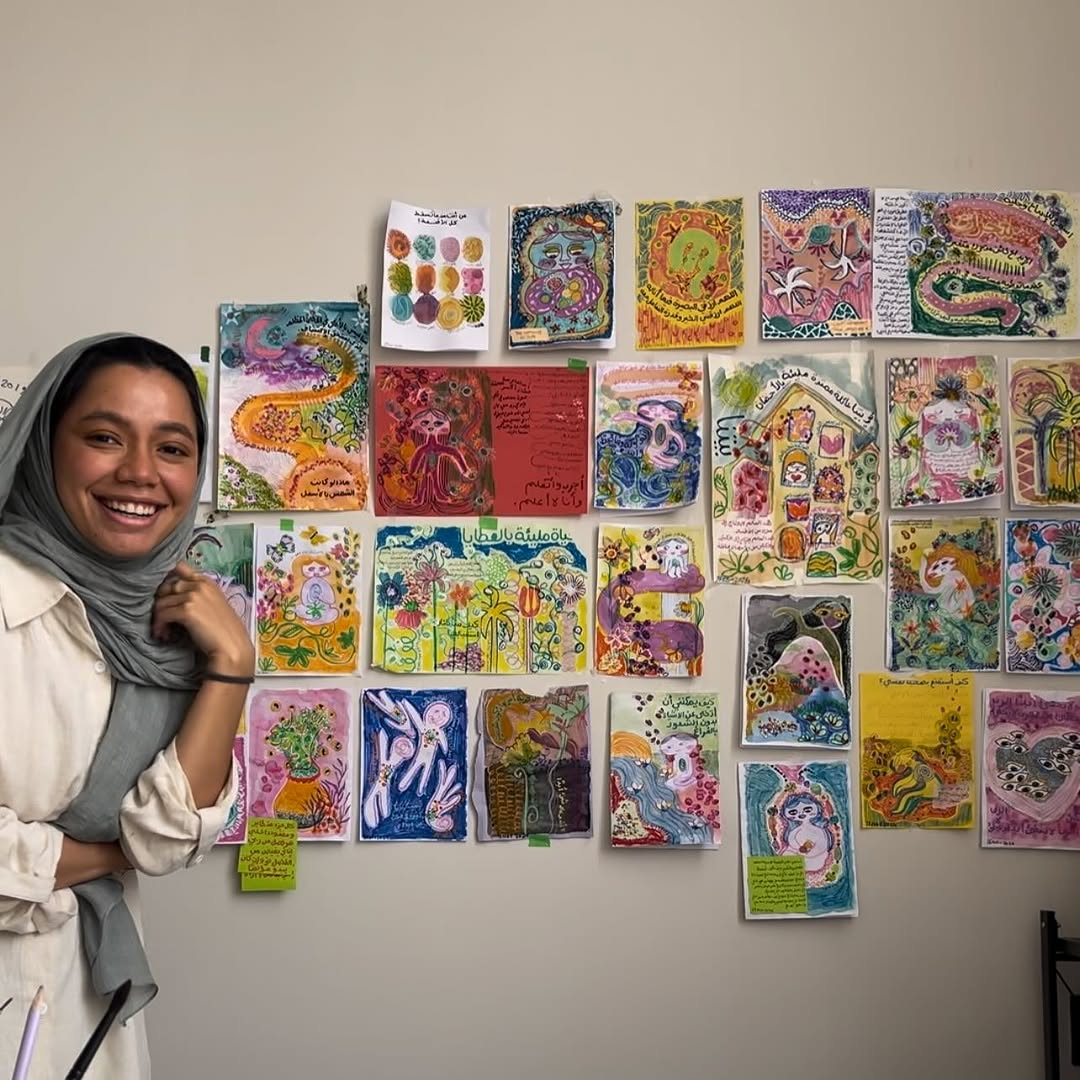
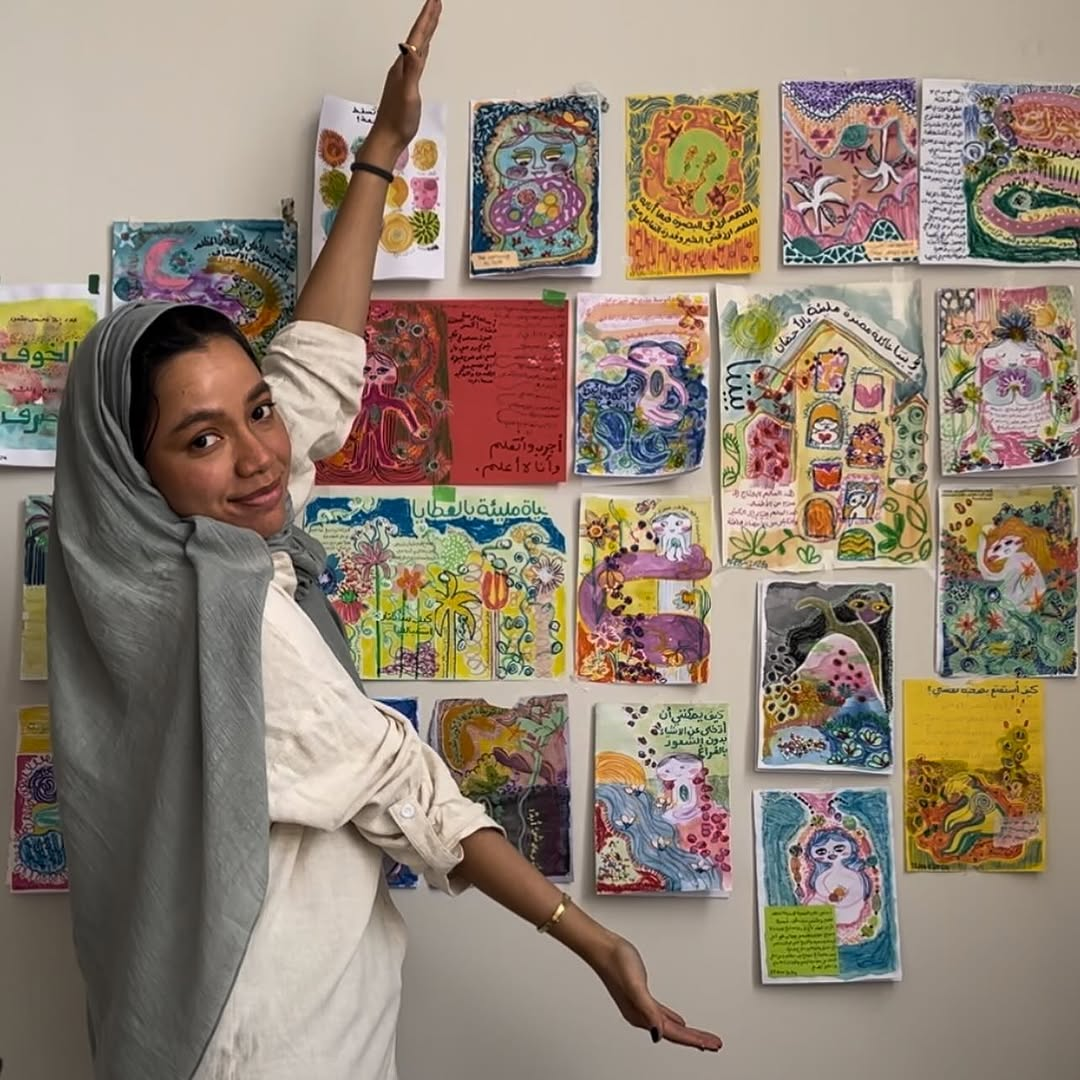
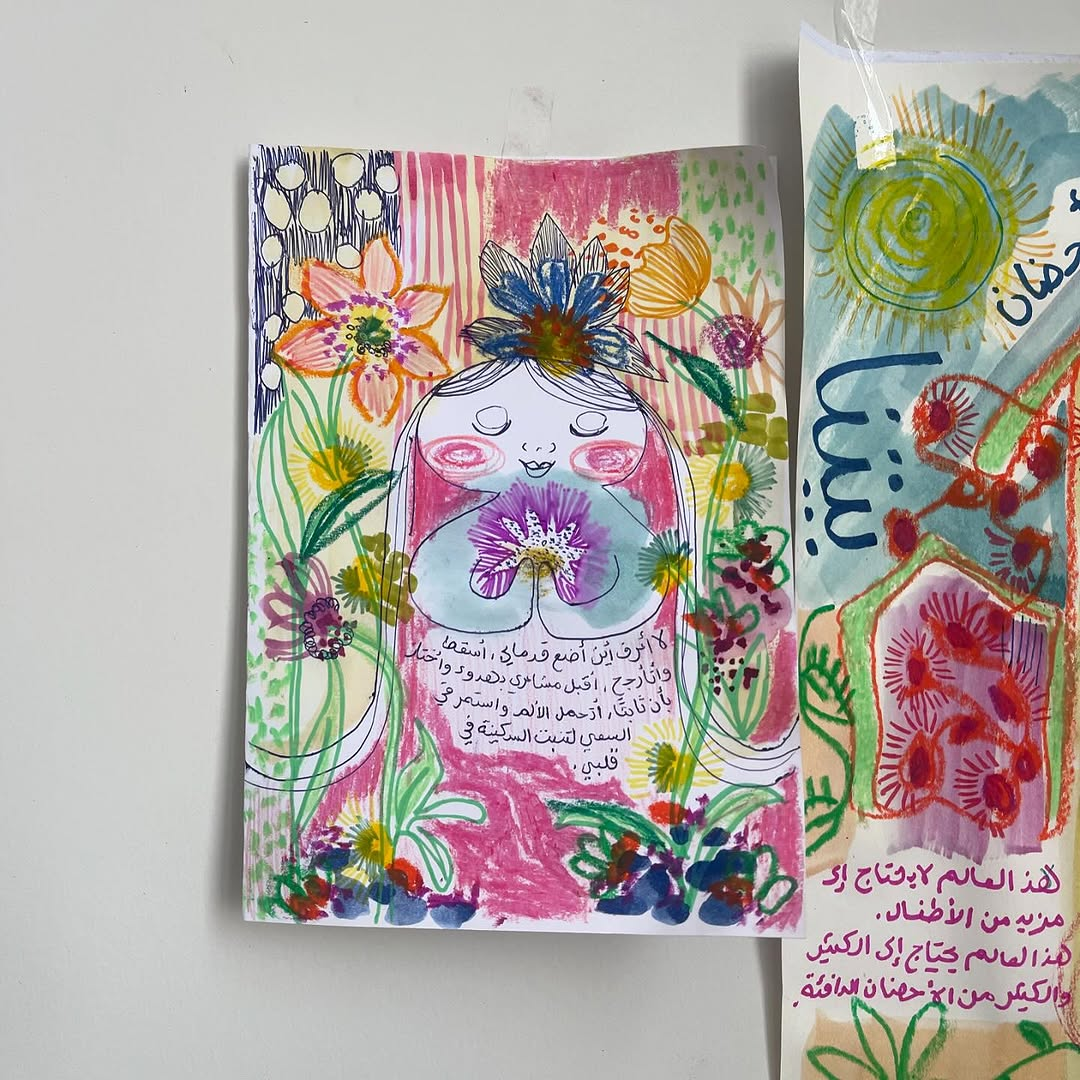
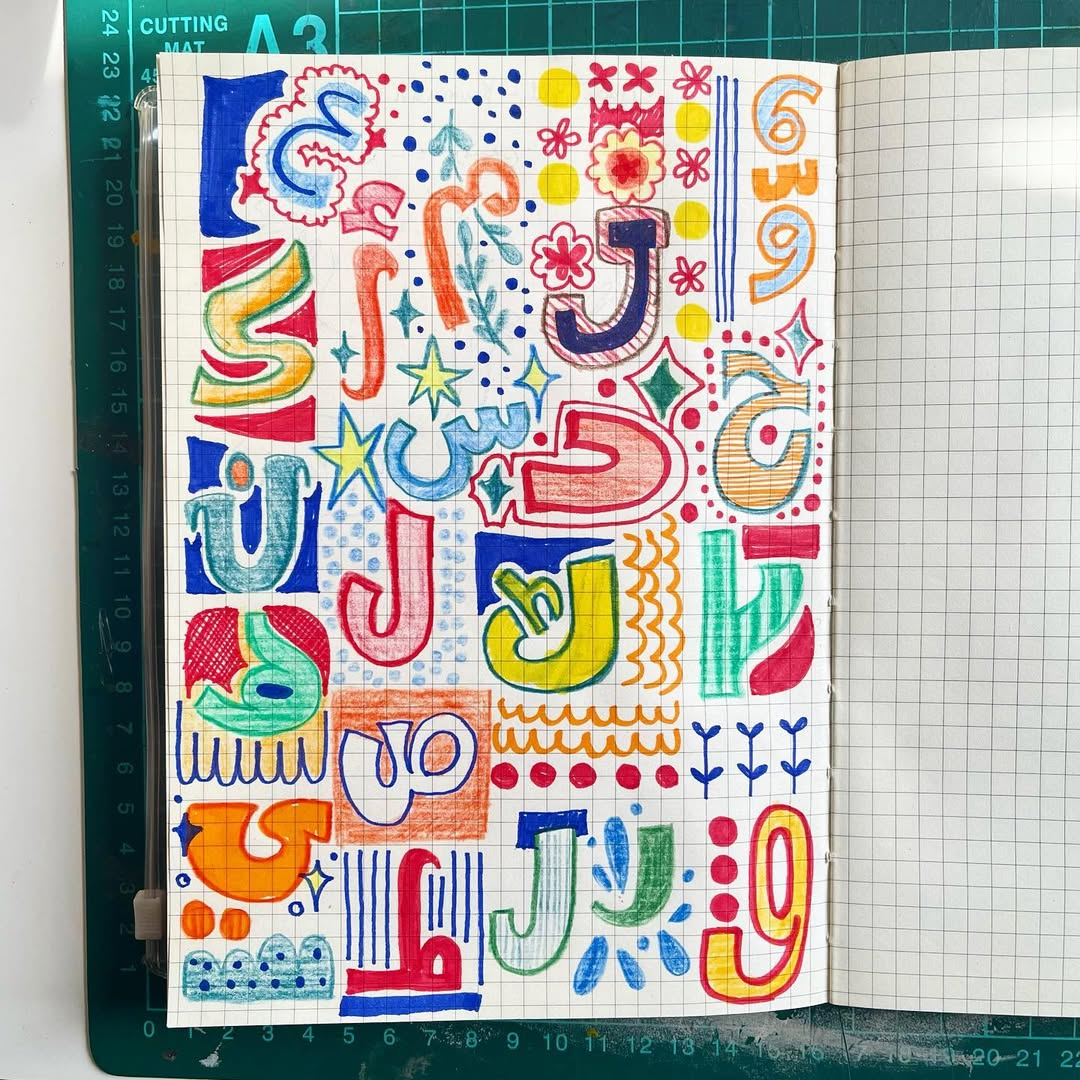
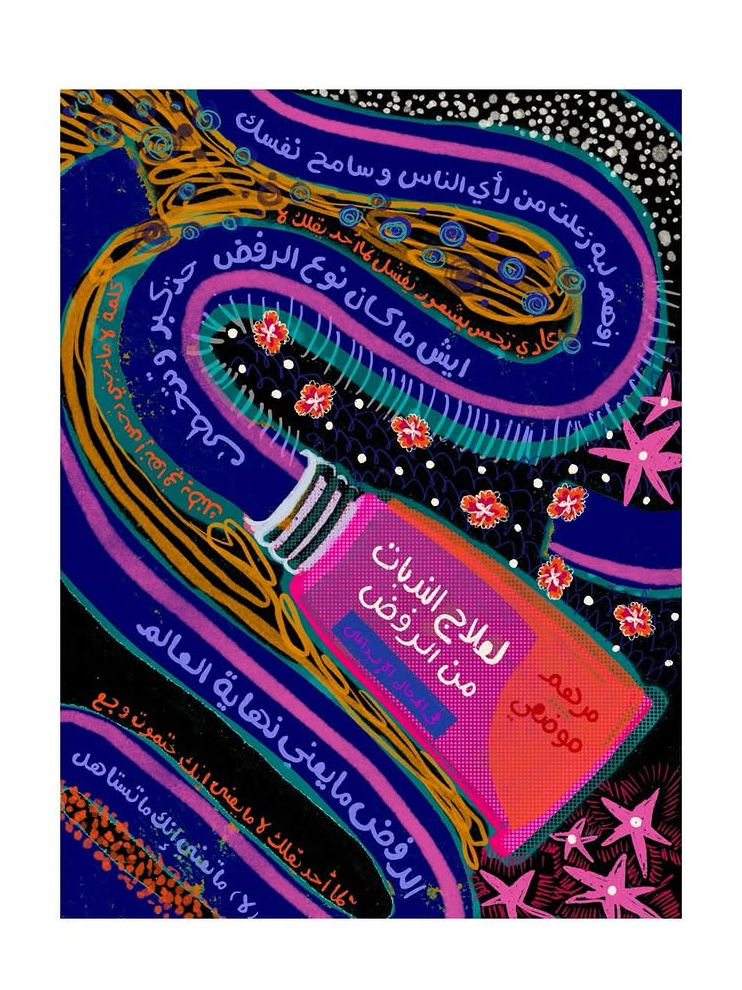
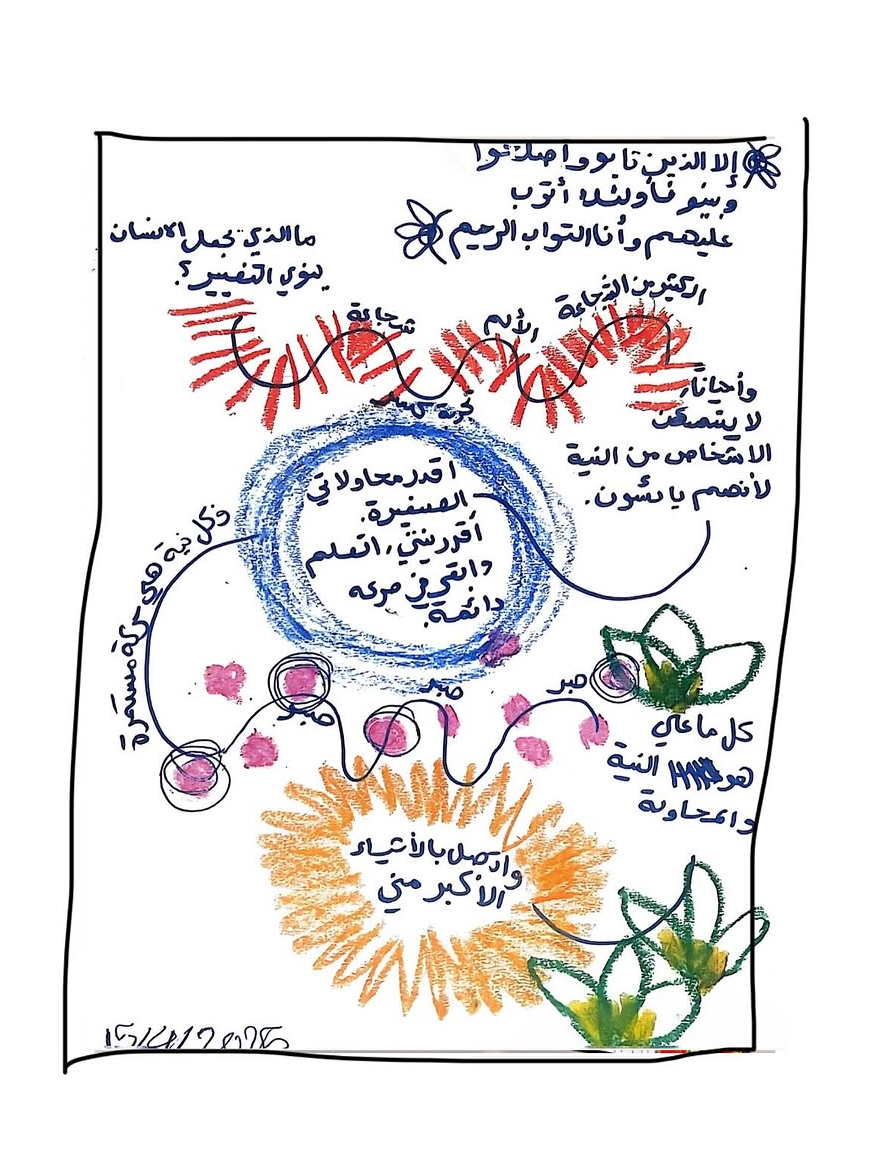
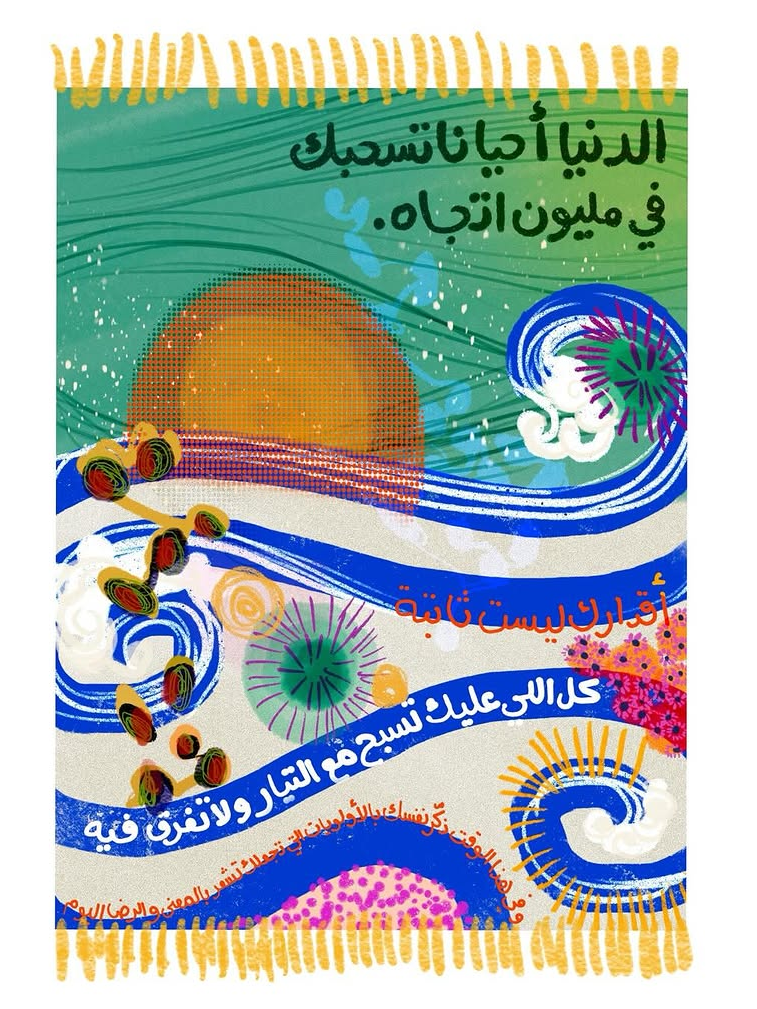
Mjd's “Visual Diaries” are not casual posts. They read like designed reflections, each one an attempt to translate a human moment into a visual principle. Her practice often folds drawing into writing, and writing back into drawing, until the two become one language. “Sometimes I turn my drawings into writings, small texts. I started making magazines.”
The result is a body of work that feels emotionally fluent and visually structured. It is personal, but never confessional. It is gentle, but never vague. It speaks to the internal mechanics of being human, and it does so with the clean confidence of someone who values clarity over performance.
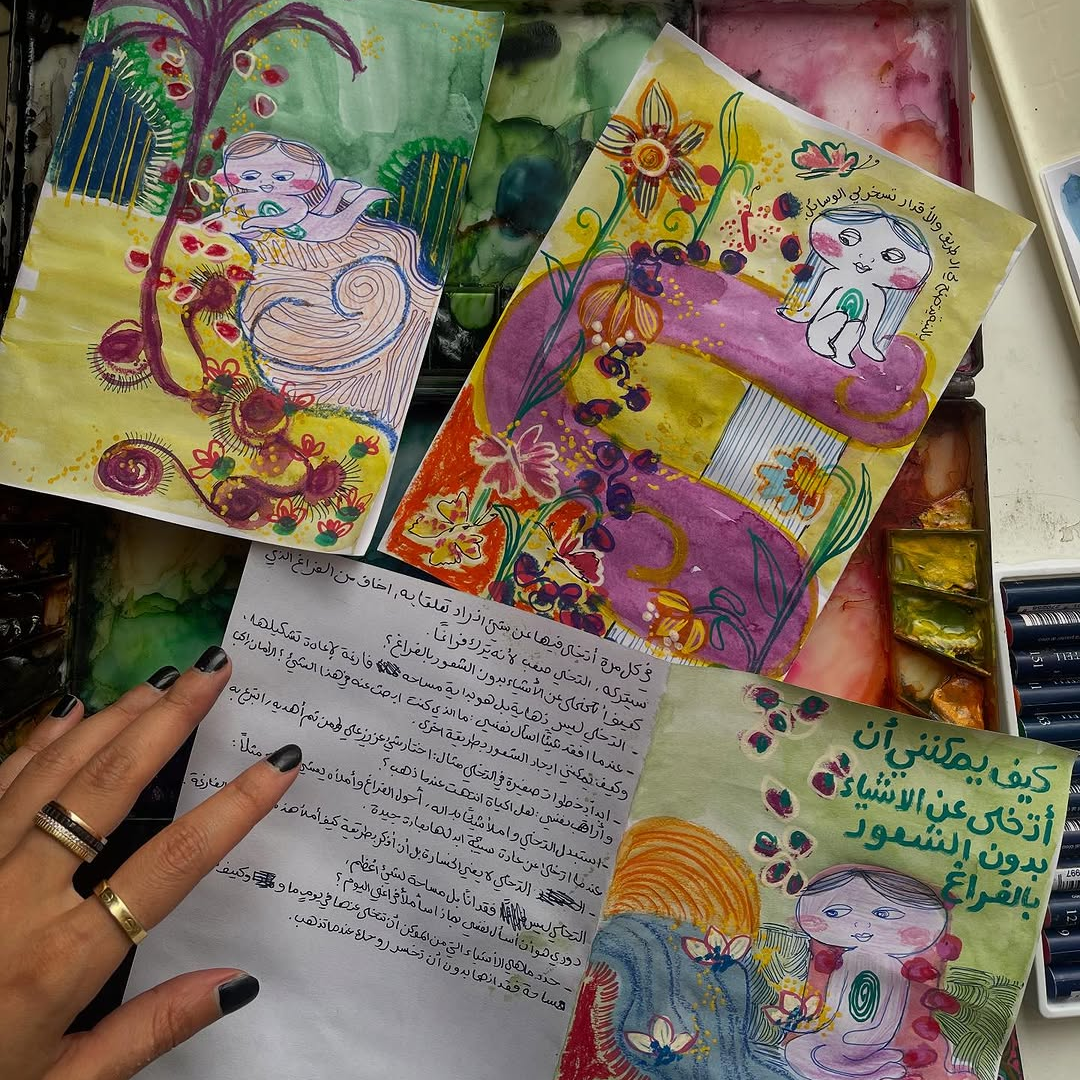
Watercolor becomes one of Mjd’s most defining chapters because it wasn’t the obvious choice around her. While much of the local conversation leaned toward acrylic, oil, charcoal, and pencil, she committed to a medium that felt less common, and treated it as a world worth exploring deeply.
That exploration didn’t stay personal for long. During the COVID period, the interest sharpened into structure. She produced two full educational books, built with chapters and detail, shaped less like casual tips and more like a real course. The thinking behind them reflects a core part of her personality: a disciplined, academic mindset that believes creative skills can be taught with clarity and method.
This is where her identity as a concept creator becomes practical. Watercolor isn’t only a style in her hands. It becomes a framework others can learn from, a system built to guide beginners step by step, and proof that her work is designed not just to be seen, but to be passed on.
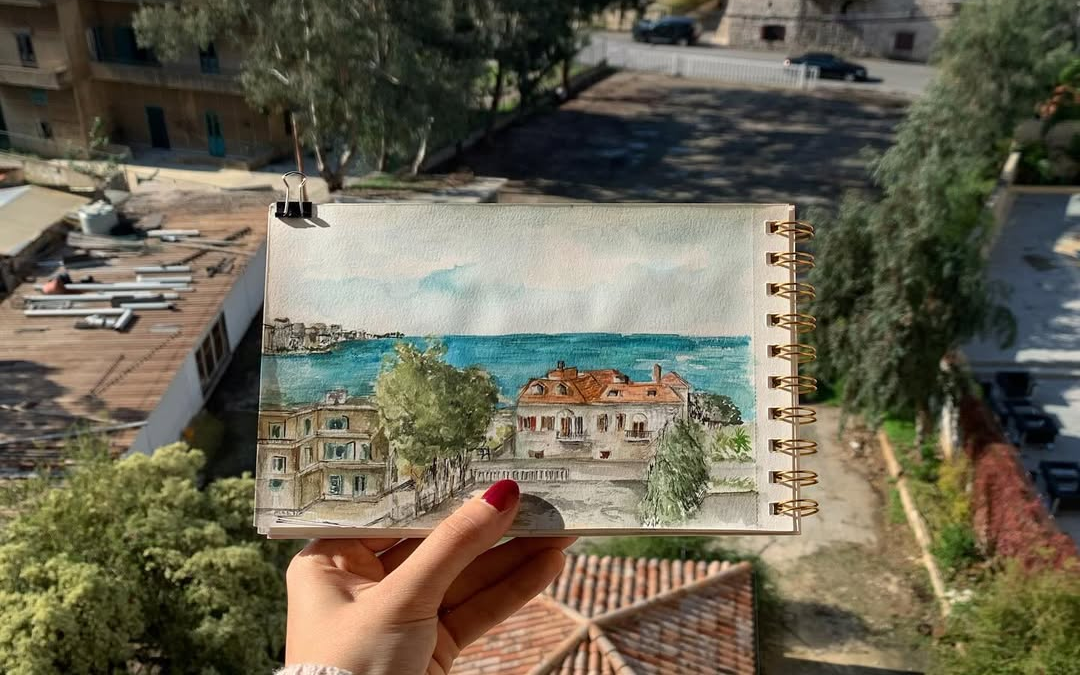
On YouTube, Mjd slows the pace down and lets the work breathe. The channel feels less like “content” and more like a studio corner where the real questions get addressed: perfectionism and how it blocks output, whether an artist needs one fixed style, and how to keep creating when motivation is inconsistent. Alongside that mindset layer, she shares approachable tutorials and technique, making the platform an entry point for beginners and a reset button for artists who want to return to the basics without shame.
Her podcast presence carries a different energy: practical, direct, and made for people who want to move from ideas into execution. Topics like product manufacturing, building a strong Instagram presence as a designer, and outgrowing the identity of “only a painter” position her as someone who understands the full ecosystem around creative work. It’s where the concept creator becomes a strategist, mapping the behind-the-scenes steps that make creative careers sustainable, scalable, and grounded in real-world decision making.
Mjd's ecosystem expands beyond individual practice through Human 2 Human Project, a platform that treats concepts as lived experiences, not slogans. Human 2 Human begins with a belief: there is a better version of every person, capable of emerging under the right circumstances. From there, it treats a concept as the core idea you want to convey, the change you want to achieve, then asks what it takes to make that change reach people and stay.
The approach is layered: analysis first, then translation into lifestyle through community, authentic content, products, and experiences. The point is not to post a principle. The point is to design an environment where the principle becomes behavior. This is also where Mjd’s worldview becomes most visible: creative work can be infrastructure. It can shape habits, relationships, and the way people move through daily life.
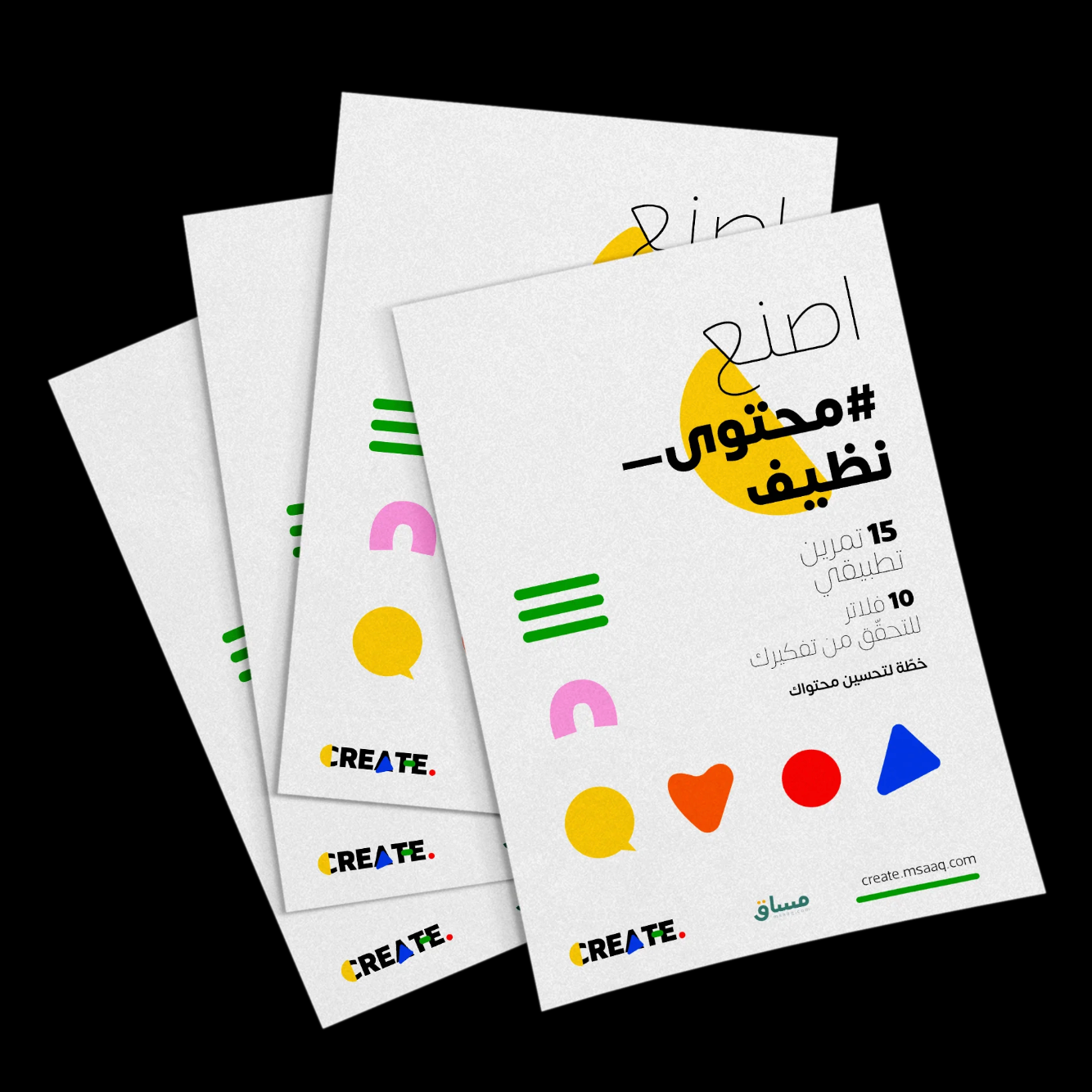
Alongside Human 2 Human, Create by H2H signals another priority: values. “Clean content” in this context reads as intentional culture-making, a belief that what we consume shapes who we become. Under CREATE., Mjd turns “clean content” into something you can actually hold and use. The Clean Content Book reads like a creative reset built to stimulate ideas that feel buried, and to turn scattered inspiration into a plan. It moves beyond motivation into method: content-creation plans, exercises that train the “muscle” of creativity, and practical prompts for handling the problems that usually stop people mid-way. In Mjd’s world, creativity isn’t a mood you wait for. It’s a system you build.
Then there is Fun Lost Club, her “child side,” a space that refuses polish as a requirement. It is where play becomes a creative tool, not a marketing aesthetic. Where the work feels spontaneous, bright, raw, and emotionally unfiltered. It sits inside her ecosystem like a reminder that experimentation is not a stage, it is a necessity. It protects the part of creativity that cannot be optimized, and it keeps the larger system from becoming too controlled.
Education is not a side lane in Mjd Jaha's practice. It’s the center of it. Again and again, her work returns to the same impulse: when people ask for a starting point, she doesn’t answer with inspiration alone. She builds structure. Books, courses, workbooks, clear steps that make creative growth feel achievable. The goal is not to keep art mysterious. The goal is to make it learnable, repeatable, and accessible for the next wave.
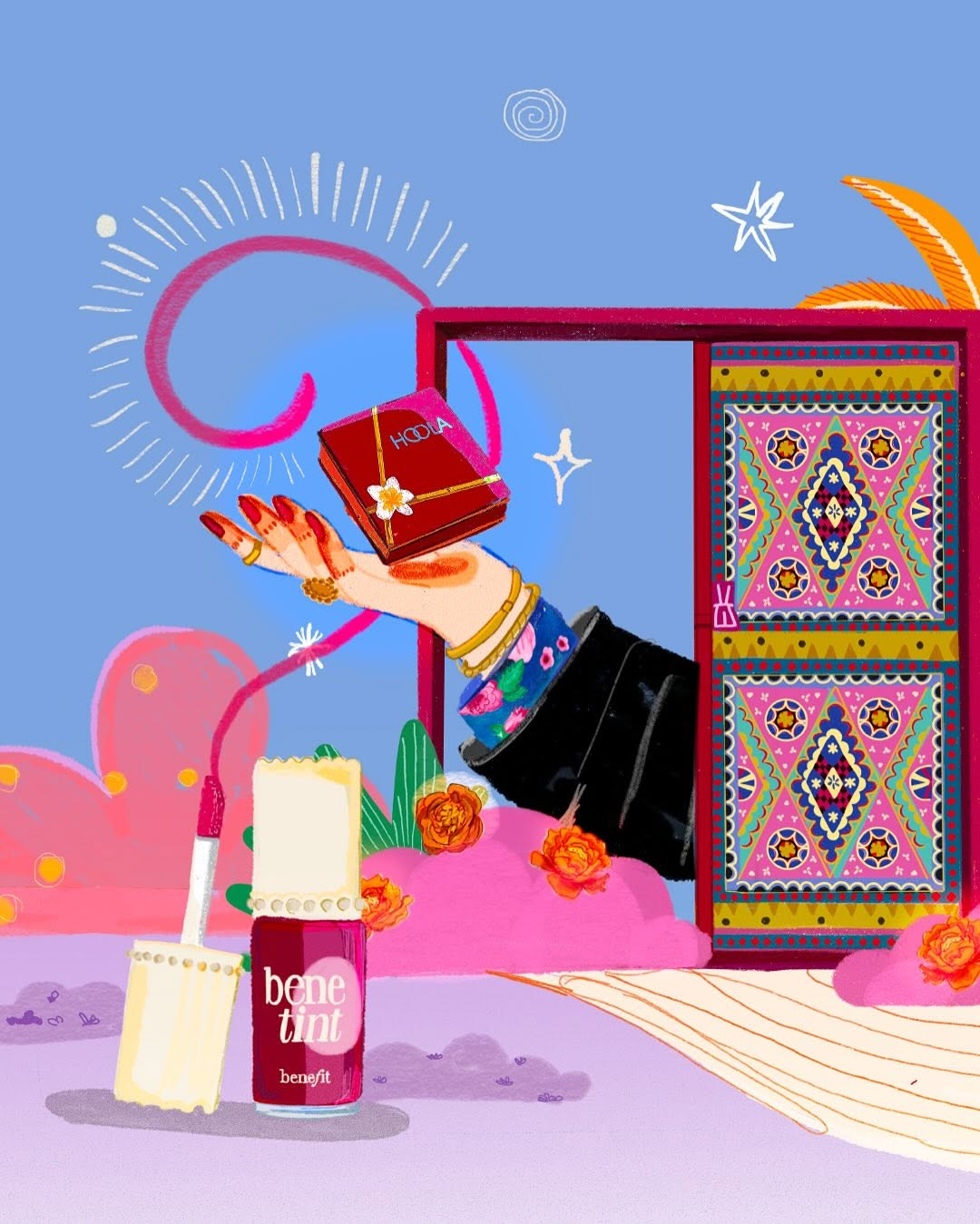
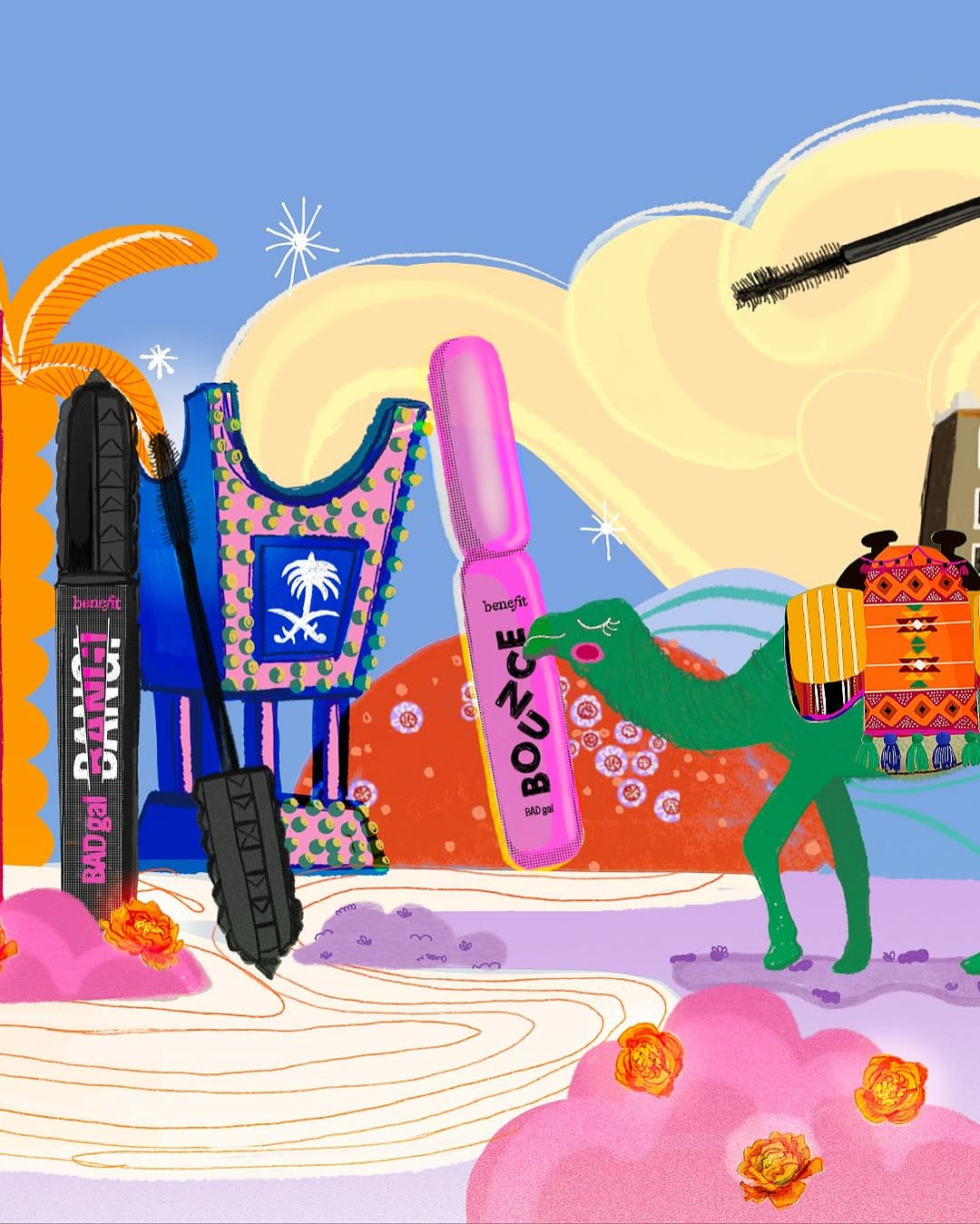
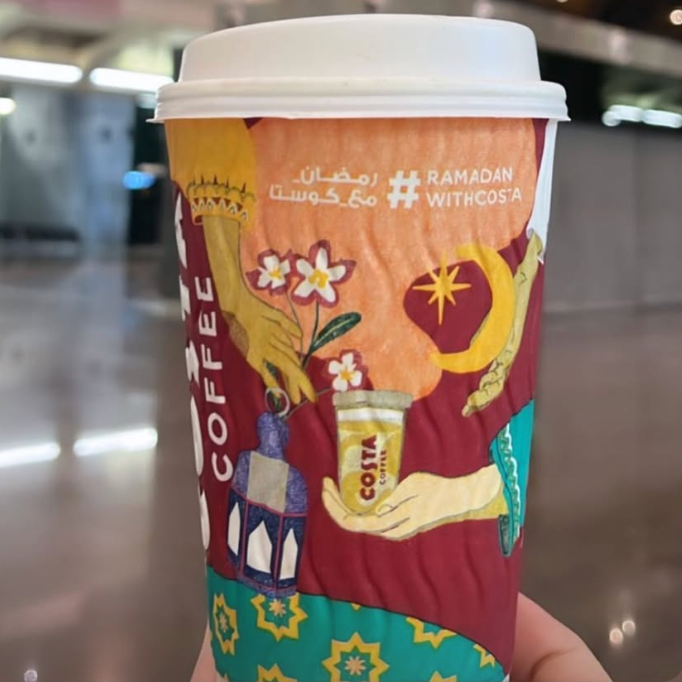
That education-first mindset also shapes how she collaborates. Her partnerships don’t read like detached campaigns. They read like her visual language expanding into real life objects and public spaces. Collaborations with brands such as Costa Coffee and Benefit Middle East show her ability to translate a concept into a widely shared experience, without losing authorship. A cup becomes a canvas people carry. A campaign becomes a small narrative. The work stays warm, symbolic, and distinctly hers. Together, these two lanes define her model: teach what you know, and choose collaborations that let your world travel further.
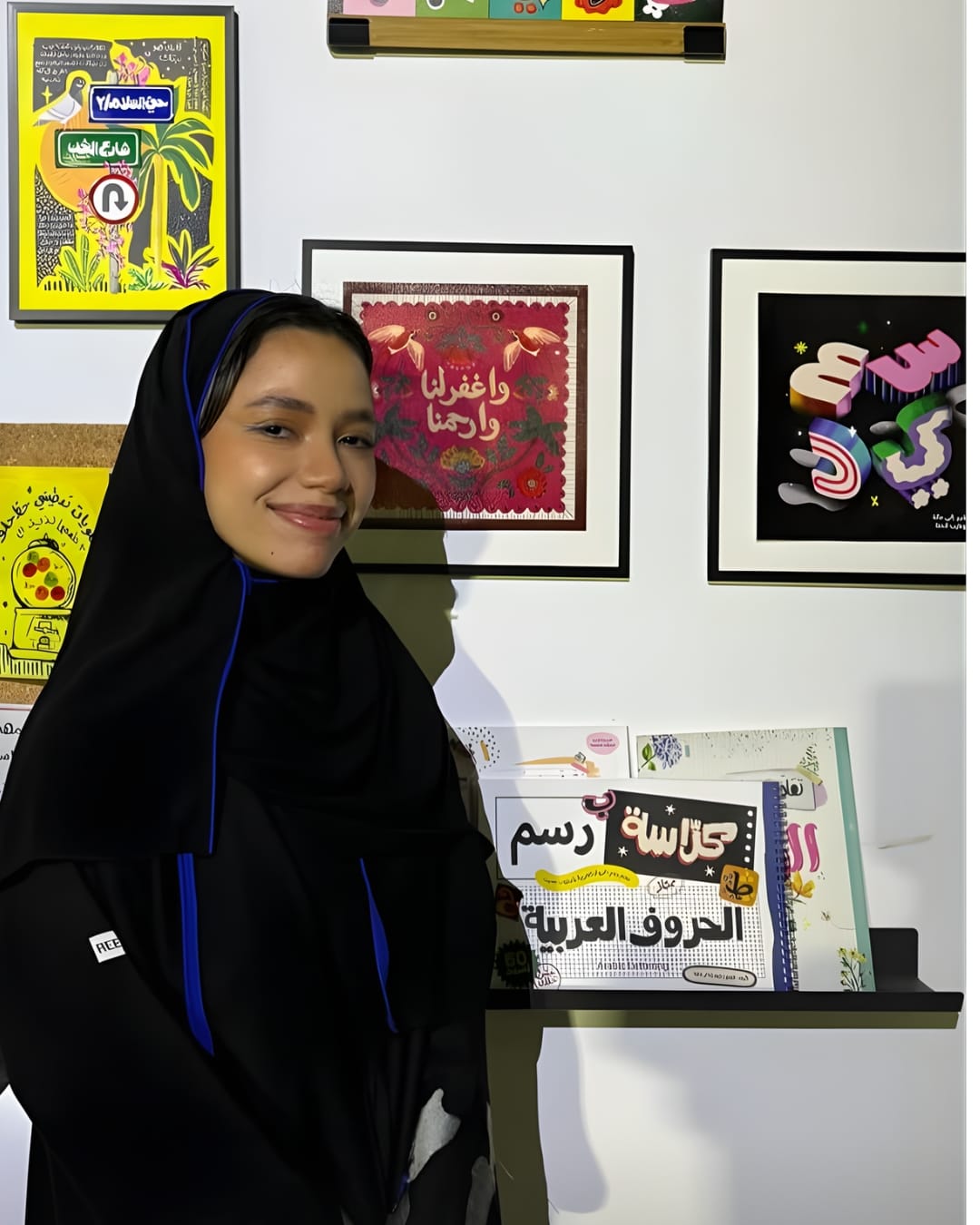
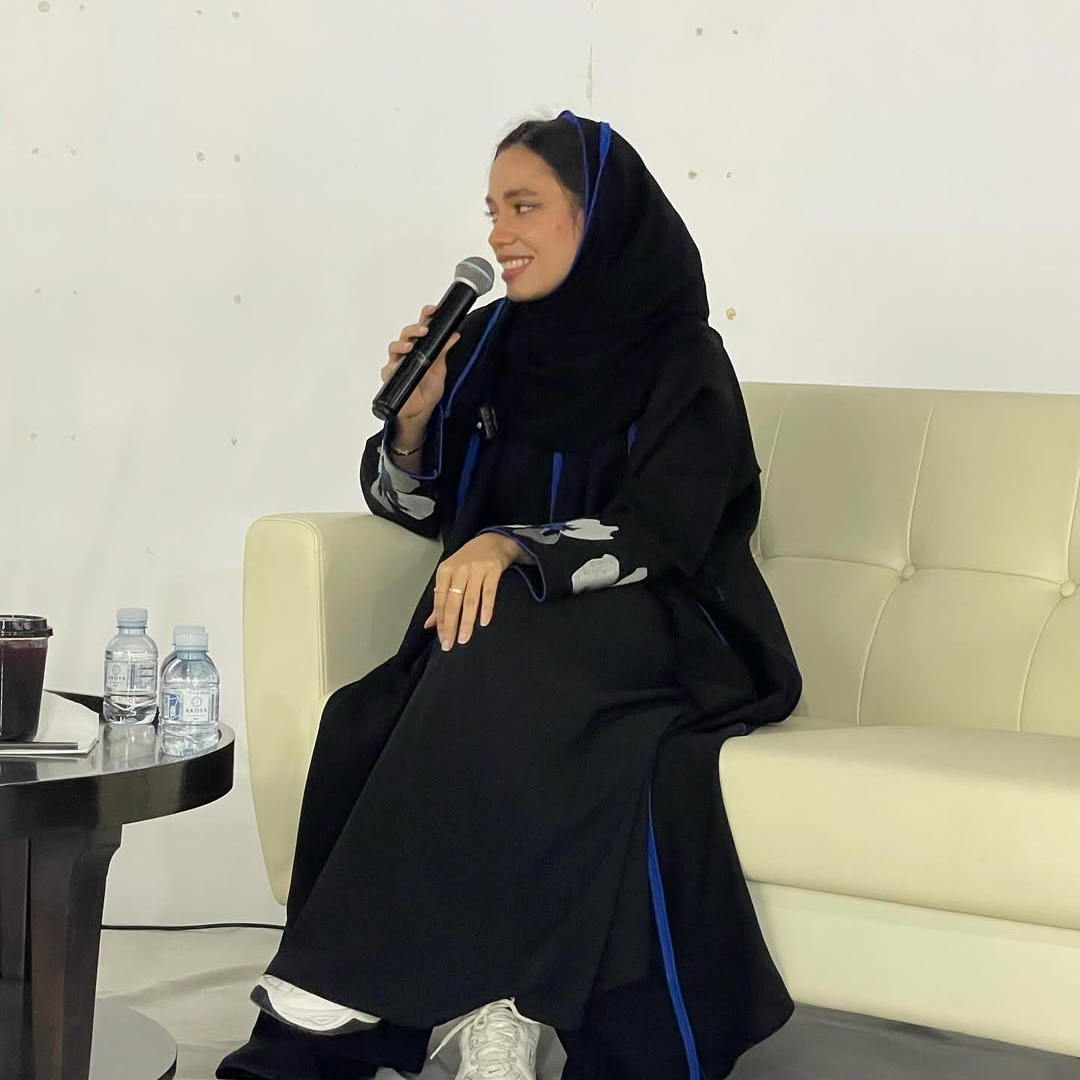
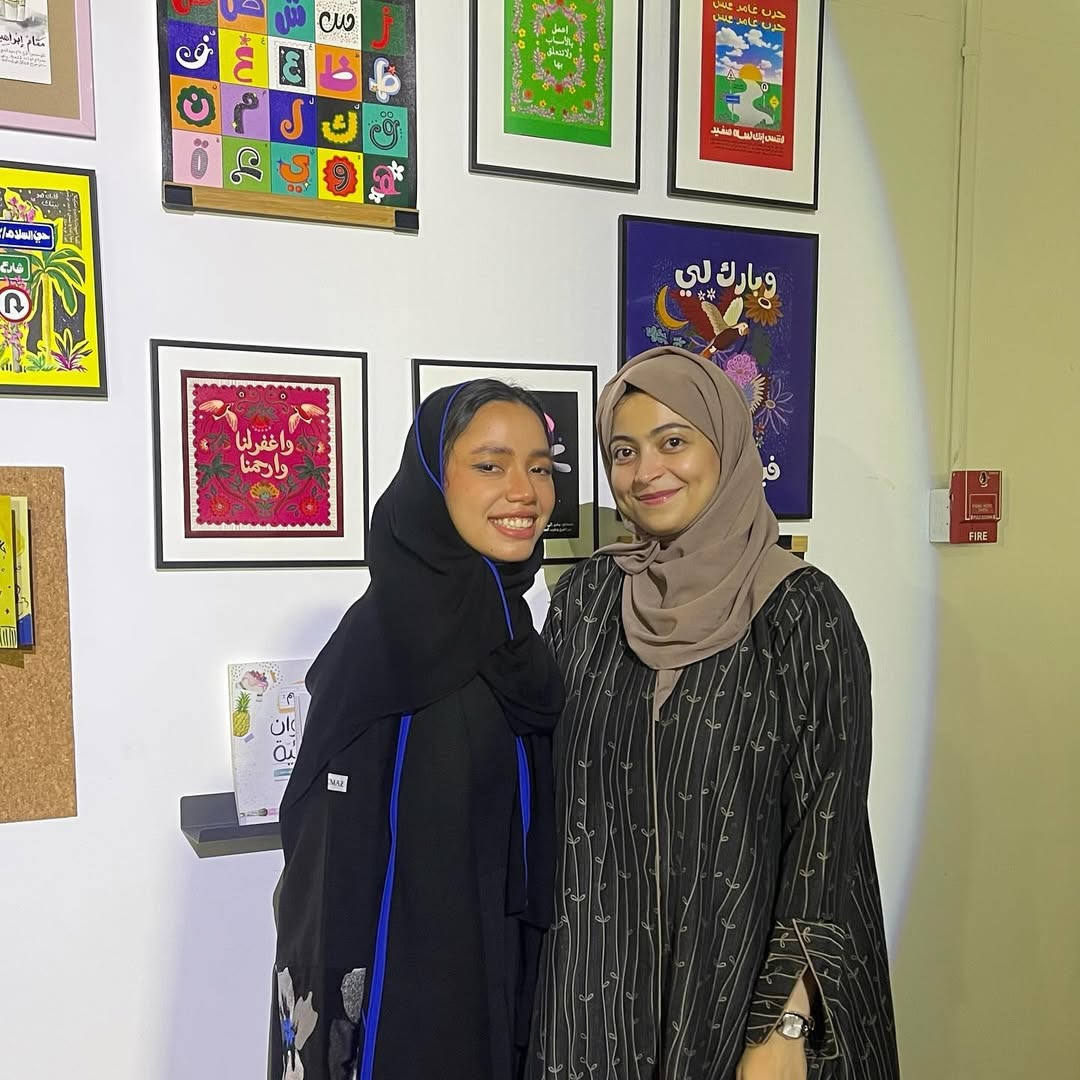
Majd doesn’t keep her work online. She brings it into real spaces through artist talks, panel conversations, and exhibitions, treating each appearance as part of the practice, not a side activity. At Ehsass Gallery, for example, she spoke openly about art, lifestyle, and how creativity can be made sustainable over time. In other exhibitions, she moved from “sharing work” to “placing work in front of people,” letting the ideas live outside the screen.
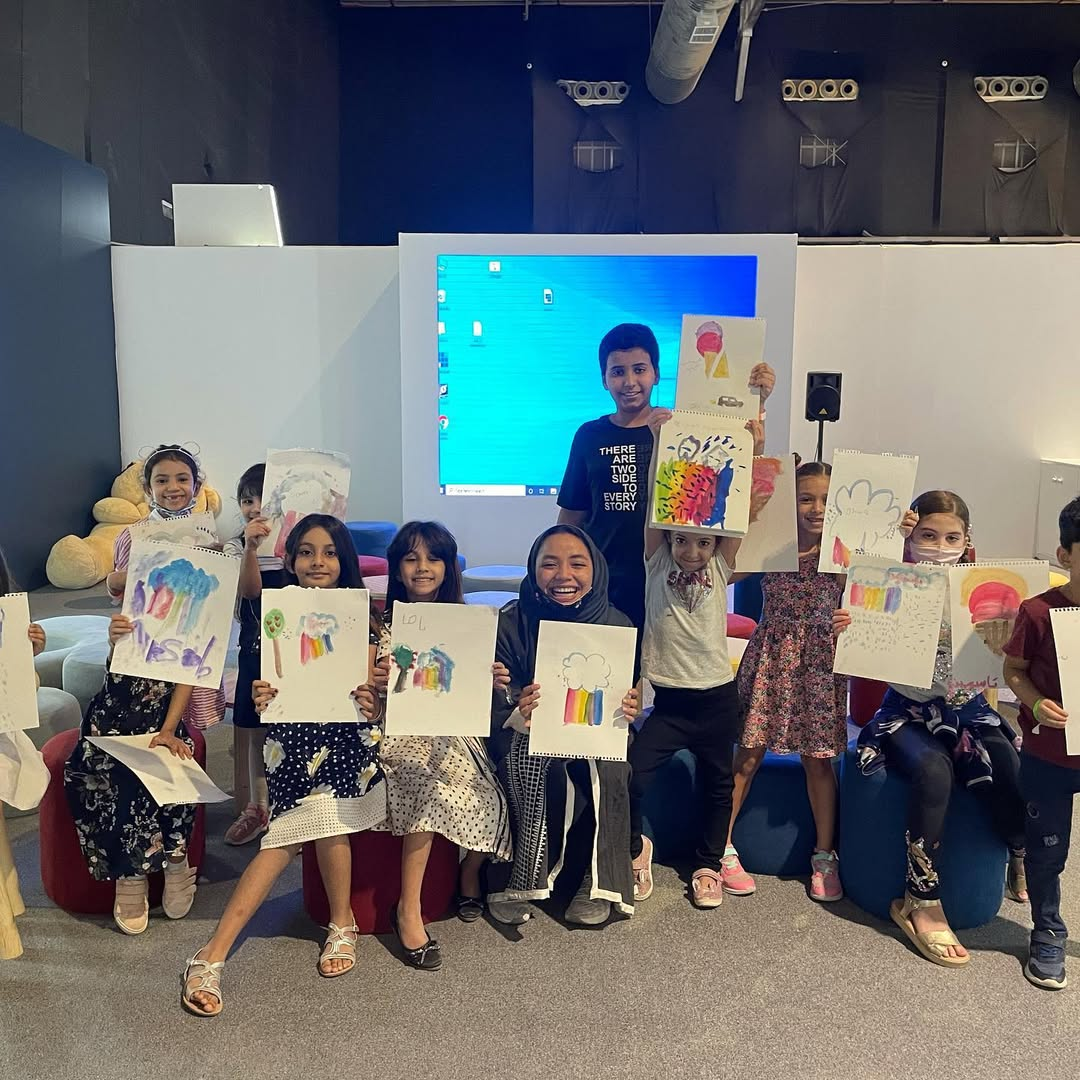
She approaches these moments with the same principle she builds everything on: presence over performance. She doesn’t present herself as an untouchable expert—she shows the process, the attempts, the edits, and what she’s learning as she goes. That public-facing approach also extends to education on the ground, including workshops delivered in collaboration with the Ministry of Culture, where her teaching becomes part of a wider cultural effort, not just personal output.
Mjd isn’t building a niche for a select few. She’s building a language that can travel. Across her ecosystem, the intention stays consistent: visuals that make emotions legible, concepts engineered to turn into lived experiences, learning tools that replace confusion with clear steps, and a protected space where play is treated as a serious creative resource.
Put together, it reads less like a personal brand and more like a designed world, one that expands quietly but leaves a real imprint.
Explore more artist stories that shape Saudi culture at KSA Art.