Diriyah Contemporary Art Biennale 2026: A Preview Before the Doors Open
Diriyah Contemporary Art Biennale 2026 runs Jan 30 to May 2 in JAX District. Theme, directors, what to see, and why it matters in Saudi Arabia's art season.

Diriyah Contemporary Art Biennale 2026 runs Jan 30 to May 2 in JAX District. Theme, directors, what to see, and why it matters in Saudi Arabia's art season.
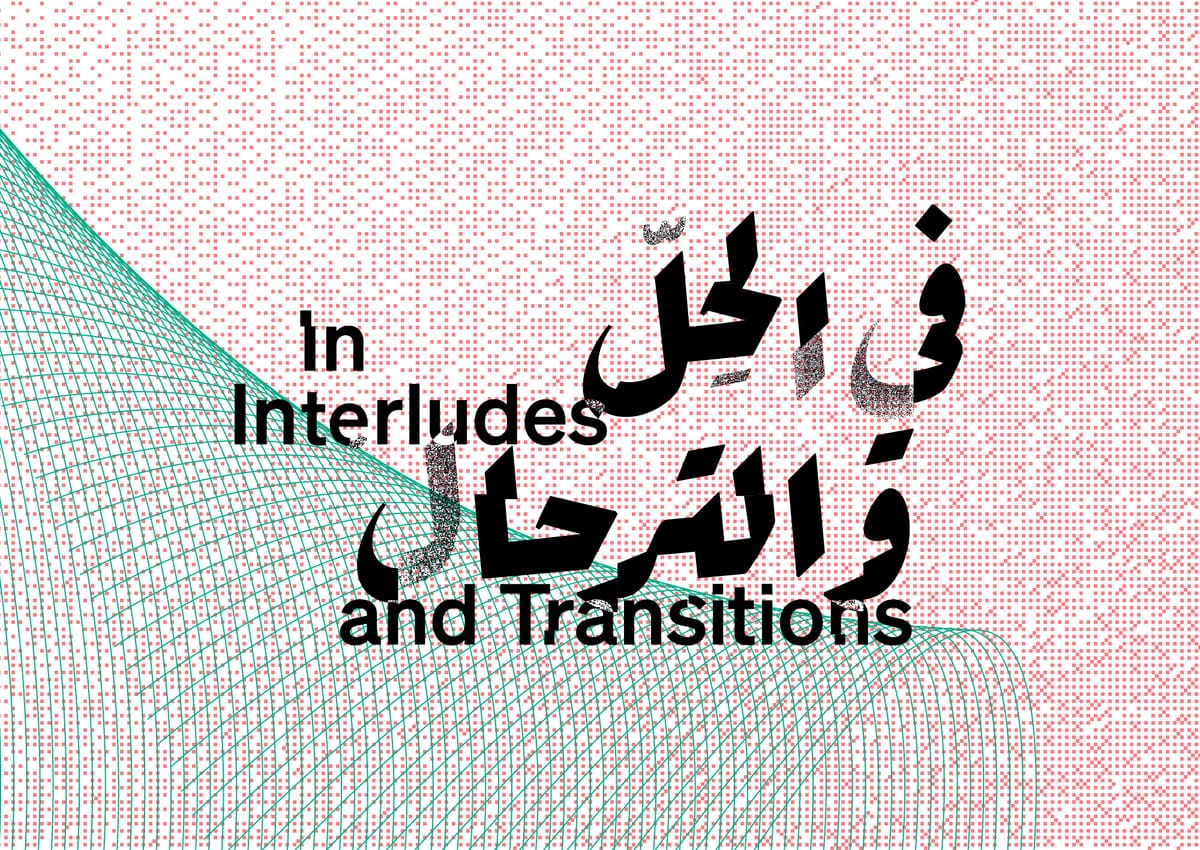
If you’ve been feeling like Saudi’s art calendar is shifting into a new gear, here’s the next major moment to mark. Diriyah Contemporary Art Biennale 2026 is officially set for January 30 to May 2, 2026, bringing the Kingdom’s biggest contemporary art platform back to JAX District in Diriyah for a long season of exhibitions, commissions, sound, and performance. This is the third edition, and it’s built around a theme that feels both deeply local and globally legible: what it means to live between departures and arrivals.
Diriyah Contemporary Art Biennale is a large scale, international contemporary art exhibition produced by the Diriyah Biennale Foundation. It gathers artists across generations and geographies, and presents work across multiple formats: installation, painting, film, sound based art, performance, and research driven practices.
This is not a one room exhibition. It’s a multi venue experience designed to be visited more than once, especially since the Biennale runs for just over three months and includes new commissions and programming throughout the season.
January 30, 2026 to May 2, 2026.
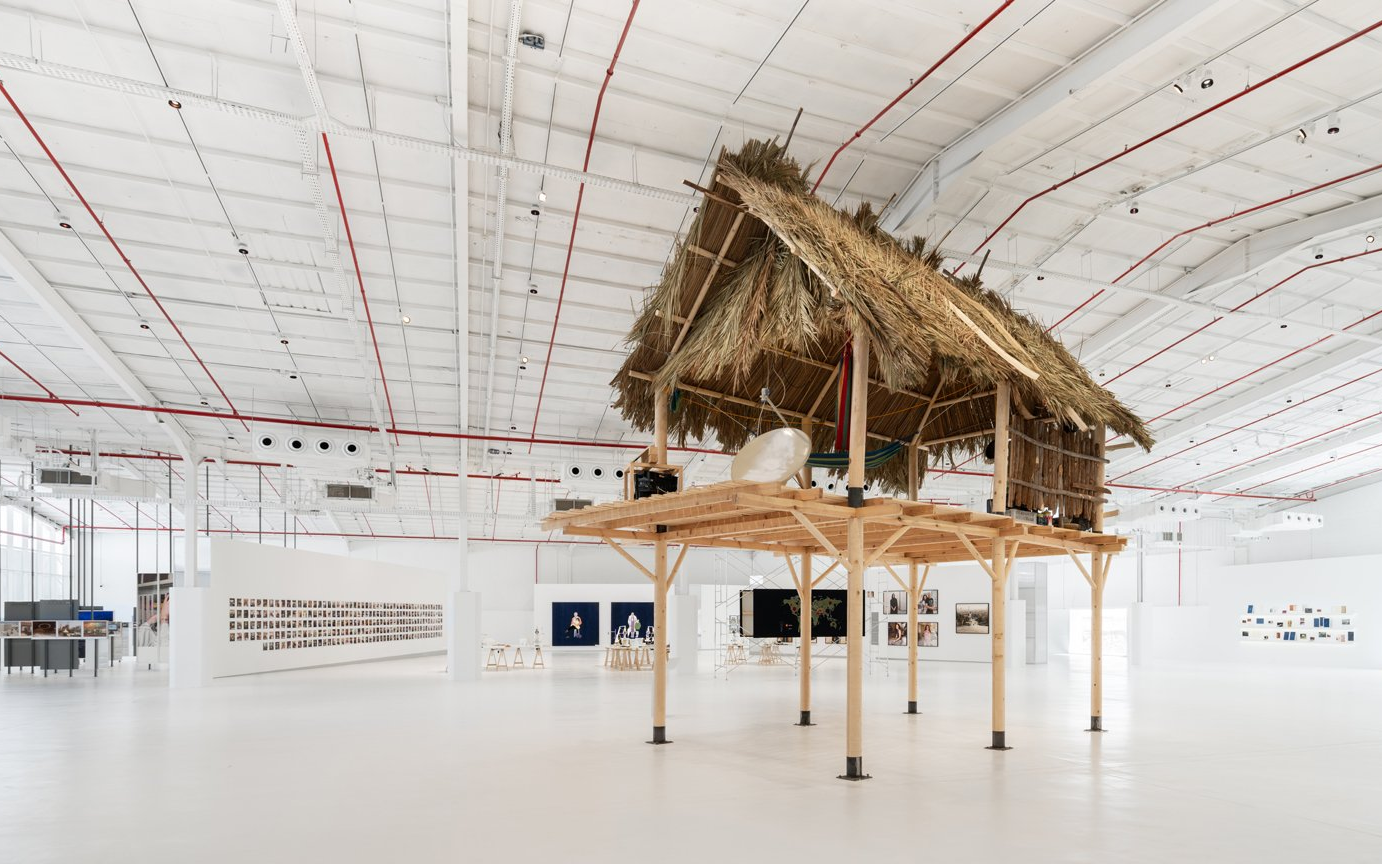
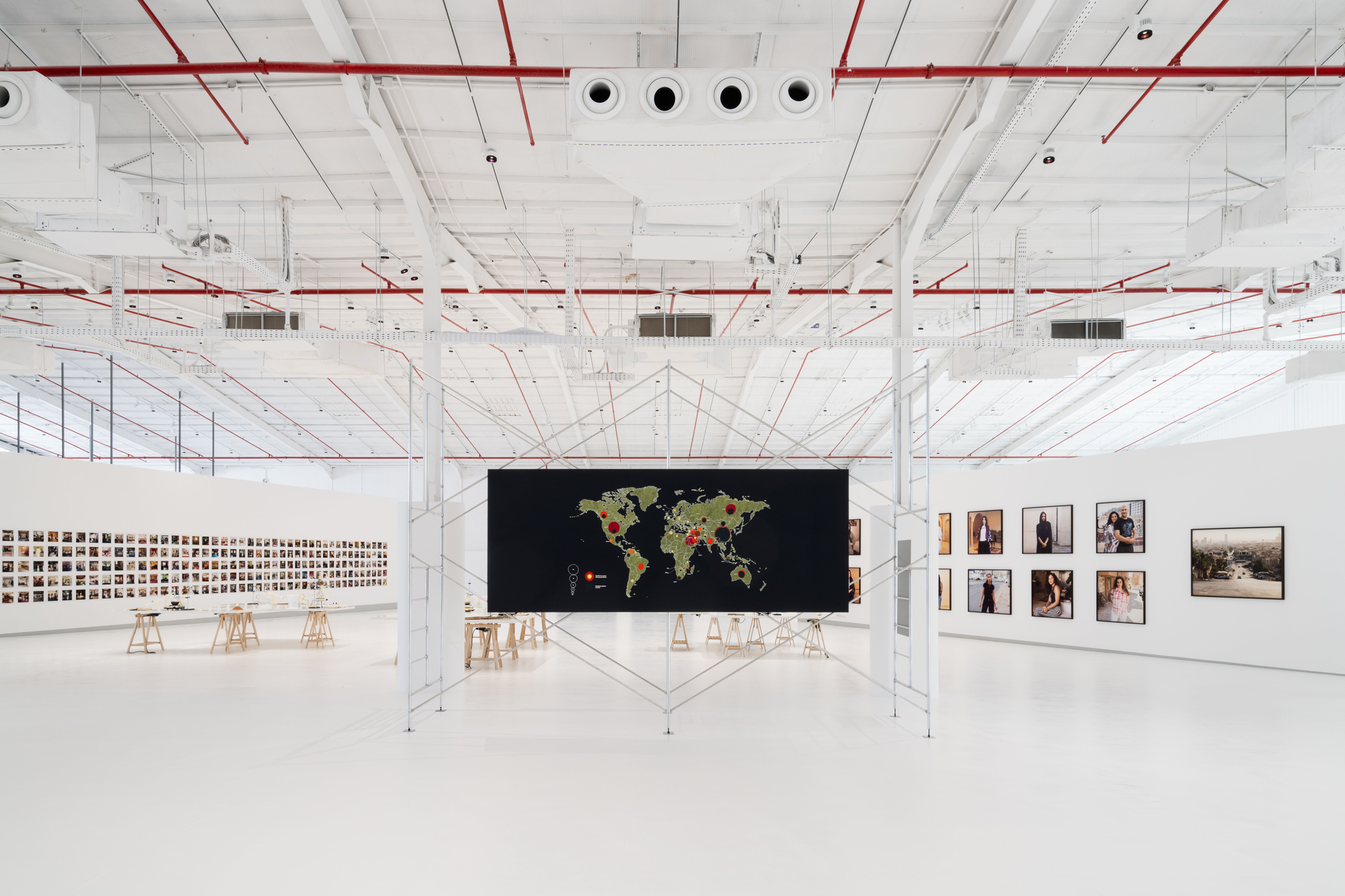
The Biennale takes place at JAX District in Diriyah, northwest of Riyadh. JAX is important to the experience because it’s not a conventional museum setting. It’s a creative district with industrial architecture, studios, and large scale spaces that can handle ambitious installations and performances. For 2026, the Foundation has also signaled activations that extend into newly opened parts of the district, meaning the Biennale is meant to feel embedded in the area, not just hosted by it.
The 2026 theme is "In Interludes and Transitions (في الحِلّ والترحال)". The title comes from a colloquial phrase associated with the cycles of travel and settling in nomadic communities of the Arabian Peninsula. In a Biennale context, it becomes a wider curatorial idea: how culture moves, how people move, how memory moves, and what happens in the in between moments.
The official framing leans into movement as more than physical travel. It’s also about shifting identities, ecological change, spiritual time, technological acceleration, and what it means to exist in a world shaped by constant passage. In other words, this edition isn’t asking you to look at “a destination.” It’s asking you to feel the journey.
Every Biennale has a mood, and the mood is set by the people building it.
Nora Razian and Sabih Ahmed lead the 2026 edition as Artistic Directors. Their appointment signals an edition shaped by research, discourse, and cross disciplinary thinking, especially around how contemporary art now overlaps with sound, performance, archives, and lived experience.
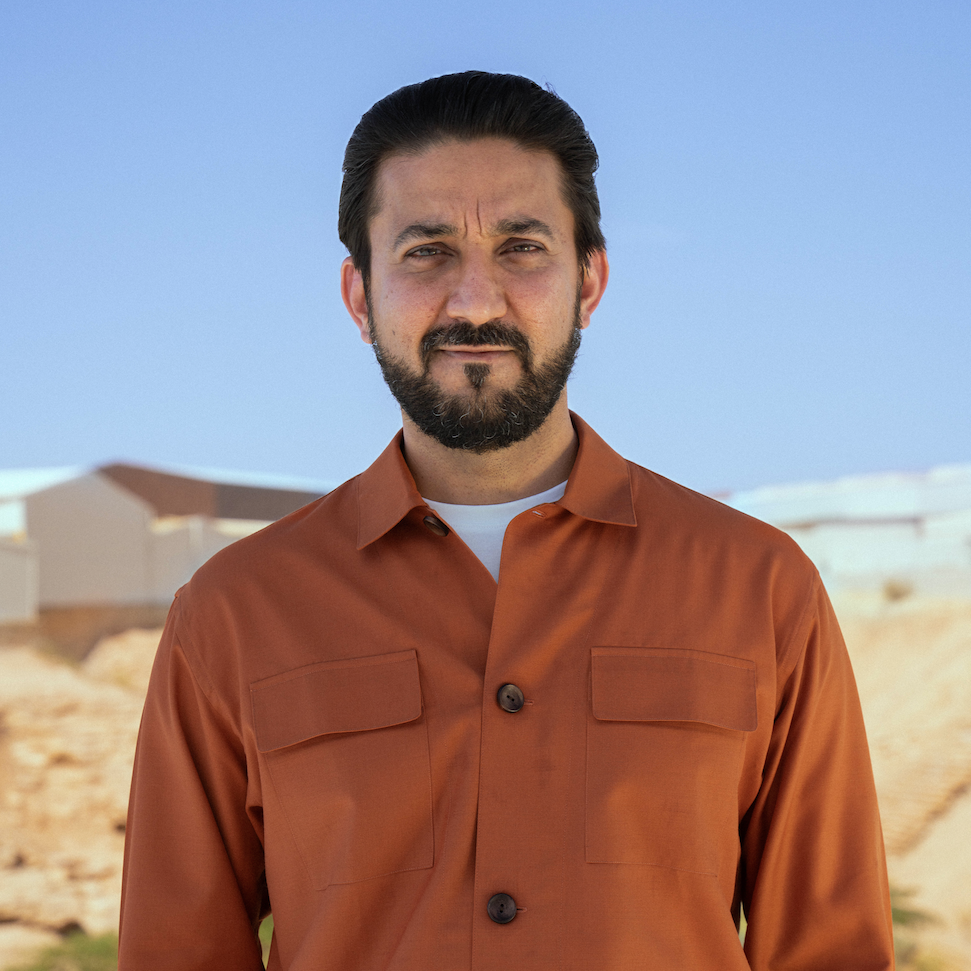
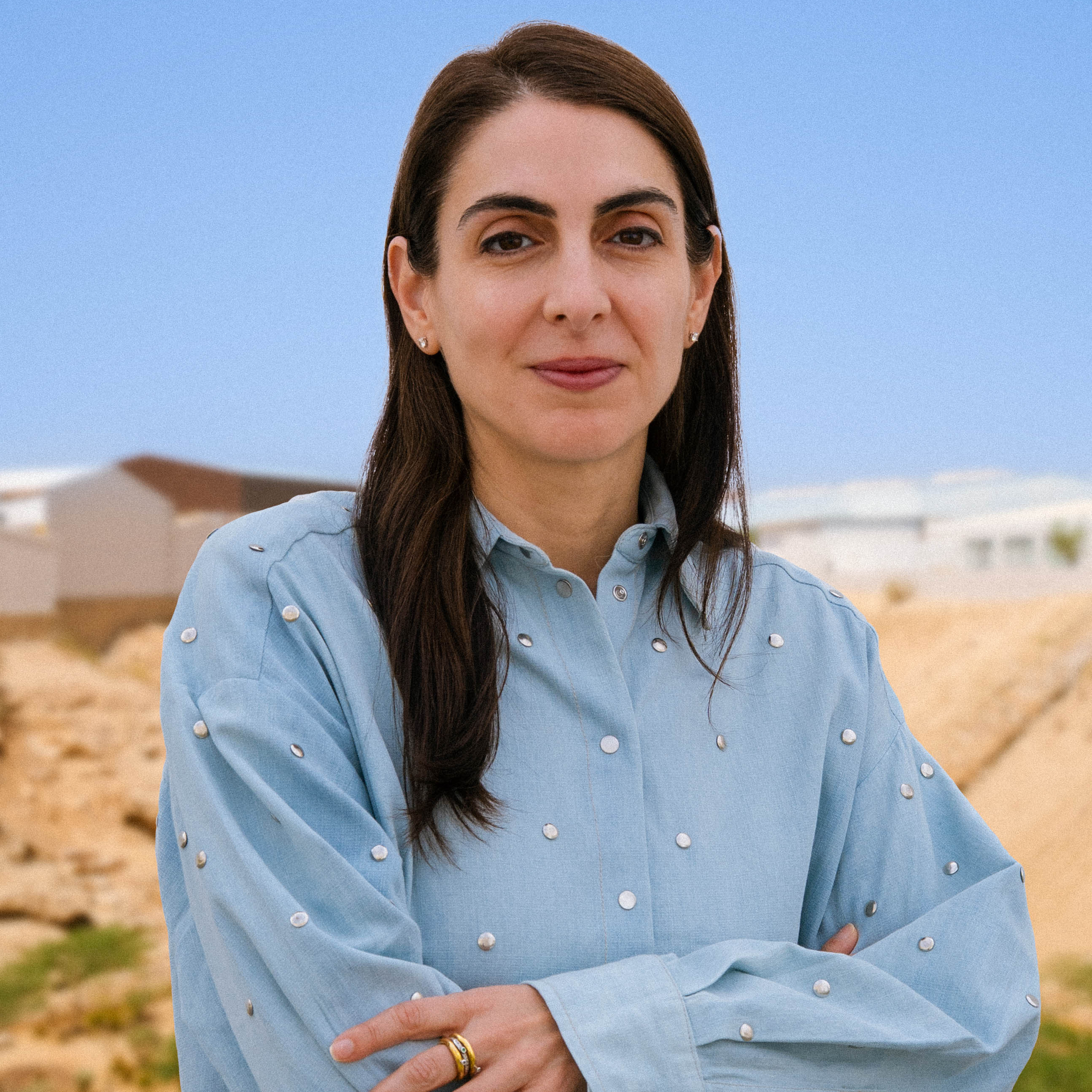
The curators for the Biennale are:
The mix suggests an exhibition with a genuinely international curatorial language, but one that can still hold regional specificity without turning it into a theme park version of identity.
A lot of people search Biennales in a practical way: what will I actually experience when I go? Here’s what’s most distinctive about this edition based on the official concept and structure.
One of the clearest signals from the Foundation is that the Biennale places sound based work alongside visual art, music, and performance. That’s a big deal because it changes how you move through the exhibition.
If you usually move fast through exhibitions, this Biennale seems designed to slow you down.
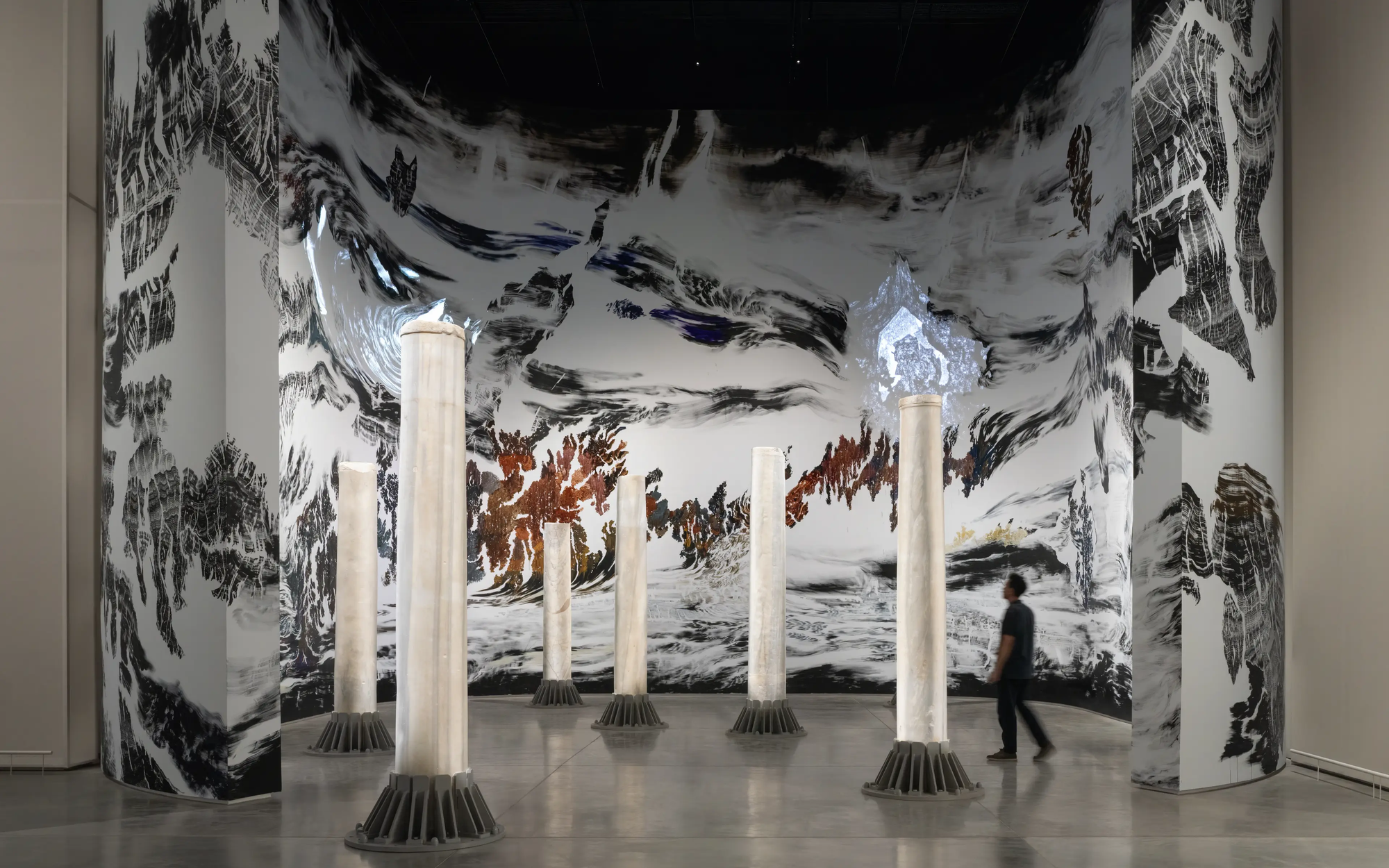
The 2026 edition includes more than 22 new commissions. That usually means site responsive work, new pieces created for Diriyah specifically, and artists producing projects that may not exist again in the same form.
If you want the must see works, the commissions are often where you’ll find them.
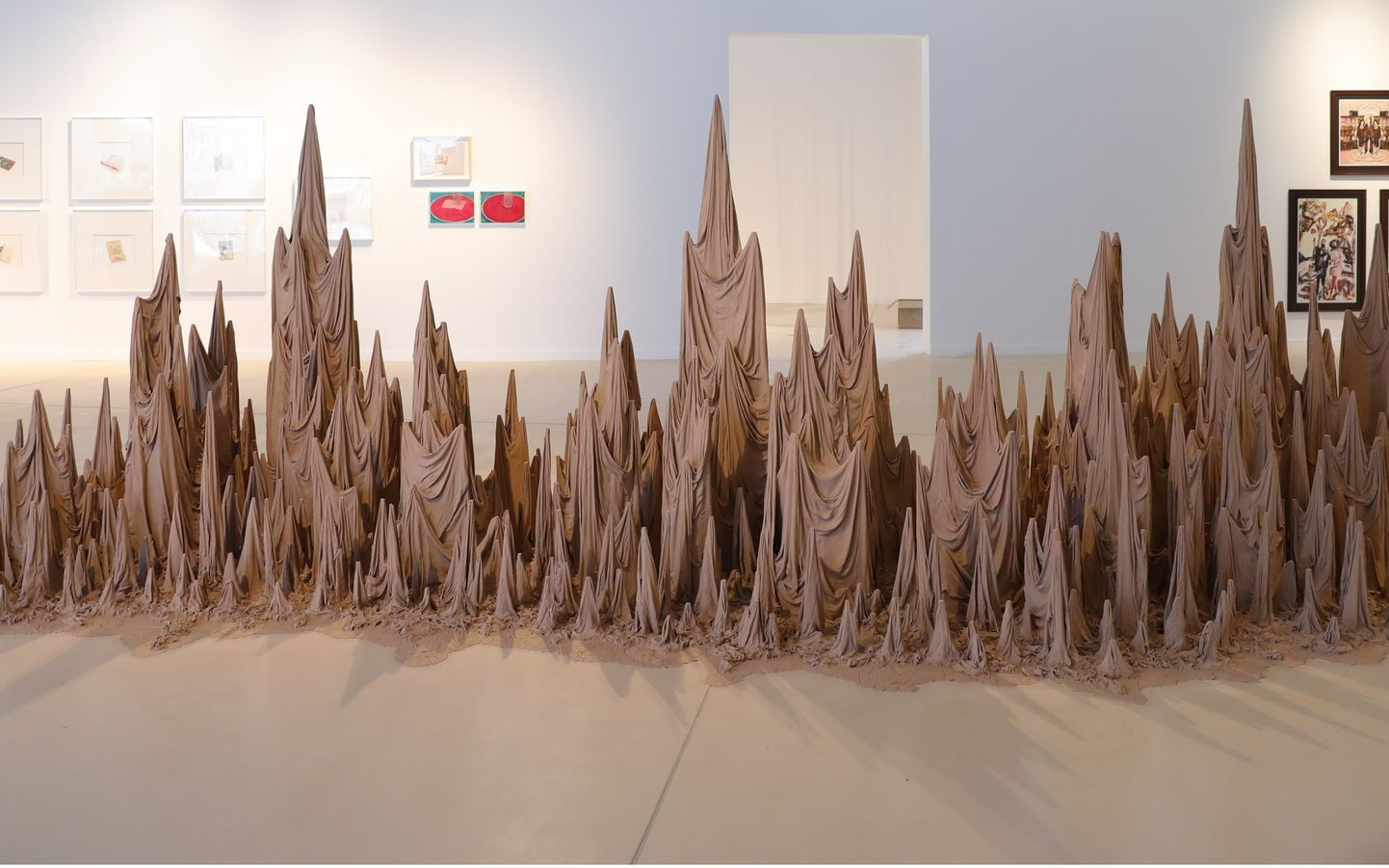
Because the Biennale runs from late January to early May, it’s not just something you visit once. It’s something you return to, especially if there are performances, sound activations, and public programs that evolve over time.
This also makes it one of the most accessible major art events in the region, simply because you have time.
The official numbers paint a picture of scale:
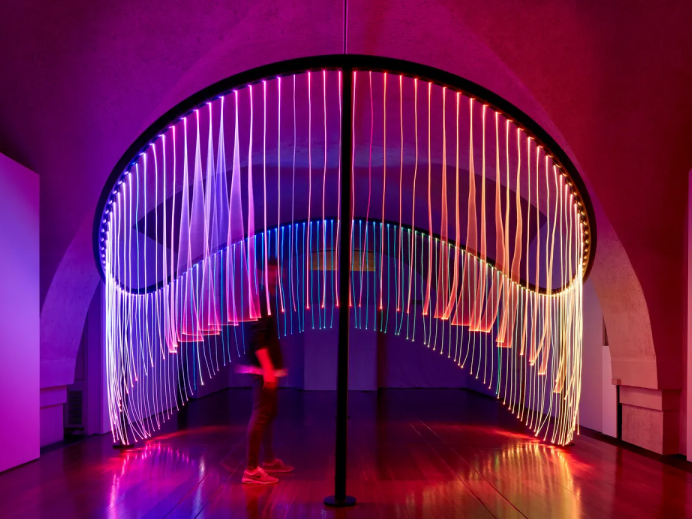
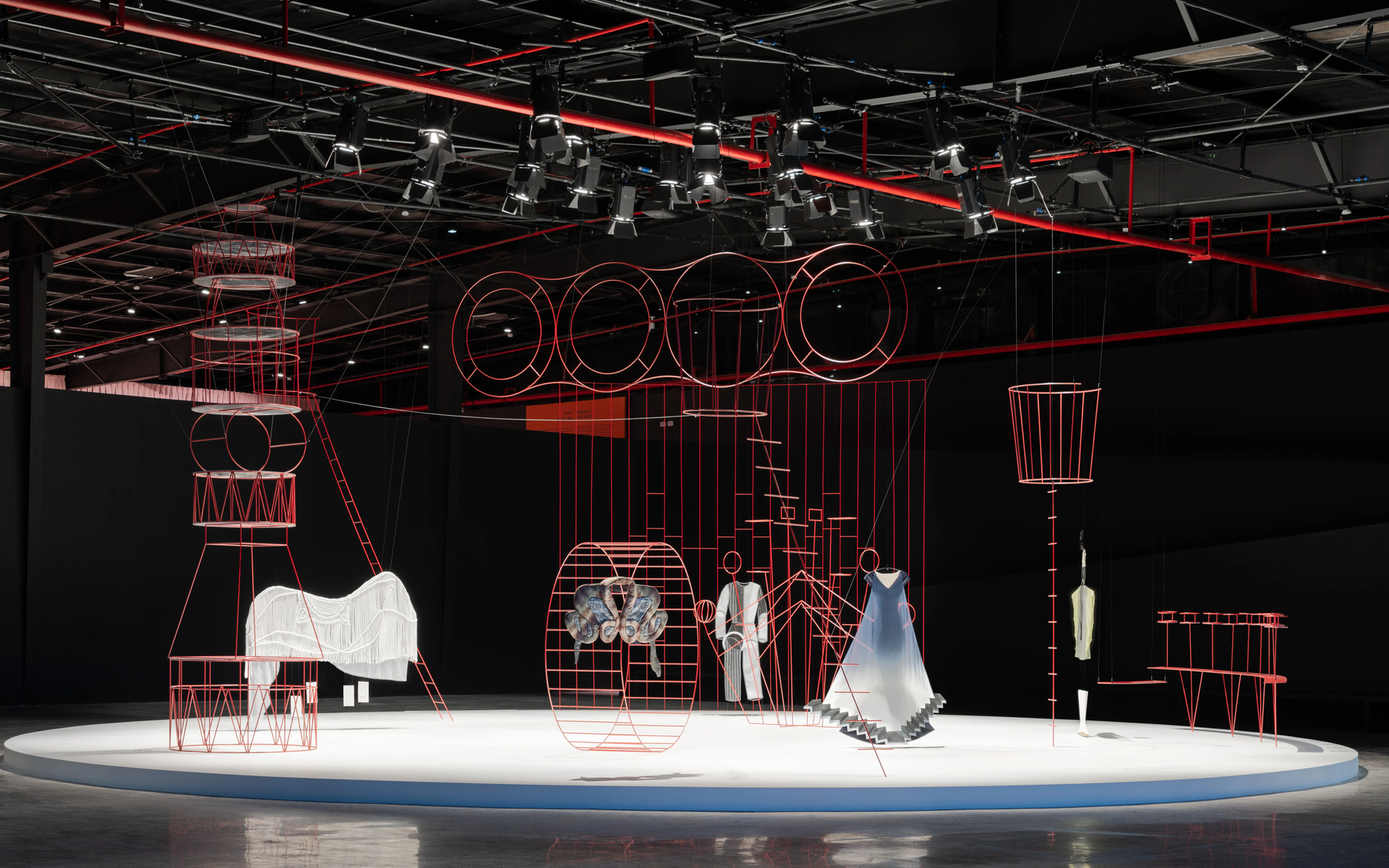
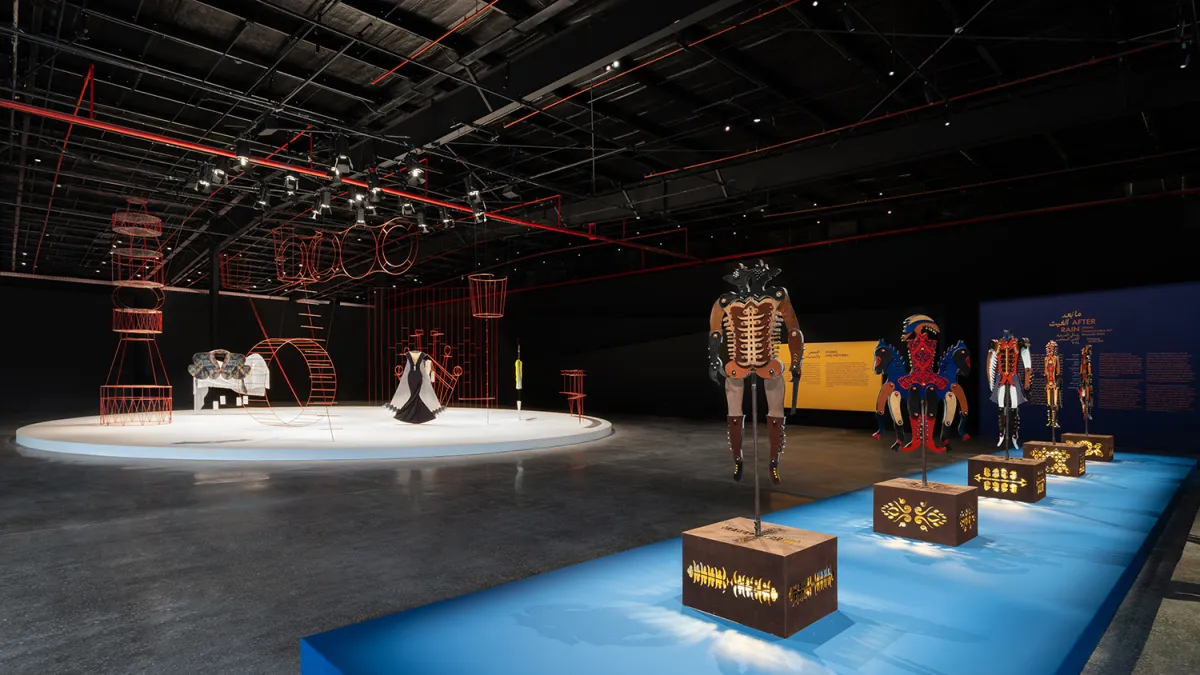
If you’ve ever walked through a Biennale and felt like the exhibition itself has a “narrative,” that’s often scenography at work. For 2026:
This is one of the most interesting signals for visitors because it suggests the Biennale won’t feel like a simple sequence of rooms. It may feel like a designed journey through atmosphere, rhythm, and spatial storytelling, which pairs perfectly with the theme of transitions.
The Biennale is listed as free admission, with on site parking and food and beverage available. This matters because it changes how people actually engage. A free, multi month Biennale encourages repeat visits, casual drop ins, and more community energy rather than a one time tourist event.
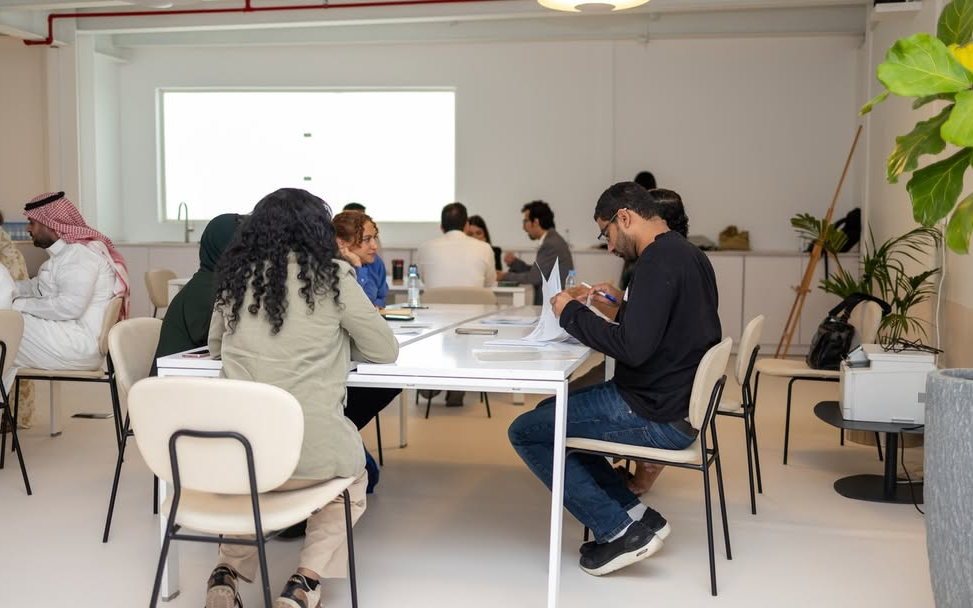
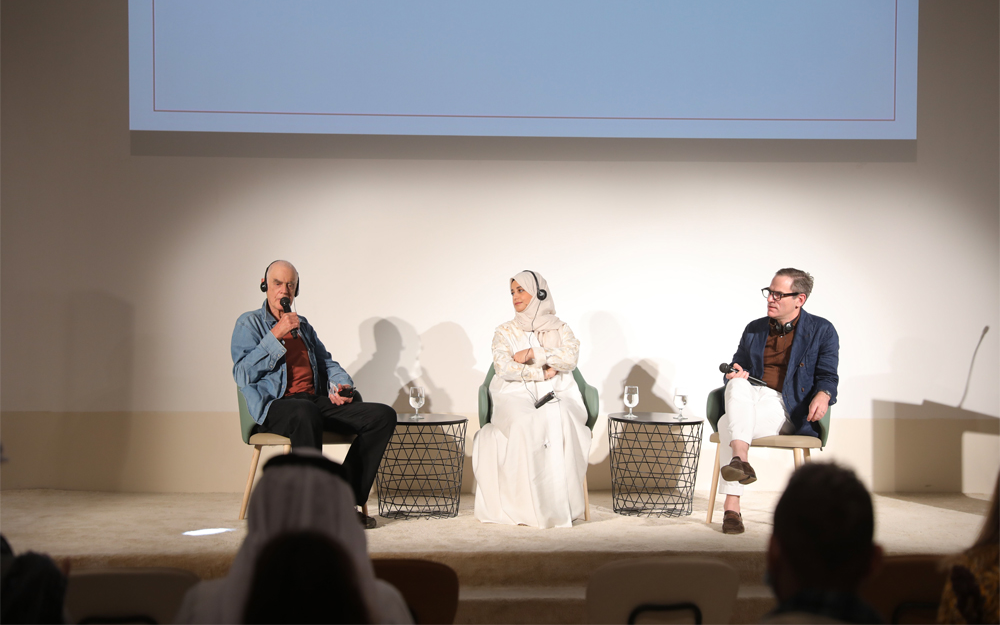
Biennales are rarely just exhibitions now. They’re ecosystems. DBF’s programming formats across their events include things like labs, talks, research rooms, and workshops, and the Biennale’s page already reflects activity in JAX in the lead up period.
If you’re a student, artist, curator, or cultural writer, the public programs are often where the most interesting conversations happen. They’re also where you catch emerging voices before they become “the headline.”
Diriyah Biennale has quickly become one of the region’s most visible contemporary art platforms, and 2026 feels poised to deepen that identity. Not because it’s bigger for the sake of being bigger, but because the concept is emotionally intelligent.
In Interludes and Transitions isn’t a trendy theme. It’s a lived condition in Saudi Arabia right now, in the Gulf, and globally. People are moving. Cities are evolving. Culture is being rewritten in real time. And art is one of the few spaces where that complexity can be held without being simplified. This edition feels like it will reward anyone who comes with curiosity, not just a checklist.
Diriyah Contemporary Art Biennale 2026 runs January 30 to May 2, 2026 at JAX District, Diriyah.
Discover more cultural coverage and artist stories at KSA Art.