An Artist in Dialogue: Noor Hisham AlSaif
Discover the journey of Saudi artist Noor Hisham Alsaif, from abaya design to film criticism, and how faith and conviction turned creativity into a lifelong dialogue.

Discover the journey of Saudi artist Noor Hisham Alsaif, from abaya design to film criticism, and how faith and conviction turned creativity into a lifelong dialogue.
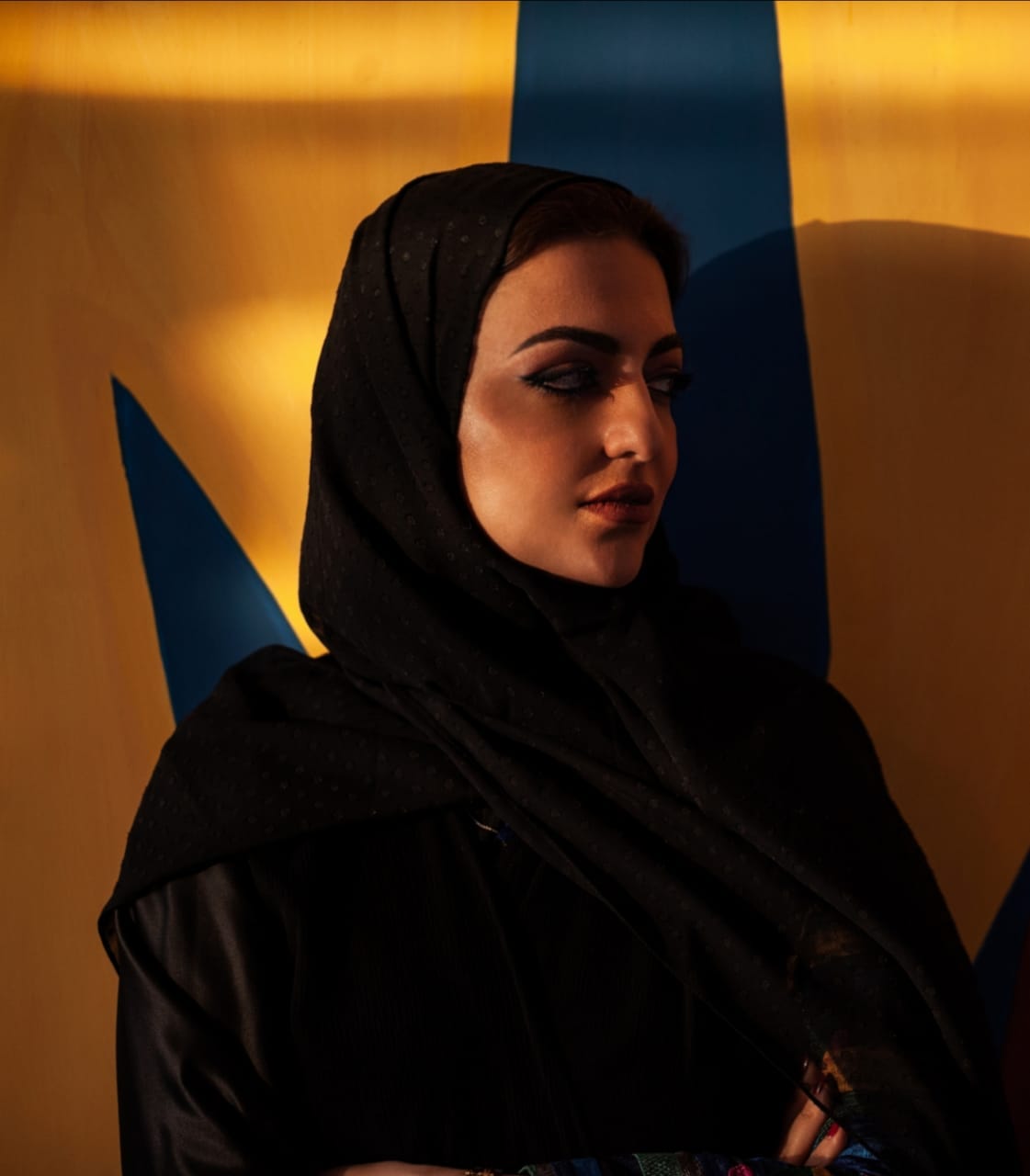
“Paint because you believe, not because you plan who will watch.”
With over fifteen years of professional practice, cross-disciplinary Saudi artist and film critic Noor Hisham Alsaif has built a journey that bridges fashion, fine art, and film. Her voice is that of conviction: shaped by resistance, discovery, and a belief that creativity finds its path when it’s sincere.
Q: What came first for you creatively?
Noor: After graduating from King Saud University with a degree in Art Education, I enrolled in oil painting courses at the Skills and Arts Institute, founded by Princess Adhwaa Al Saud. Then I pursued a diploma in interior design. That period was about searching. Riyadh’s art scene wasn’t open to women then, so I explored wherever creativity could find space.
Q: You also worked in abaya design. How did that influence your later art?
Noor: I practiced abaya design for about a year, but it taught me to work with limitation. To speak through fabric, silhouette, and subtlety. Around the same time, I started experimenting with alternative materials like Turkish coffee. I was trying to find my language, even if I didn’t yet have a studio or a platform.
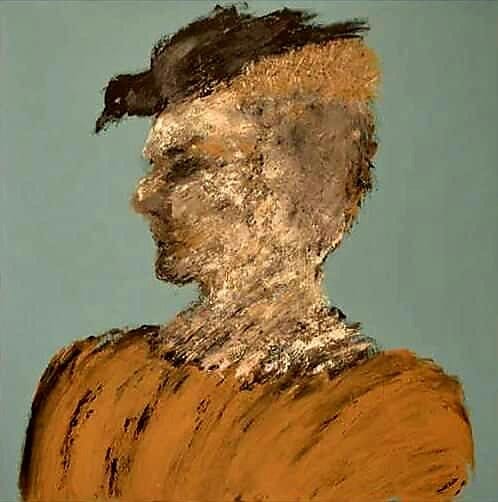
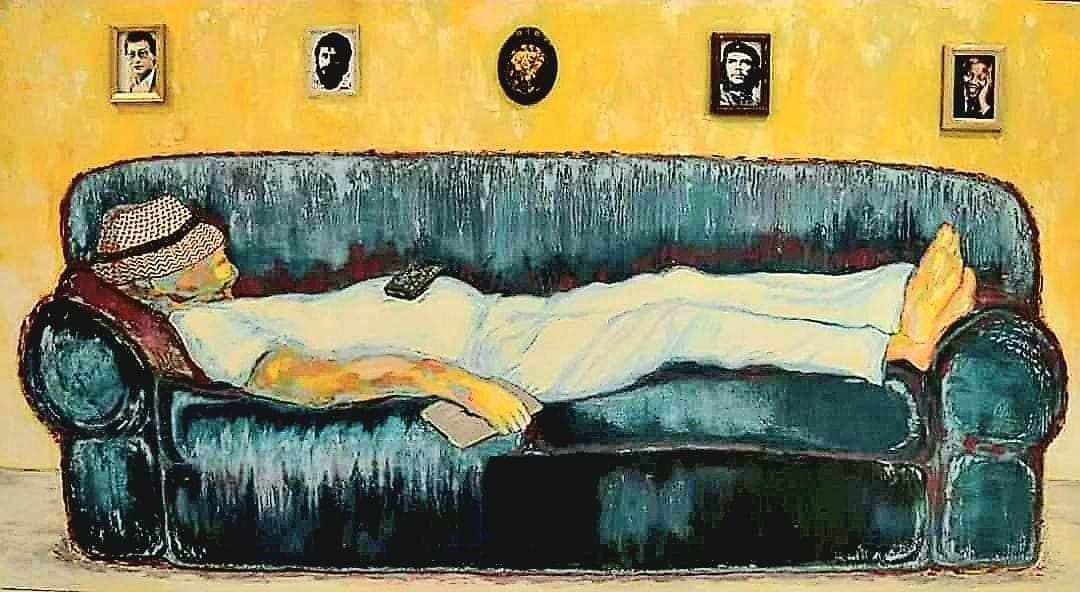
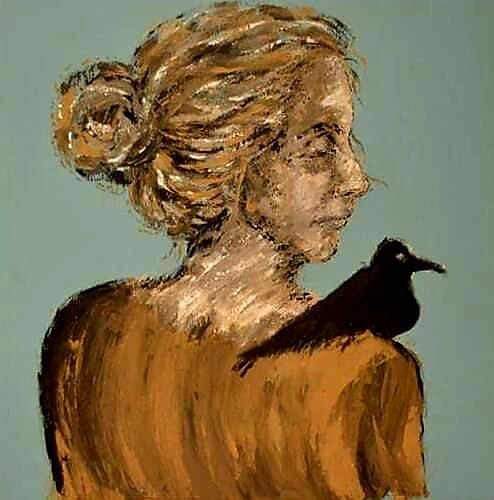
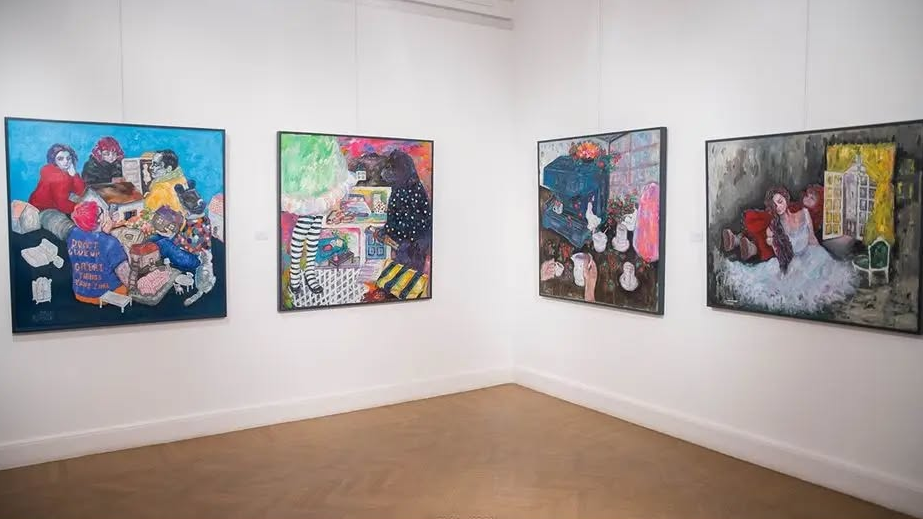
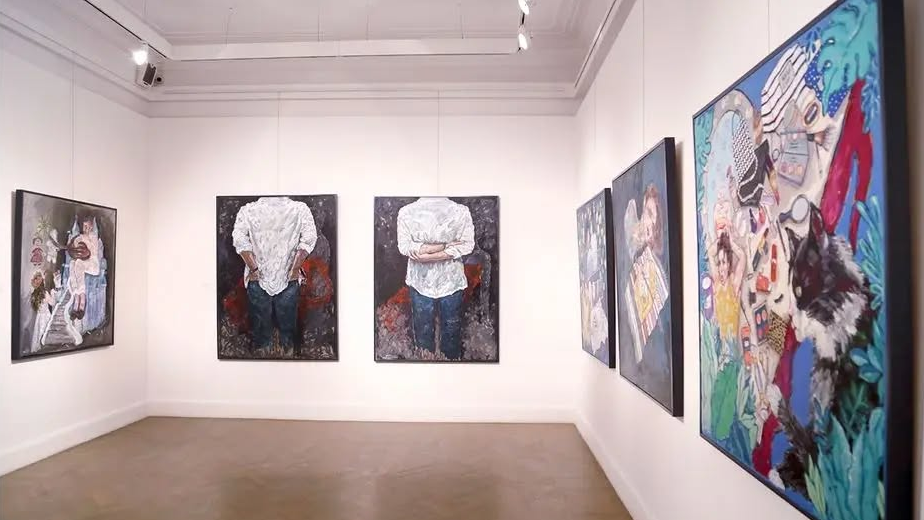
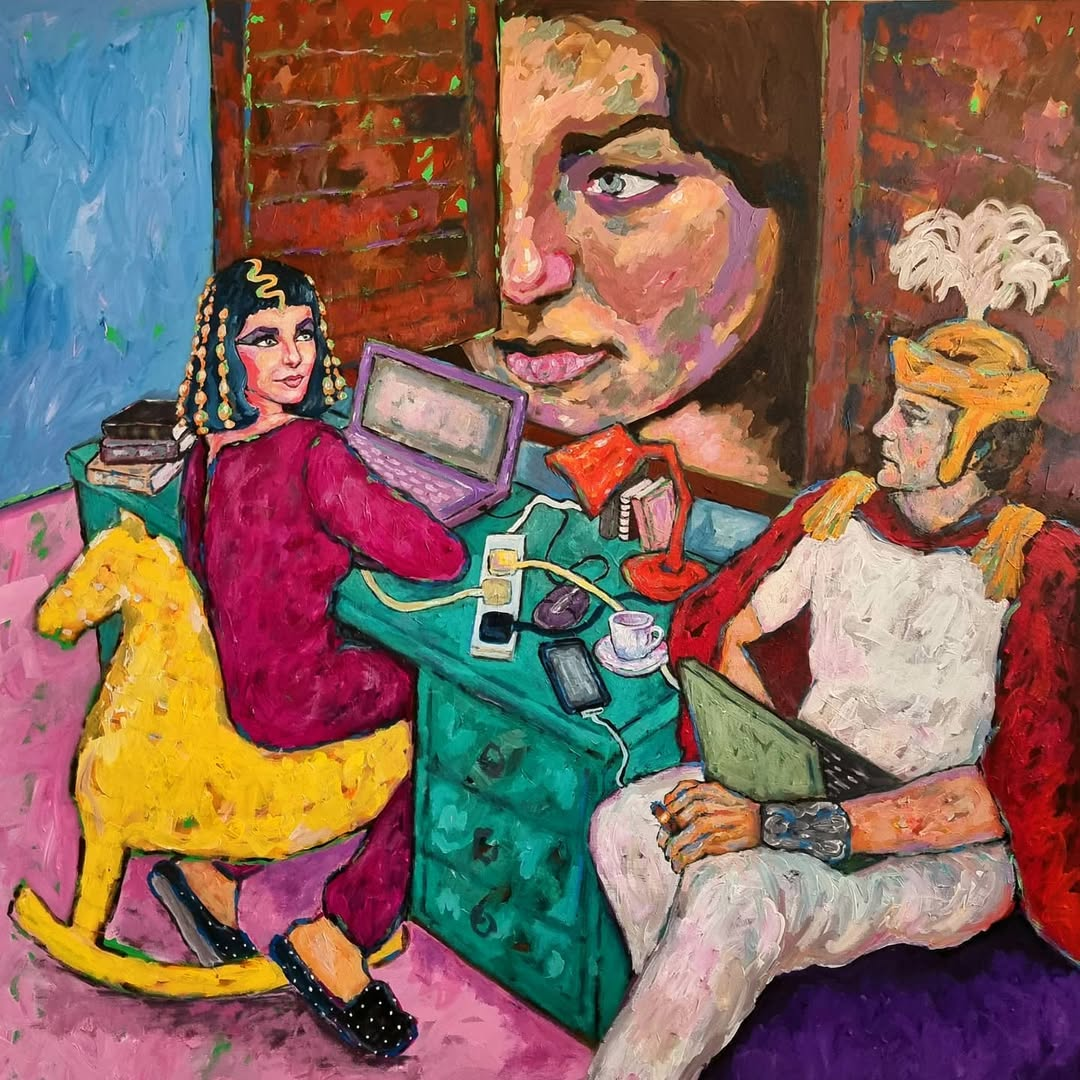
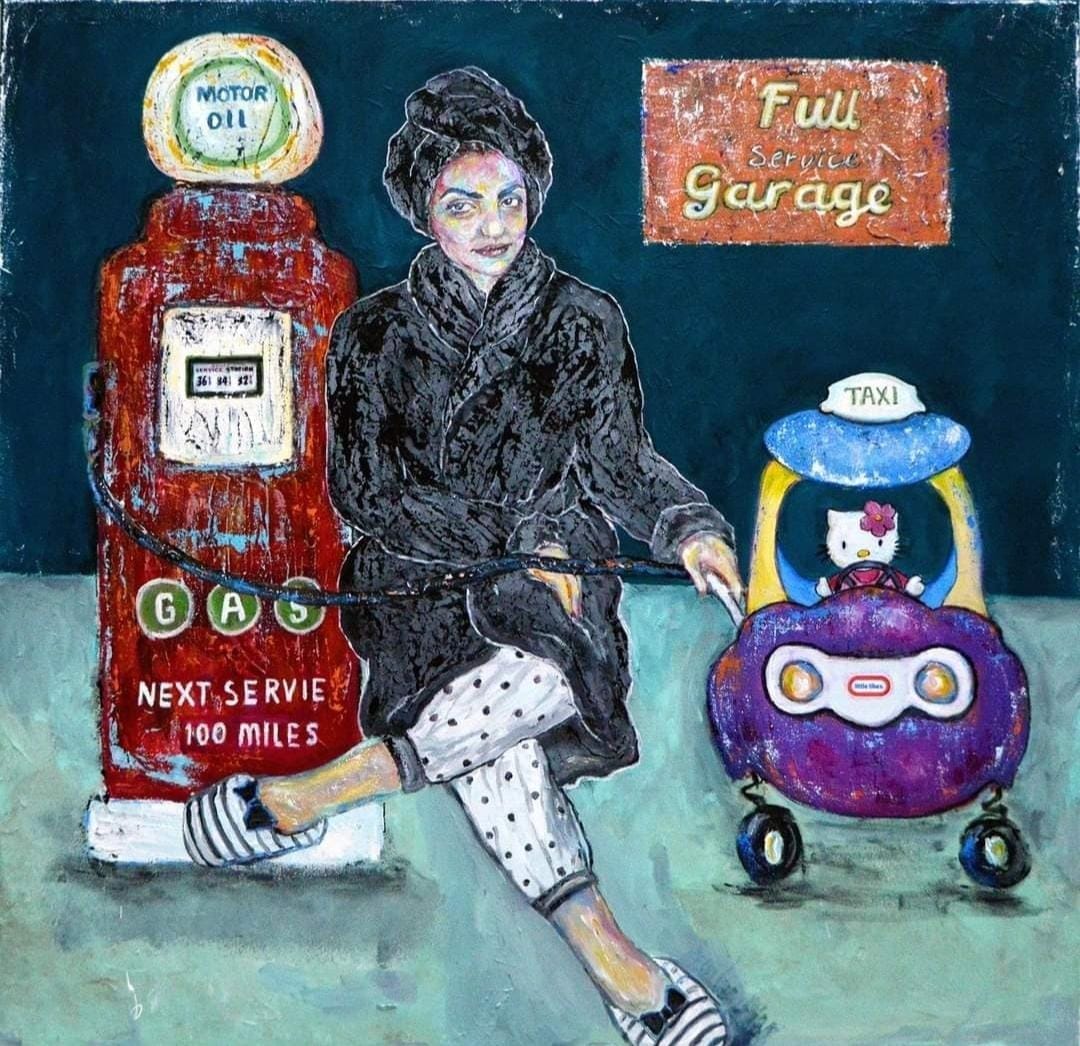
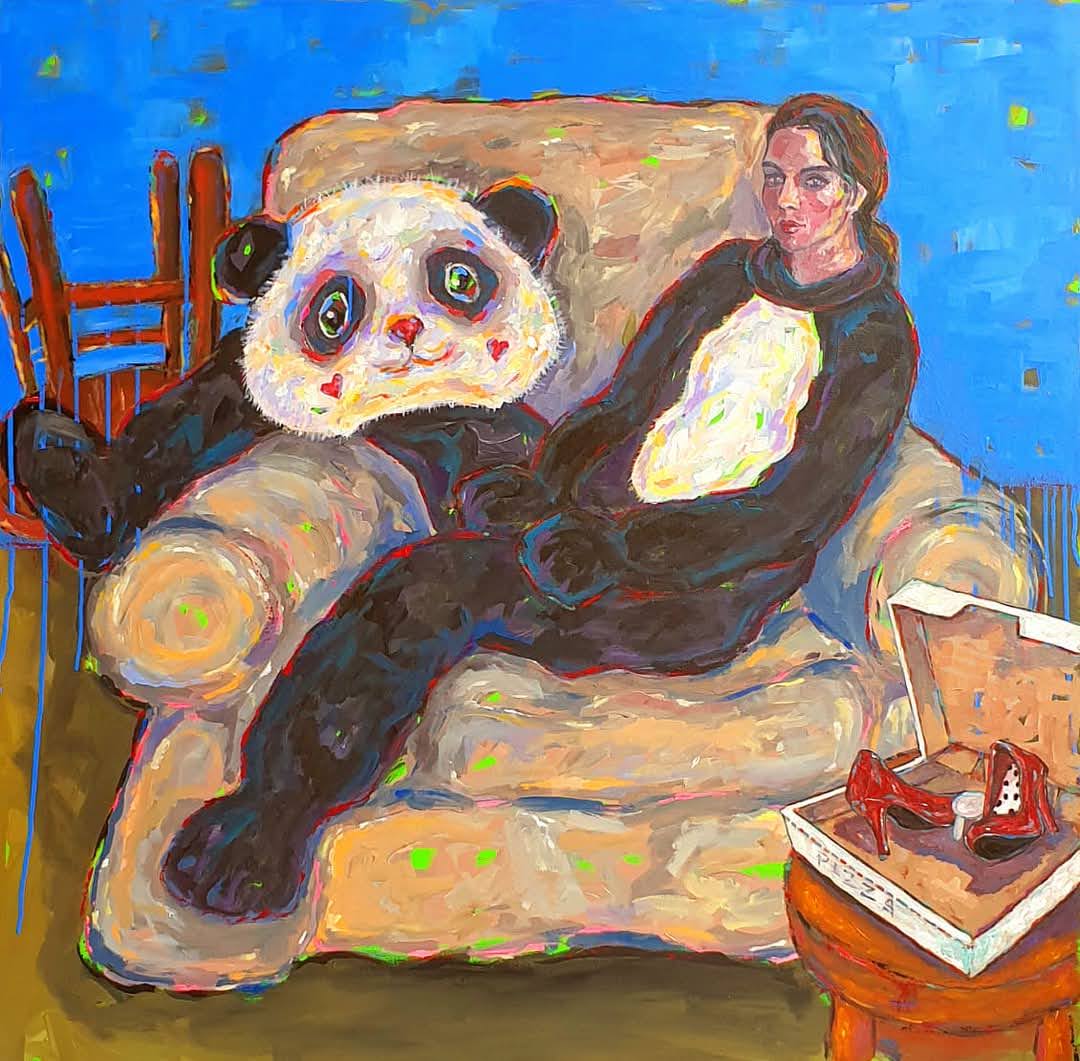
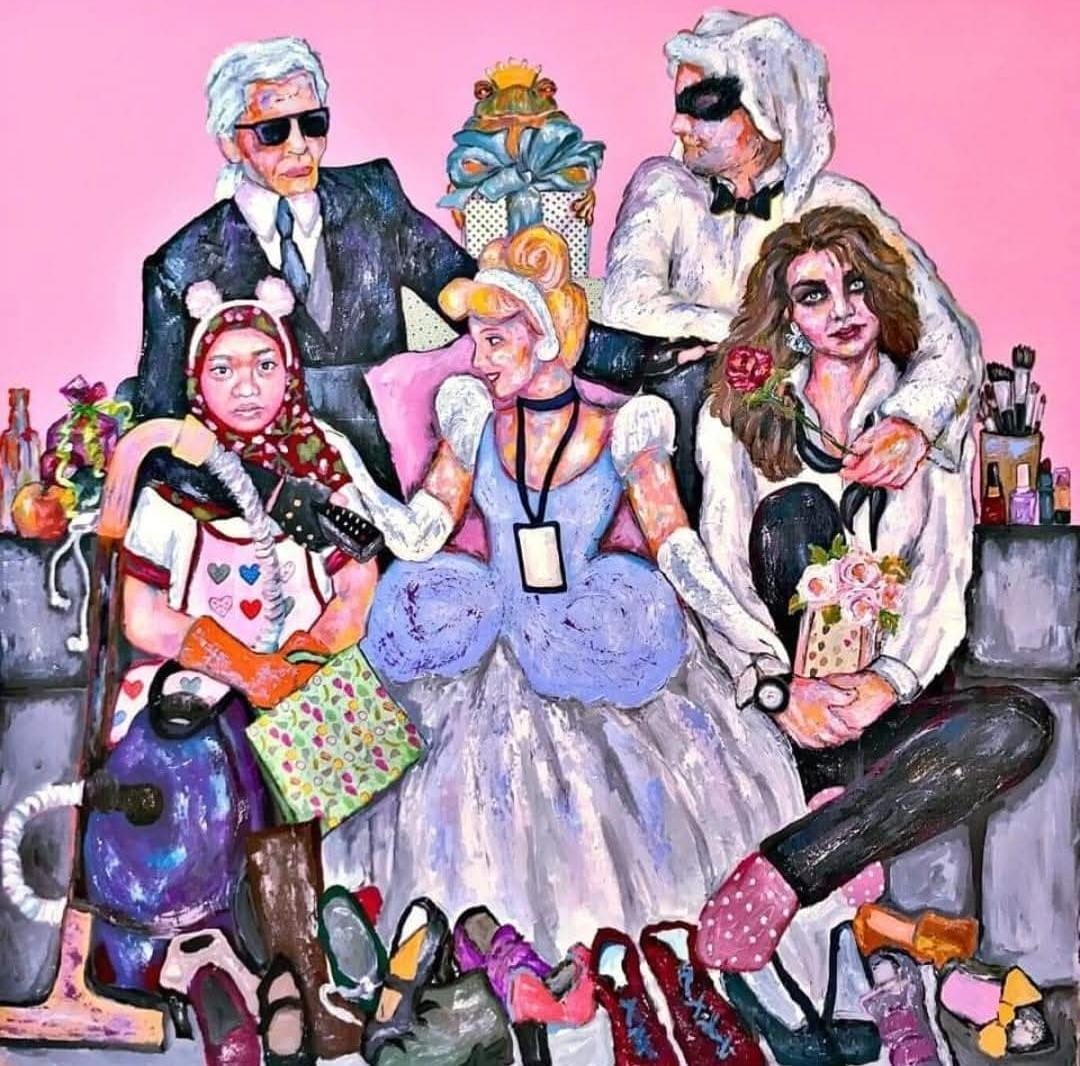
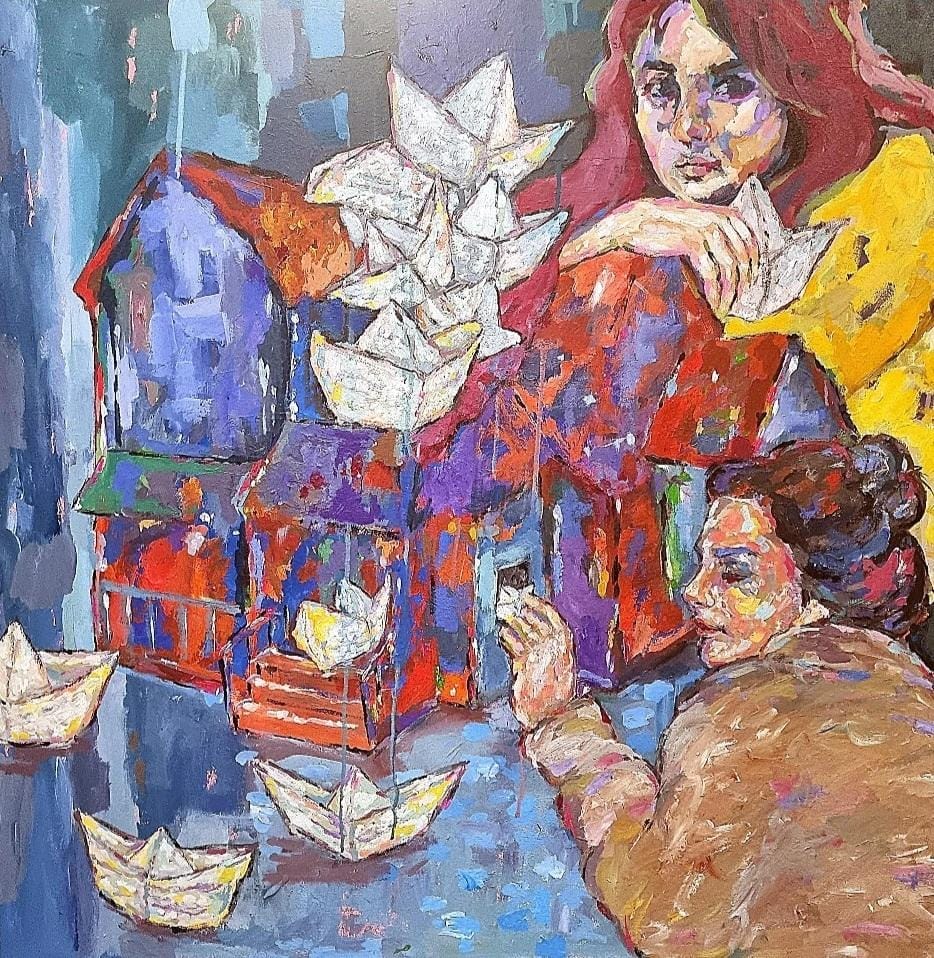
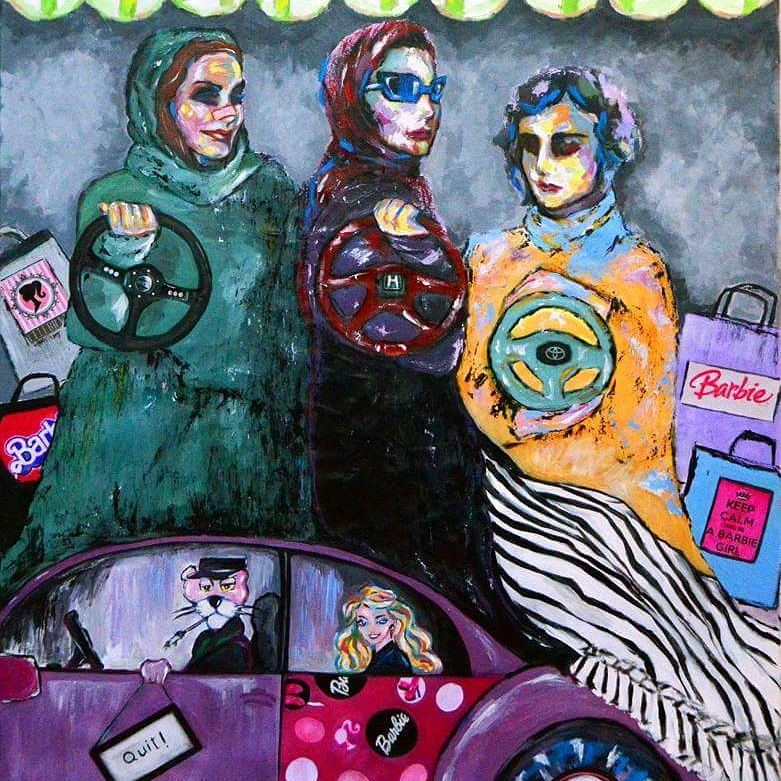
Series from Noor Hisham AlSaif's first exhibition, ‘Not Supposed to Be.’
Q: How did your transition from design to visual art begin?
Noor: In 2010, I visited the Eastern Province during the summer. There was an Aramco International Art Symposium, before Ithra even existed. I went out of curiosity and found myself surrounded by artists I admired. I sat in the middle of the hall and started sketching my friend. The curator, Abdulrahman Al-Sulaiman, noticed me and said, “How can she draw without anatomical outlines?” That moment changed my life.
Q: Was that the first time your work was recognized?
Noor: Yes. That same day, I met incredible artists like Fatimah Al-Nemer and Jassem Al-Dhameen. Despite being nervous and even facing public criticism, I kept drawing. By the end of the symposium, a Bahraini writer bought my first-ever painting. That’s when I told my husband, “I don’t want to go back, I’ve found myself.”
After that, I started participating in different exhibitions locally and internationally. But the real turning point was the Young Saudi Artists (YSA) show with Athr Gallery. From that experience, I went on to have solo exhibitions in Bahrain and Dubai.
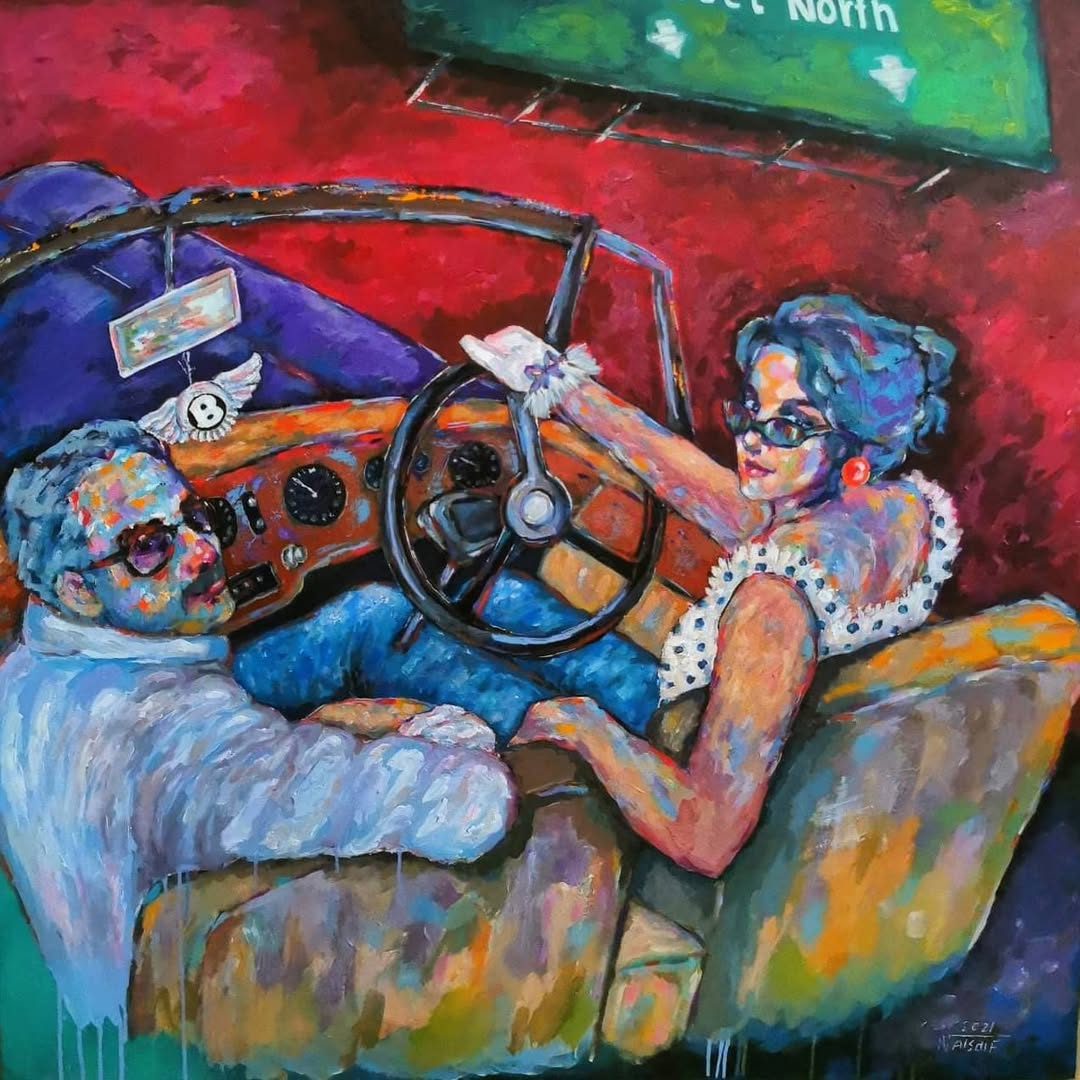
Q: What did that success lead to?
Noor: In 2017, I exhibited at a gallery in Kuwait. Every work sold, even one purchased by the son of the Prime Minister. Beirut invited me for a solo show, but due to political issues, it went online. I also showed at Jeddah Art Week and attended fairs in Egypt and Dubai. Egypt was remarkable.
Q: You’ve shown your work across the region. What made the Egyptian art scene stand out for you?
Noor: Egypt had a completely different energy. Audiences came from every background. Students, elders, critics, even producers. Their curiosity and honesty reminded me that art lives when people talk about it, not just when it’s sold.
Q: Lately, you’ve been very active in the film world. Where did that shift begin for you?
Noor: Honestly, cinema was always there. My parents were avid film lovers. We didn’t just watch movies, we dissected them. During the pandemic, I started posting short reviews on Facebook and Instagram, and one day a Lebanese platform picked up on it. That led to writing for Al-Hayat, then I joined City Lights Posters, and eventually became the first Saudi woman to publish film criticism for Al-Nahar in Lebanon.
Q: And then it continued from there?
Noor: Exactly. After Al-Nahar, I started contributing to Saudi platforms Sollywood, Al Majalla, Asharq Bloomberg, and Meem. I wasn’t just reviewing films. I was writing from a more philosophical and aesthetic perspective, reflecting on what I’d seen at festivals like Cairo, El Gouna, Malmö, the Red Sea, and Sharjah. That exposure really shaped how I think about cinema.
Q: Do you still feel like a visual artist in that world?
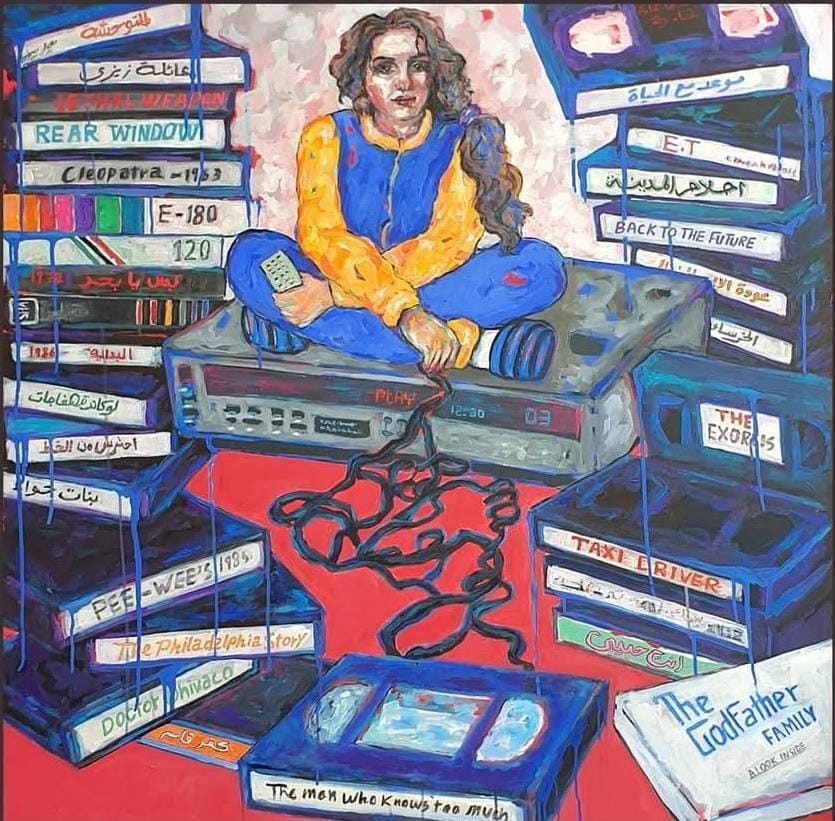
Noor: Always. I see cinema as an extension of visual art, the first films were moving paintings, after all. I started documenting the fading tradition of hand-painted film posters, doing short video interviews with the artists behind them. That work inspired a new project I’m developing now: a research-based exploration of cinema through an artistic lens. It’ll eventually become both a book and a solo exhibition.
Q: What projects have you been developing recently?
Noor: After moving to Riyadh, I collaborated with the Film Commission on arthouse projects and the Cinematic Criticism Forums in 2024. I paused my exhibitions that year to focus fully on cinema. It was important to give my energy to this new chapter.
Now, I’m returning to the art world again through new projects with Ithra and the Ministry of Culture.
Q: Beyond art and film, you’ve done editorial work too. Can you tell us about that?
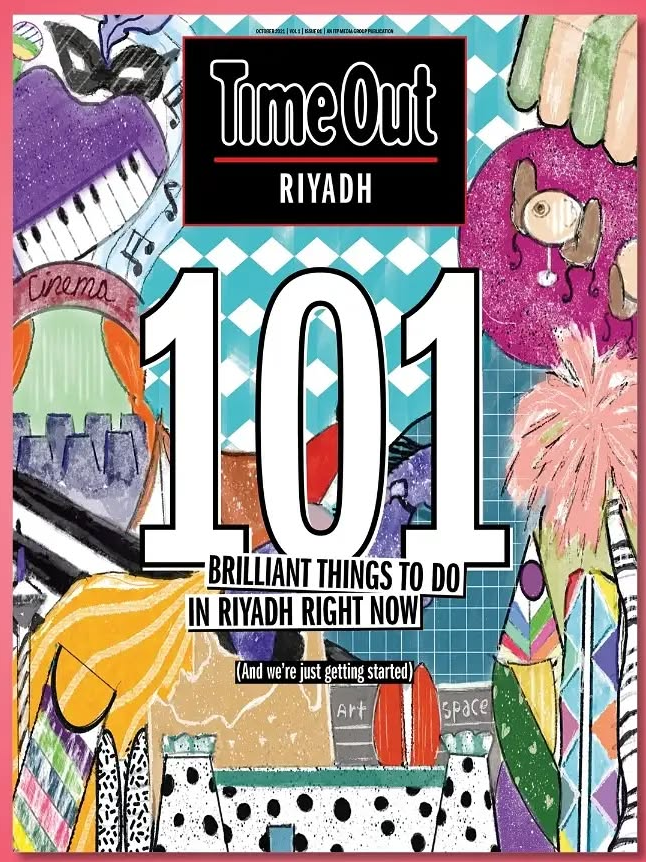
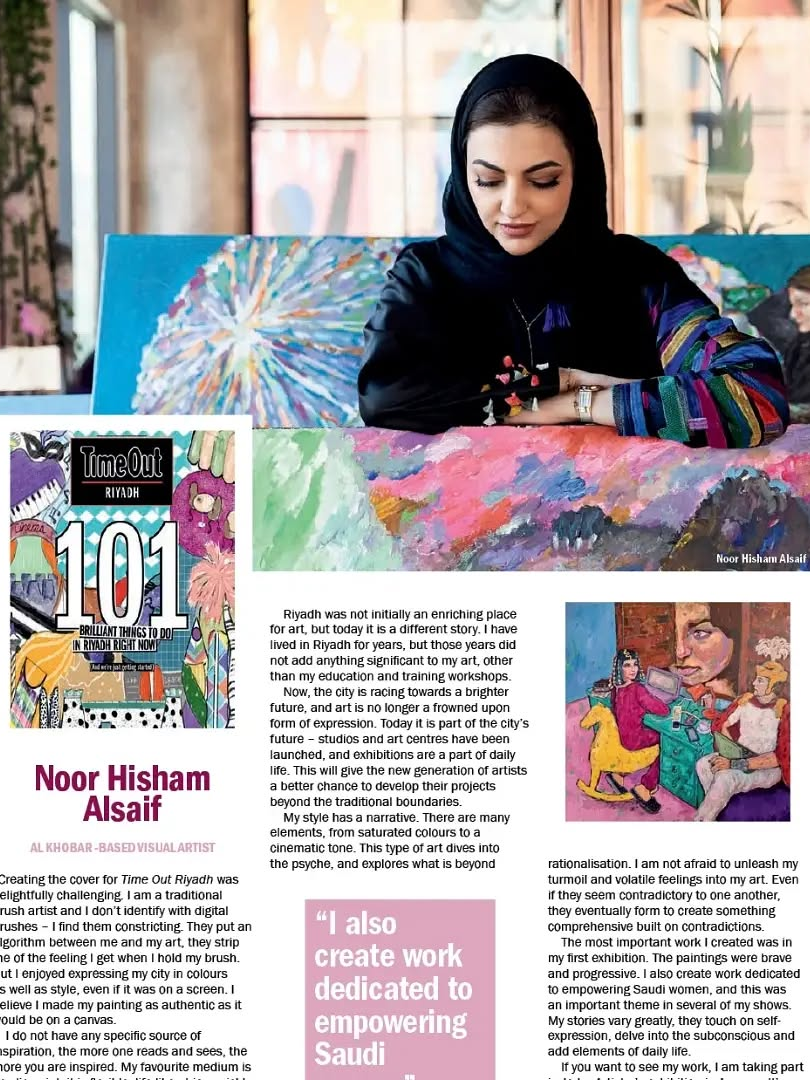
Noor: Yes! I designed the first cover of Time Out Riyadh and several book covers, including “The Hand That Holds the Woman.” I enjoy using my artistic sensibility across different mediums, it keeps me inspired and curious.
Q: Your latest work, “I Mend a Dream and Dream Again”, was part of the Ithra exhibition “Echo of the Familiar.” What was the inspiration behind it?
Noor: It began with a verse by Mahmoud Darwish: “In every dream, I mend a dream and dream again.” I rebuilt a personal memory: my parents’ bedroom in the 1970s through visual storytelling. It was a tribute to the textures, sounds, and unspoken stories of that era.


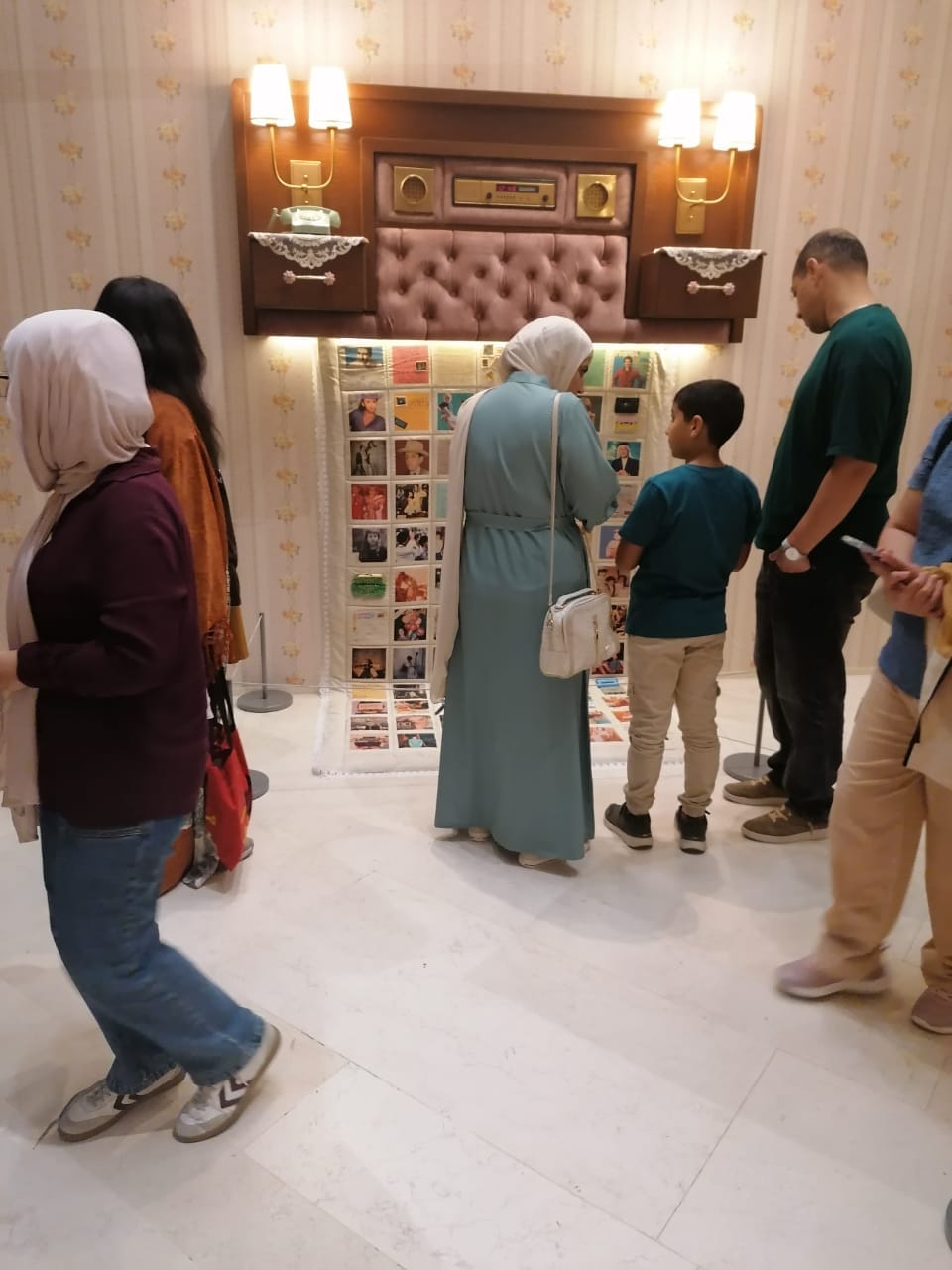
Q: What did you include in the installation to bring that memory to life?
Noor: The piece features a bed against the wall, with a radio at its center, like a heart broadcasting memory. A quilt spills out like a dream unraveling, surrounded by handwritten letters and old photographs that carry the spirit of the past. These small treasures speak of the home’s warmth and the traces it leaves behind. All that remains of this past is the dream itself.
Q: How did it feel to exhibit such a personal work in a national museum?
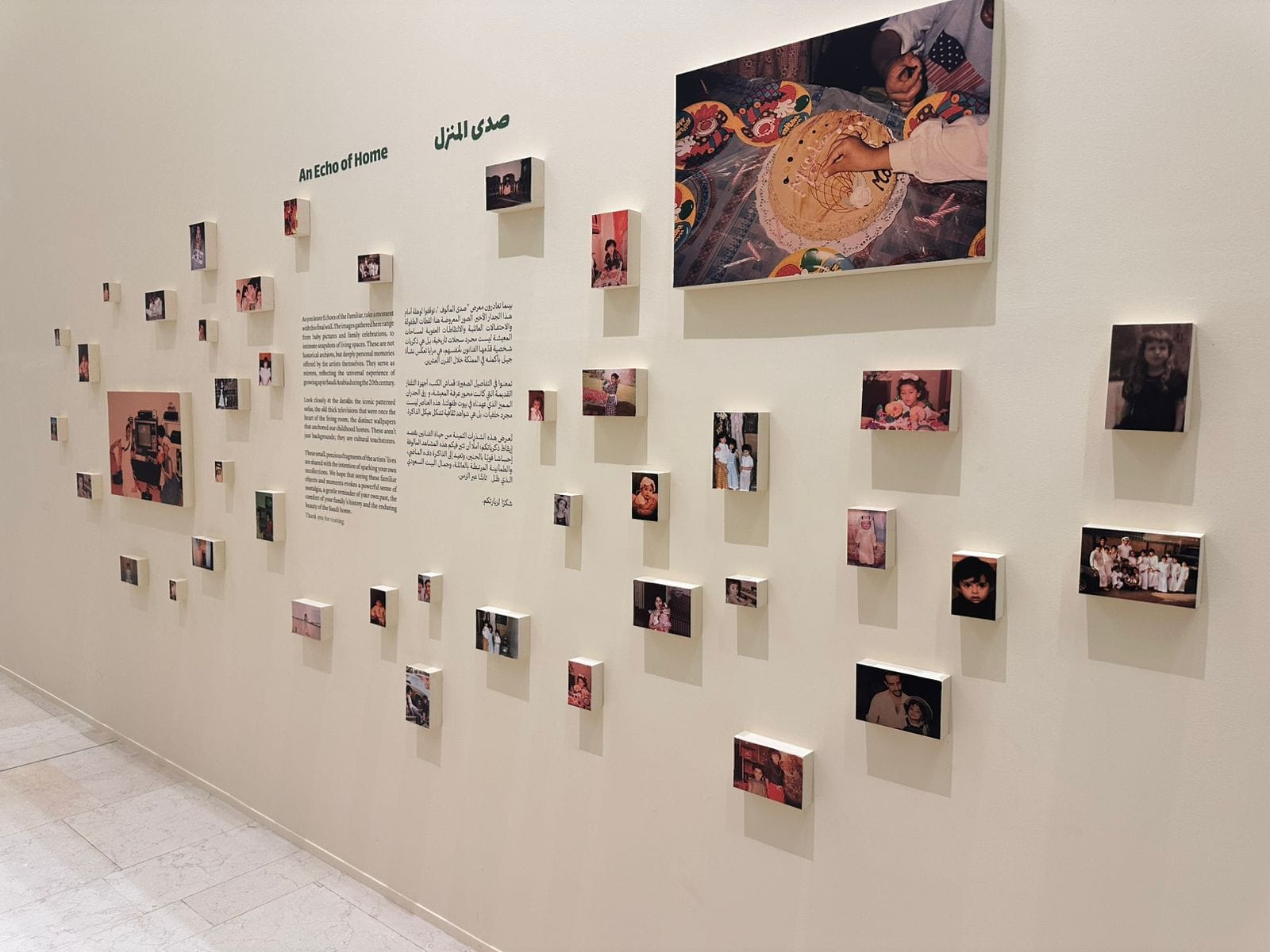
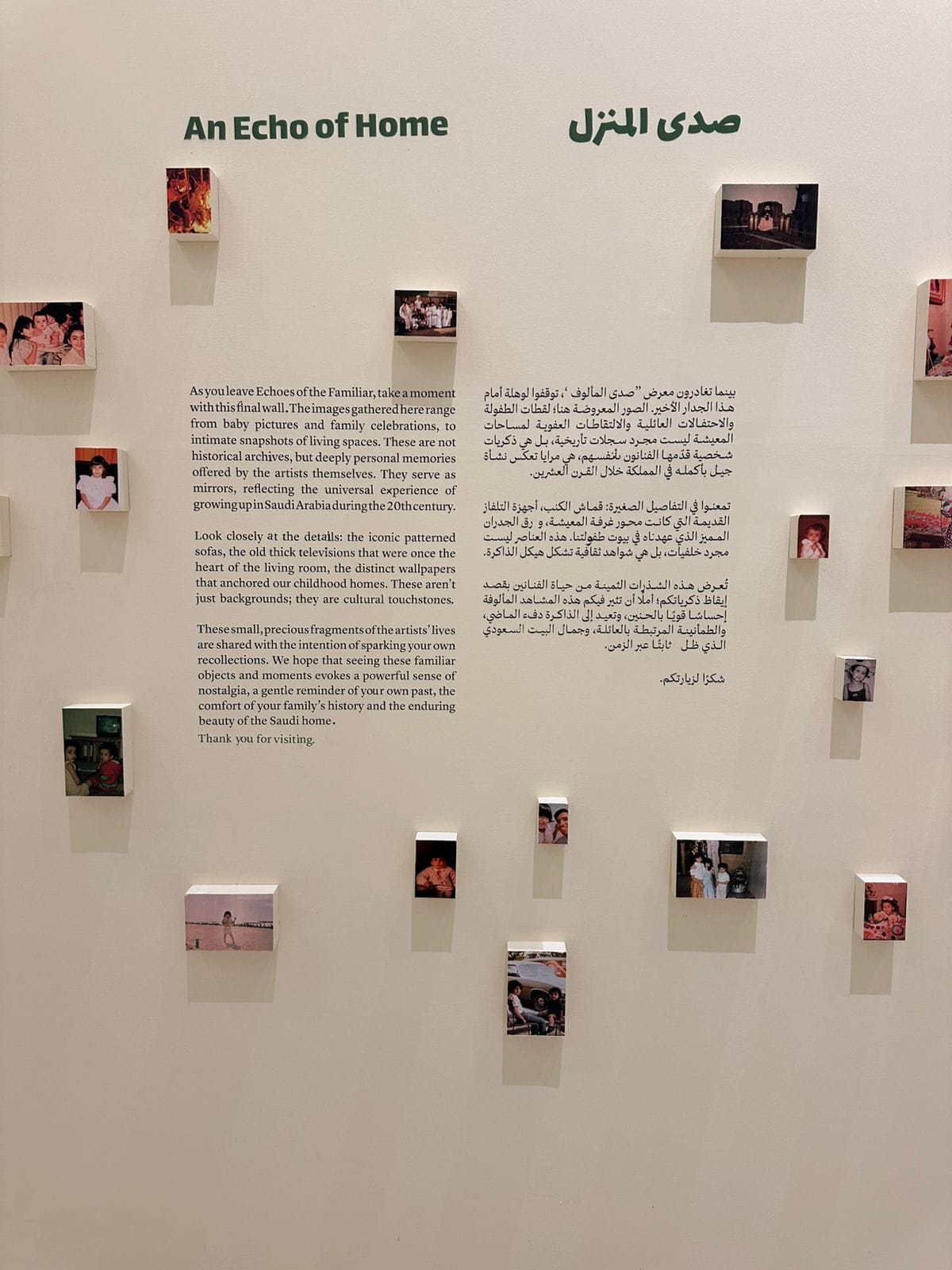
Noor: Emotional, honestly. That installation wasn’t just about a room, but the cultural DNA of a Saudi home. The last wall of the exhibition really surprised us. They had displayed childhood photos of us artists alongside our family pictures. We discovered it only on opening night. It was deeply moving, it made the show feel like it belonged to all of us.

Q: How have personal experiences shaped your art?
Noor: Life doesn’t separate from art. When a loved one needed care, I chose to be present for them. Family comes first. I trusted divine timing, and that season gently redirected my creative path toward writing and cinema, becoming a meaningful part of my evolution.
Q: Finally, what message would you like to share with young artists?
Noor: Don’t paint for validation. Don’t think about who will buy or where it will hang. Paint because you believe. Because that faith is what keeps your art alive.
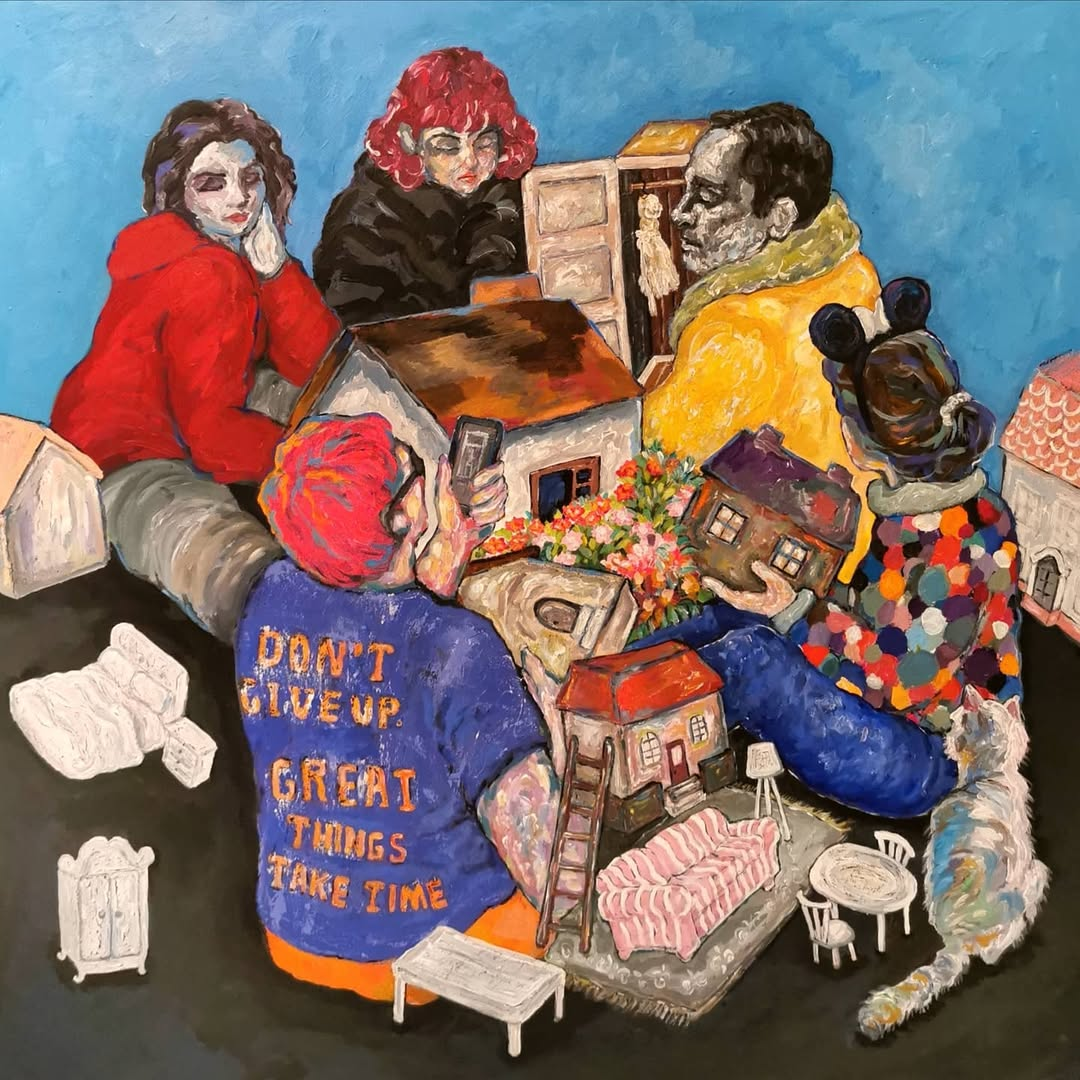
Noor Hisham Alsaif’s journey is a testament to conviction and creative faith. From abaya design to fine art and film criticism, her work continues to blur the lines between visual storytelling and lived experience. In every medium, she reminds us that sincerity is the truest form of innovation.
Follow Noor Hisham Alsaif’s journey on Instagram. You can also explore more of her work through noorhishamalsaif.com.
We’d love to hear from you! Reach out to share your own artistic journey.