How Khaled Zahed Turns the Familiar Into Contemporary Art
Discover how Khaled Zahed uses bold presentation and layered ideas to make contemporary Saudi art feel immediate, human, and quietly transformative.

Discover how Khaled Zahed uses bold presentation and layered ideas to make contemporary Saudi art feel immediate, human, and quietly transformative.
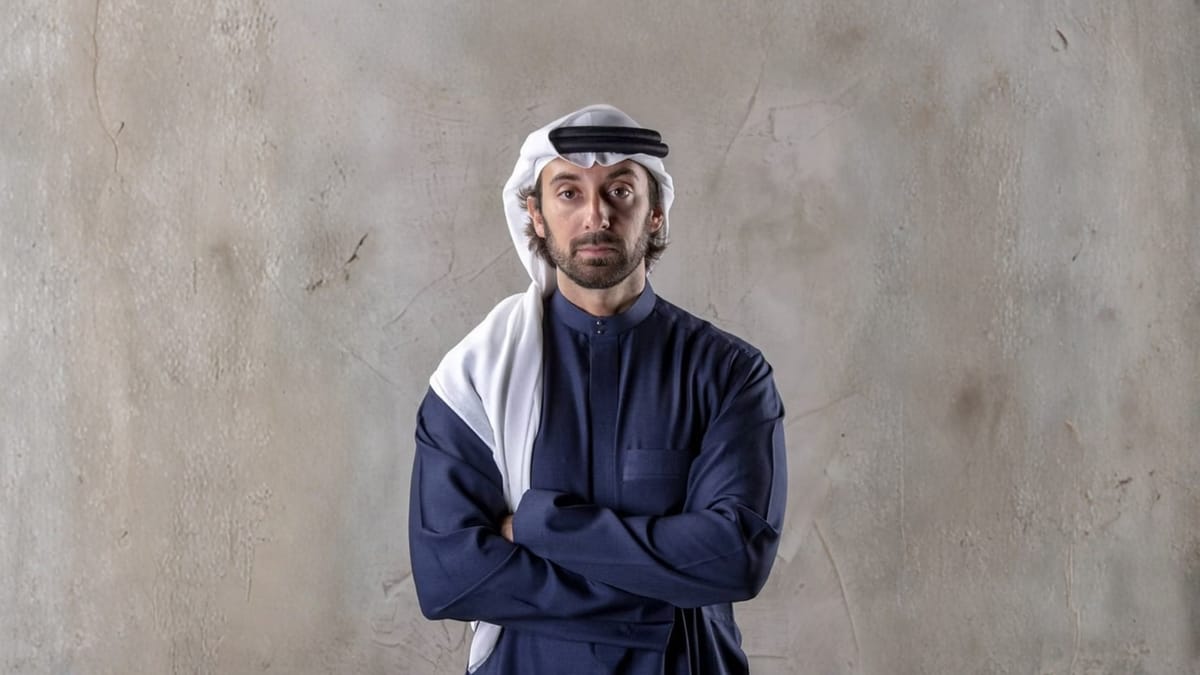
“If you’re not brave, you’ll be like anyone else who hangs a painting.”
This feels like the quiet rule at the center of Khaled Zahed’s work, a contemporary artist who understands that bravery in art is not only what you say, but how you make people stay long enough to hear it. That is why his practice often begins with simplicity, a familiar surface, a readable form, and then reveals the complexity underneath. Zahed is chasing one specific human reaction: the pause. That suspended second when a person stops performing certainty and starts feeling curiosity, and the work finally has room to unfold.
Before galleries and installations, there were T shirts. In the late 2000s, Zahed began translating pop energy and Arabic calligraphy into wearable form, turning T shirts into moving posters and the street into his first exhibition. He called the project "Jun" (meaning crazy in arabic), a title that carried the spirit of the work: a little wild, a little playful, intentionally “funky” in attitude. The shirts sold across a circuit that ran from Jeddah and Riyadh to Dubai and New York, proof that his visual language could travel and still feel like his.
By 2010, after building out the line into two collections, Zahed felt the itch to shift mediums without abandoning the core imagery. Instead of inventing a new language, he enlarged the existing one. The same motifs moved off fabric and onto canvas, scaled up and framed with deliberate character: vintage French frames, repainted in bold, unexpected colors, turning “presentation” into part of the message. That pivot took him to the Young Saudi Artist Exhibition in Jeddah, where the work didn’t just hang, it sold, placing him among the show’s standouts. The real proof came afterward: an adrenaline rush that made it clear this wasn’t a side interest anymore, it was a path.
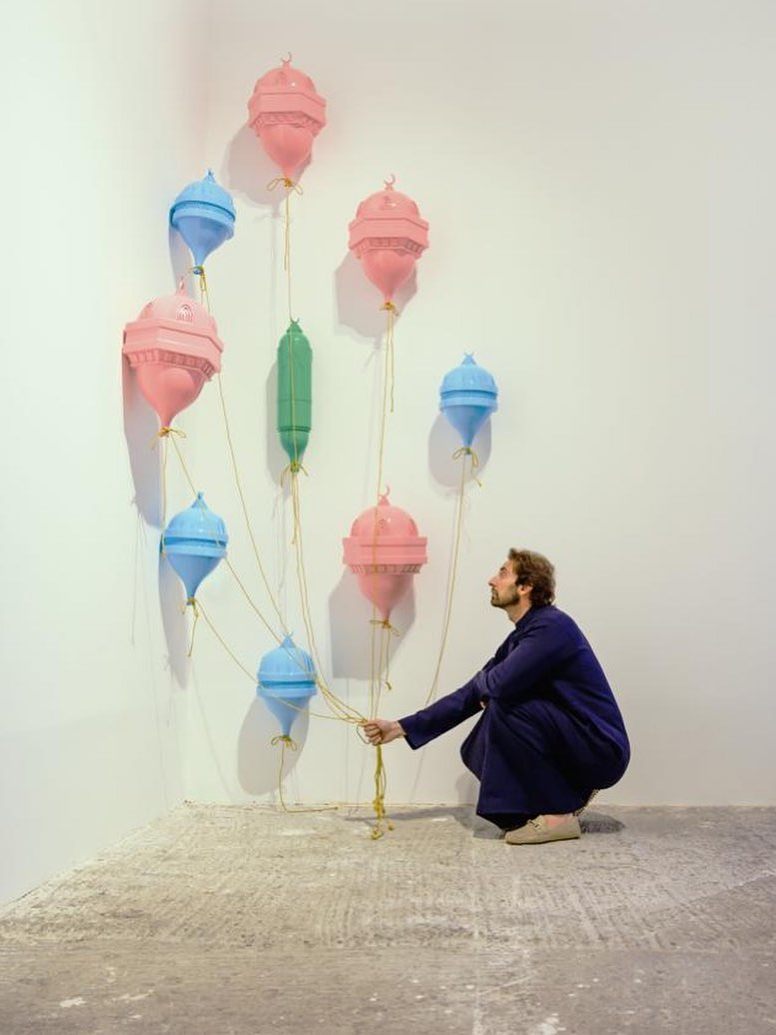
What makes Zahed’s practice feel current is how closely it listens to its audience. “In the past, beauty was enough. Now, meaning is what predominates,” he observes, and his work answers that shift with surprise used as method, not spectacle. A slightly unexpected gesture breaks routine, creates the pause, and invites questions. From there, the piece opens in layers: clarity first, then history, belief, and social change, unfolding as discovery rather than a puzzle.
Khaled Zahed's strongest works don’t announce themselves as “important.” They arrive disguised as something familiar, even playful, then reveal a second life once you stay long enough. His motifs live in that tension: faith and softness, policy and symbolism, the everyday object turned into a cultural sentence.
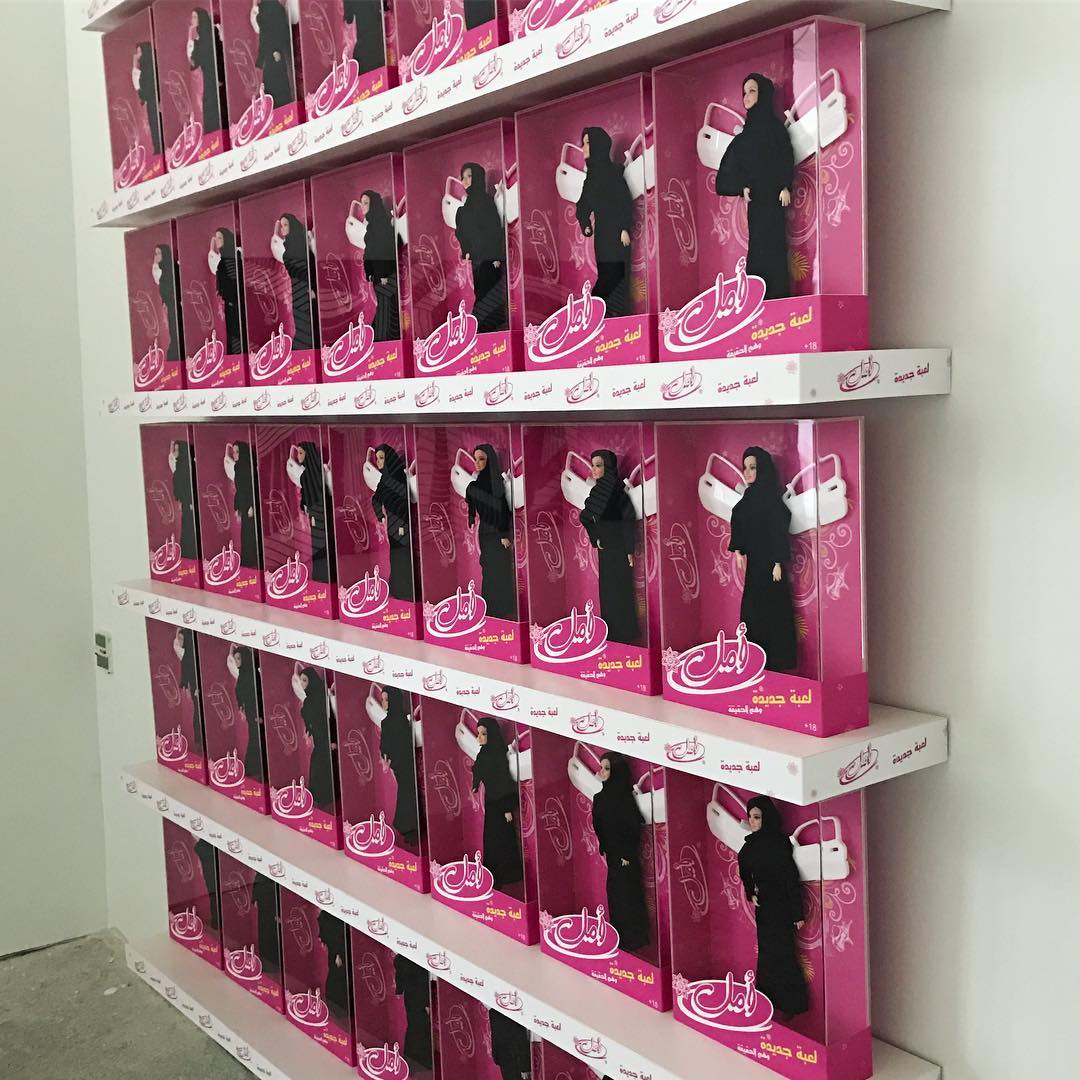
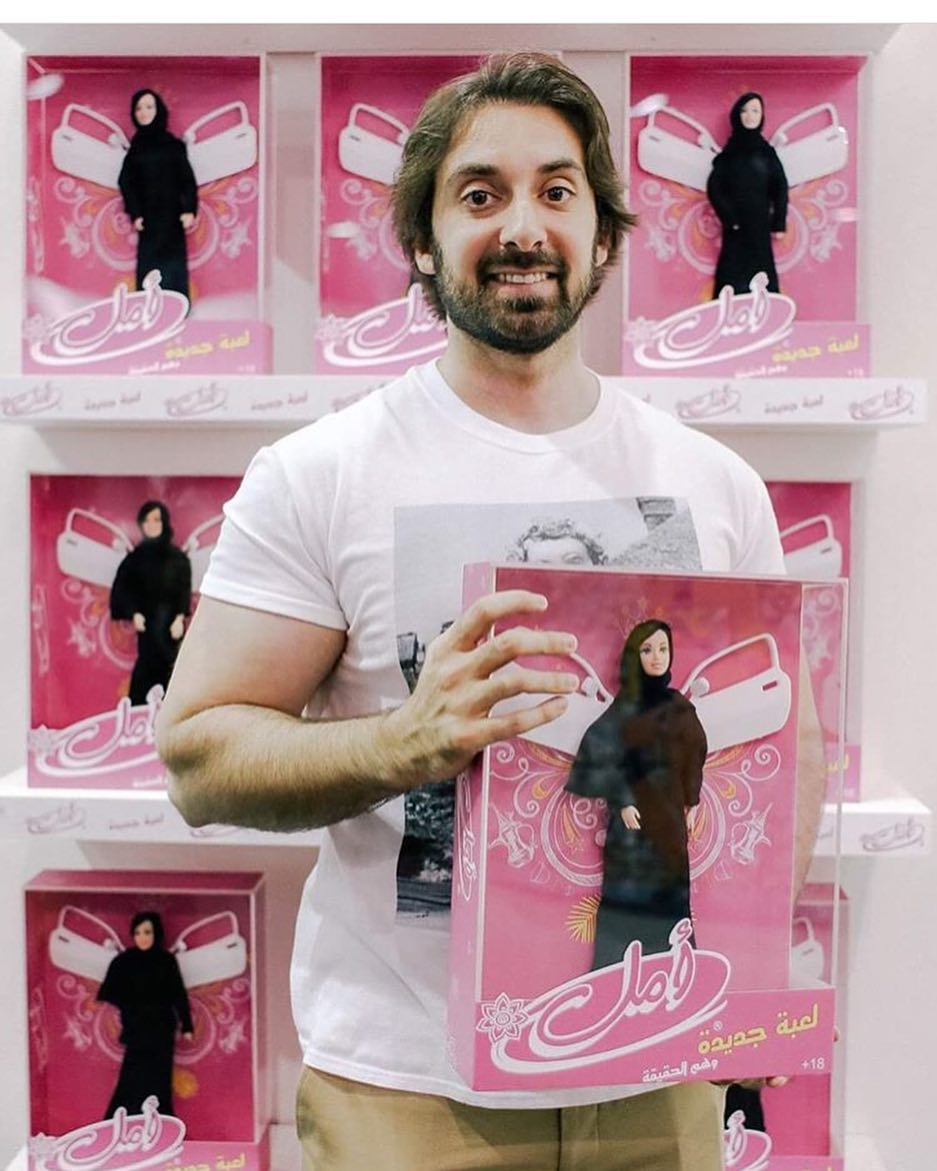
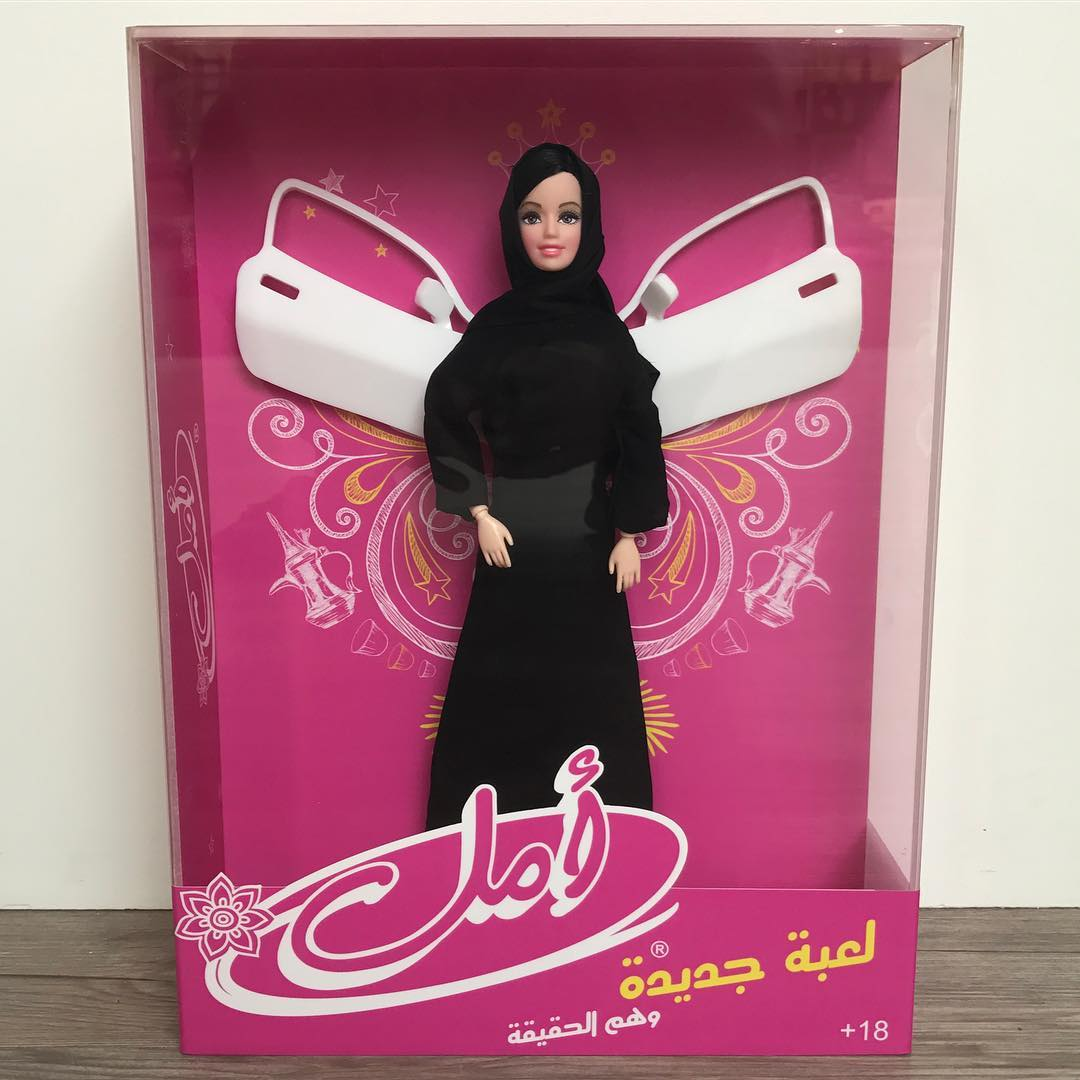
One of his most emotionally direct works is Amal, a Barbie-like figure staged in the visual language of packaging and mass culture. At first glance, it reads like a collectible, an object made for display. Then the details settle in: the figure wears an abaya, and behind her are wings made from car doors, a powerful metaphor for women’s mobility, aspiration, and a future that had not yet fully arrived when the work was created.
When the ban on Saudi women driving was lifted, Amal took on a new life. What began as a carefully staged gesture of hope suddenly felt like it had stepped into the real world, its symbolism catching up with history.
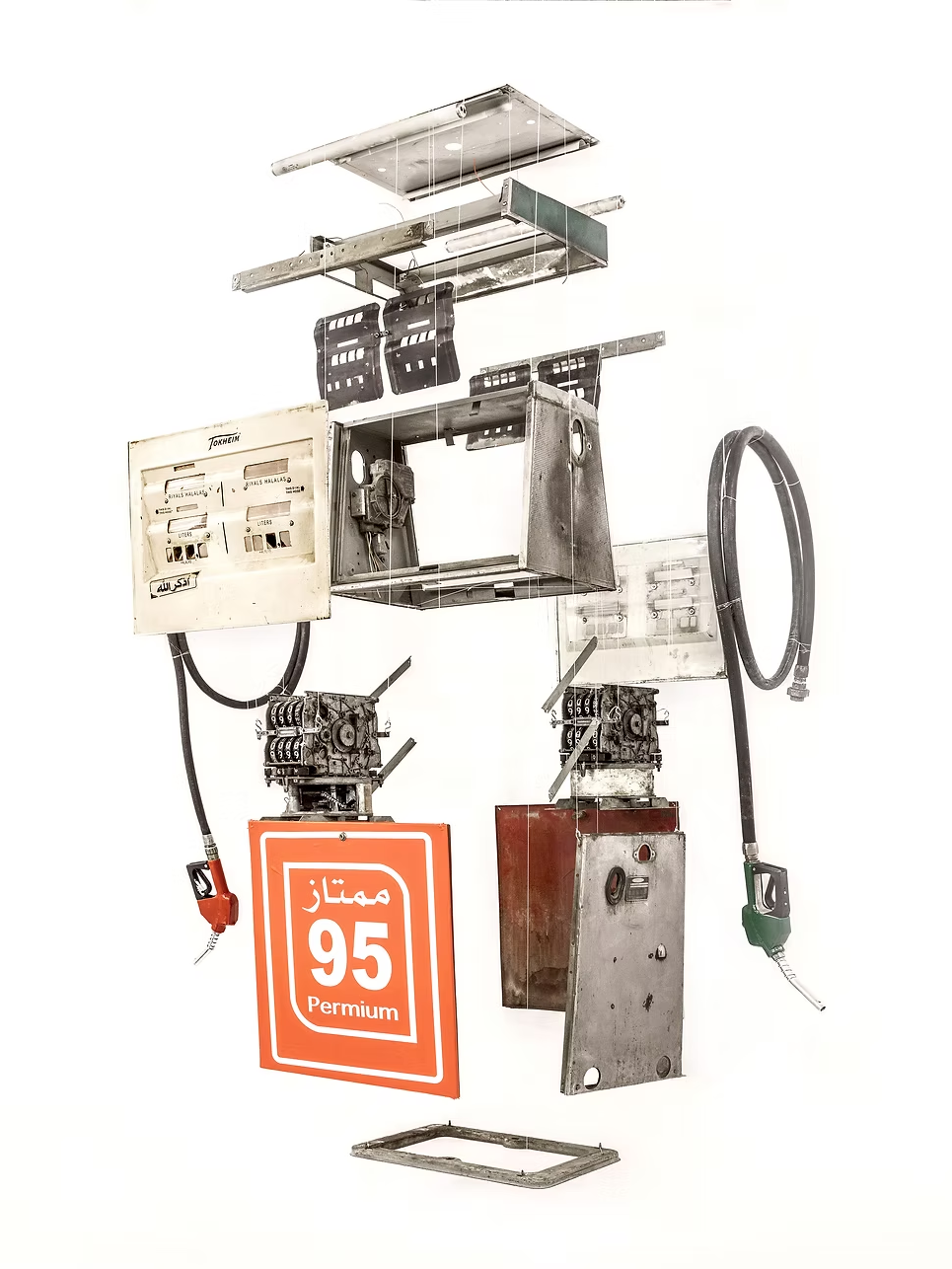
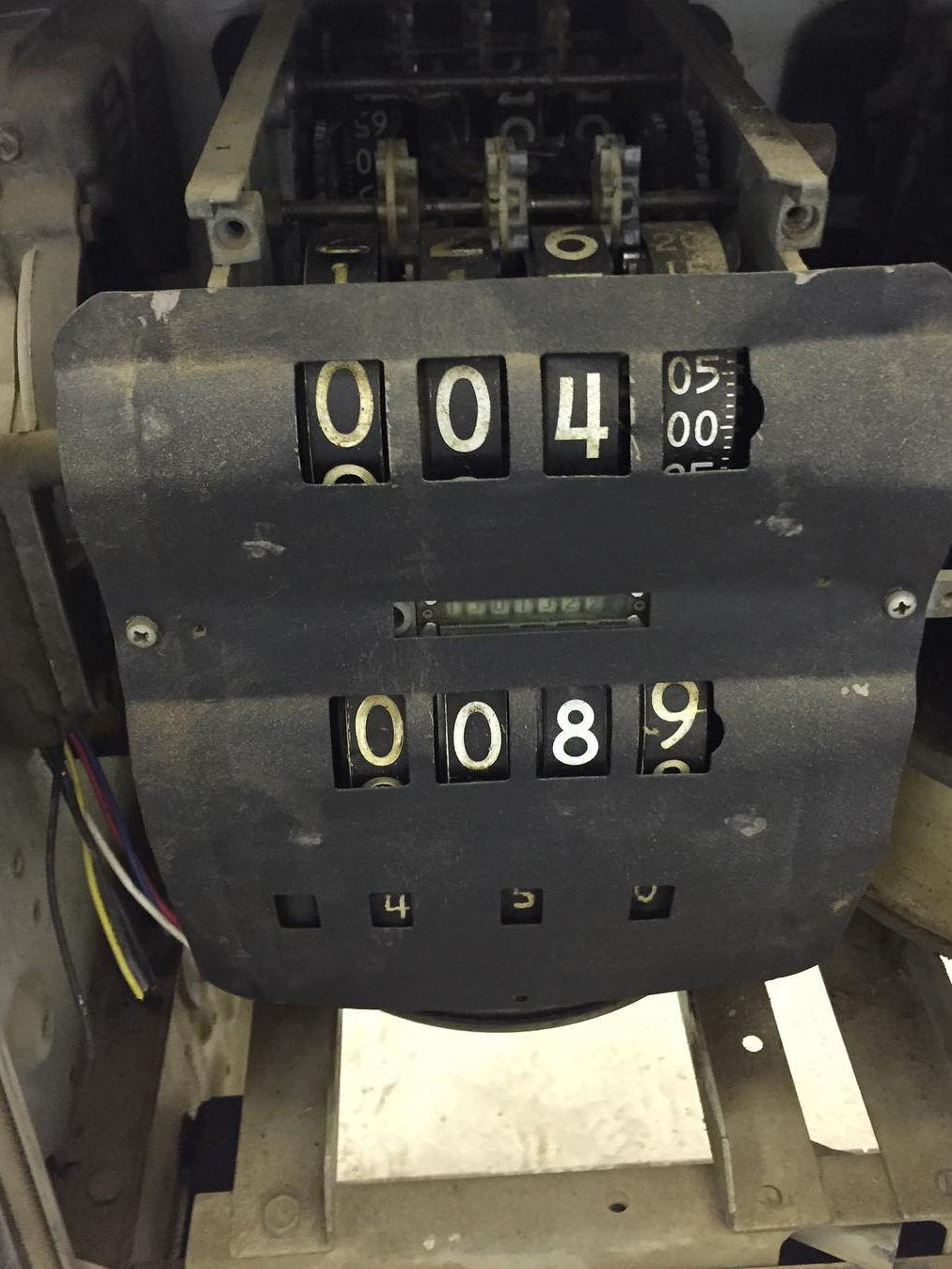
In Beginning/End, Zahid turns oil from resource into symbol, asking viewers to rethink what Saudi Arabia has long been known for and what it is trying to become. As the Kingdom moves toward a new national vision through plans like Vision 2030, the work frames oil dependence as something being actively dismantled, not simply inherited.
The gesture is literal and theatrical: a gas pump is taken apart and suspended, its components separated yet instantly recognizable. Even in disintegration, the system still runs. The meter remains intact and ticking, a sharp reminder that time is moving fast and that the urgency to build new sources of energy and income is not abstract, it’s already counting.
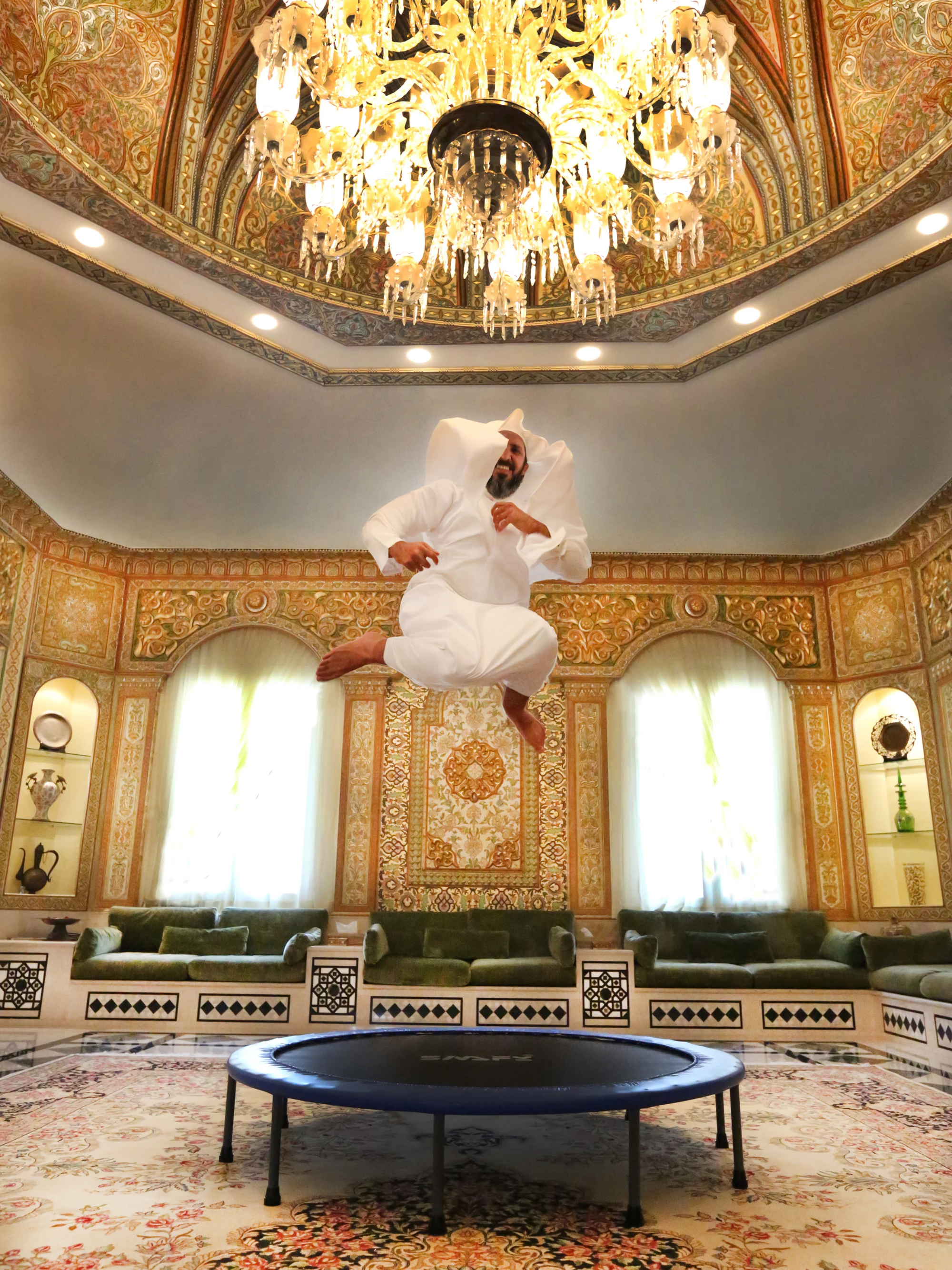
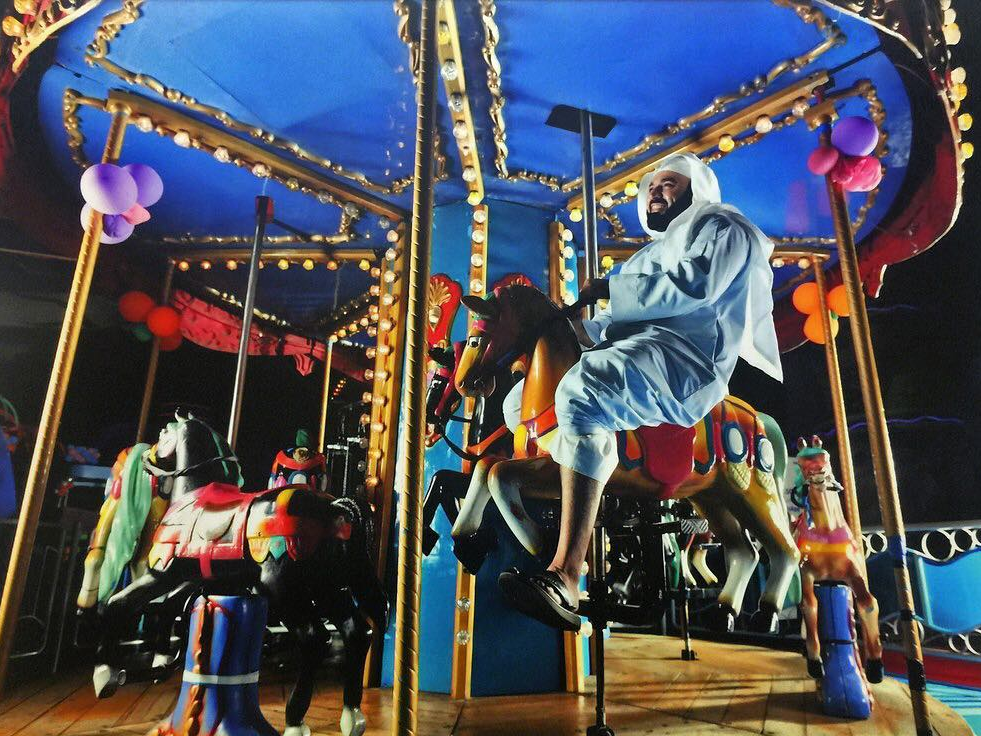
This series shows how Zahed reclaims softness as a visual strategy, using play as a doorway into belief. He photographs religious figures in settings that feel almost disarming: amusement-park energy, bright levity, moments that resist the usual visual codes of severity. The point isn’t to mock faith. It’s to reframe it, insisting on a message many forget: Islam is a religion of ease, not intimidation. In classic Zahed fashion, the first glance reads as unexpected, then the longer look turns inward and asks a harder question: why did we learn to associate devotion with heaviness in the first place?
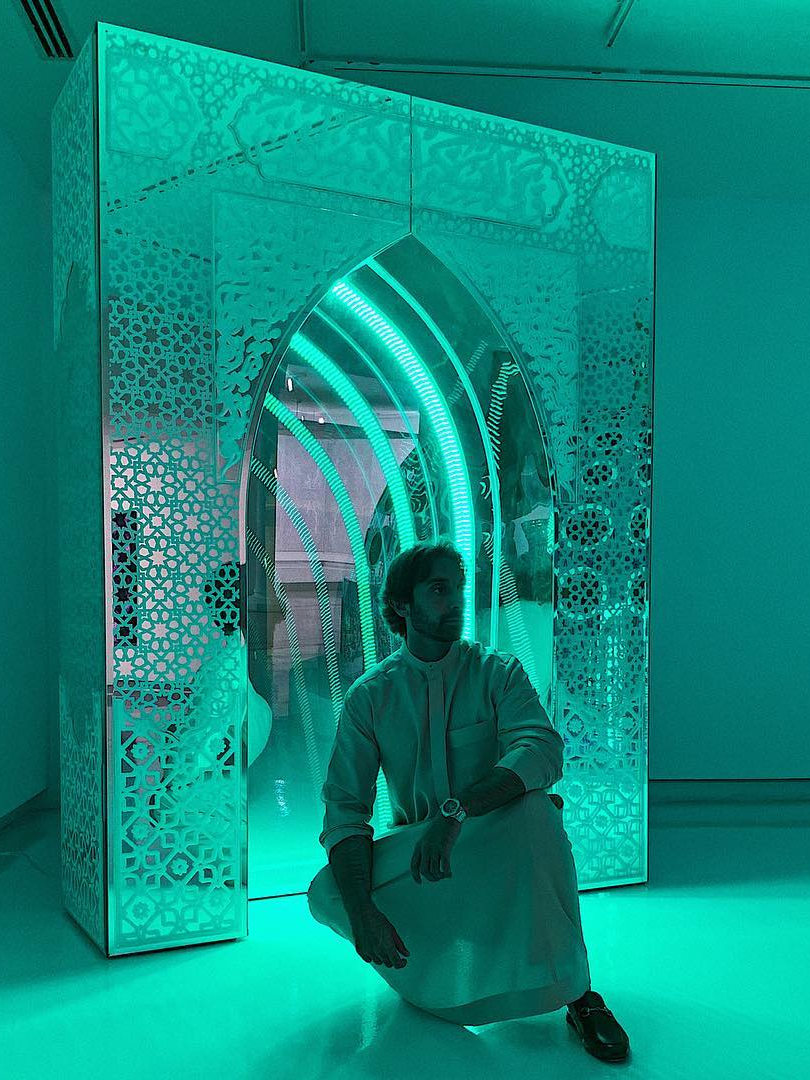
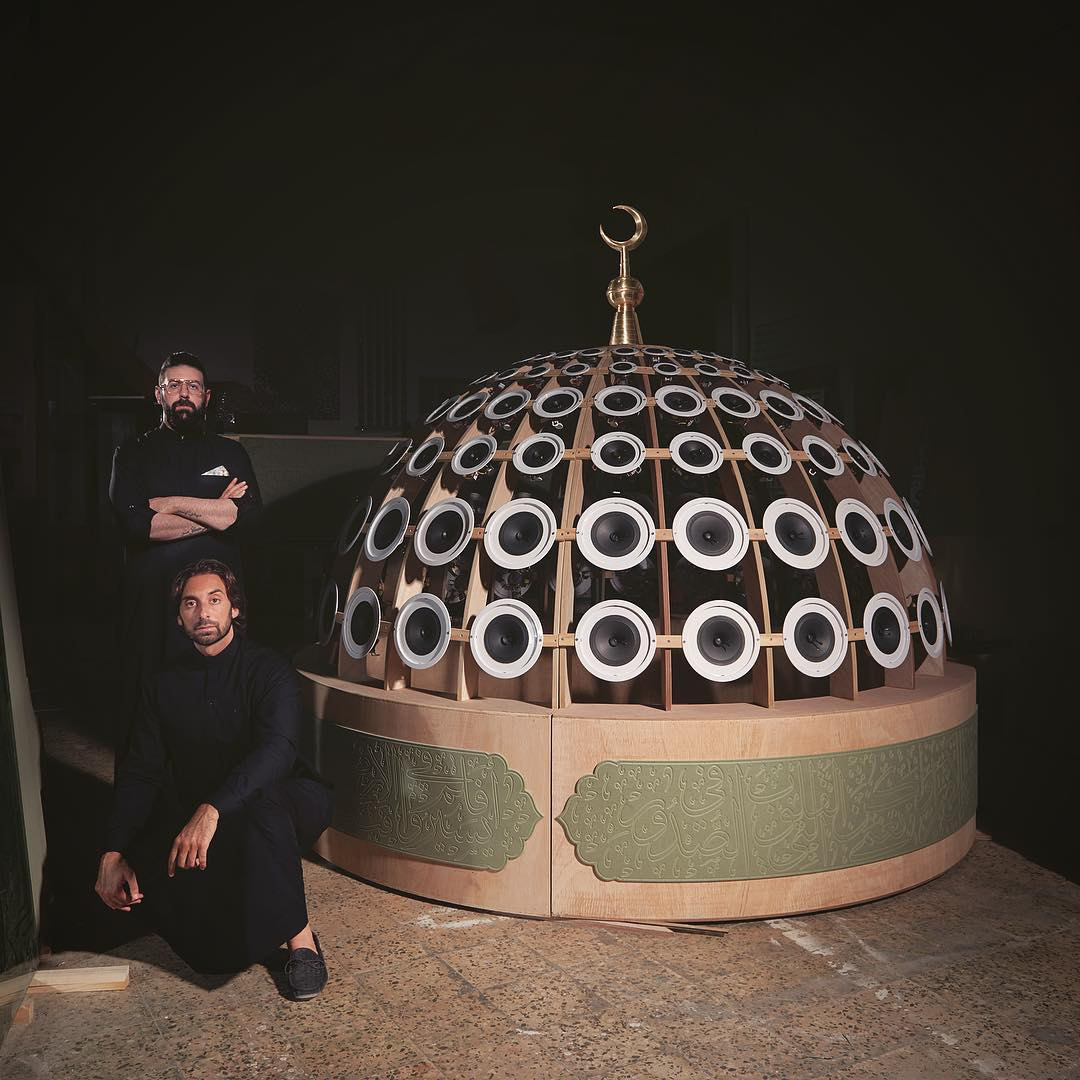
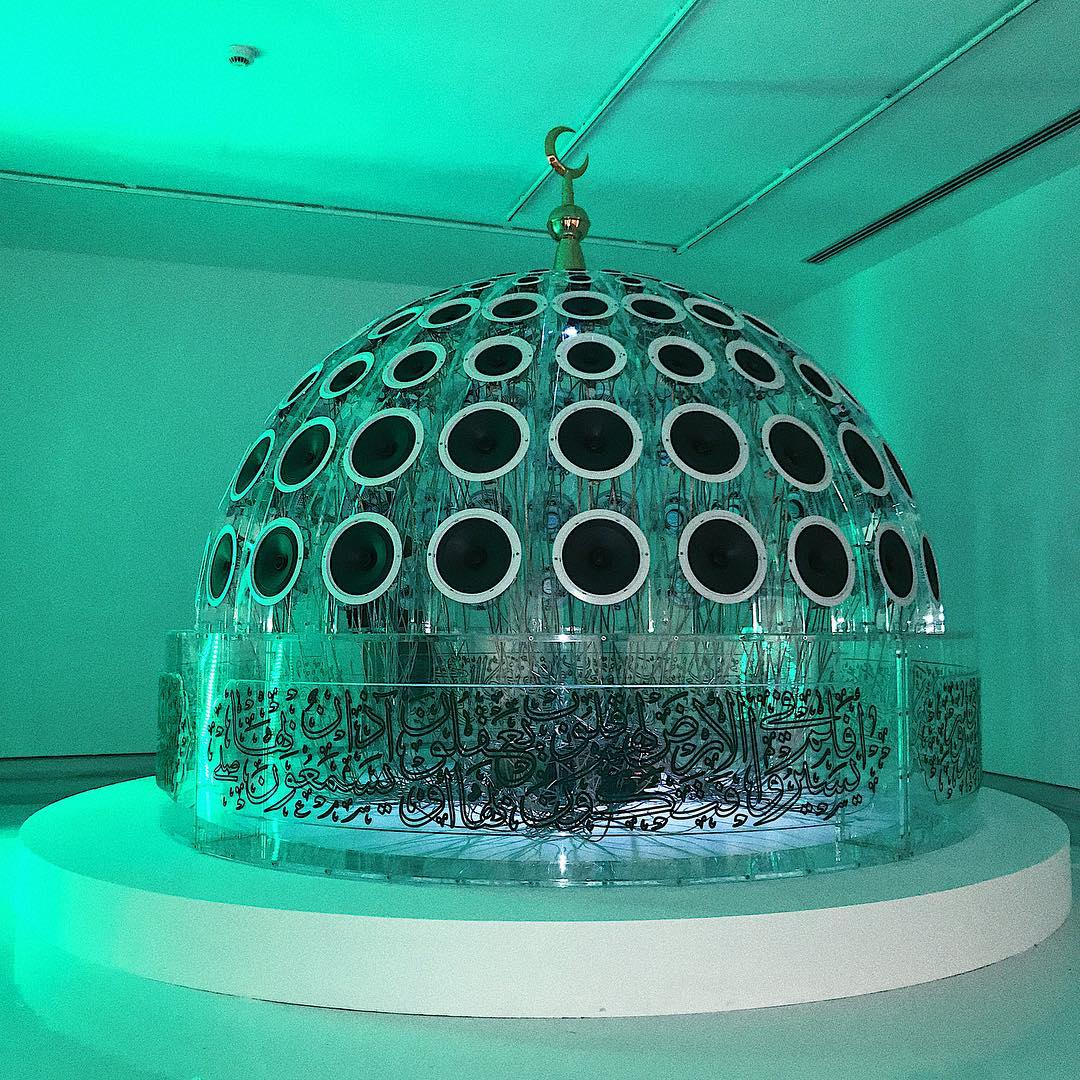
In The Holy Decibel, Zahed pushes his language of faith into something almost audible. Made in collaboration with artist Ali Chaaban, the work explores metaphysics in Islam through a dome crowned with a crescent, wrapped in calligraphy, and studded with speaker cones in a hypnotic grid. At its core is a question as spiritual as it is philosophical: the idea that what we call the mind may reside in the heart. Presented at Shara at the Hafez Gallery exhibition space as part of the Saudi Art Council, it becomes a bridge between devotion and frequency, turning belief into an immersive object that feels both sacred and strangely new.
With Women of Islam, Zahed pushes back against the idea that women sit at the edges of Islamic history. The work highlights women’s participation alongside Islamic armies and honors their effort, reframing them as active contributors rather than footnotes. Its message is clear: Islam elevates women, safeguards their dignity, and affirms their right to pursue any lawful work, addressing men and women alike.
Anchored by the line “Be a warrior, now a leader,” the piece uses the direct visual language of public messaging. Made as poster paper encased in aluminum and an acrylic light box, it reads like a declaration, immediate, luminous, and unapologetically visible.
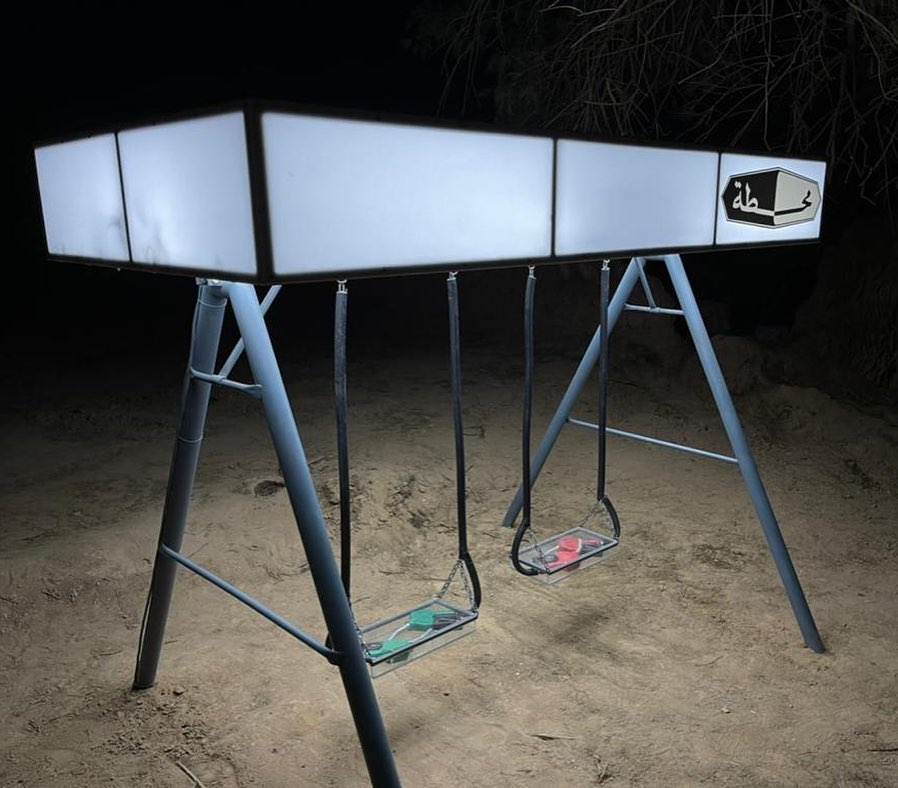
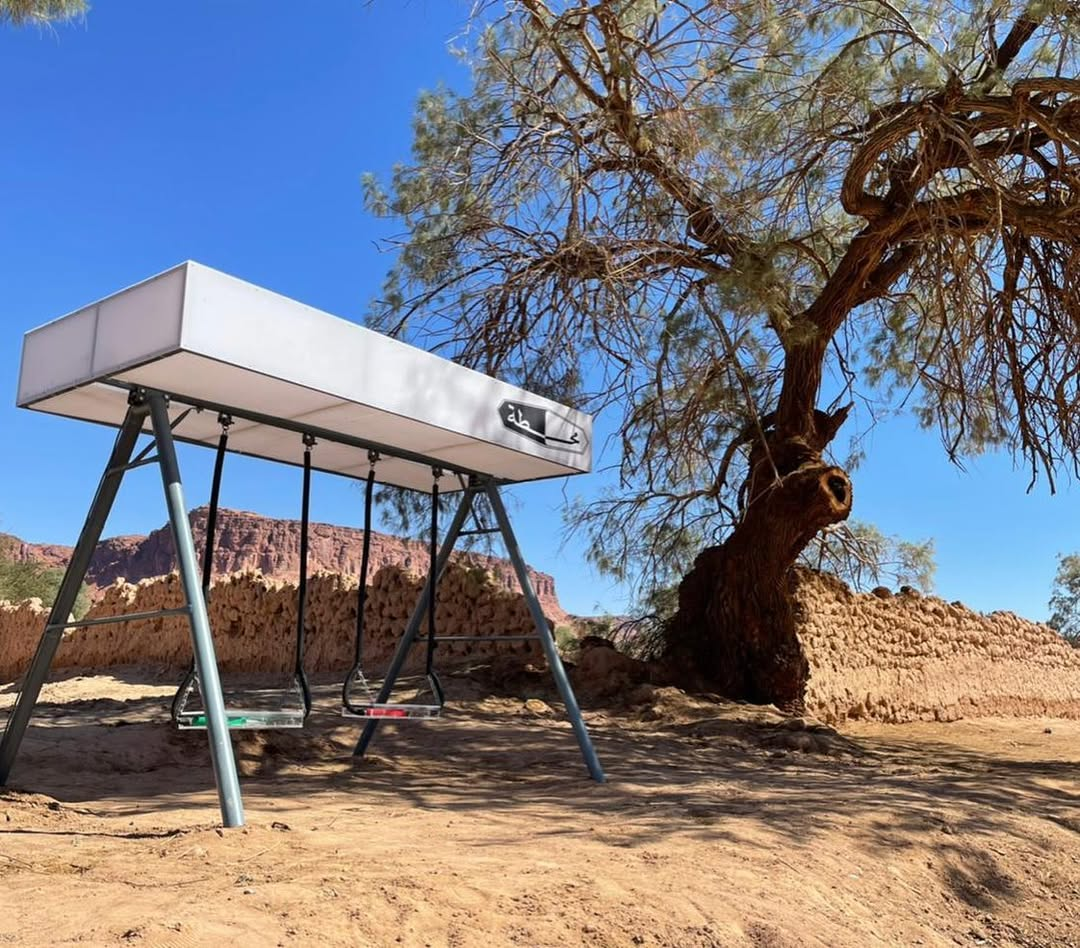
In White Oil, installed in Al Wadi, AlUla, Zahed turns the language of petroleum into an unexpectedly tender scene. The interactive installation reflects on Vision 2030 and the Kingdom’s shift away from oil as a primary economic source, reframing that transition through memory rather than manifesto. Built using parts from an old petrol station, the work transforms industrial fragments into something almost childlike: a swing set where oil-pump elements become seats and the swing chains are replaced with hoses. The result is both nostalgic and unsettling, positioning the swings as portals to the past and reminders of how collective memory can turn even the machinery of an era into a tool for joy.
Zahed’s exhibition trail mirrors Saudi contemporary art’s widening stage: from Athr Gallery’s Young Saudi Artists in Jeddah (2011) to Peace One Day Global Truce in Kuwait (2012), LAM Art Gallery in Riyadh (2013), and Ayyam Gallery’s Young Collectors auction in Dubai (2014), with further regional visibility through Loud Art. His work has also entered more structured cultural programs, including Shara at the Hafez Gallery exhibition space as part of the Saudi Art Council, and, most recently, Firetti Contemporary’s Dubai group show The Fifth Wife (March to May 2024), where works like Simplicity of Islam and Women of Islam were formally listed.
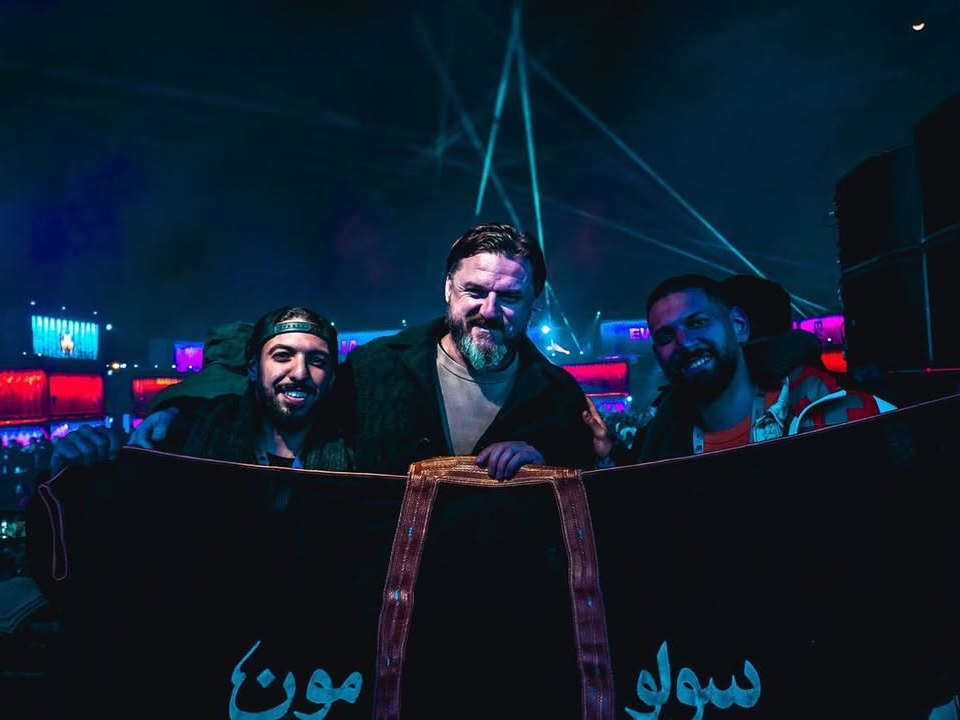
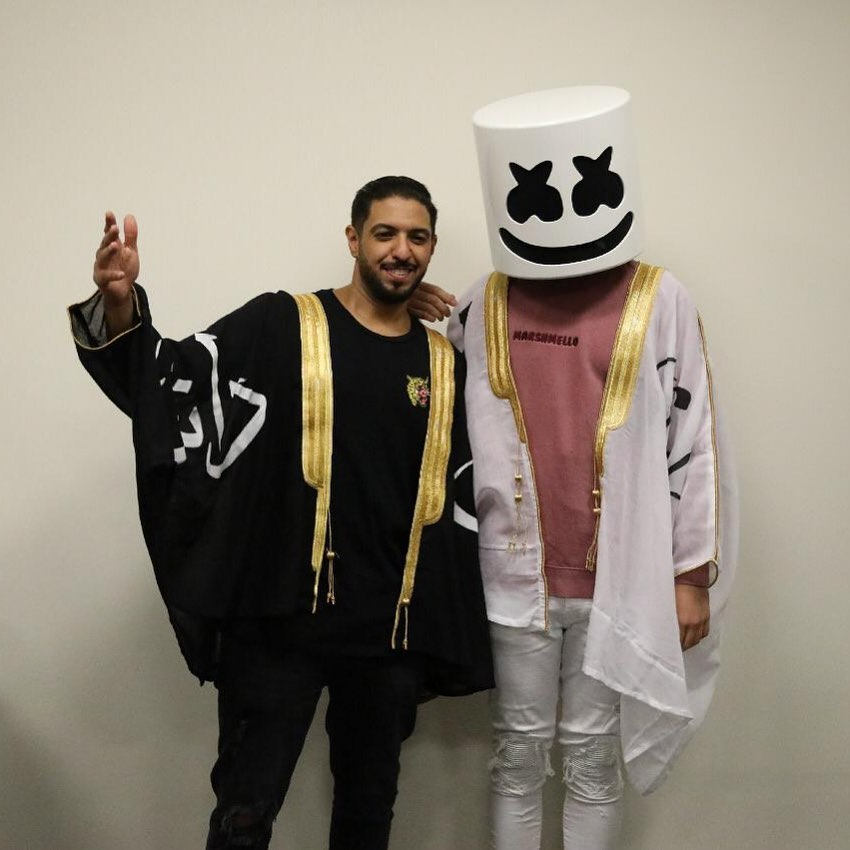
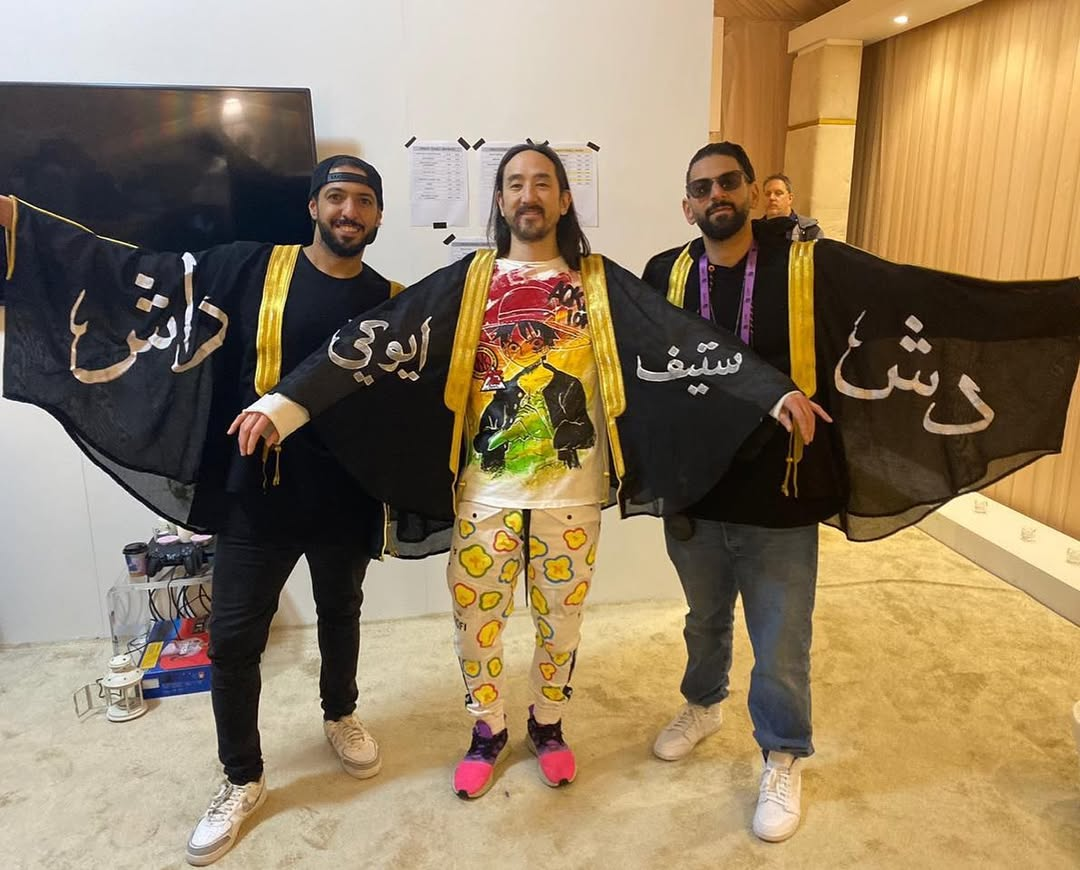
In his music and culture collaborations, Zahed takes his visual language into the live-entertainment arena, creating custom, stage-ready pieces that merge Saudi heritage with festival energy. He has dressed Steve Aoki in a custom-made bisht for MDLBEAST, created custom work connected to Marshmello during Jeddah Season, and appears in the orbit of global electronic culture through figures like DJ Solomun. Beyond styling, he also contributes credited artwork for music releases, treating cover art as another exhibition space where image and sound travel together.
Behind the scale and symbolism is a simple drive: to connect. Khaled Zahed keeps returning to people, to how they react, what they feel, what they take home in their own words. As the work grows, that exchange stays at the center, and the story keeps opening.
And maybe that is the real bravery he’s describing: not just making the unexpected, but trusting the public to meet it with curiosity. His practice leaves space for the pause and in that pause, meaning arrives, quietly, and then refuses to leave.
Discover more artist stories at KSAArt.