Fatma Abdulhadi: Remembering Through Print, Scent, and Shadow
Explore Fatma Abdulhadi’s layered silkscreen practice, where print, scent, and shadow transform personal memory into shared, immersive spaces.


Explore Fatma Abdulhadi’s layered silkscreen practice, where print, scent, and shadow transform personal memory into shared, immersive spaces.
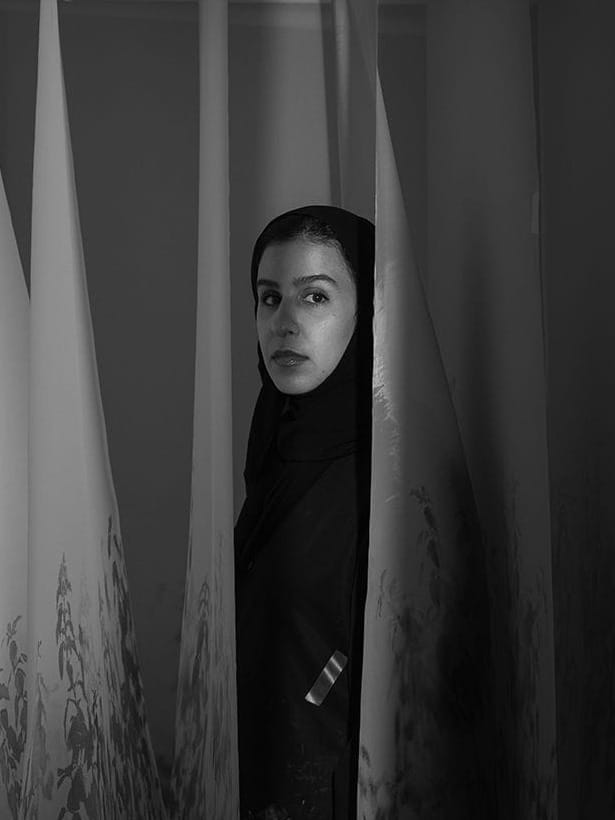
“The layers in my prints symbolize the process of remembering.”
Remembering, for Fatma Abdulhadi, does not arrive as a single image. It arrives in layers, the way a life returns to you in fragments. The first layer is almost always sensory: the way a home smells after coffee, the green sharpness of basil on fingertips, the quiet choreography of light across a hallway at dusk. In her world, these details are not background. They are the base layer that holds everything else.
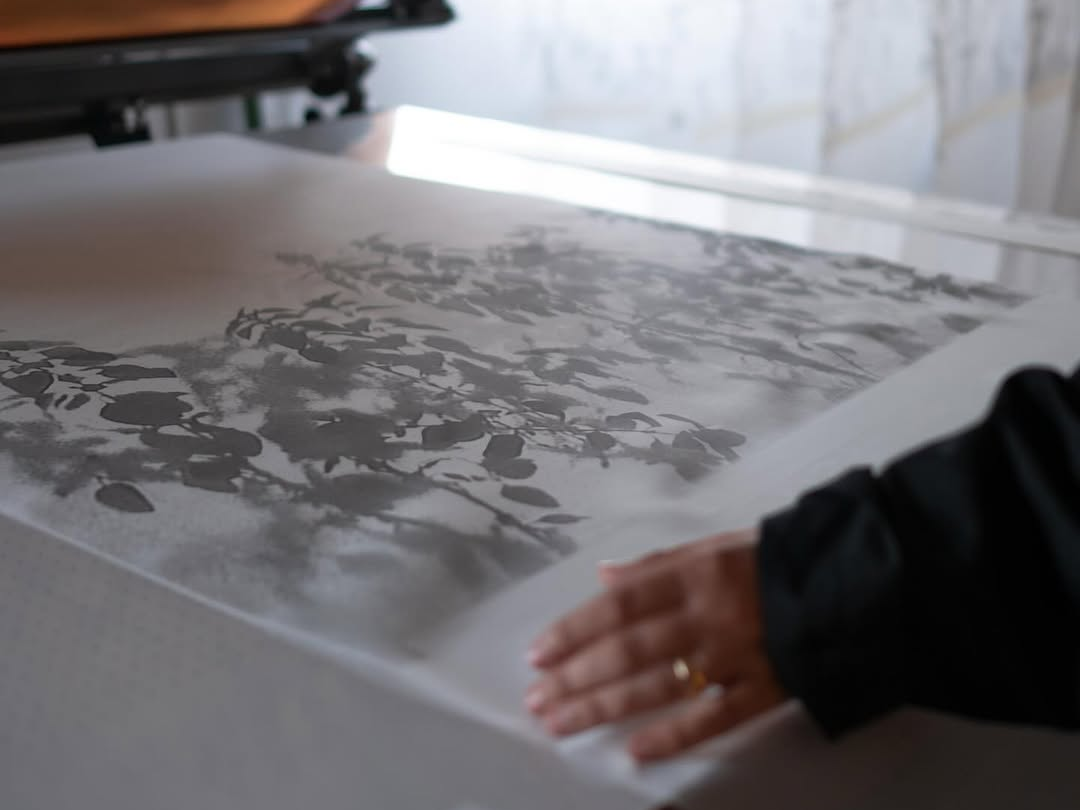
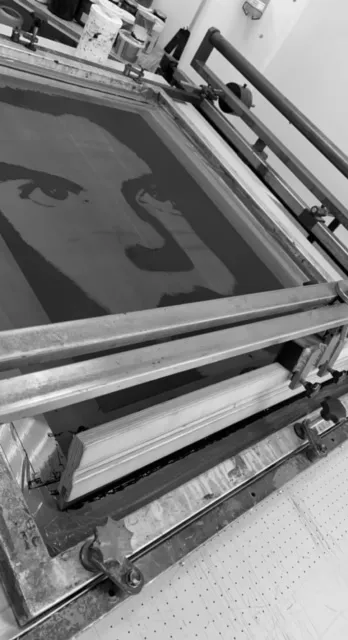
Fatma Abdulhadi's practice begins with silkscreen printing and moves outward into installation, where mesh becomes architecture and pigment becomes memory. She does not treat print as reproduction. She treats it as presence. Something layered, permeable, and intimate enough to hold what people rarely say out loud.
Her work lives in the space where the personal becomes communal. Stories don’t remain private for long, not when time keeps rewriting them through shared moments. That is why her installations feel less like objects and more like living arrangements of remembrance: surfaces that overlap, dissolve, and return.
Born in Riyadh in 1988 and active in the local art scene since 2011, Fatma Abdulhadi’s trajectory has been shaped by repetition, patience, and steady expansion. Early exhibitions in Saudi Arabia sit alongside an evolving international presence, including projects and presentations across cities such as
Milan, New York, Berlin, and Morocco.
Two residencies stand out as quiet turning points. A residency in Morocco in 2014 and an international residency in Berlin in 2020 broadened her visual vocabulary without diluting her grounding. Instead, they sharpened what she already seemed to know: that cultural memory is not fixed, and that the most personal symbols can become communal when treated with care.
Abdulhadi’s biography is also a story of infrastructure. For years, she has been recognized as a leading teaching artist, running the Misk Art Institute silkscreen studio while maintaining her own private practice. In a scene that is rapidly growing, this matters. Technique becomes language. Studios become meeting points. Knowledge becomes something shared, not guarded.
Her workshops across Riyadh and other cities have helped normalize silkscreen as both craft and contemporary medium. This role is often described in a single sentence, but its impact is larger: she is part of the reason a new generation can speak fluently about process, layering, and discipline, not as limitations, but as creative freedom.
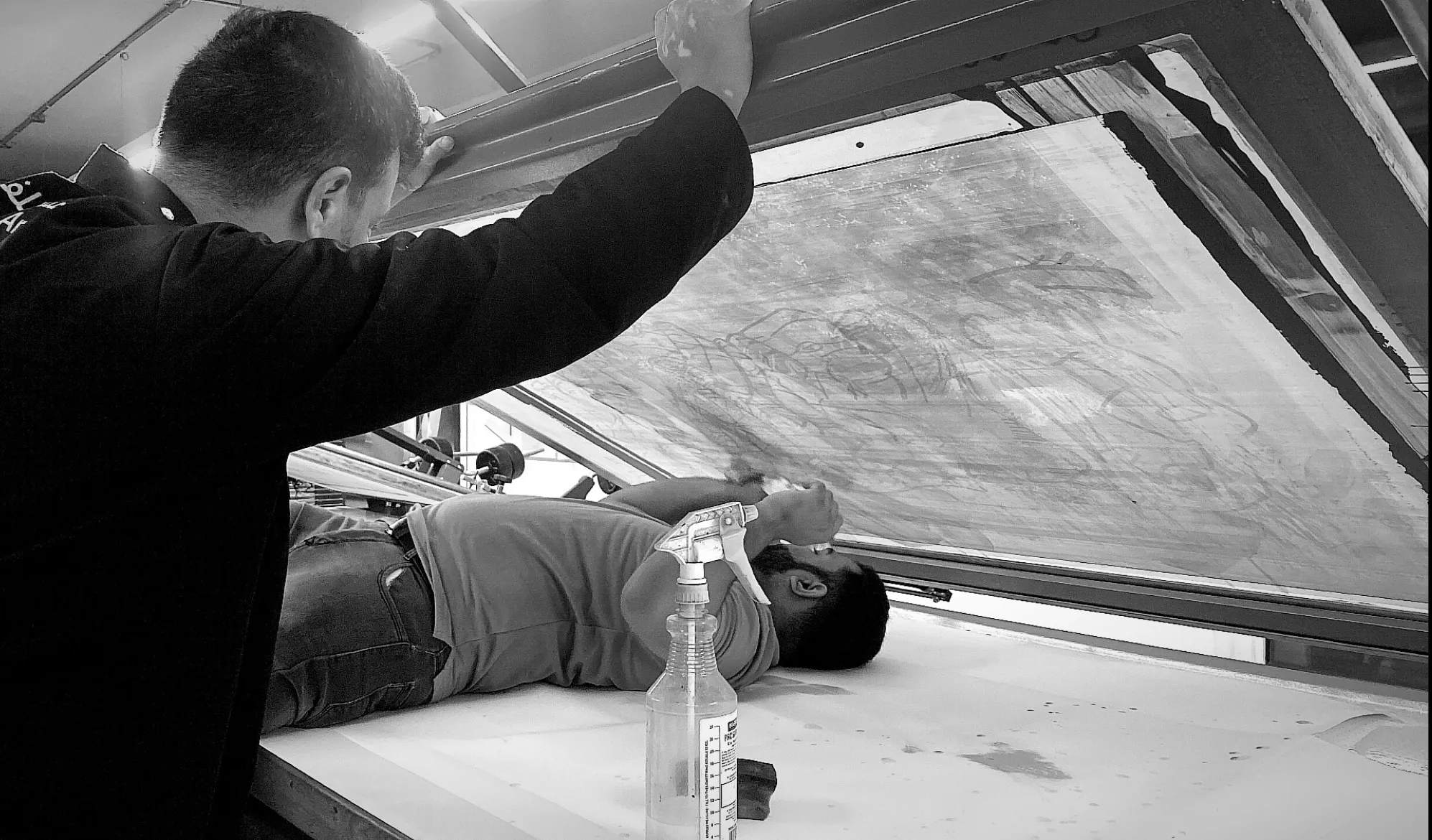
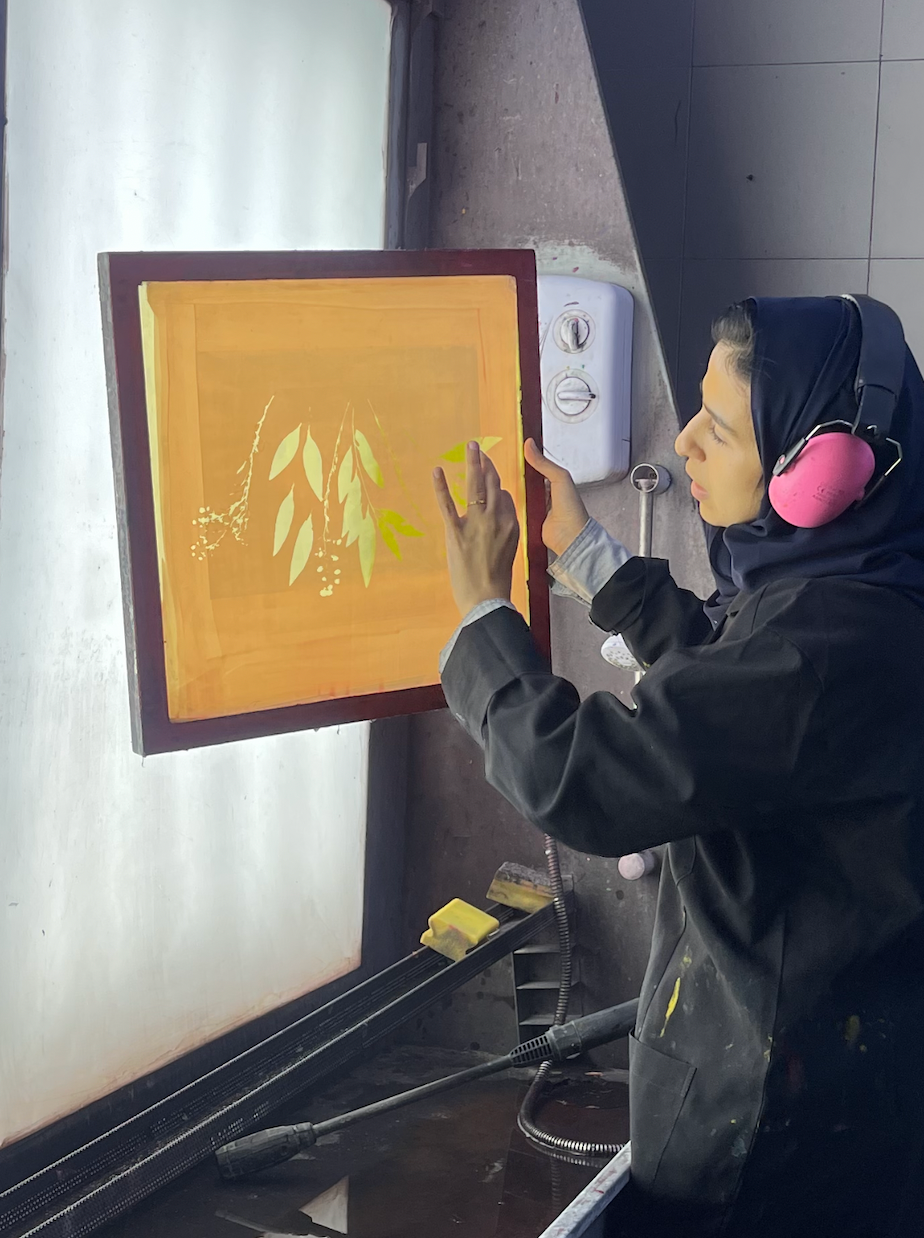
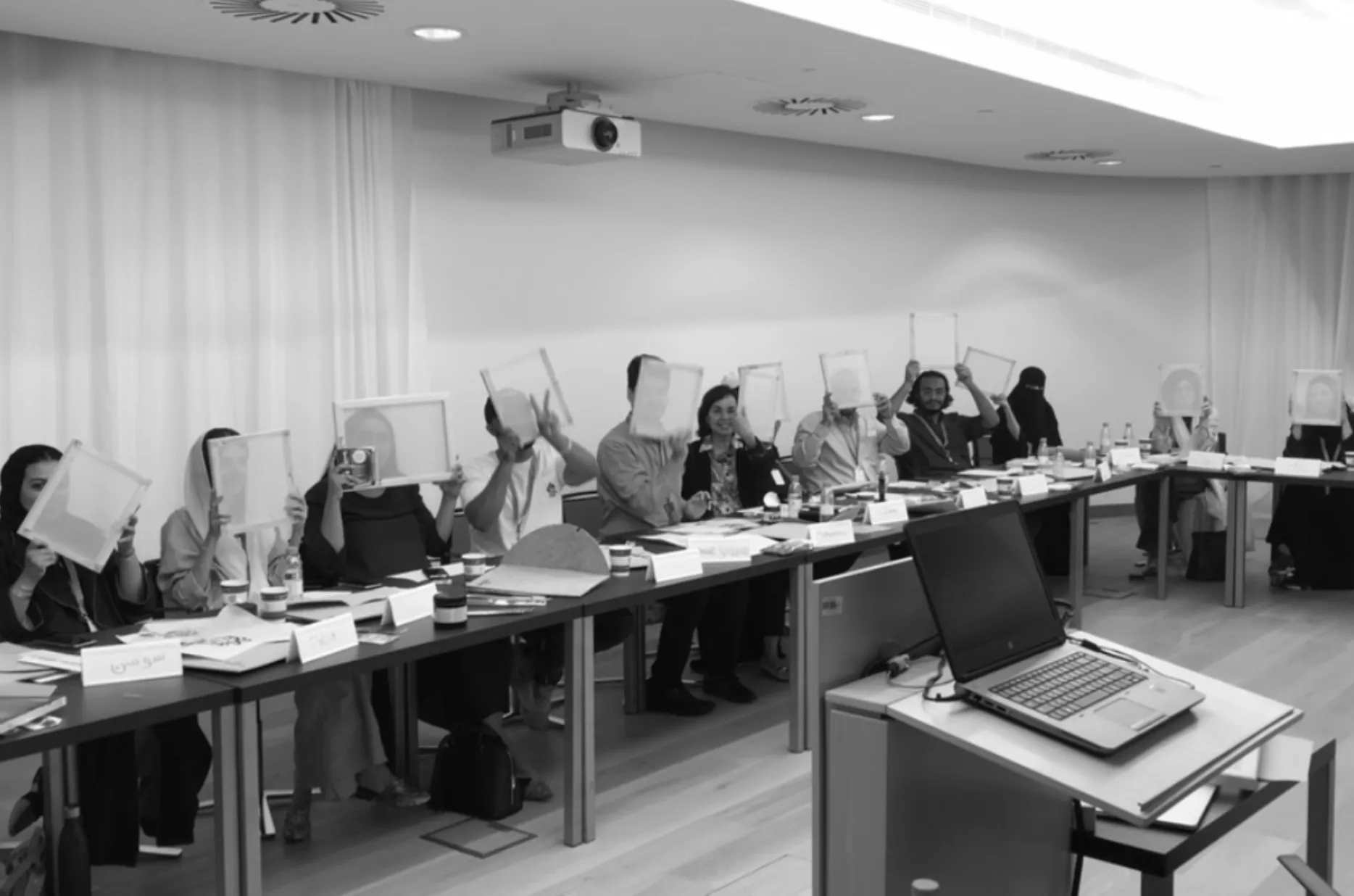
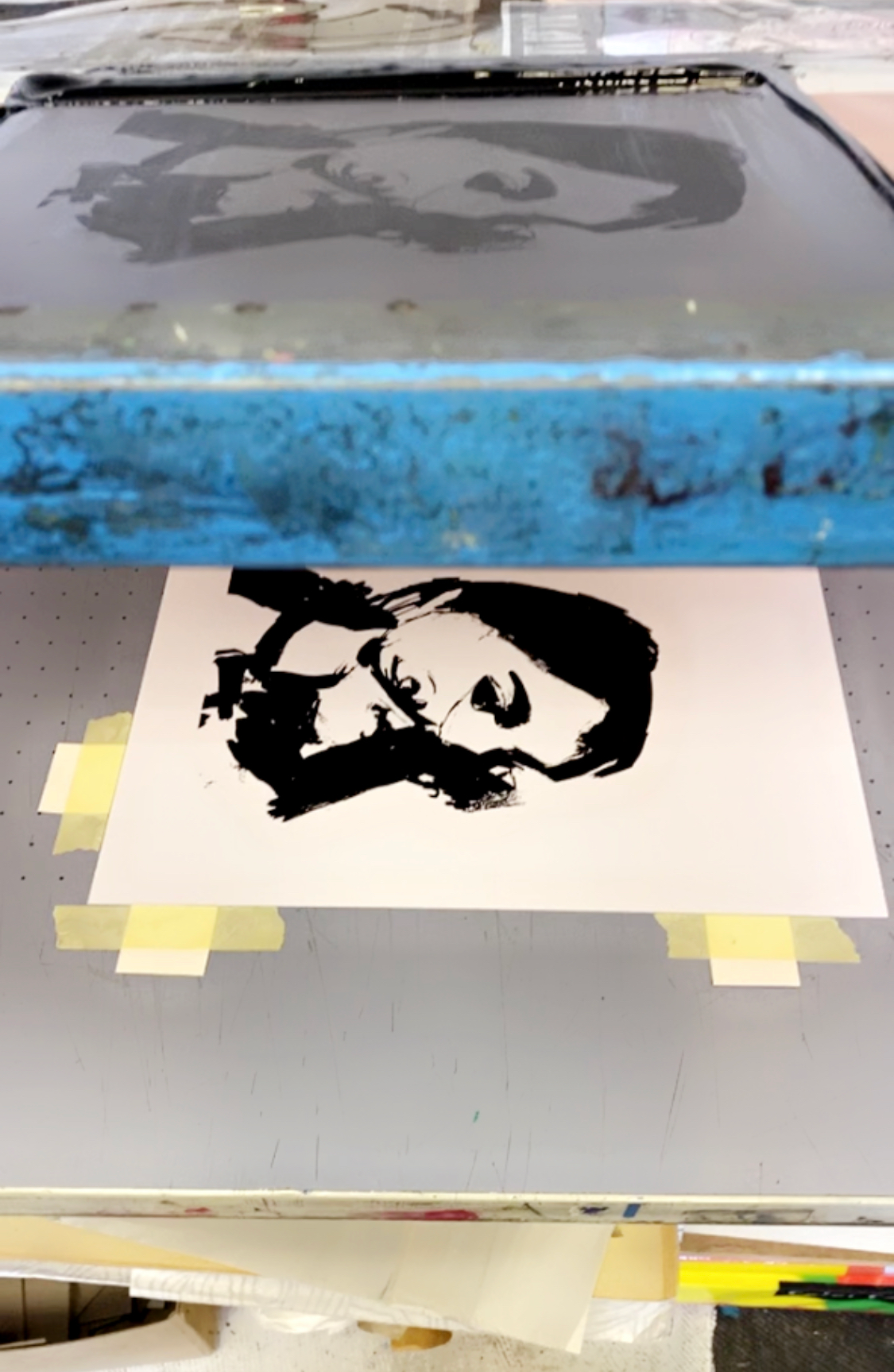
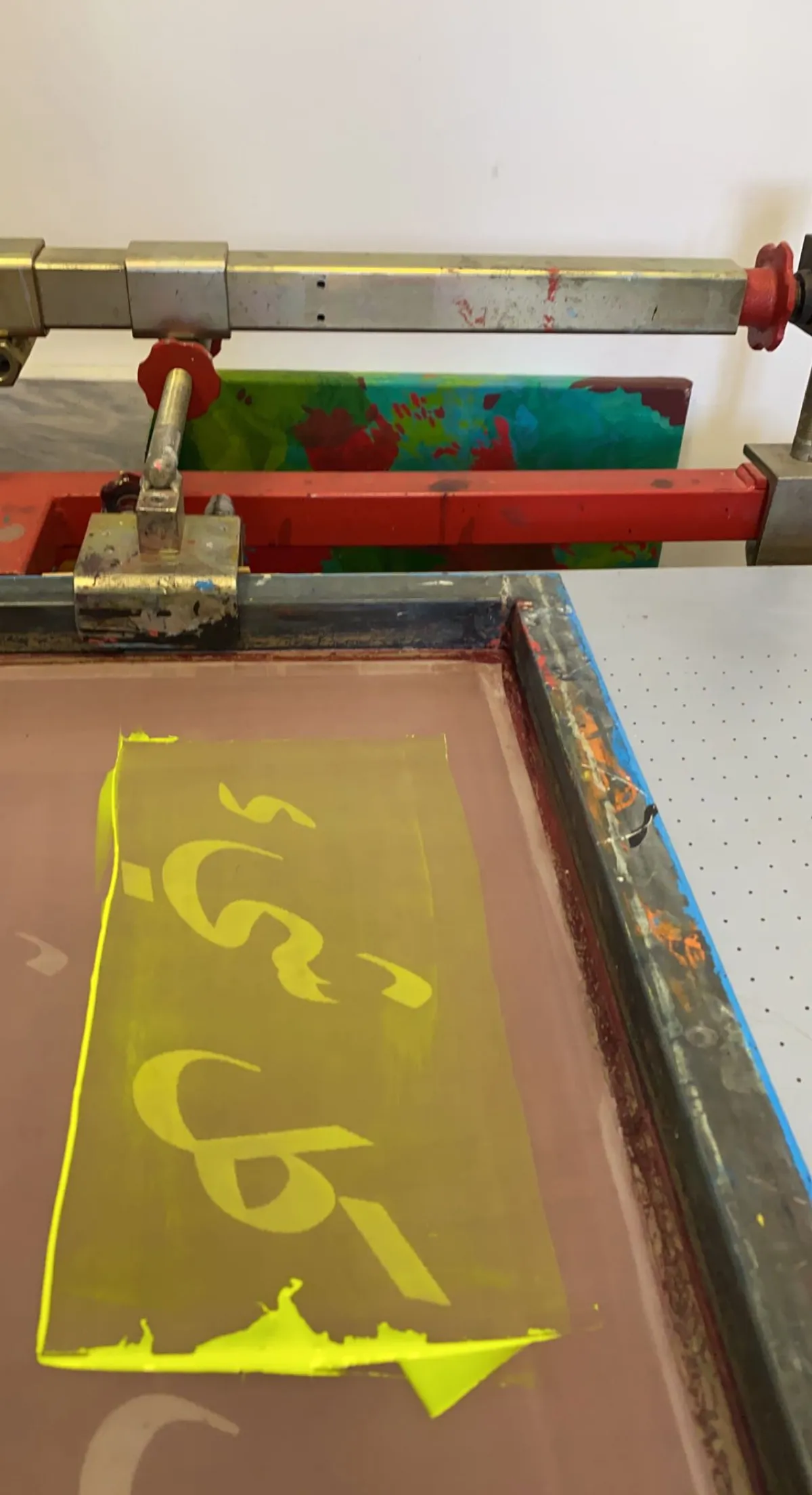
Fatma Abdulhadi’s artistic statement reads like a manifesto for sensory truth. She describes memory as something that evolves from the personal into the collective, and she makes that evolution tangible through method. Working with silkscreen printing, she creates pigments from plants, seeds, and other natural materials, embedding scent, texture, and history into each layer. Color, in her world, is never only color.
The layers in her prints symbolize the process of remembering: personal and collective memories overlapping, interacting, sometimes dissolving into one another, ultimately forming a redefined narrative. This is why her work feels both emotionally immediate and conceptually precise. It does not demand explanation. It invites recognition.
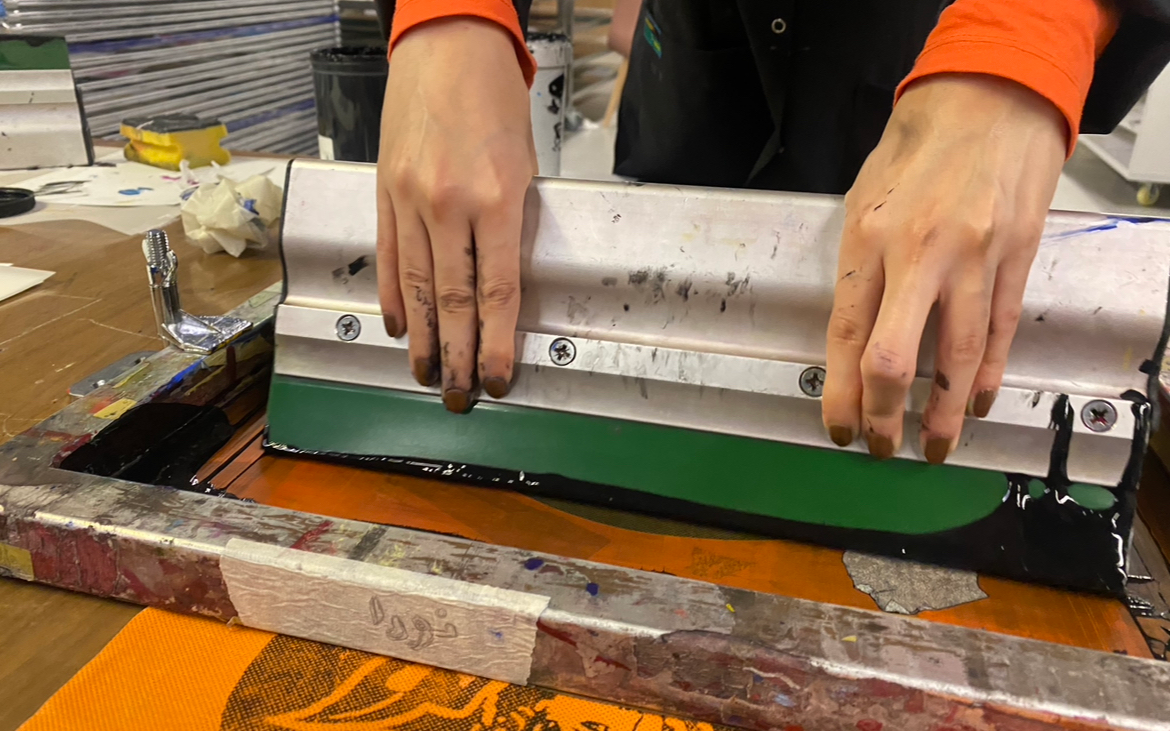
This 2026 work marks a striking material shift: makeup and kohl used as print on mesh at monumental scale. The choice is intimate and culturally resonant. Kohl belongs to rituals of beauty, protection, and selfhood, and in Fatma Abdulhadi’s hands it becomes a register of presence.
The darkness in the title is not emptiness. It is a space where something glows. A suggestion that identity is not always declared loudly, sometimes it is sensed, like a trace left on fabric.
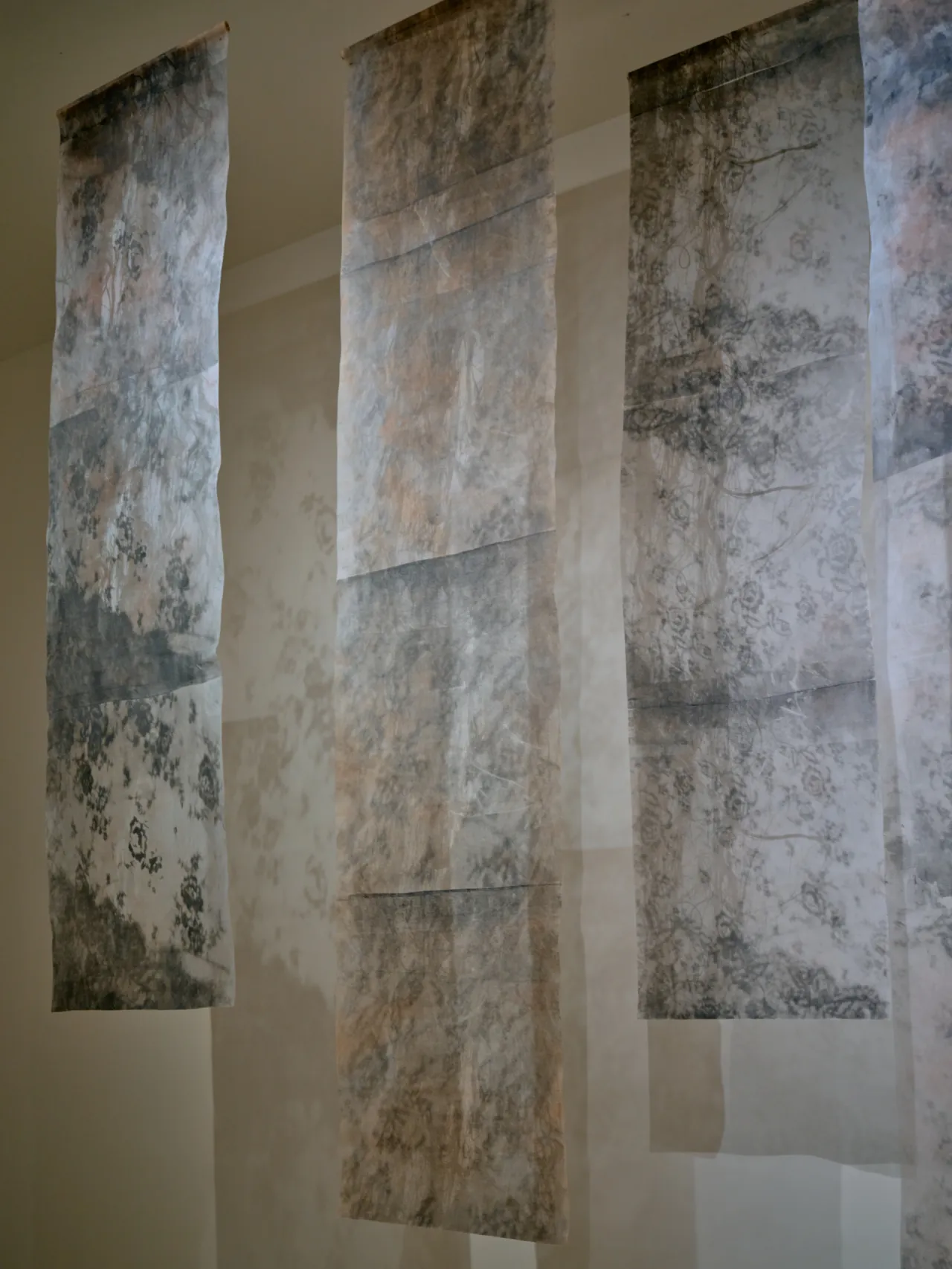
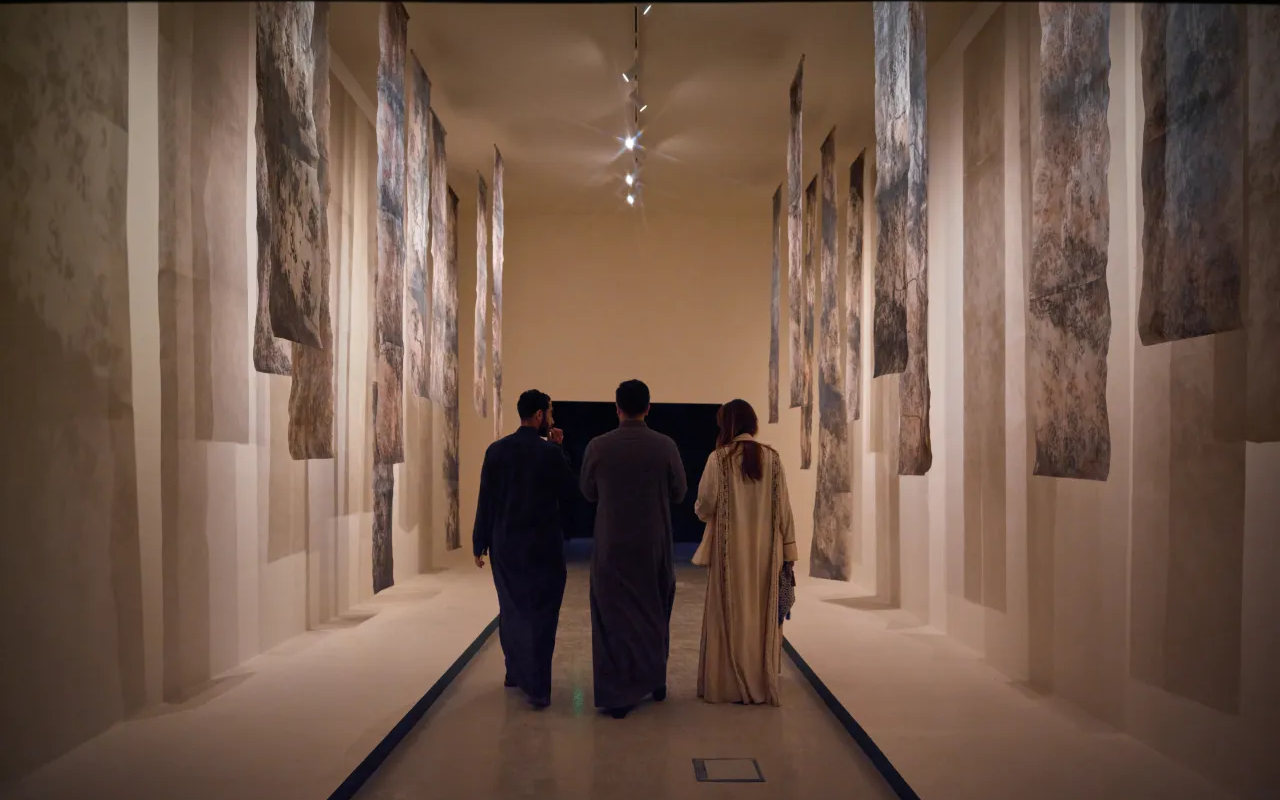
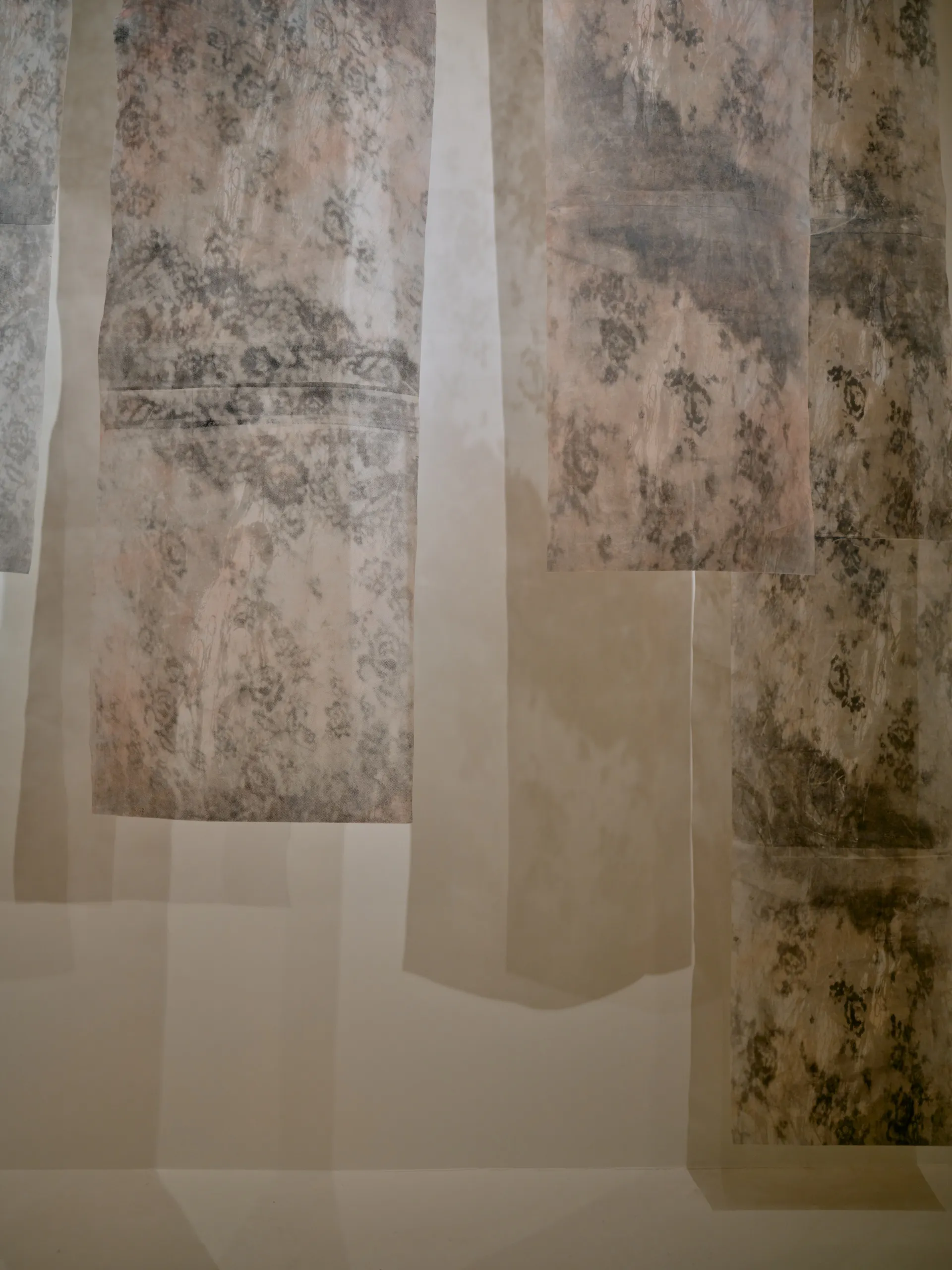
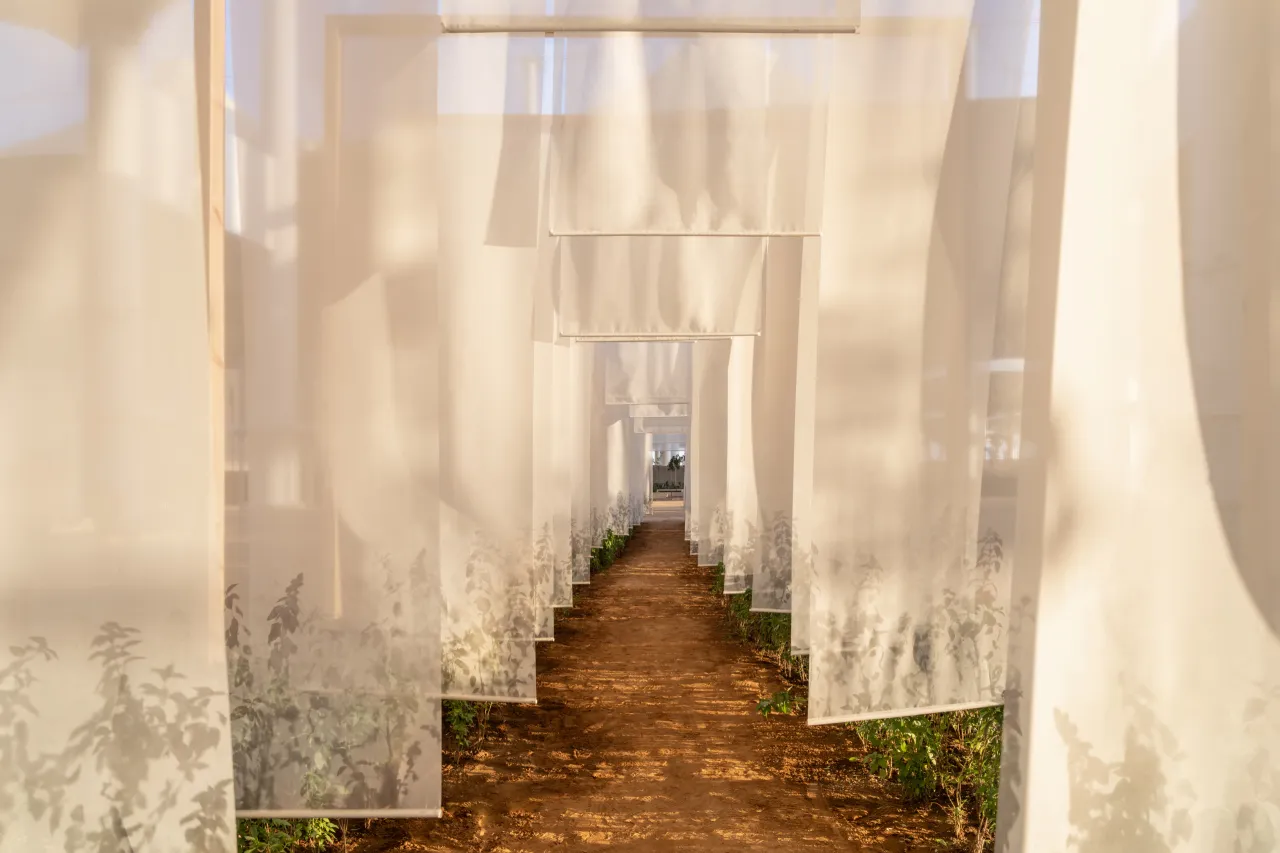
This immersive installation is built like a passageway, a place you move through rather than observe from a distance. Screen print on mesh is paired with basil plants and wooden archway structures, turning remembrance into an environment. The mesh holds imagery lightly, as if it could vanish at any moment, while the basil insists on presence through scent.
The work carries the emotional register of prayer without becoming illustrative. It lets grief be gentle, communal, and physical, held in air and light, then released.
In this work, Fatma Abdulhadi builds a quiet garden of printed mesh and living basil, an atmosphere shaped as much by fragrance and shade as by image. The basil carries her back to family rituals passed down from her mother, turning memory into something physical and shared. Visitors are invited to pause, to sit with what is fading, the smell of basil, lost memories, inner emotions that rarely surface in public.
Made for Taipei Biennial 2025 and supported by the Diriyah Biennale Foundation, the installation extends her ongoing conversation with I Wish You in Heaven, continuing her practice of translating care and connection into layered, breathable space.
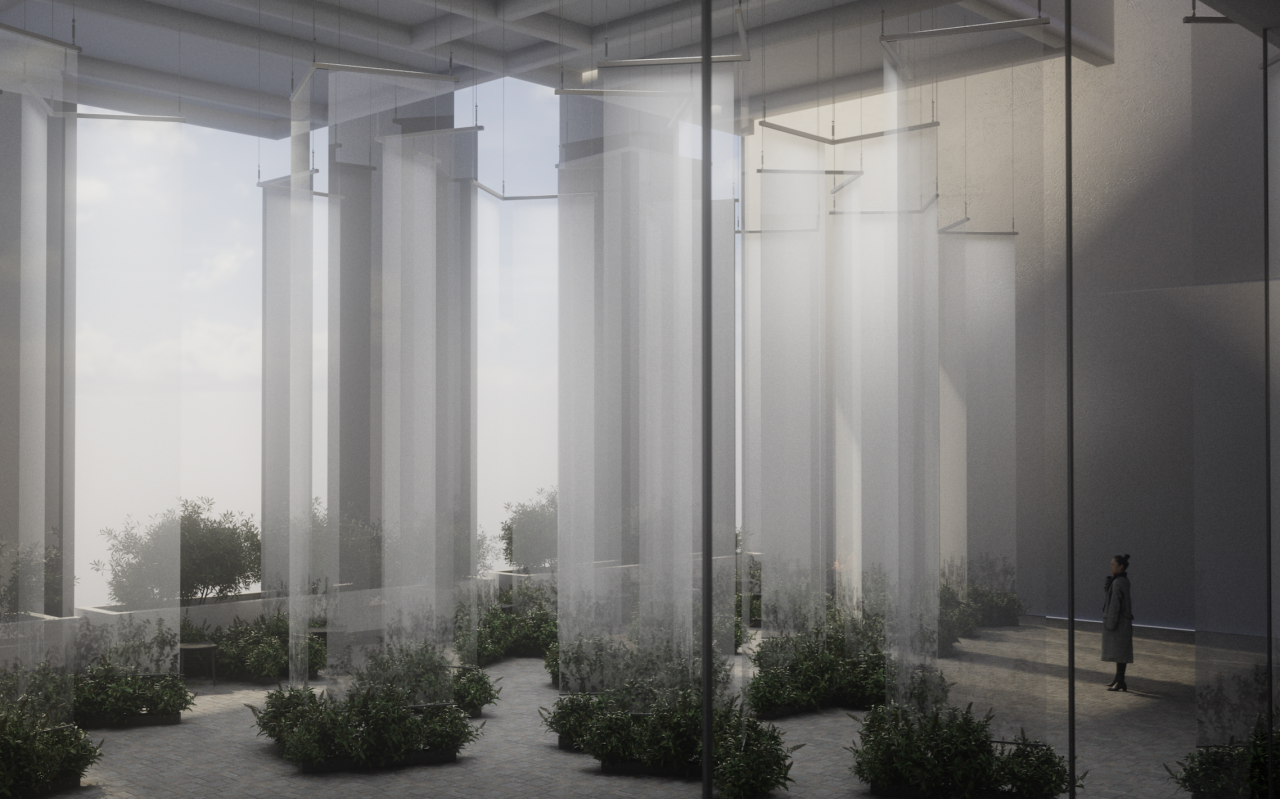
In سَيُشفىَ | It Will Heal, commissioned by the Saudi Arabia Museum of Contemporary Art (SAMOCA), Fatma Abdulhadi transforms inherited knowledge into spatial form. Inspired by an old remedy book and the familiar reassurance “it will heal you, inshallah,” the installation unfolds through suspended layers of charcoal drawings and silkscreen on mesh, creating a shifting environment that feels both intimate and expansive.
The work stages a quiet dialogue between humans and nature. Just as plants adapt, communicate, and endure, the layered surfaces move gently in space, suggesting that healing is not a fixed outcome but an ongoing process. What emerges is not a cure, but a continuity, a deep-rooted relationship between care, belief, and the natural world.
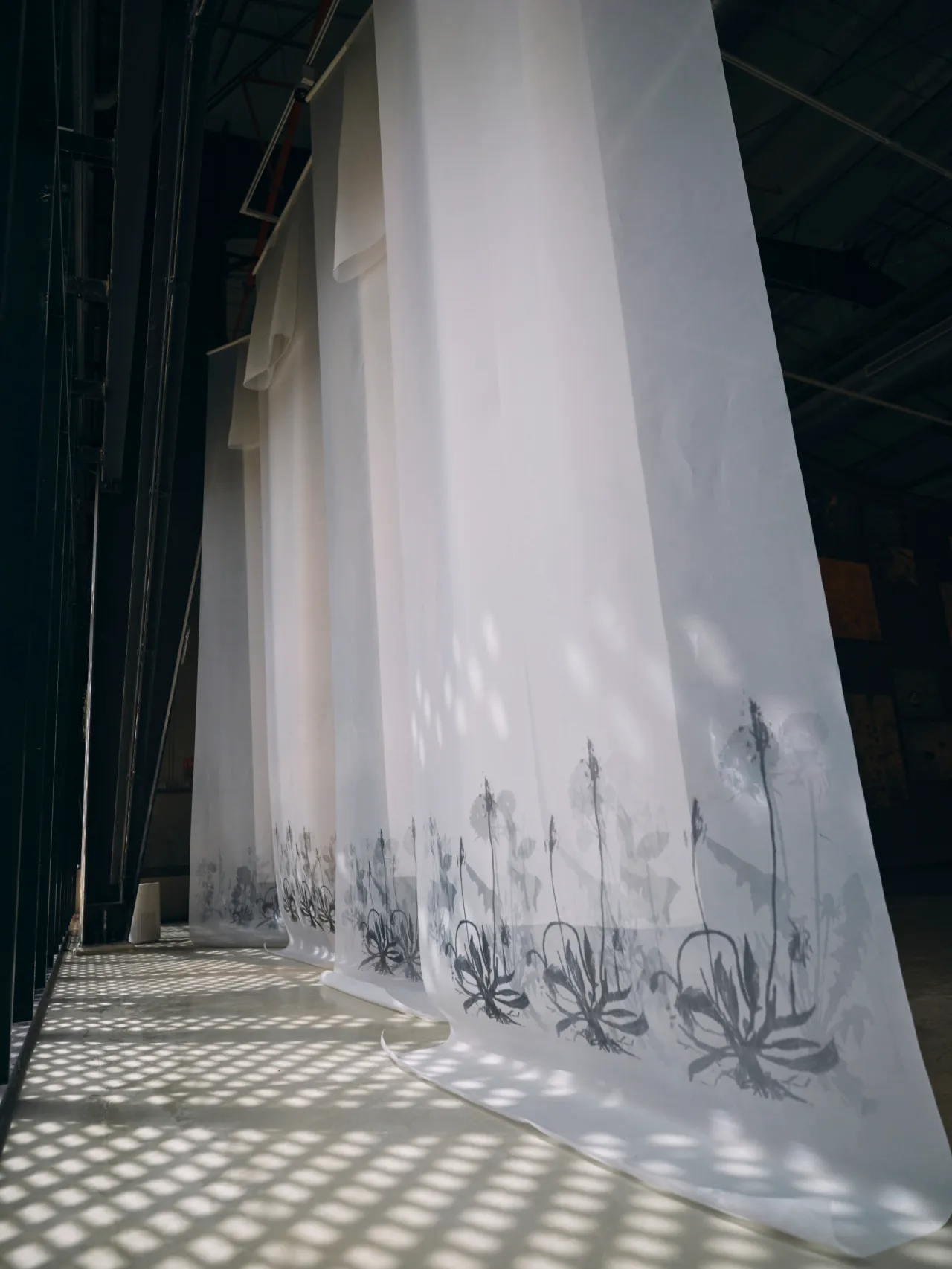
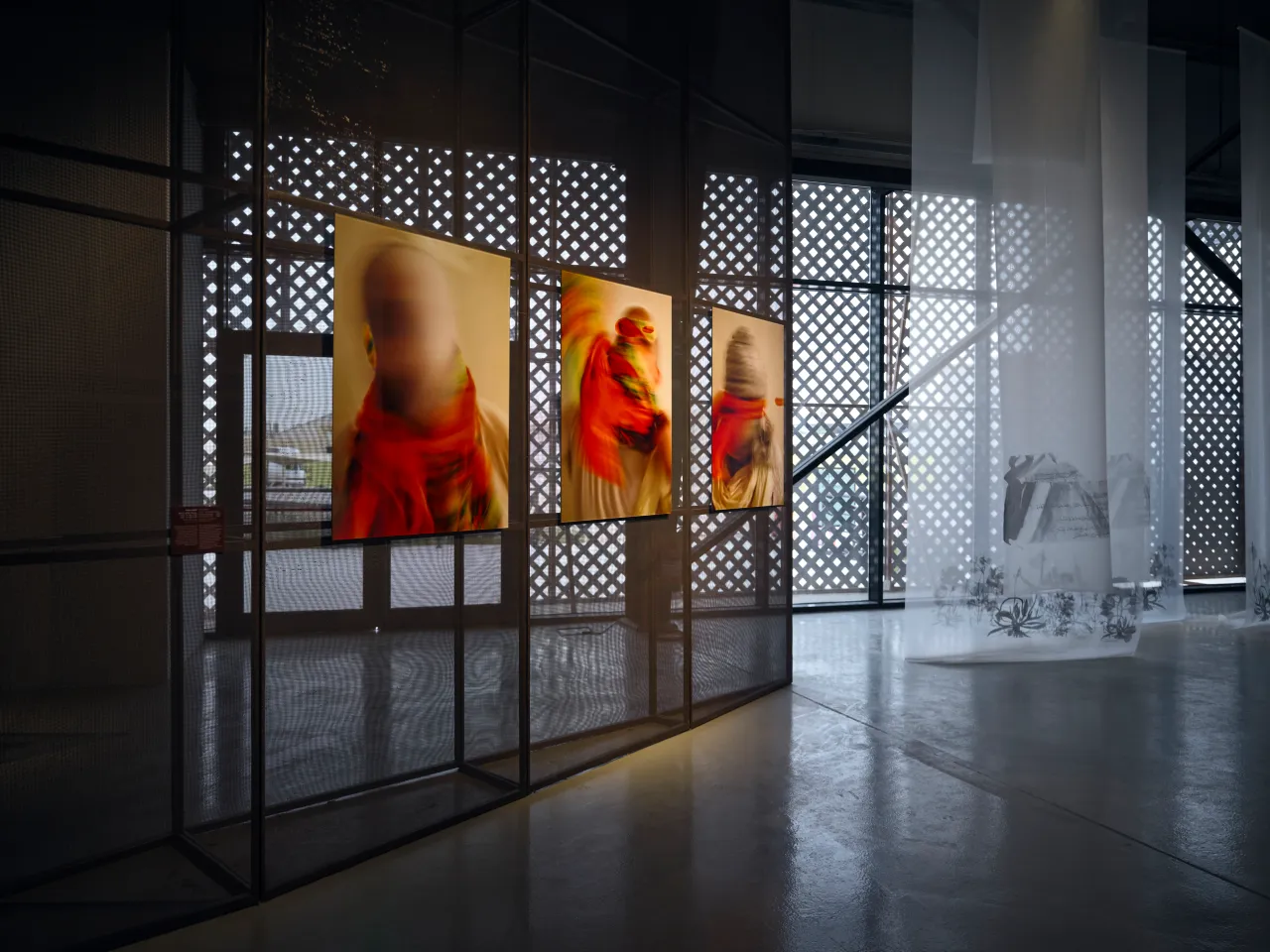
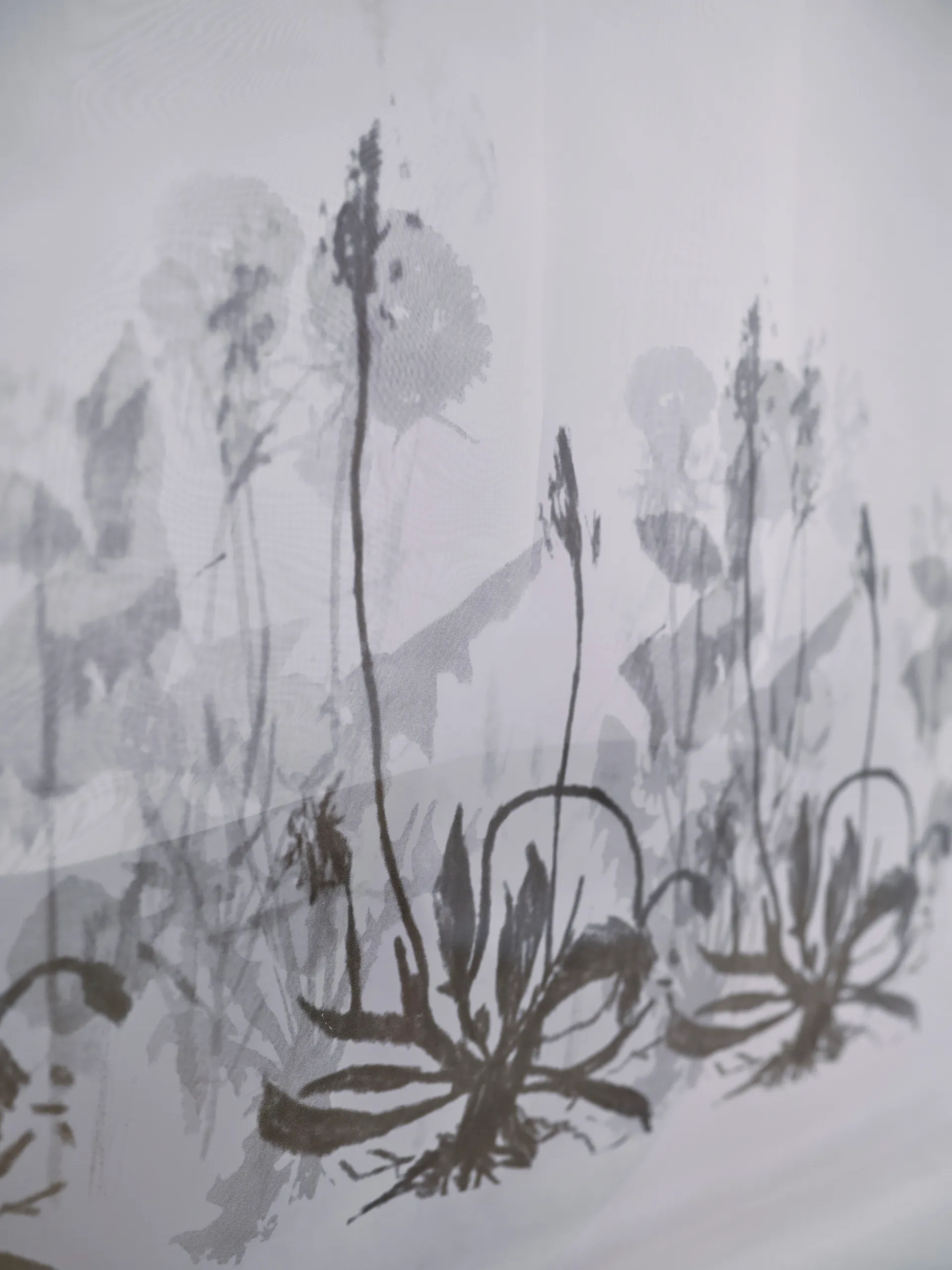
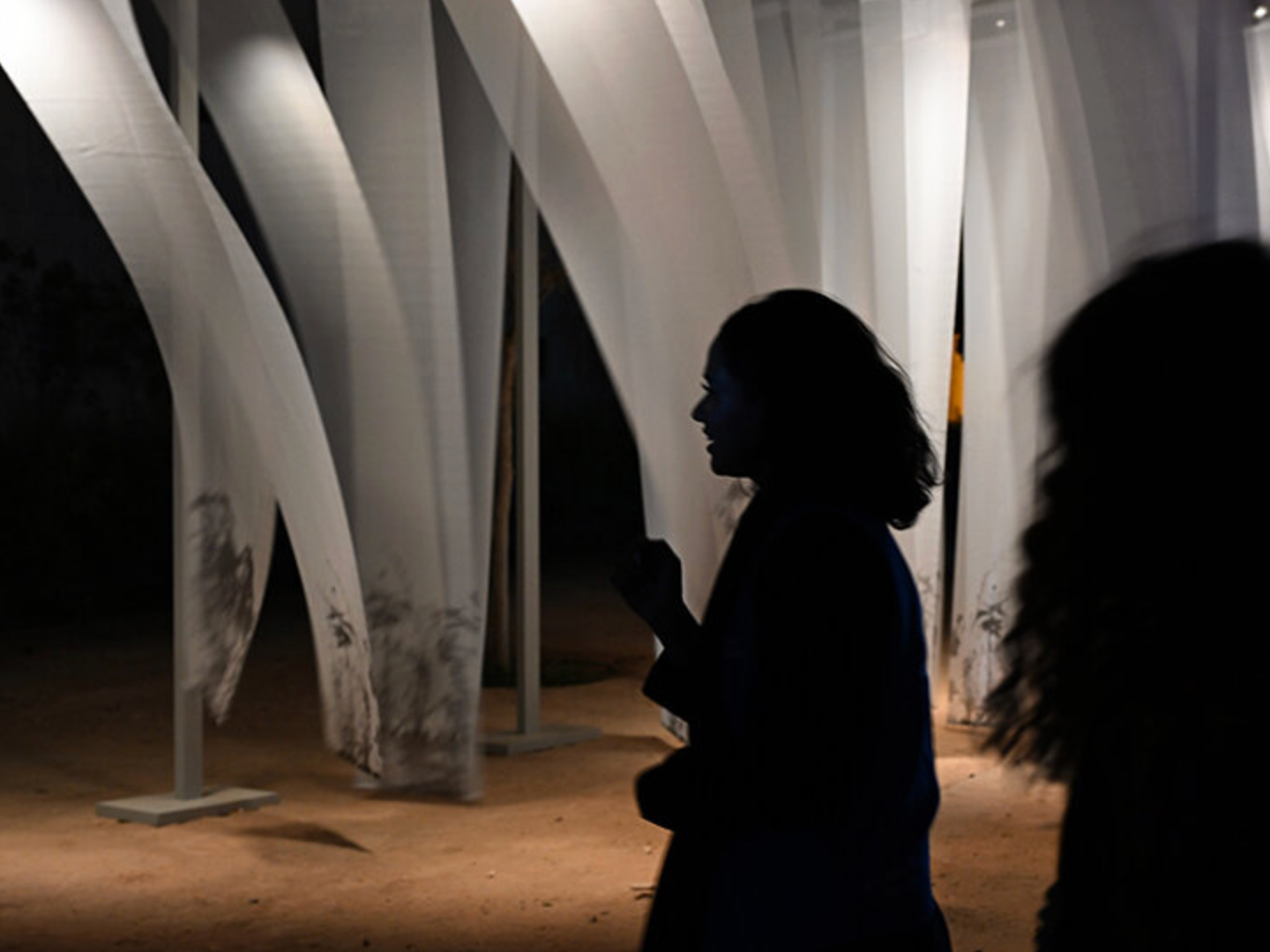
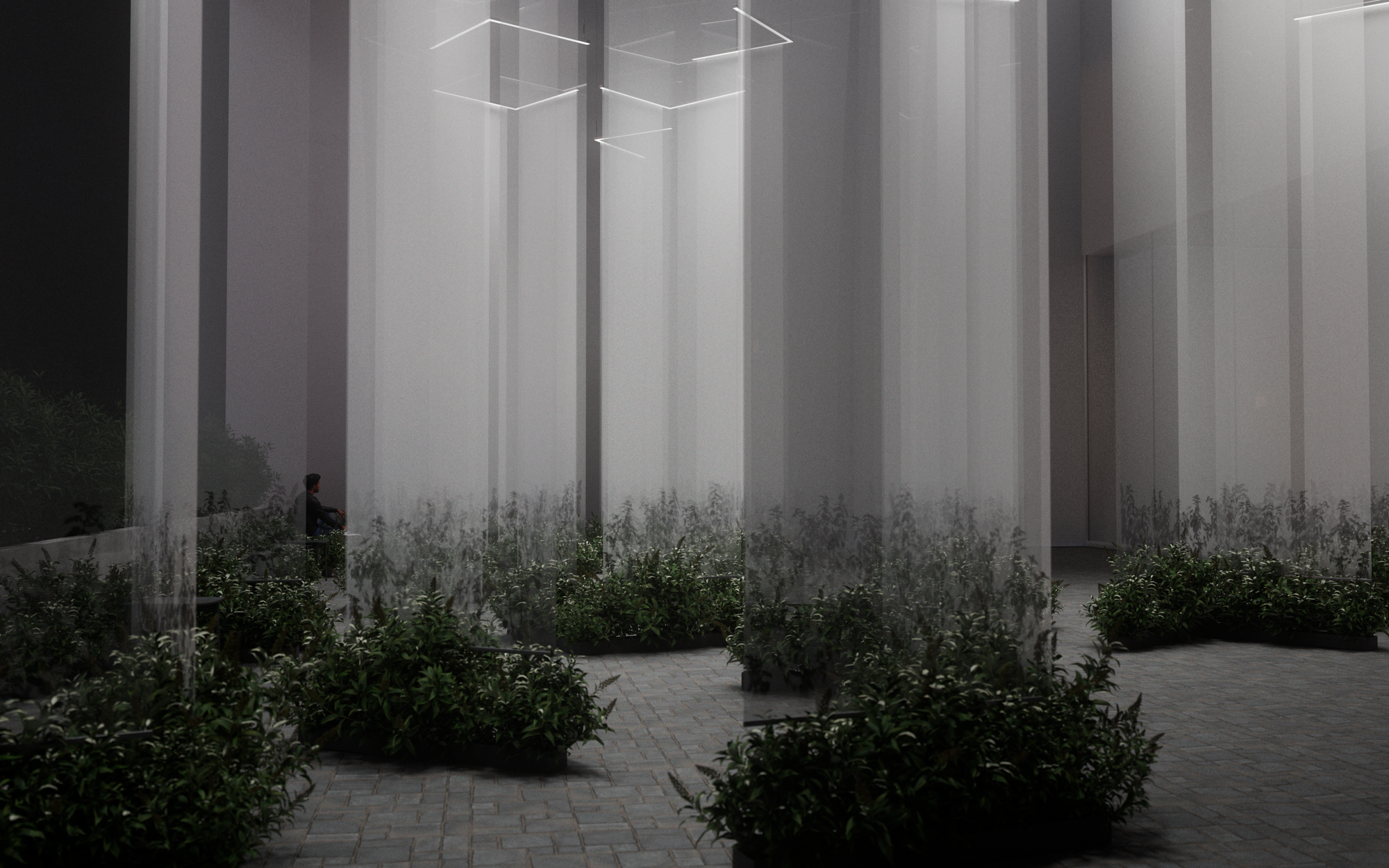
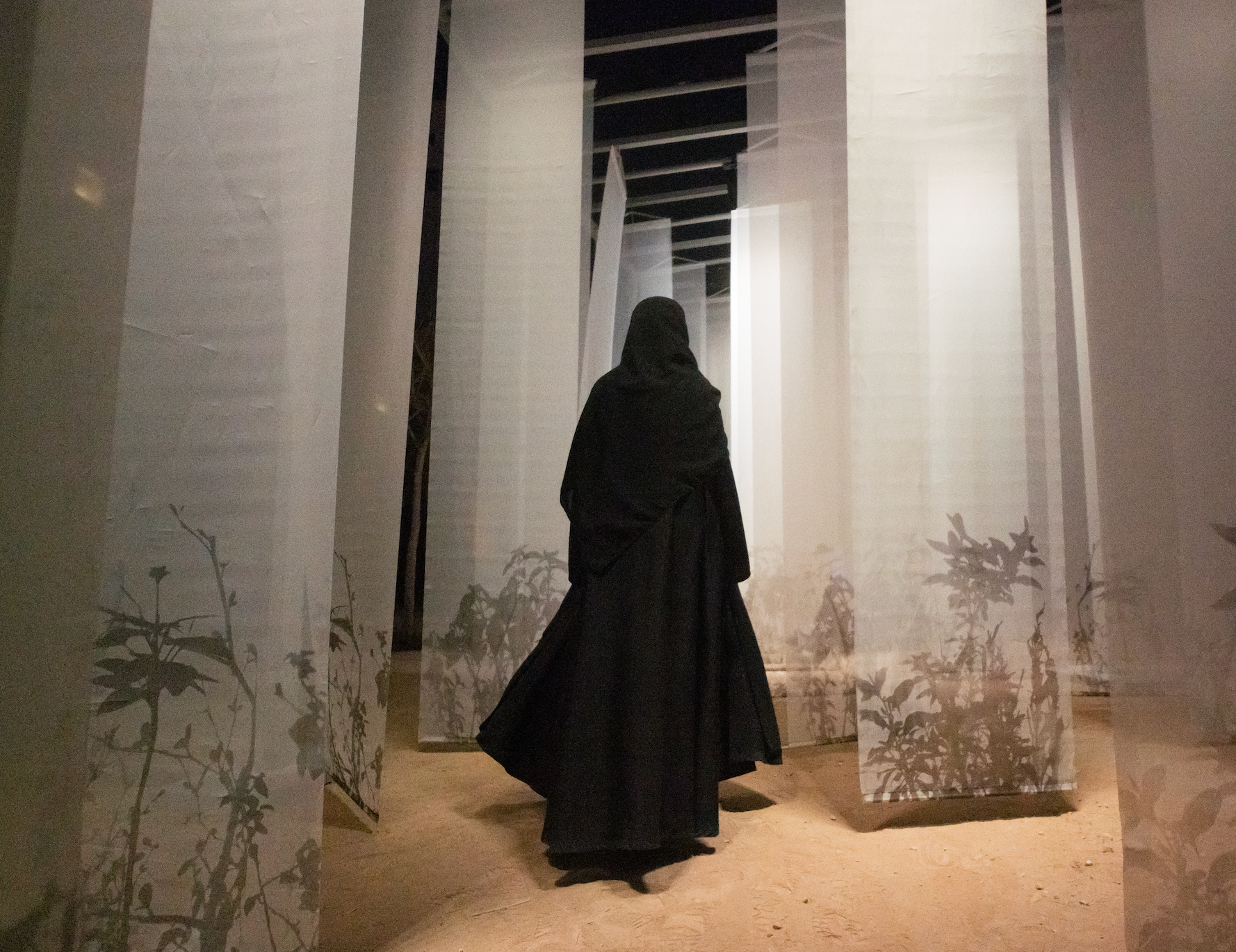
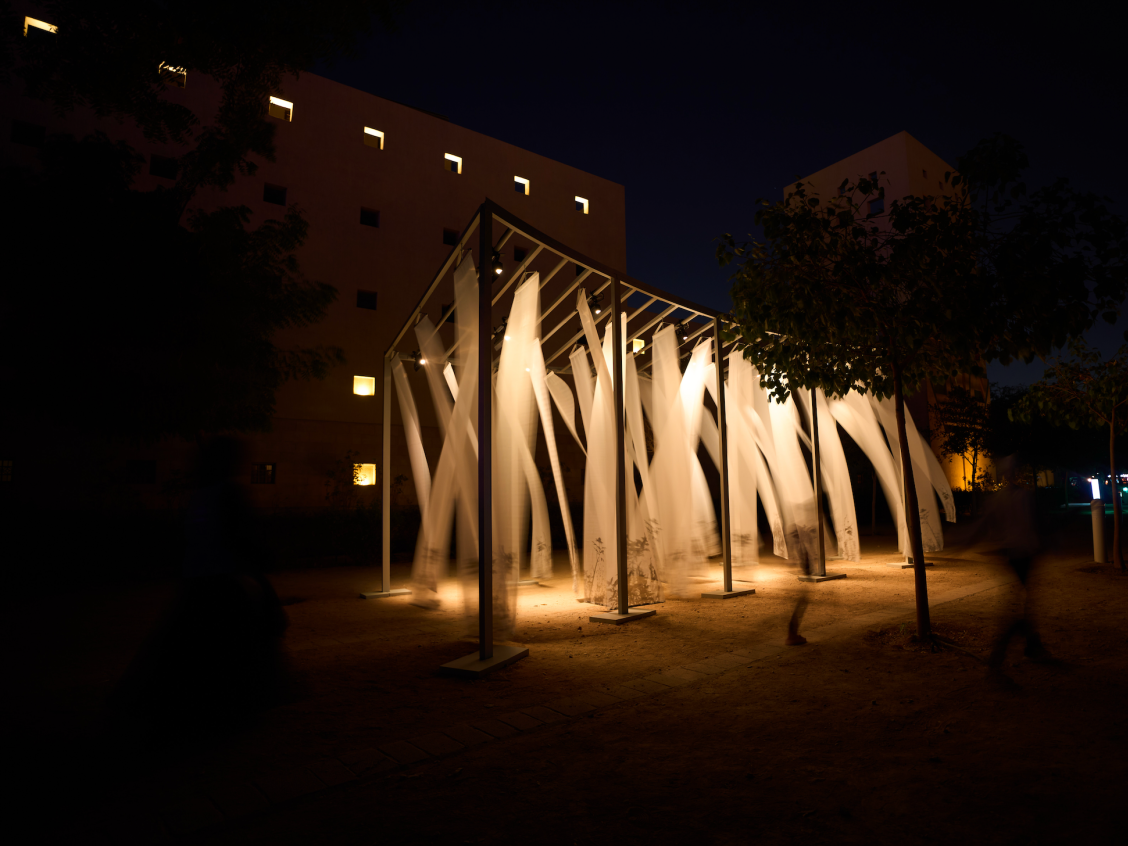
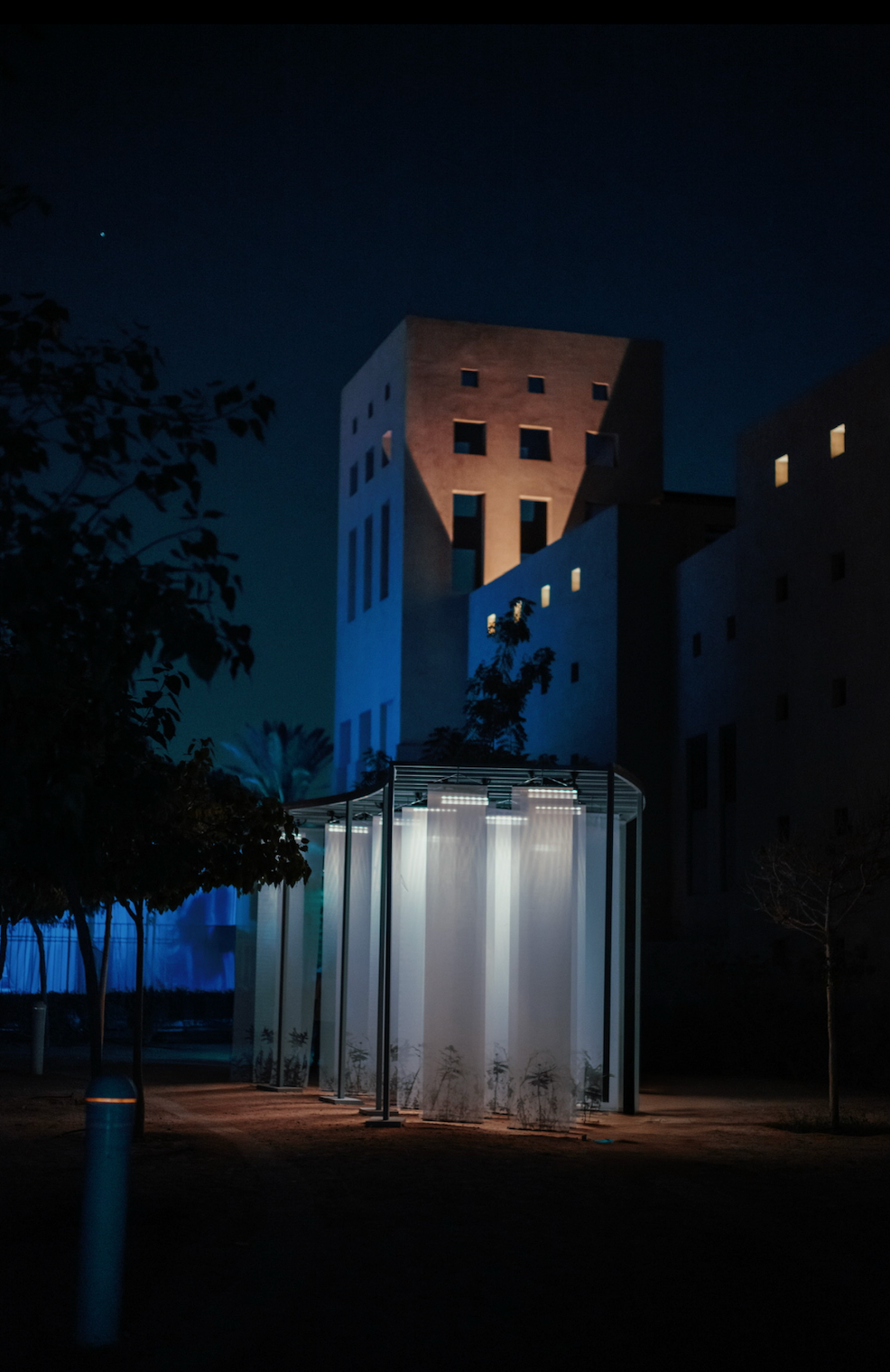
This installation unfolds like a quiet threshold, a shadowed garden you enter rather than observe. Translucent fabrics hang lightly in space, catching and releasing light as it moves, turning the room into a shifting field of silhouettes. Mesh becomes atmosphere. Shadow becomes image.
A single moving light guides the experience, asking the viewer to follow illumination as it drifts across surfaces. Shadows multiply gently: the fabric’s outline, the body’s trace, the slow passing of time itself. Installed within the stillness of the King Abdulaziz Historical Center for Noor Al Riyadh 2025, the work offers a space for pause and inward attention. It holds healing and growth in suspension, allowing reflection to gather softly before dissolving again into light.
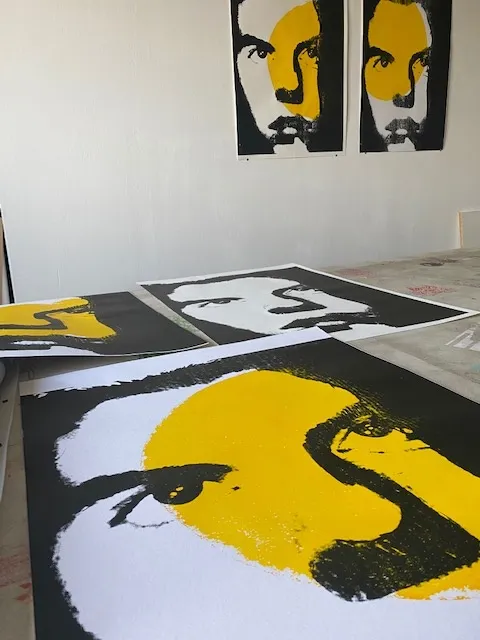
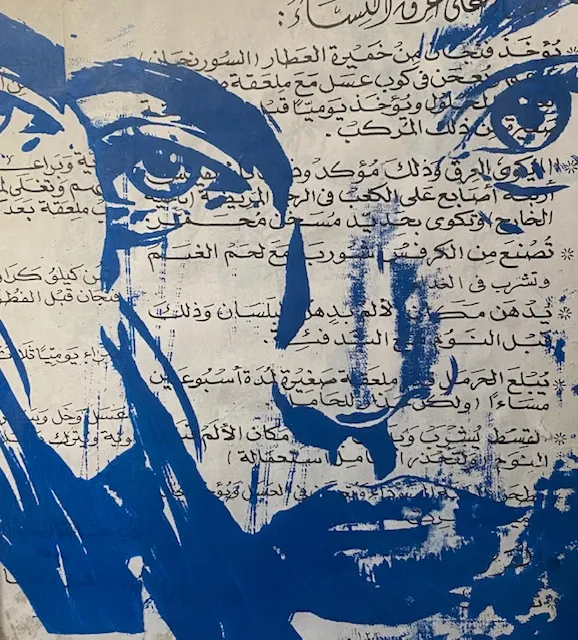
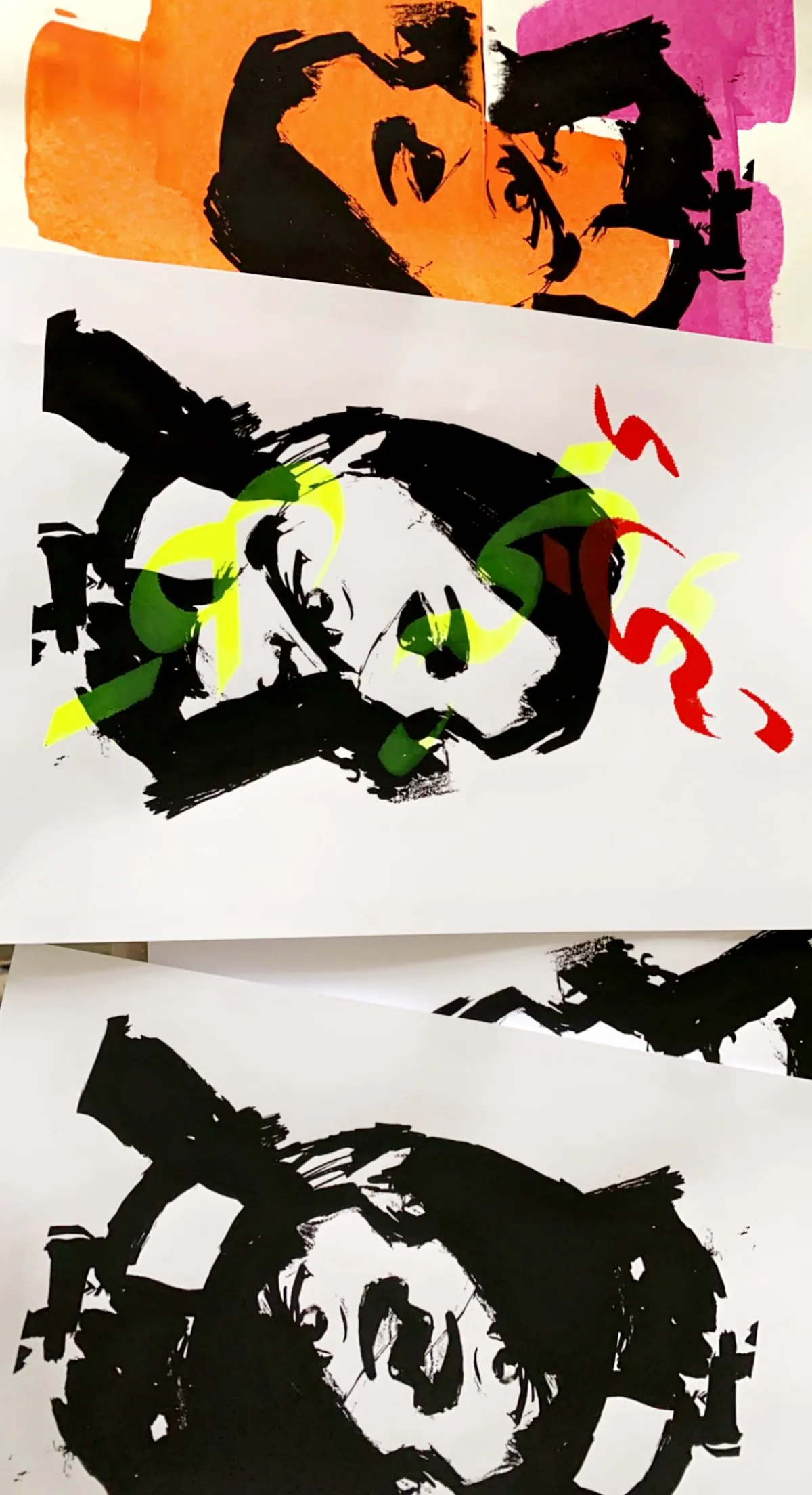
Created as two color screen prints on paper in Berlin, From Many explores identity through hybridity. Facial features merge into a shared face, shifting the viewer away from the idea of a single fixed self and toward something collective and layered.
The work feels aligned with her broader interest in how individual experience merges into communal memory. Difference is not erased. It is held together, made stronger by its complexity.
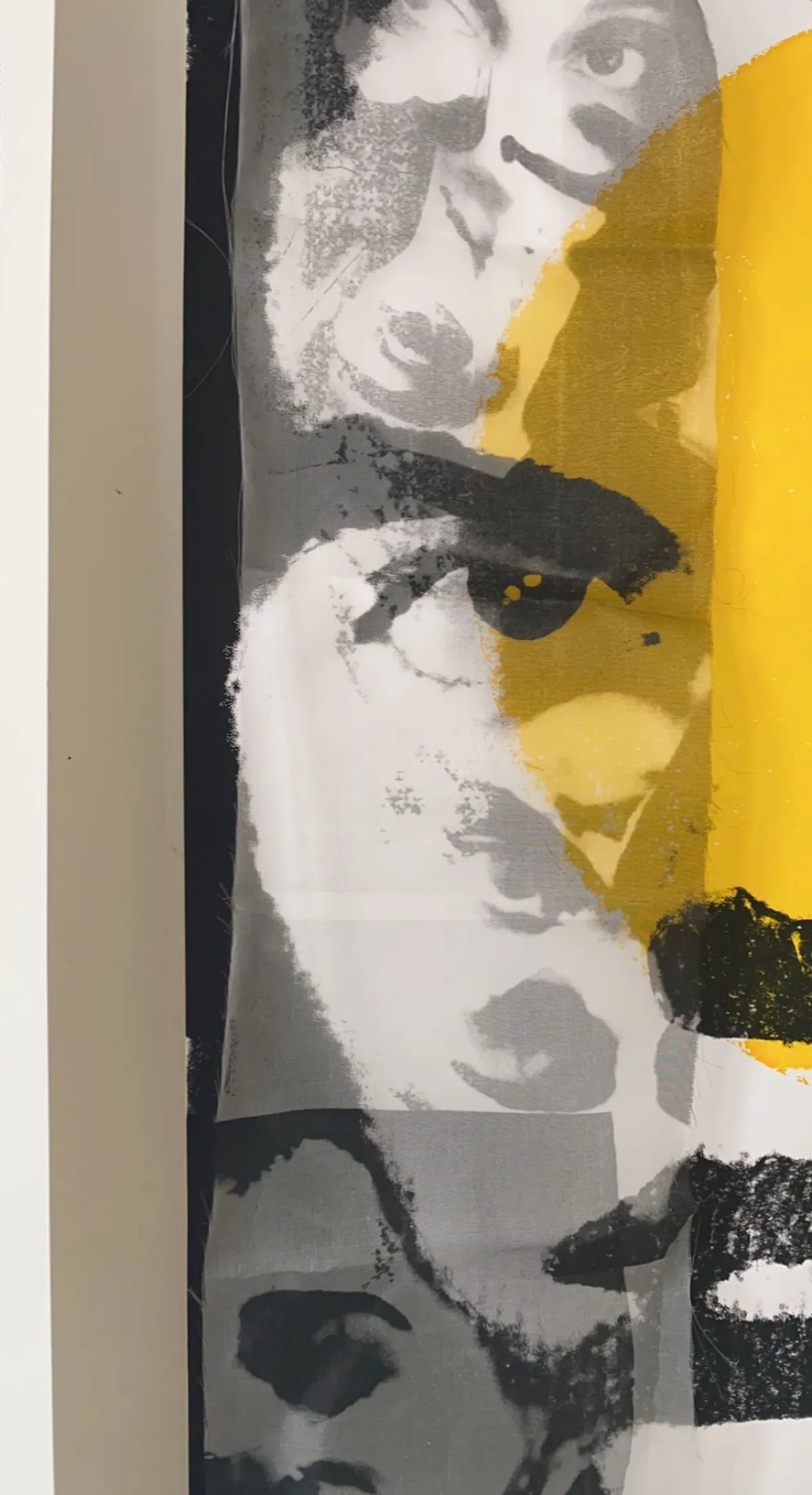
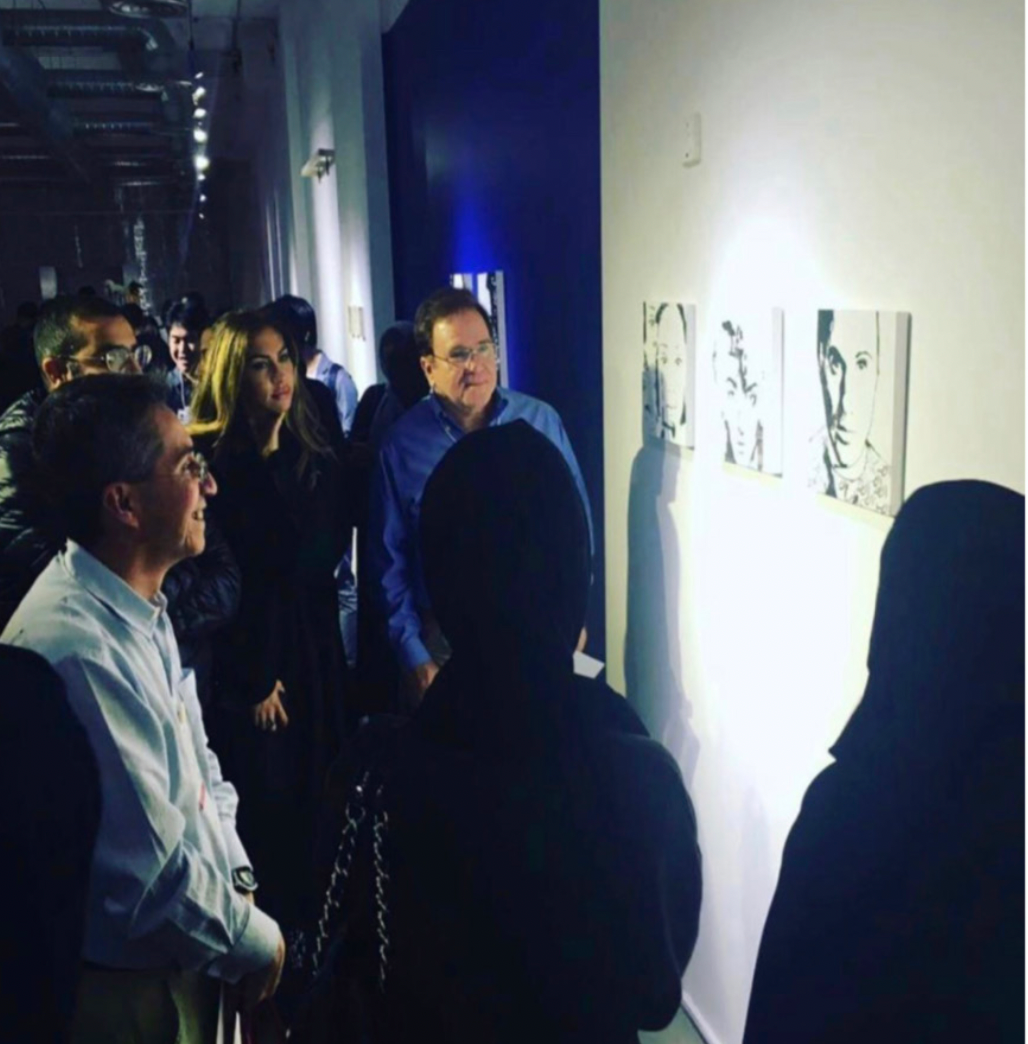
Out Of Print anchors Abdulhadi’s early career with a clear conceptual stance: print can be singular. Presented as a solo exhibition in Riyadh, it positioned each piece not as an edition to be multiplied, but as a one and only object, taken out of the usual logic of reproduction.
The title reads as both witty and philosophical. It hints at scarcity, disappearance, and value, but also at control: the artist deciding what remains, what stops, and what becomes untouchable.
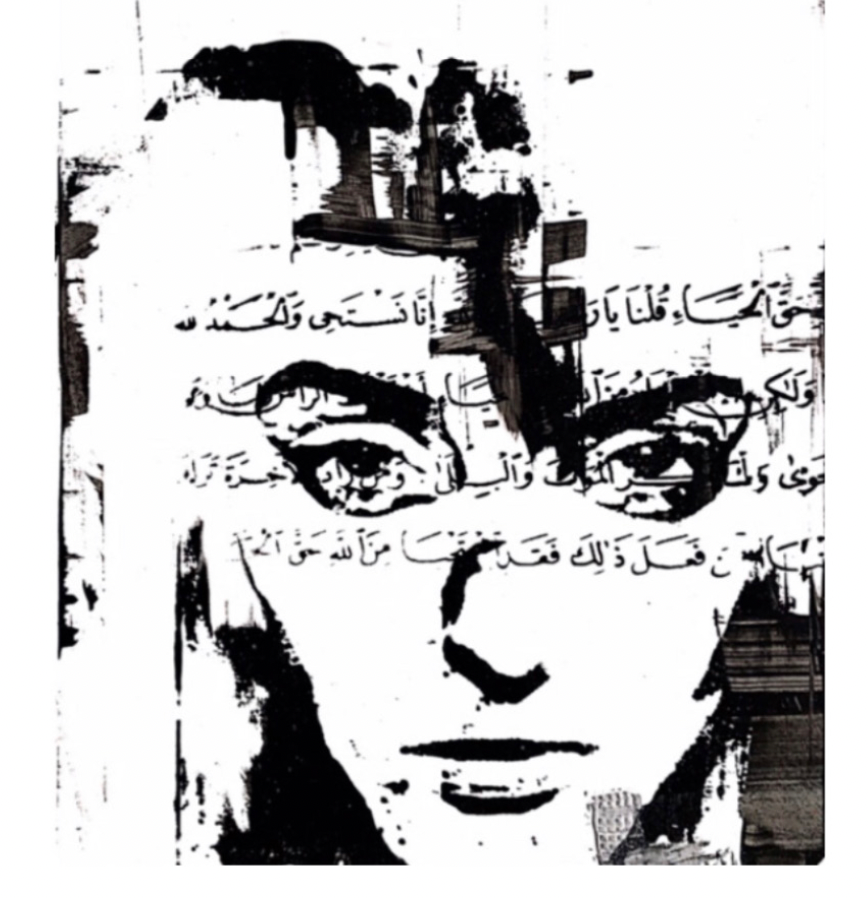
In Between focuses on the body as fragment and signal. Silkscreen printed on yellow mesh, it enlarges standing body forms while removing the head, shifting attention to posture, movement, and the space between what we assume and what we actually perceive.
There is an intentional discomfort here, a refusal of easy reading. The work lives in suspension, asking the viewer to sit with ambiguity, and to notice how quickly the mind tries to complete what is missing.
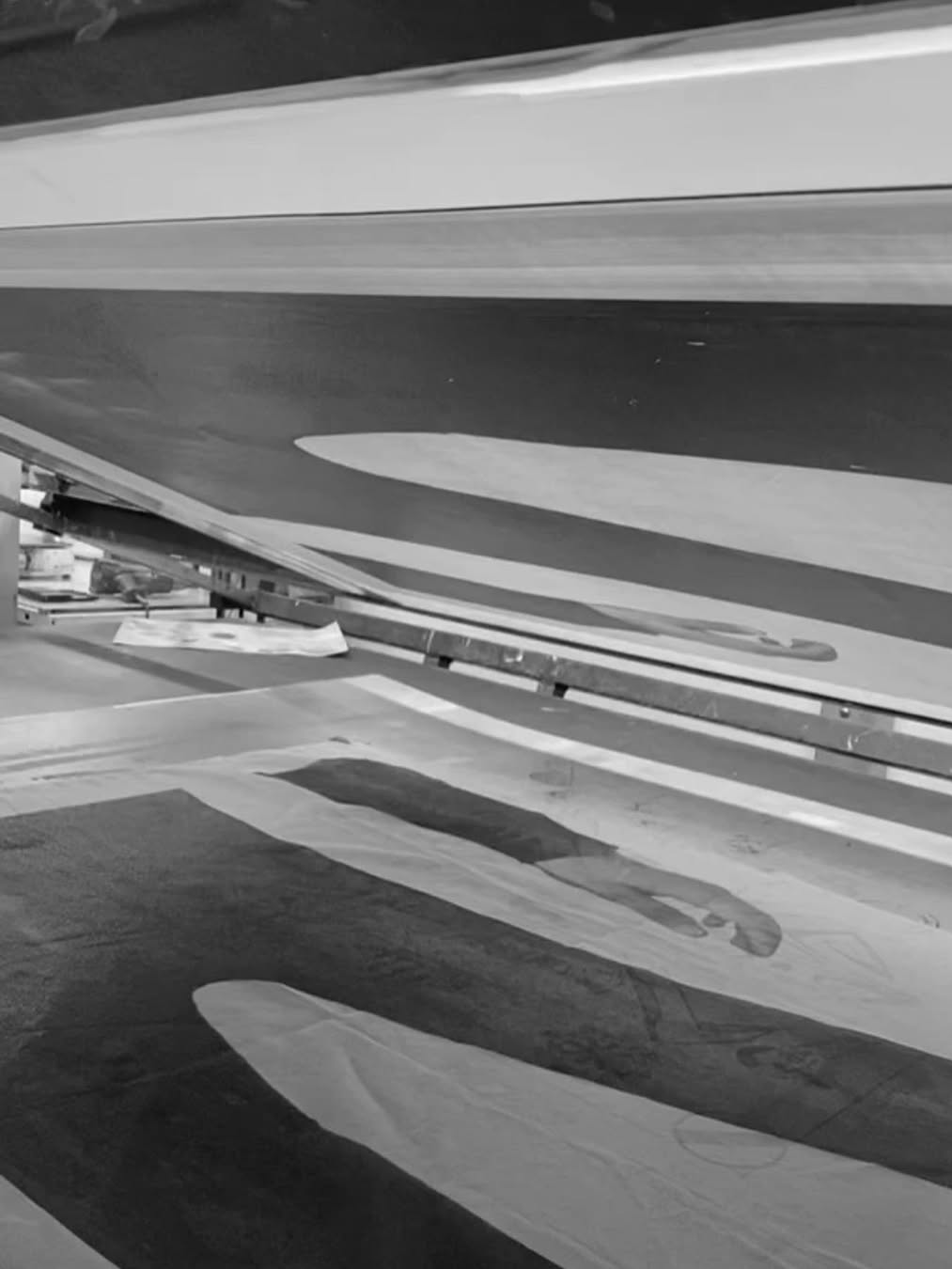
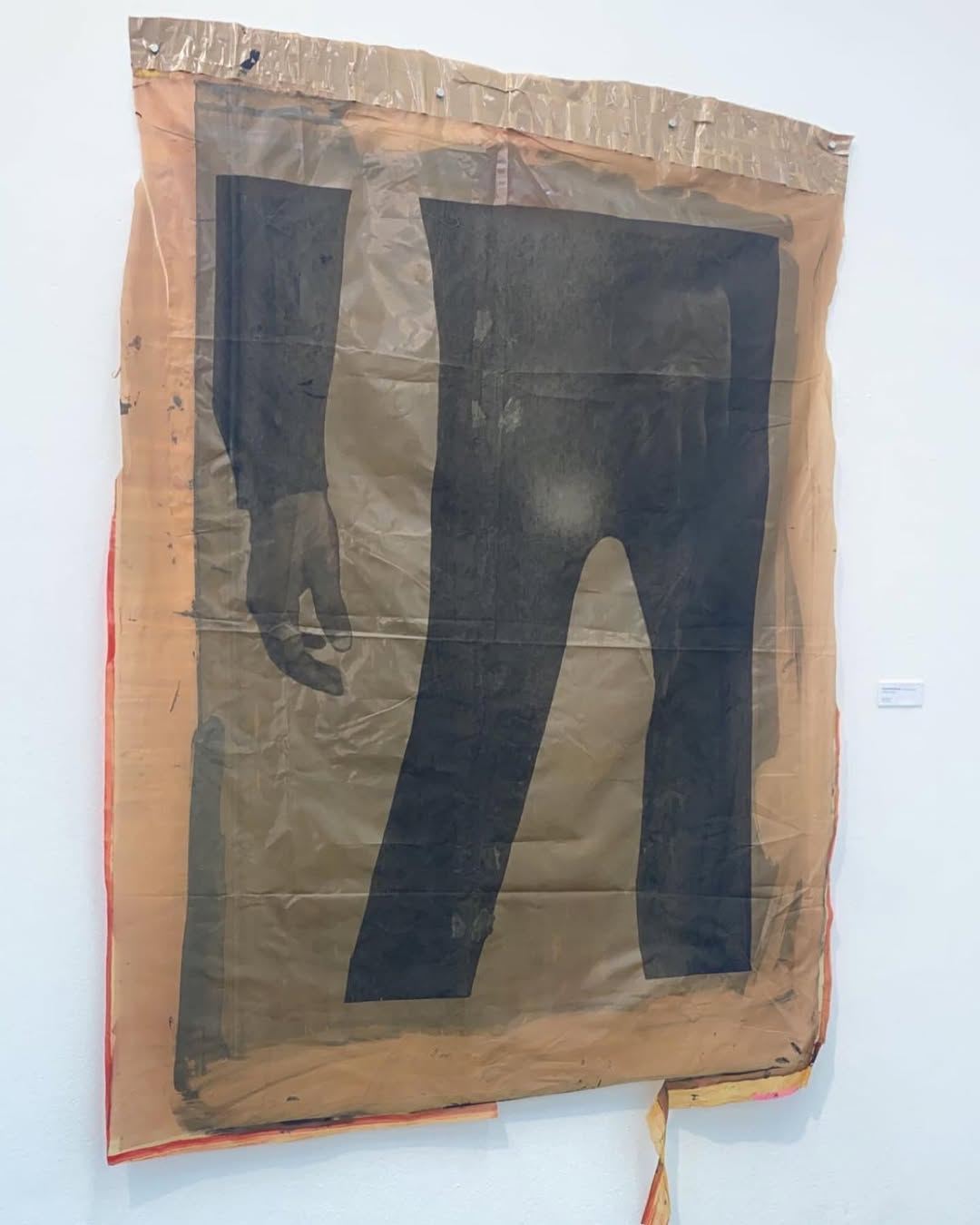
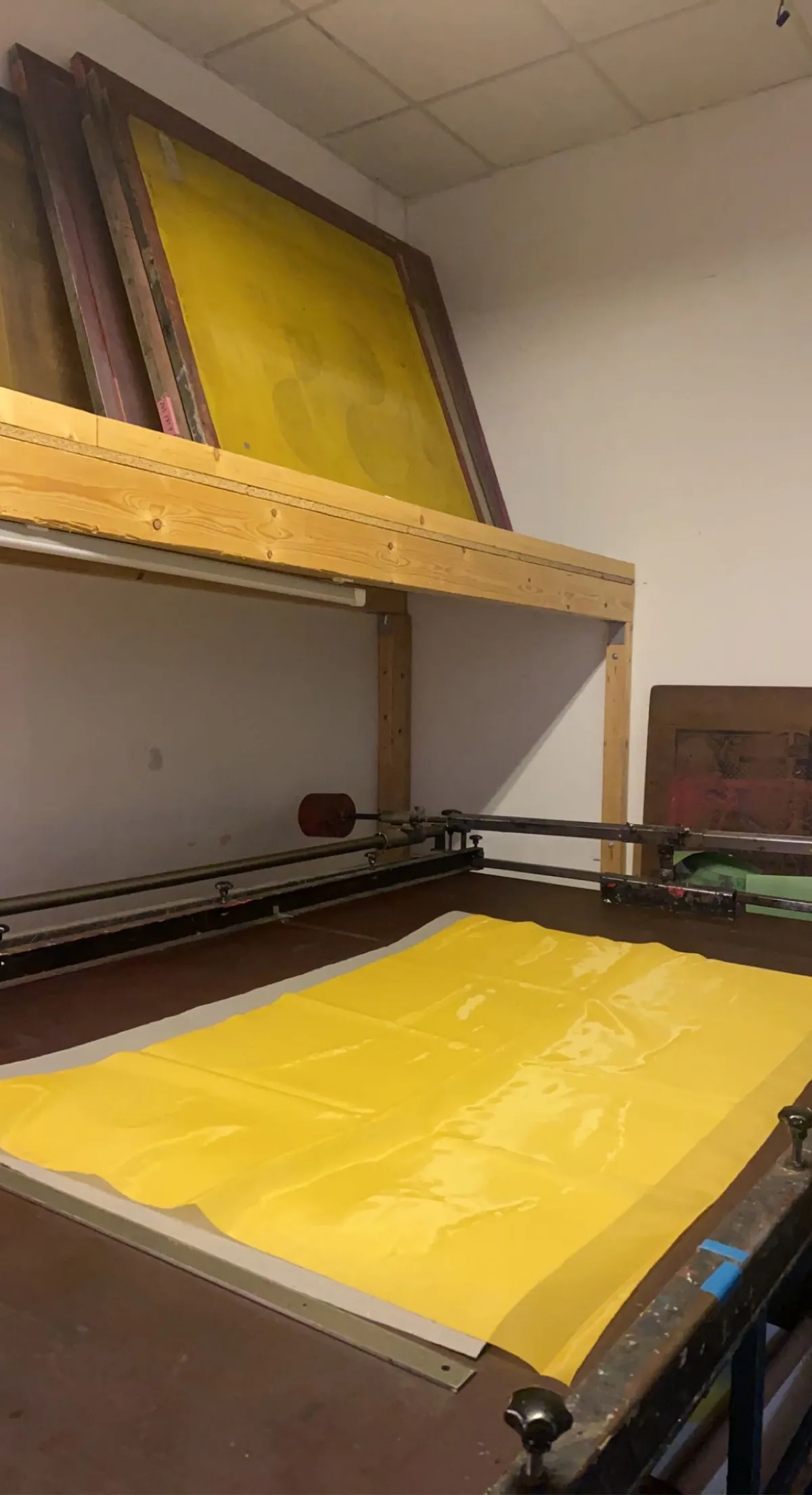
This series of prints on paper returns to the quiet discipline of the studio. Two color silkscreen printing becomes a way to stage contradiction: fullness and emptiness, certainty and doubt, presence and disappearance.
The title feels like a distilled philosophy of memory itself. What seems solid can dissolve. What seems gone can return. The work holds that tension without trying to resolve it.
Fatma Abdulhadi is part of a generation redefining what contemporary Saudi art can feel like. Her work proves that craft is not secondary to concept. It is concept, when treated with rigor. By expanding silkscreen into mesh, scent, light, and space, she shifts printmaking from surface to environment.
More than that, she offers a language for remembrance that is communal without being loud. Her installations ask for gentleness and time, and in a culture moving quickly, that request is quietly radical. Memory, in her hands, is not an archive. It is a garden, still growing.
Discover more artist stories at KSAArt.